The Third Man
"In the shadows of Vienna, everyone has a price."

Vienna in 1949 wasn't just a city; it was a skeleton being picked over by four different vultures. Most films from the late 1940s treat the aftermath of World War II with a heavy-handed, almost saintly reverence, but The Third Man chooses to crawl through the sewers instead. I watched this most recent time on a flickering laptop screen while a neighbor’s lawnmower tried to drown out the soundtrack, and yet, the moment that jarring zither music started, the rest of the world just evaporated. There is something about this movie that feels like it’s being told to you in a whisper by a stranger who just stole your wallet.
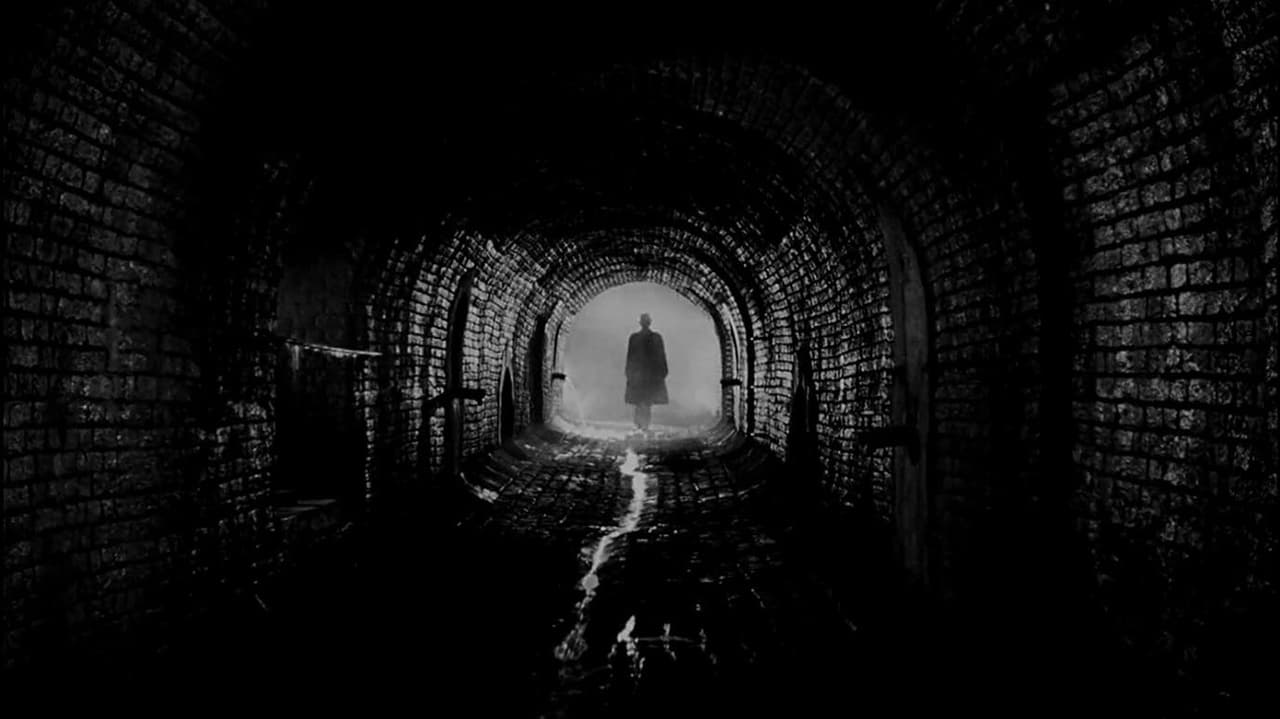
The Rubble of a City's Soul
The film follows Holly Martins, played by Joseph Cotten with a perfect blend of "clueless American" and "stubborn drunk." Martins is a writer of cheap Westerns who arrives in Vienna to take a job offered by his old friend, Harry Lime. The problem? Harry is dead. Or so everyone says. What follows isn't just a mystery; it’s a tour through a city that has lost its moral compass.
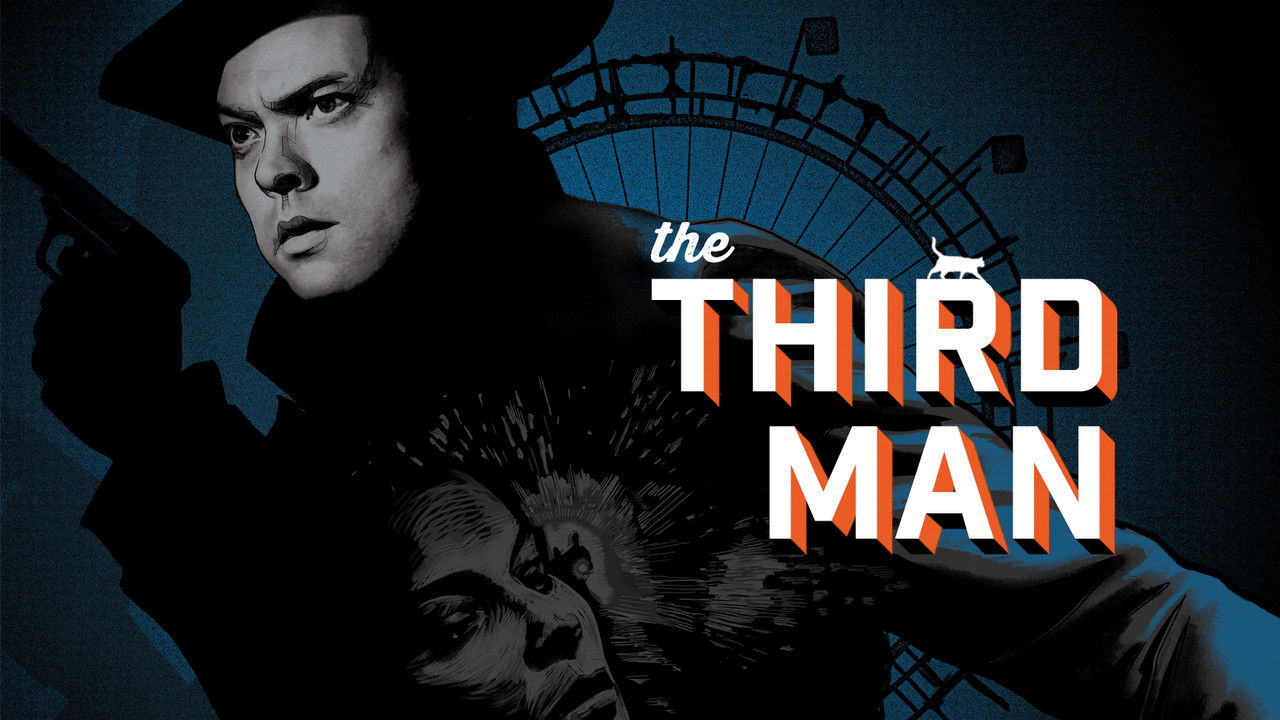
Director Carol Reed and cinematographer Robert Krasker didn't just film Vienna; they tilted it. Almost every shot is at a "Dutch angle"—diagonal, off-kilter, and deeply unsettling. It’s a visual representation of a world where the rules have vanished. It reflects the post-war anxiety of the Golden Age perfectly. While Hollywood was often busy polishing its stars to a high shine, The Third Man was interested in the damp pavement, the long shadows, and the way a person’s silhouette can look like a monster against a brick wall. Graham Greene essentially wrote a story about a guy who is too dumb to realize he’s in a tragedy. That cynicism is what keeps the film from feeling like a dusty museum piece. It’s sharp, mean, and incredibly modern.
The Charm of a Monster
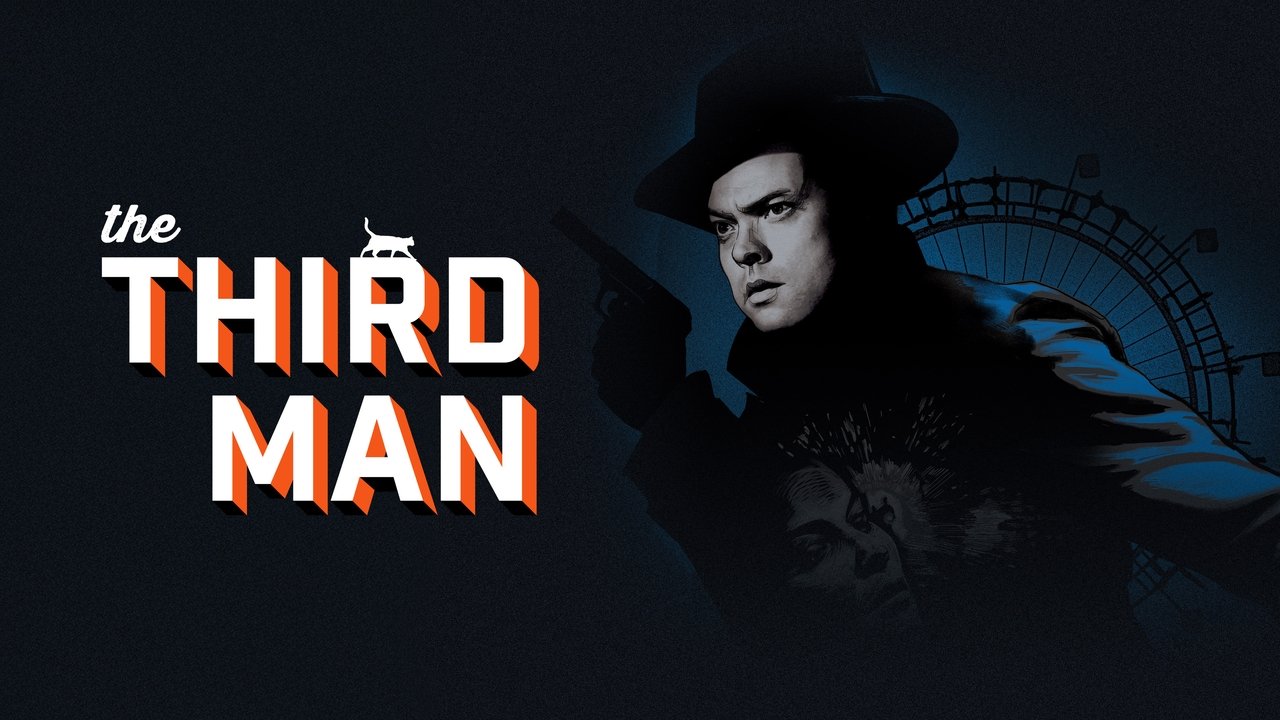
For a film titled after him, Harry Lime is missing for a massive chunk of the runtime. But his presence hangs over the city like smog. When Orson Welles finally appears—illuminated by a sudden light in a dark doorway—it’s arguably the greatest character introduction in the history of the medium. Welles doesn’t just play a villain; he plays a man who has decided that morality is a luxury the poor can’t afford.
The chemistry between Cotten and Welles is layered with the kind of history you can't fake. They were real-life collaborators in the Mercury Theatre, and you can feel that old, weary friendship in their scenes together. Then there’s Alida Valli as Anna, the woman Harry left behind. She provides the emotional anchor, a portrait of grief so profound that she’s willing to love a ghost even after she finds out he was a ghoul. Trevor Howard rounds out the main cast as Major Calloway, the British officer who has seen too much rot to believe in Martins’ heroic fantasies. Watching Howard try to explain the reality of the black market to a man who writes about cowboys is a masterclass in controlled frustration.
That Unforgettable, Twanging String
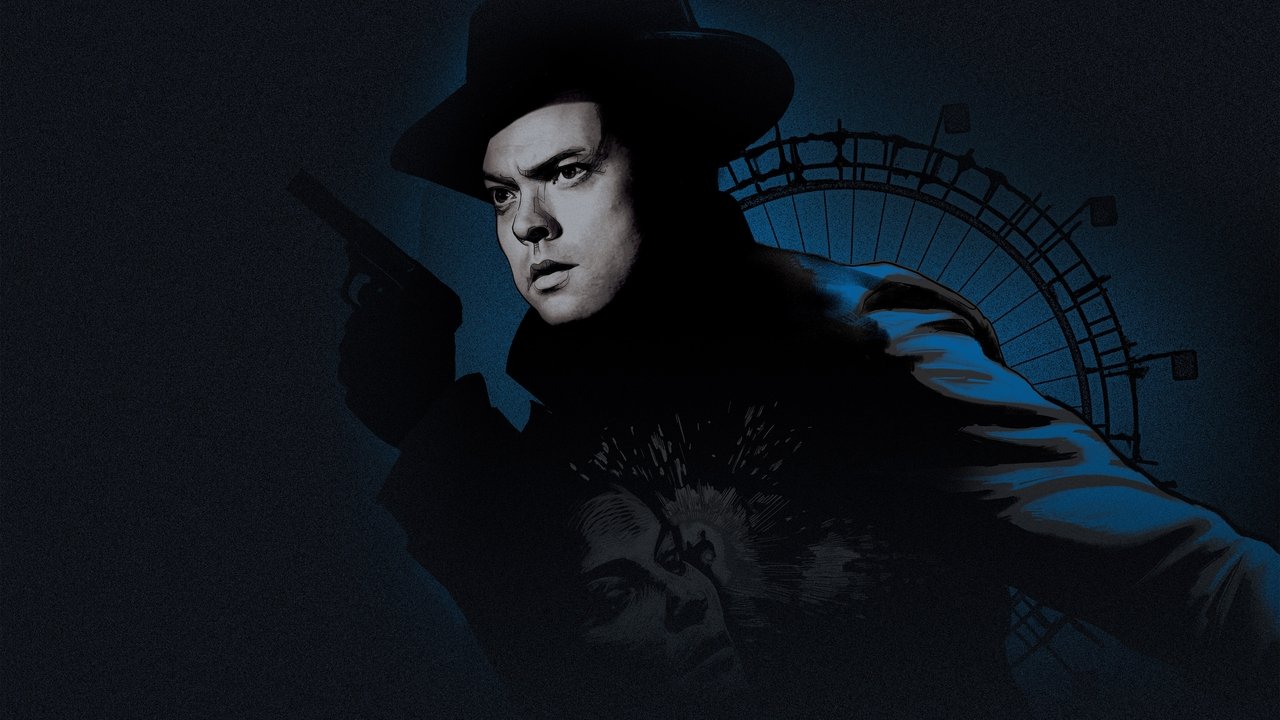
You can’t talk about The Third Man without talking about Anton Karas and his zither. At the time, the studio bosses (including the legendary David O. Selznick) hated it. They wanted a lush, orchestral score typical of the era. But Reed insisted. Karas was a busker Reed found in a Vienna beer garden, and his lonely, metallic plucking gives the film its nervous heartbeat. It’s catchy, but it’s also mocking. It tells you that even in the face of death and betrayal, the world keeps spinning its tawdry little tune.
The production itself was a clash of titans. Selznick, representing the American studio system’s desire for control, constantly sent memos demanding changes—he even wanted to change the title to Night in Vienna. Thankfully, the British producers and Carol Reed held their ground. The "Cuckoo Clock" speech, which has since become one of the most quoted monologues in cinema, wasn't even in Greene’s original script. Orson Welles famously improvised it, much to Greene’s eventual chagrin, adding that final layer of intellectual arrogance that made Harry Lime a cult icon. People don't just watch this movie; they obsess over it. They go to Vienna to take "Third Man" sewer tours. They debate the morality of the ending. It’s a film that refuses to offer a comforting hug, and that’s exactly why I keep coming back to it.
This is the peak of film noir and a towering achievement of the post-war era. It captures a specific moment in history when the old world was dead and the new one hadn't quite figured out how to be "good" yet. It’s visually stunning, hauntingly scored, and features a screenplay that doesn't waste a single breath. If you haven't seen it, you're missing one of the reasons movies were invented in the first place. Go find a copy, turn off the lights, and let the zither take you to the shadows.
Keep Exploring...
-

Vertigo
1958
-
Spellbound
1945
-
Notorious
1946
-
The Big Sleep
1946
-
Rear Window
1954
-
Dial M for Murder
1954
-

Rebecca
1940
-
Suspicion
1941
-
The Maltese Falcon
1941
-
Shadow of a Doubt
1943
-
Diabolique
1955
-
To Catch a Thief
1955
-
The Man Who Knew Too Much
1956
-
Eyes Wide Shut
1999
-
Double Indemnity
1944
-
Rope
1948
-

Rashomon
1950
-
A Streetcar Named Desire
1951
-
Strangers on a Train
1951
-
The Day the Earth Stood Still
1951