All About Eve
"Fasten your seatbelts. Ambition has a sharp new face."
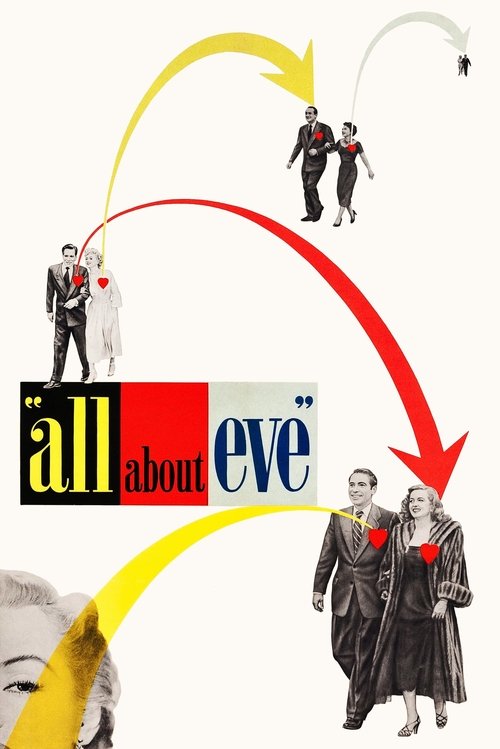
Joseph L. Mankiewicz didn’t just write a screenplay when he penned All About Eve; he essentially performed a controlled demolition of the ego. Watching it in the 2020s feels less like revisiting a "dusty classic" and more like watching a high-definition recording of a knife fight where the participants happen to be wearing evening gowns and sipping extra-dry martinis. I watched this again on a Tuesday night while my neighbor was loudly power-washing his driveway, and the rhythmic drone of the water outside felt like a strangely appropriate soundtrack to the industrial-strength backstabbing happening on my screen.
The Predator in the Polka-Dot Dress
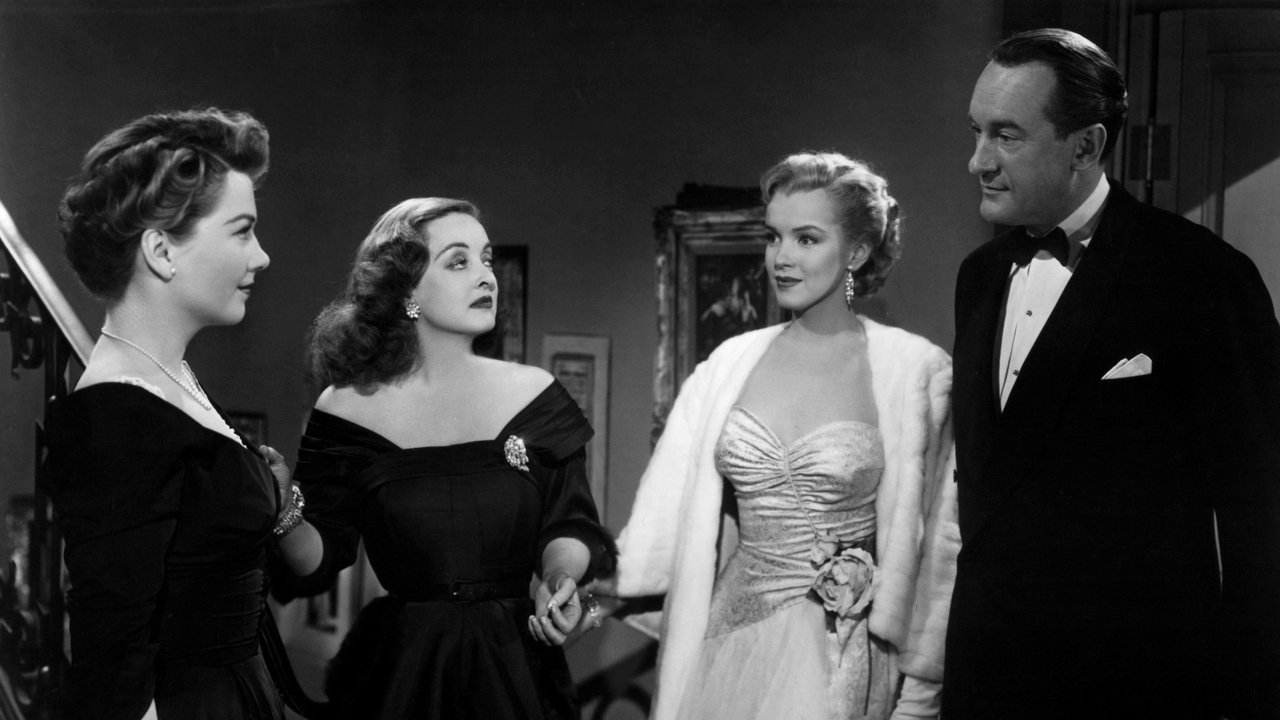
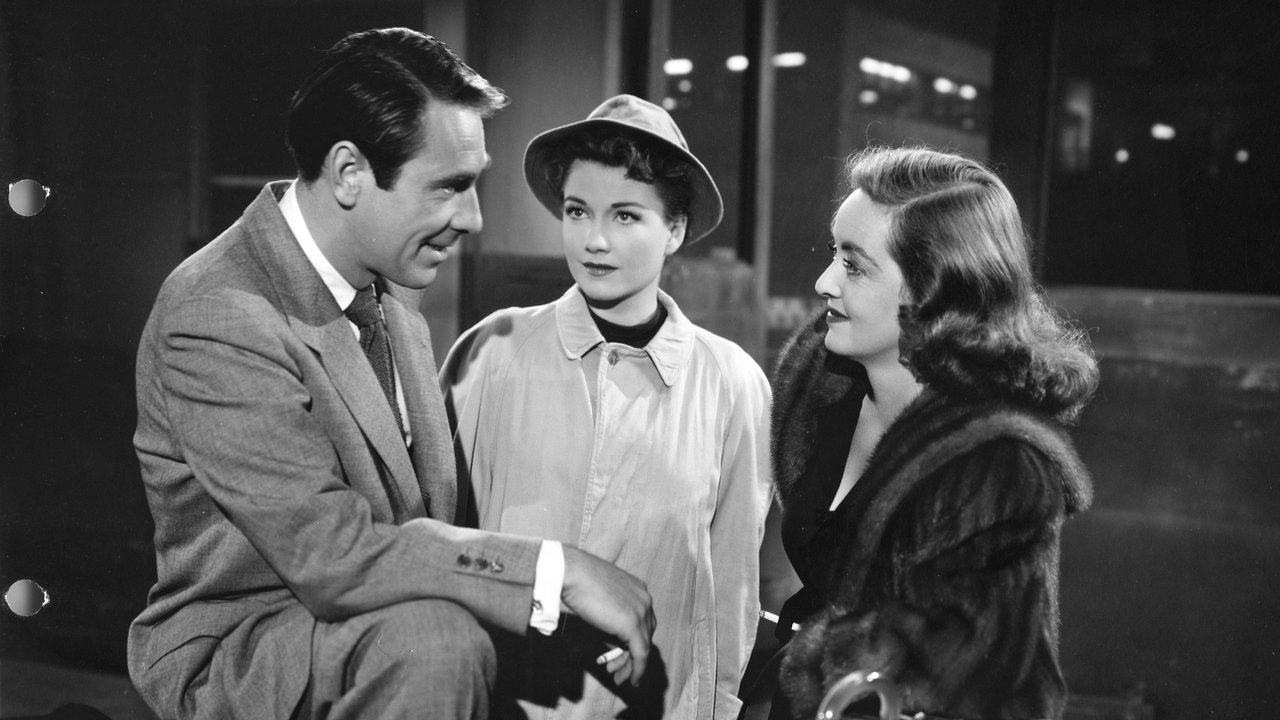
The film is a masterclass in the slow-burn reveal. We start at an awards ceremony, seeing Eve Harrington receive the highest honors of the theater, while the faces of her "friends" in the audience look like they’ve just swallowed glass. How did we get here? We go back to the stage door, where Anne Baxter—playing Eve with a terrifying, wide-eyed humility—hovers in the shadows like a theatrical ghost. She’s the ultimate fan, the girl who has seen every performance of the great Margo Channing.
When she finally gets into Margo’s inner circle, she doesn't just enter the room; she begins to colonize it. Anne Baxter’s Eve Harrington has the survival instincts of a cockroach in a Chanel suit, and watching her flip the switch from "devoted assistant" to "calculated usurper" is one of the most chilling transitions in cinema history. She isn't just a villain; she’s a mirror reflecting the insecurities of everyone around her.
Bette Davis and the Art of the Blow-Up
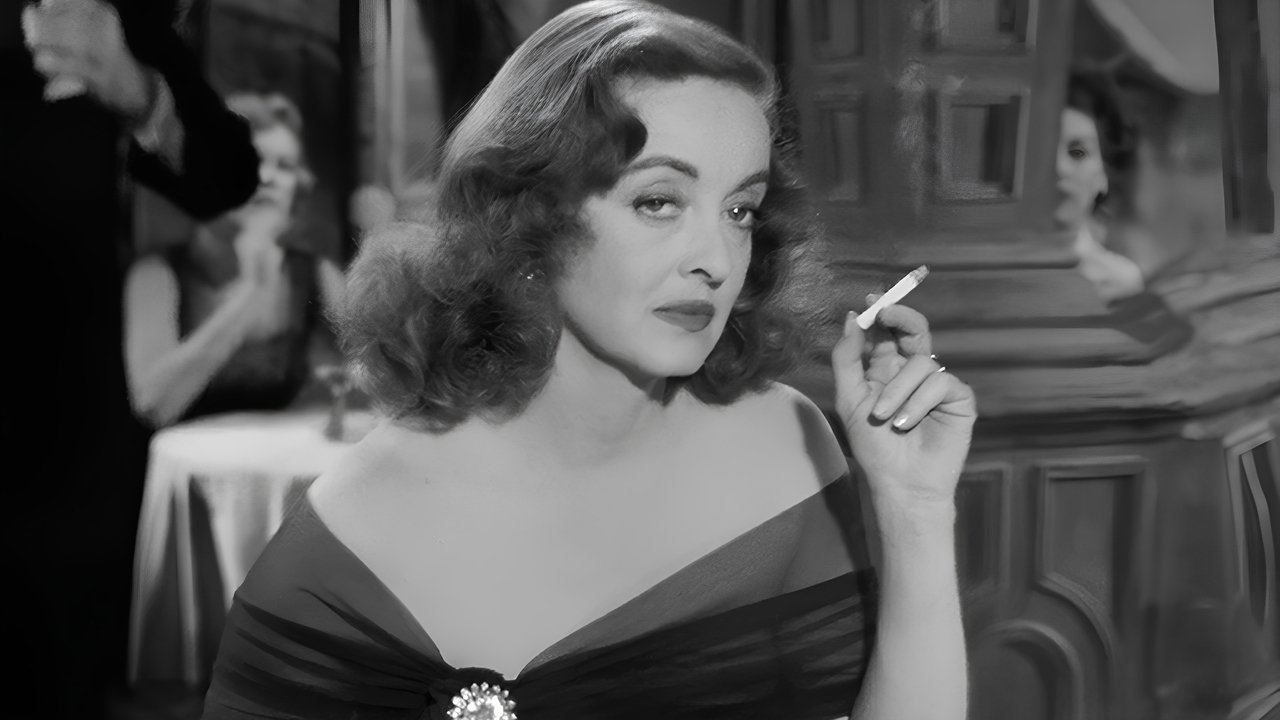
Then there is Bette Davis. If Eve is the silent creeping tide, Bette Davis is the hurricane. Playing Margo Channing, a legendary actress staring down the barrel of her 40th birthday in an industry that views aging as a moral failure, Davis is a revelation. Legend has it that Claudette Colbert was originally cast but had to pull out due to a back injury. It’s the luckiest break in 20th Century Fox history. Davis brought a jagged, raw vulnerability to the role that feels almost too private to watch.
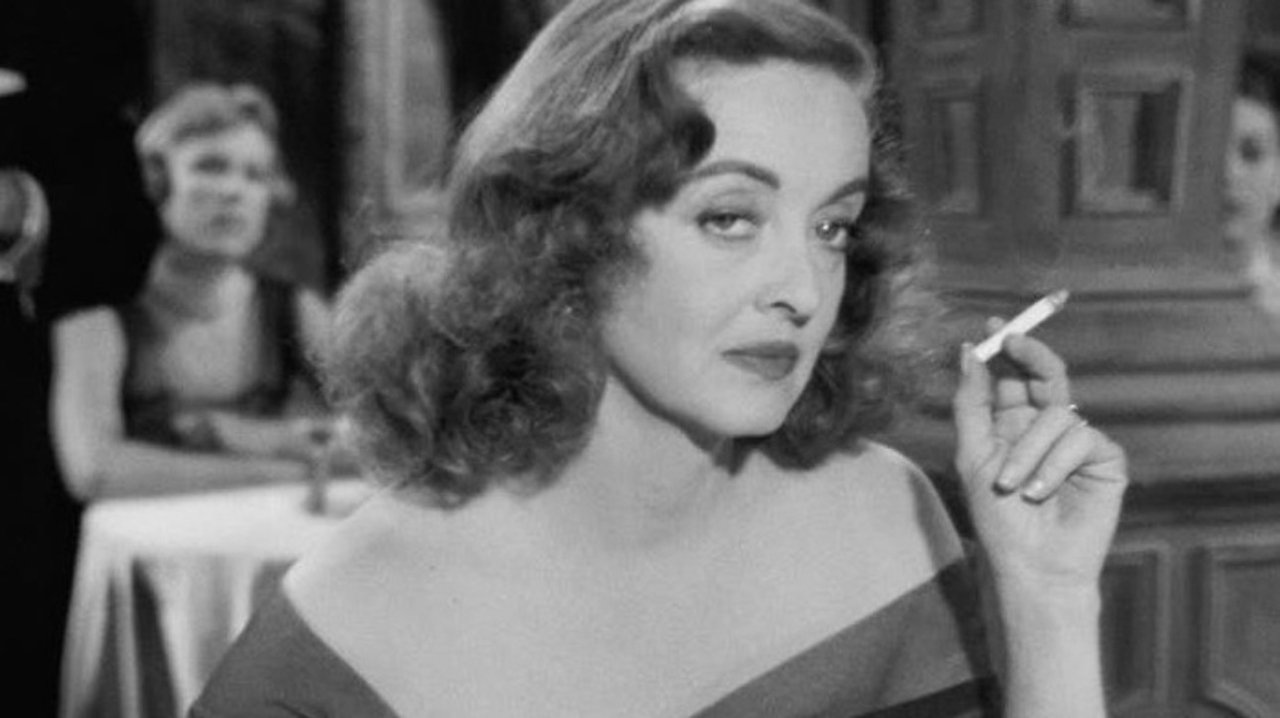
The famous "bumpy night" party scene isn't just a great bit of dialogue; it’s a psychological breakdown captured in shimmering black and white. You can see the exact moment Margo realizes that the "sweet girl" she took in is actually measuring her drapes for a replacement. The chemistry between Davis and Gary Merrill (who played her director boyfriend, Bill) was so intense that they actually got married in real life shortly after filming. You can’t fake that kind of friction.
The Snake in the Garden of Broadway
While the women are the engine of the film, George Sanders provides the fuel. As the cynical, aristocratic drama critic Addison DeWitt, Sanders delivers lines as if he’s tasting a particularly expensive vintage of poison. He is the only character who truly sees Eve for what she is, primarily because he recognizes a fellow predator. Sanders won an Oscar for this, and rightfully so; he manages to be the most loathsome person in the room while simultaneously being the one you most want to have a drink with.
One of the more fascinating bits of trivia is the brief appearance of a young Marilyn Monroe as a "graduate of the Copacabana School of Dramatic Arts." In a film about the changing of the guard, seeing the future biggest star in the world playing a ditzy starlet under the thumb of the old guard is a meta-commentary that Mankiewicz probably didn't even realize he was making at the time. It highlights the film's core philosophical anxiety: there is always someone younger, someone hungrier, and someone waiting in the wings.
The Eternal Cycle of the Stage
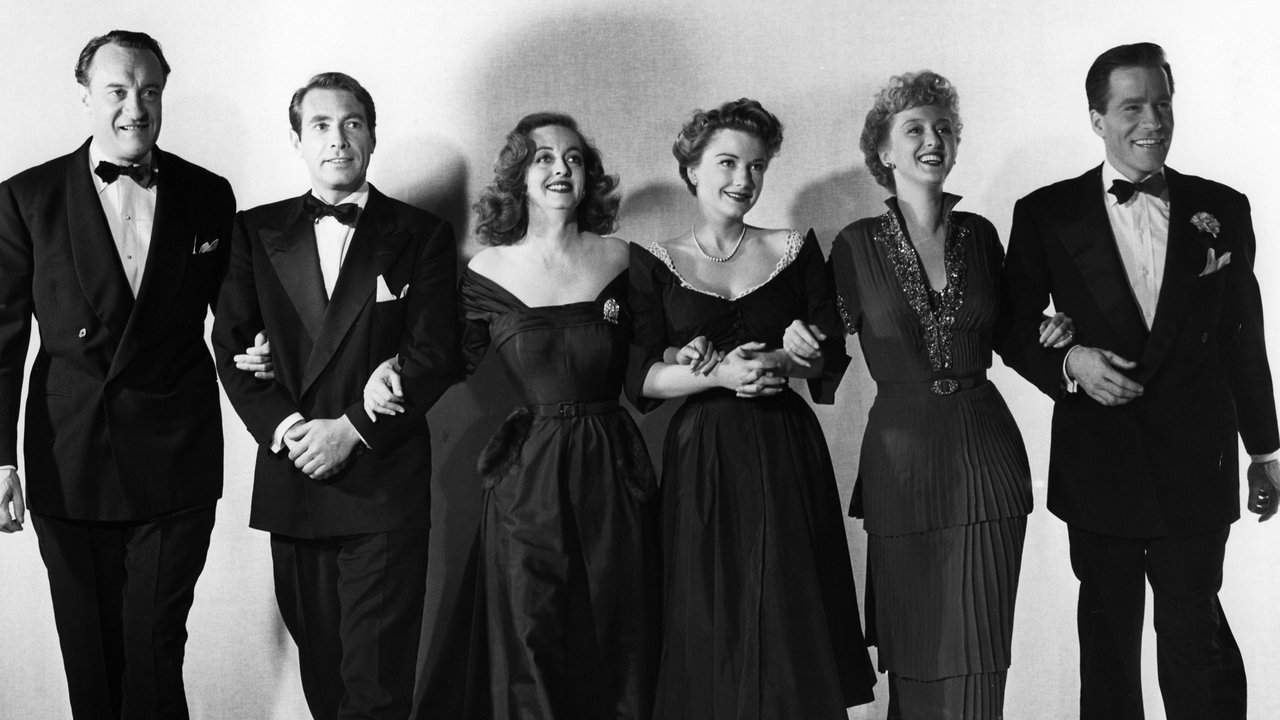
Cerebrally, All About Eve functions as a meditation on the masks we wear. It suggests that the "theater" isn't just a building on Broadway; it’s a psychological condition. Every character is performing, even when they’re alone. The film’s structure is recursive—the ending perfectly mirrors the beginning, suggesting that Eve’s triumph is merely the start of her own inevitable obsolescence. It asks a haunting question: What is the cost of being "on"?
For a movie made under the strictures of the 1950s studio system, it is remarkably modern in its cynicism. It bypasses the sugary sentimentality of the era and goes straight for the jugular. The male characters—Bill and Lloyd—are essentially human handbags for their more interesting wives, serving mostly as collateral damage in a war they don't fully understand.
This isn't just a movie for people who love "old films." It’s a movie for anyone who has ever felt the sting of professional jealousy or the fear of being replaced. It’s sharp, it’s cruel, and it’s undeniably brilliant. If you’ve only ever seen the memes or heard the quotes, do yourself a favor and watch the whole thing. Just make sure you’ve fastened your seatbelt—it really is a bumpy, glorious ride.
Keep Exploring...
-
The Treasure of the Sierra Madre
1948
-
Sabrina
1954
-
Rebel Without a Cause
1955
-
The Grapes of Wrath
1940
-

Laura
1944
-
The Day the Earth Stood Still
1951
-

Ikiru
1952
-
Tokyo Story
1953
-
La Strada
1954
-

It's a Wonderful Life
1946
-
Sunset Boulevard
1950
-
High Noon
1952
-
A Streetcar Named Desire
1951
-

Bicycle Thieves
1948
-
Seven Samurai
1954
-

Throne of Blood
1957
-
Wild Strawberries
1957
-

Hiroshima Mon Amour
1959
-

The Ten Commandments
1956
-

Citizen Kane
1941