Cinderella
"The shoe that saved an empire."
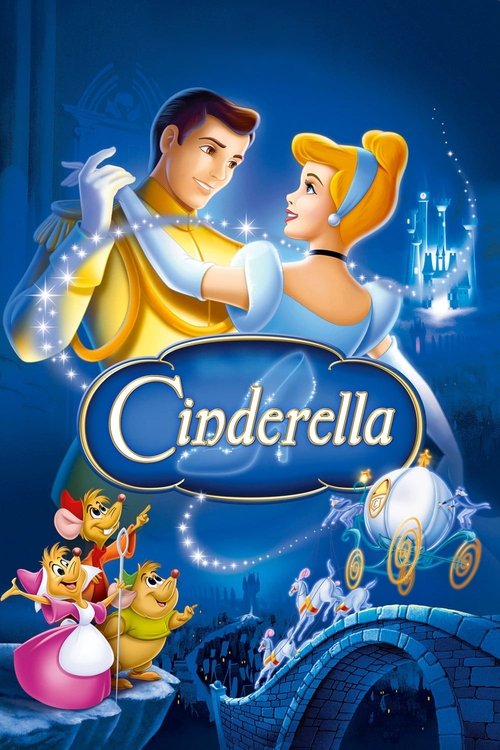
By 1950, Walt Disney was staring down the barrel of a $4 million debt. The "package film" era of the 1940s—those collections of shorts like Make Mine Music—hadn't exactly set the world on fire, and the studio was teetering on the edge of bankruptcy. If Cinderella had flopped, we wouldn't have theme parks, a sprawling media empire, or a recognizable mouse on every street corner. I watched this again recently while sipping lukewarm chamomile tea that I’d forgotten to sweeten, and the austerity of my drink felt oddly appropriate for the first half of this film. We often remember the glitter, but we forget how much of a grit-teeth survival story this actually is.
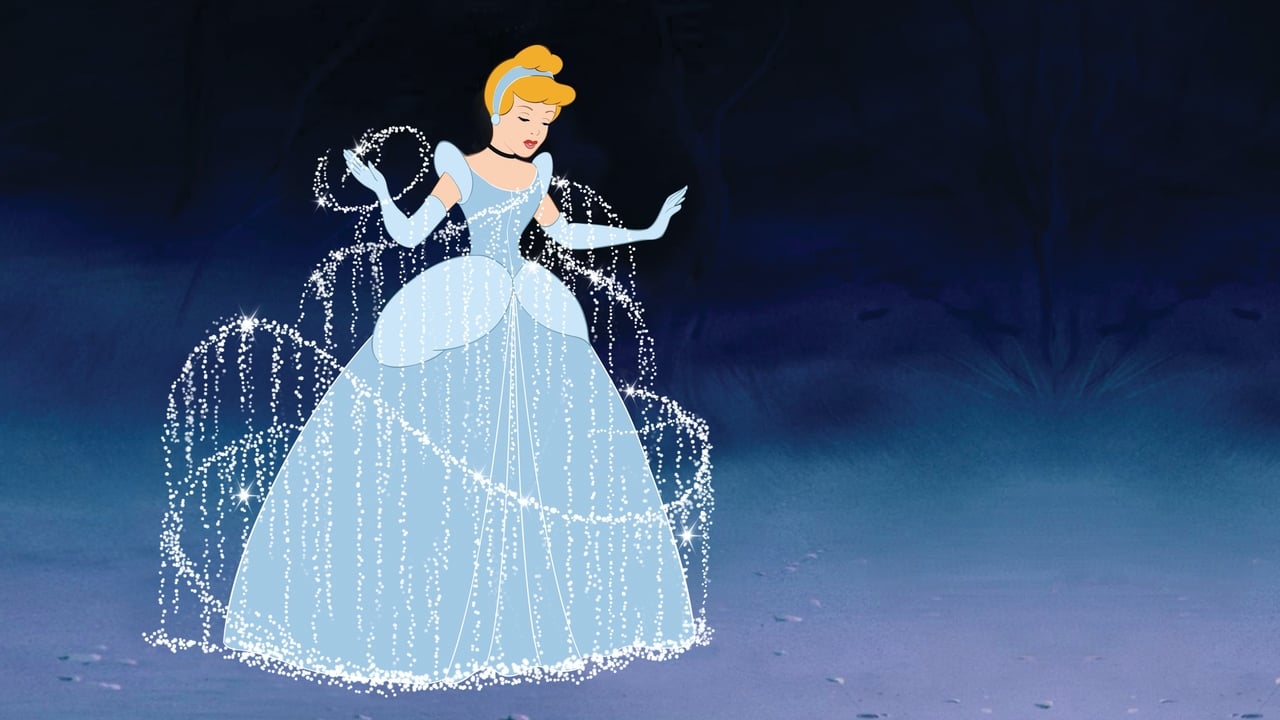
The Gritty Drama of the Silver Slipper
While it’s categorized as a fantasy, the core of Cinderella is a psychological drama that feels surprisingly modern. Unlike the high-stakes poisonings of Snow White, the cruelty here is domestic and claustrophobic. Eleanor Audley (who would later voice Maleficent) delivers one of the most chilling performances in cinema history as Lady Tremaine. She doesn't have magic powers or a dragon form; she just has the power of "No."
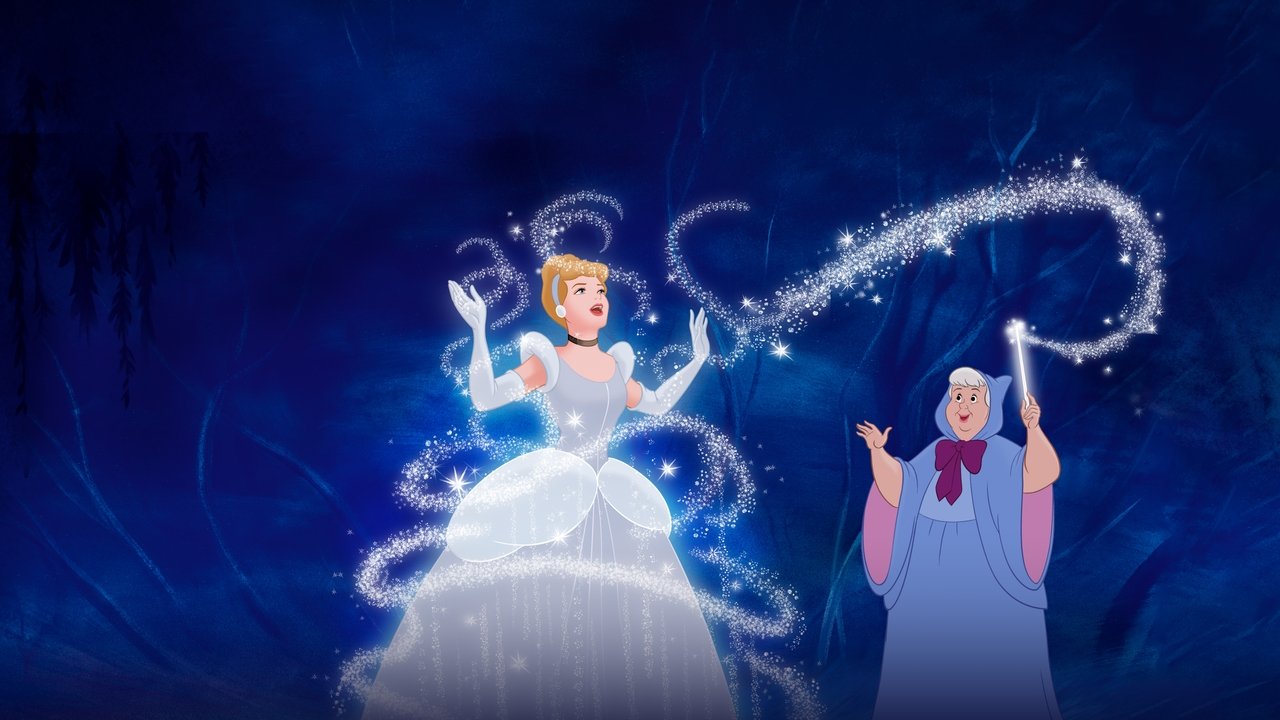
The scene where the stepsisters, Drizella (Rhoda Williams) and Anastasia, literally tear Cinderella’s dress apart is genuinely traumatizing. It’s a masterclass in pacing and cruelty. I’ve always felt that Lady Tremaine is the most terrifying Disney villain because her brand of evil—gaslighting and social isolation—is the only one you’re likely to meet in real life. She doesn't want to kill Cinderella; she wants to erase her.
Technicolor Dreams and Studio Risks
From a technical standpoint, the film is a triumph of the Golden Age studio system. Walt Disney took a massive gamble, spending $2.9 million—a staggering sum at the time—to return to the lavish, full-length animation style. To save money on animation costs, nearly the entire film was shot in live-action first as a reference. If you look closely at the movement of Ilene Woods’s Cinderella, there’s a grounded, human weight to her carriage that you don’t see in the more caricatured mice.
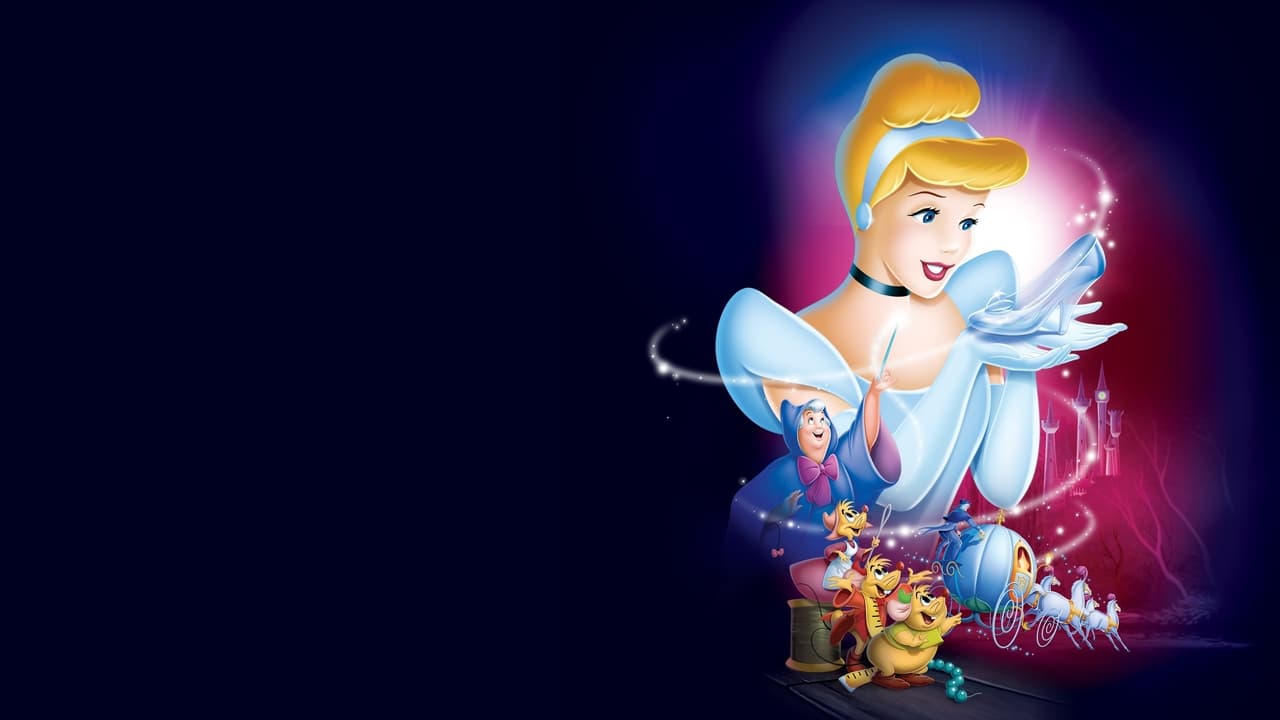
The "Sing Sweet Nightingale" sequence remains a personal favorite for its sheer audacity. It features some of the earliest uses of overdubbed vocals in a Disney film, allowing Ilene Woods to sing in three-part harmony with herself. It’s a moment of directorial flourish that breaks the dreary realism of Cinderella’s chores, reminding us that her only escape is her own internal world. It’s also one of the few times the film leans into the surrealism that Mary Blair’s concept art promised.
The $263 Million Glass Ceiling
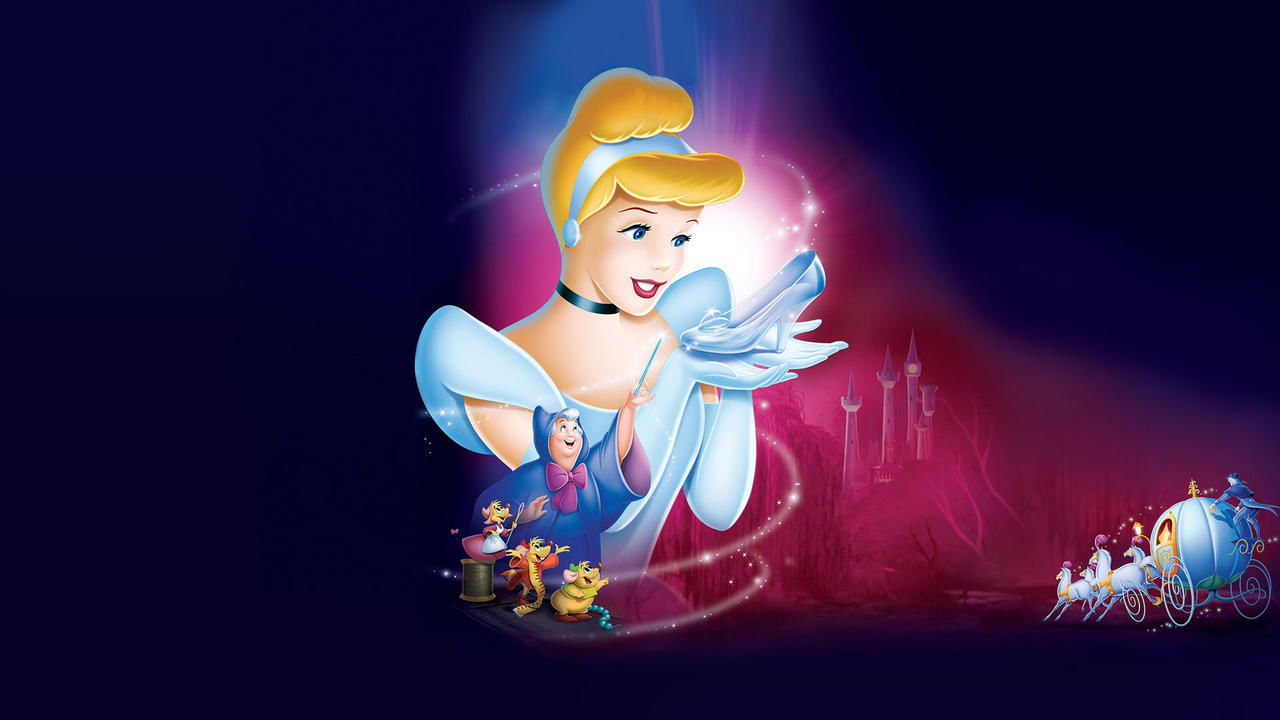
The success of Cinderella wasn't just big; it was "save the company" big. It pulled in a whopping $263.6 million over its lifetime (adjusted for inflation, that’s over $2 billion today), making it the biggest hit the studio had seen since Snow White and the Seven Dwarfs. This was the ultimate "watercooler" movie of the early 50s. It wasn't just a film; it was a cultural reset that codified the "Disney Princess" archetype and allowed Walt to finally greenlight his dream project: Disneyland.
The mice—Gus and Jaq, both voiced by the legendary James MacDonald—provide the necessary comic relief, but even their subplots carry a sense of life-or-death stakes. Their constant battles with Lucifer the cat are like mini-noir thrillers staged in the baseboards of the chateau. Honestly, the mice are the only characters in this entire movie with a functional understanding of logistics and tactical maneuvering. Without them, the Fairy Godmother (Verna Felton) would have just been showing up to a very sad, empty house.
Behind the Scenes: The Voice in the Crowd
The casting of Ilene Woods is a classic "Old Hollywood" fluke. She didn't even know she was auditioning. She recorded a few demo songs for some friends who were songwriters, and when Walt heard the tapes, he knew he’d found his lead. Out of 300 other actresses, a girl who wasn't even trying got the part. That kind of luck feels very on-brand for a movie about a girl whose life changes because she happens to have the right foot size.
The film also serves as a fascinating look at the post-war gender roles of 1950. Cinderella’s "rebellion" is quiet and polite, which can feel dated to a modern eye, but within the context of the era’s "Production Code" and social expectations, her resilience is her strength. She refuses to let the domestic drama break her spirit, which is perhaps the most relatable "superpower" any character can have.
Cinderella remains the gold standard for a reason. It balances the high-stakes drama of an abusive household with the technical glamour of Technicolor animation in a way that feels seamless. While the romance with the Prince is the thinnest part of the story (the guy has about three lines of dialogue), the emotional core remains the battle between Cinderella’s hope and her stepmother’s bitterness. It’s a gorgeous, slightly haunting piece of film history that reminds me why we go to the movies in the first place: to see the underdog finally get a win, preferably in some very expensive footwear.
Keep Exploring...
-
Sleeping Beauty
1959
-
Cinderella III: A Twist in Time
2007
-
Alice in Wonderland
1951
-

Lady and the Tramp
1955
-
Pinocchio
1940
-
Cinderella II: Dreams Come True
2002
-
Peter Pan
1953
-
Fantasia
1940
-

Snow White and the Seven Dwarfs
1938
-
Dumbo
1941
-
Beauty and the Beast
1991
-

Aladdin
1992
-
Shrek 2
2004
-
One Hundred and One Dalmatians
1961
-
Bambi
1942
-
Hercules
1997
-
The Princess and the Frog
2009
-
Elemental
2023
-
Red Shoes and the Seven Dwarfs
2019
-
The Rescuers
1977