Rashomon
"Four stories. One corpse. No survivors of the truth."
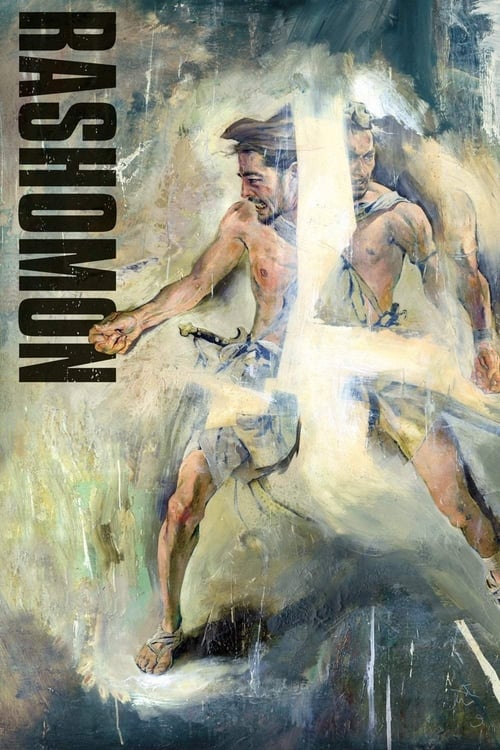
I remember the first time I sat down with Rashomon. I was tucked into a corner of a basement apartment, nursing a lukewarm cup of instant coffee that tasted vaguely of pencil shavings, while a thunderstorm outside rattled the windowpanes. It was the perfect atmosphere for a film that opens with the most oppressive, torrential downpour in cinematic history. As the rain hammered against the crumbling stone of the Rashomon gate, I realized I wasn’t just watching a period piece; I was watching a demolition crew tear down the very idea of "objective truth."
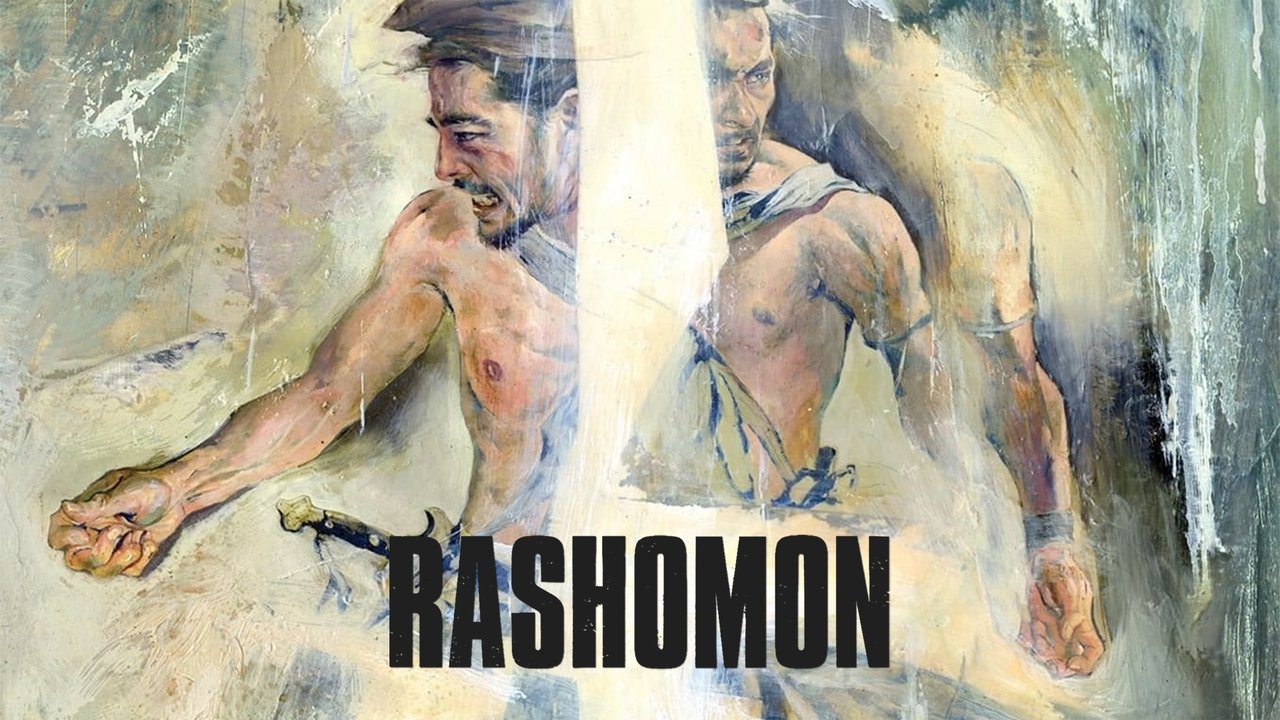
The Forest of Fractured Souls
The premise is deceptively simple: a samurai is dead, his wife has been assaulted, and a notorious bandit is the prime suspect. But as Akira Kurosawa peels back the layers, the "facts" dissolve into a fever dream of ego and insecurity. We get four versions of the event—told by the bandit, the wife, the murdered husband (via a medium, because why not?), and a woodcutter who stumbled upon the scene.
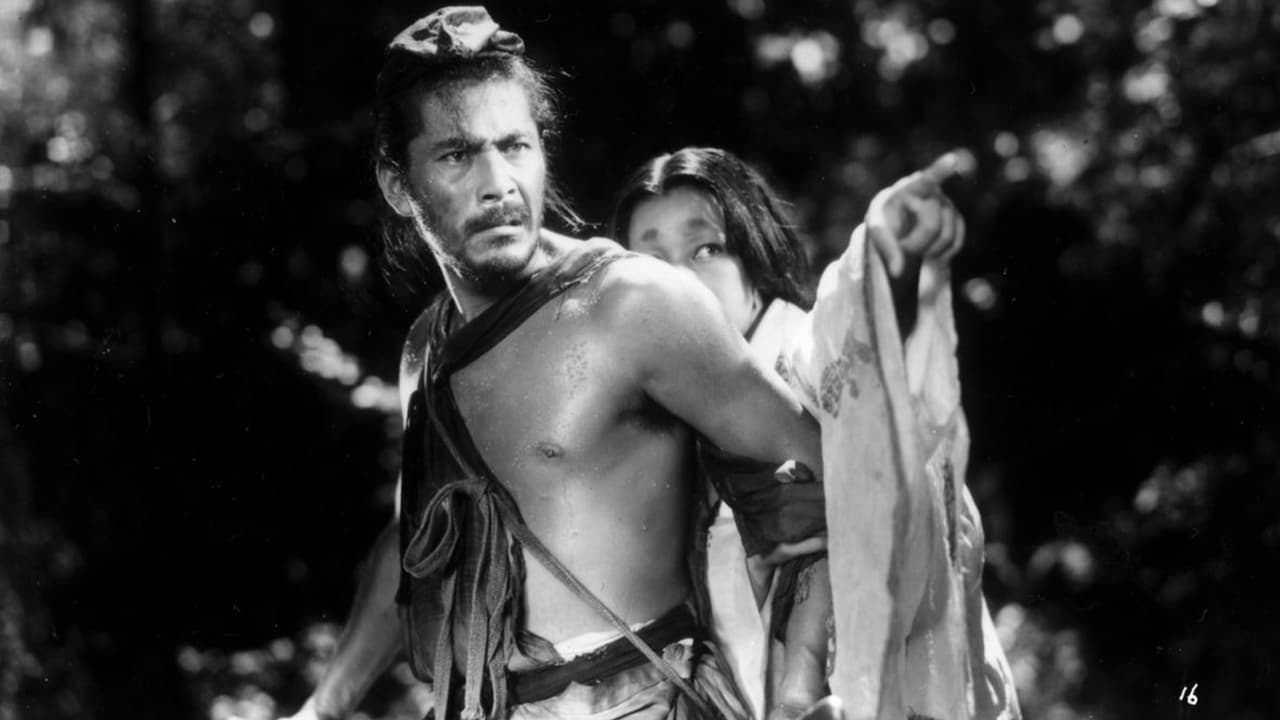
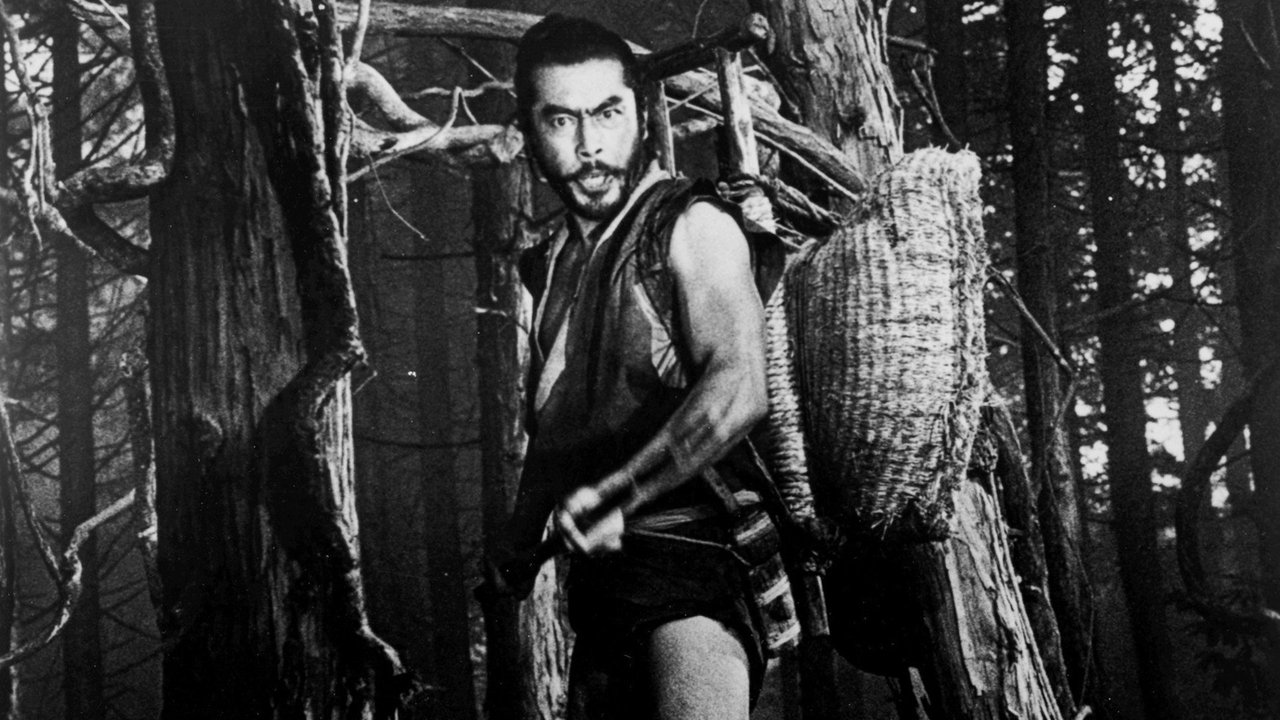
What struck me most wasn't the mystery of who did it, but the "why" behind the lies. Each narrator recreates the event to cast themselves as either the hero or the most tragic victim. Toshirō Mifune, in a performance that feels less like acting and more like a rabid dog straining at a leash, plays the bandit Tajômaru with a terrifying, fly-swatting energy. He wants us to believe he’s a noble rogue, a man of action. Meanwhile, Machiko Kyō delivers a staggering, chameleonic performance as the wife, Masako. She has to play four distinct versions of the same woman—from a delicate flower to a vengeful harpy—and she nails the transition every single time.
Shadows, Sunlight, and Subversion
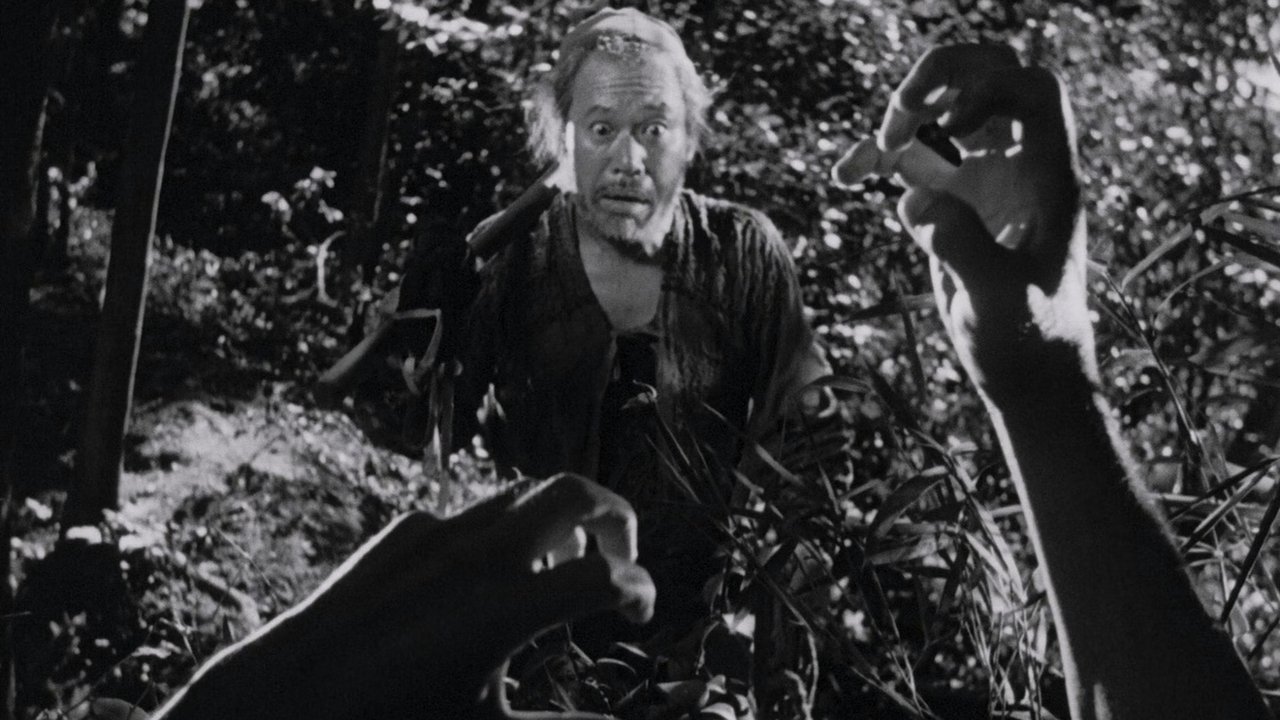
Visually, this film is a gut-punch. During an era where Hollywood was perfecting the "Golden Age" glamour of soft lighting and studio-controlled environments, Kurosawa and his cinematographer, Kazuo Miyagawa, took their cameras into the dense woods of Nara and Kyoto and did something revolutionary: they pointed the lens directly at the sun.
At the time, this was a massive technical "no-no." It was supposed to ruin the film, yet here, the dappled sunlight breaking through the canopy creates a disorienting, hypnotic strobe effect. It makes the forest feel like a labyrinth where the truth goes to die. The way Miyagawa captures the sweat on Mifune's brow or the trembling hands of the priest (Minoru Chiaki) makes the tension feel tactile. You can almost smell the damp earth and the blood.
The score by Fumio Hayasaka is another bold choice. It’s heavily influenced by Ravel’s Boléro, with a repetitive, driving rhythm that mirrors the obsessive, cyclical nature of the storytelling. It’s unsettling and persistent, refusing to let the viewer settle into a comfortable rhythm.
The Hustle of an International Breakthrough
It’s easy to forget that Rashomon was an underdog. Produced by Daiei Film on a shoestring budget of about $250,000, it was initially loathed by the studio heads. They found the narrative structure confusing and the themes too grim. In fact, the head of Daiei allegedly walked out of a screening, complaining he didn't understand a word of it.
The film only found its legs because an Italian film scout happened to see it and pushed for its entry into the Venice Film Festival. It won the Golden Lion, essentially introducing Japanese cinema to the Western world. It’s the ultimate "indie gem" success story—a film so unique and uncompromising that it forced the global industry to rewrite the rules of what a drama could be. There were no big studio marketing machines behind this; just a director with a vision and a cast willing to work in the mud until they got it right.
The Weight of Being Human
By the time the woodcutter (Takashi Shimura) and the commoner (Kichijirō Ueda) finish their cynical debate at the gate, you’re left feeling emotionally drained. The film doesn't offer the easy catharsis of a "whodunnit" reveal. Instead, it asks if humans are even capable of being honest with themselves.
The husband’s version of the story is the most pathetic display of wounded pride I’ve ever seen on screen, as even in death, he cannot bear to look weak. It’s a dark, cynical look at the human condition, yet the ending—which I won’t spoil for the uninitiated—offers a tiny, flickering candle of hope in the dark. It’s a moment that feels earned because the film has spent the previous 80 minutes dragging you through the muck of human depravity.
Rashomon is one of those rare films that fundamentally changes the way you look at stories. It’s intense, visually breathtaking, and deeply uncomfortable in the best possible way. Even if you aren’t a fan of "old" movies or subtitles, give this one the 88 minutes it asks for. It’s a lean, mean, psychological thriller that remains more modern and daring than 90% of what’s released today. Just don't expect it to tell you the truth.

Keep Exploring...
-
High and Low
1963
-
Seven Samurai
1954
-
Throne of Blood
1957
-
Witness for the Prosecution
1957
-
Anatomy of a Murder
1959
-

Yojimbo
1961
-

Ikiru
1952
-
Rope
1948
-

On the Waterfront
1954
-
The Night of the Hunter
1955
-
The Big Sleep
1946
-
In the Heat of the Night
1967
-

The Conversation
1974
-
Rome, Open City
1945
-
Spellbound
1945
-
Notorious
1946
-
Rear Window
1954
-
The Maltese Falcon
1941
-
Touch of Evil
1958
-
Batman: The Dark Knight Returns, Part 1
2012