Sunset Boulevard
"The most beautiful funeral Hollywood ever threw."
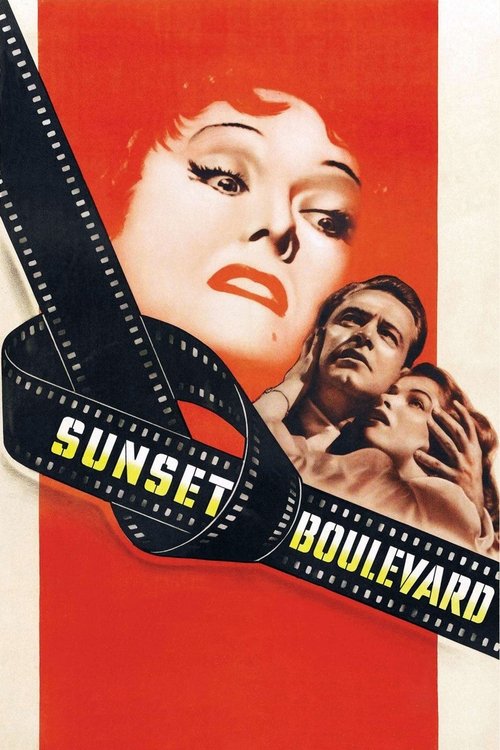
There is a dead man floating face down in a swimming pool on Sunset Boulevard. It is one of the most famous openings in cinema history, not just because of the striking visual, but because the corpse is the one telling us the story. I watched this again on a rainy Tuesday while my radiator was making a rhythmic, clanking sound like a dying engine, and honestly, that mechanical wheeze felt like the perfect soundtrack for the crumbling world of Norma Desmond.
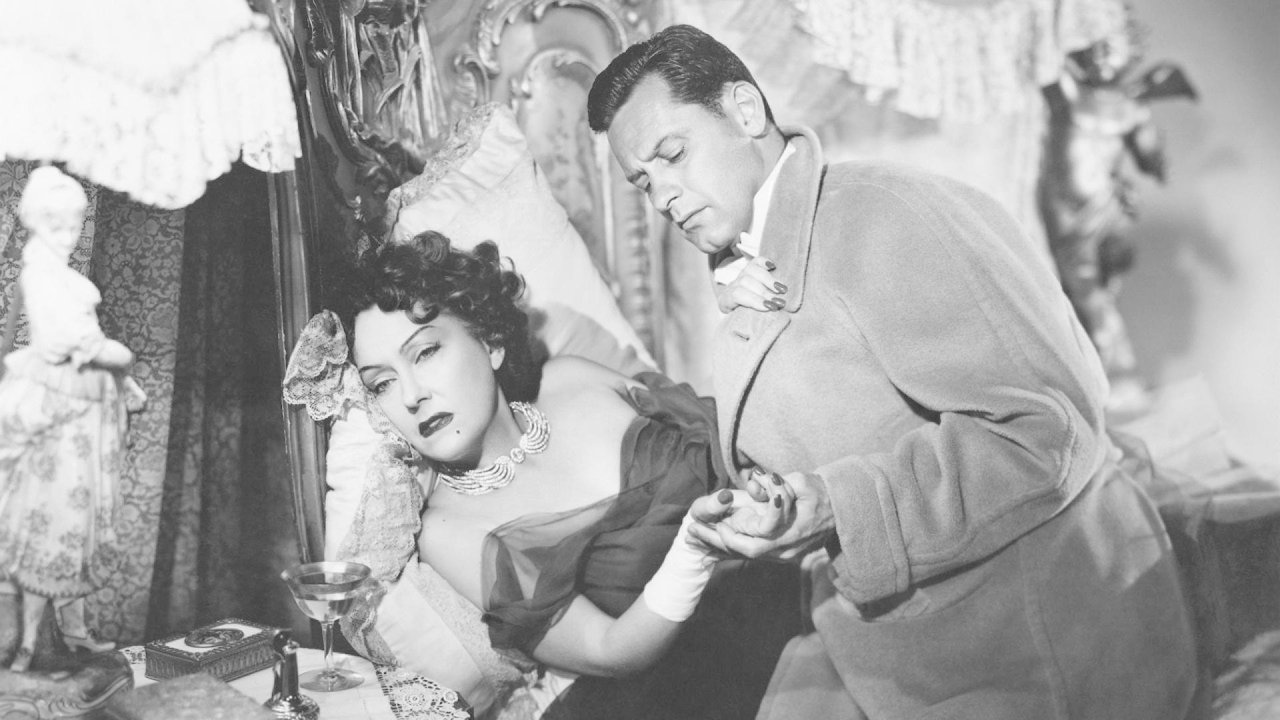
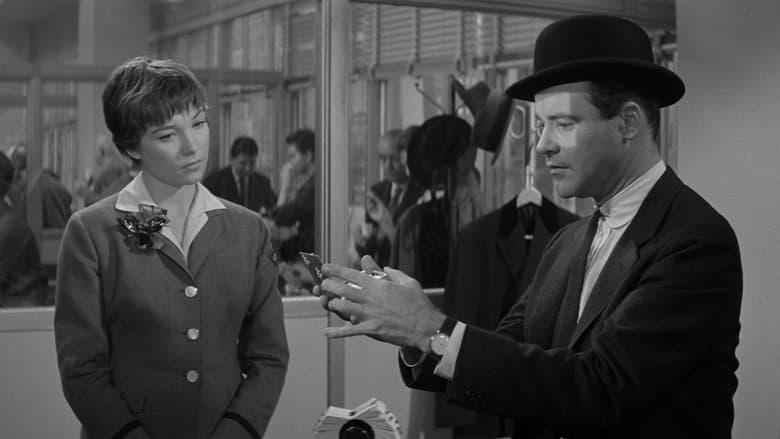
Sunset Boulevard isn't just a movie; it’s a crime scene where the victim is the American Dream and the primary weapon is a movie camera. Directed by Billy Wilder (the same man who gave us the sharp-witted Some Like It It Hot and the cynical The Apartment), this is the ultimate "insider" film that hates its own industry just enough to be honest about it.
The Ghost in the Gothic Mansion
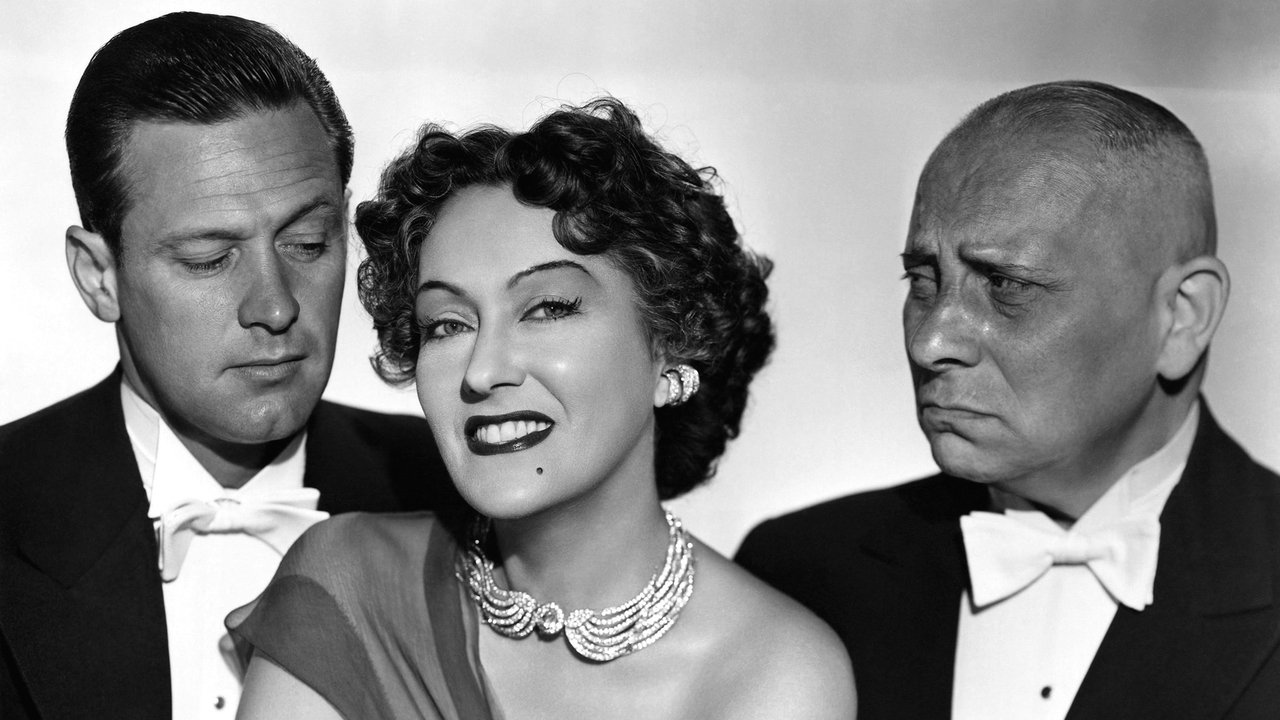
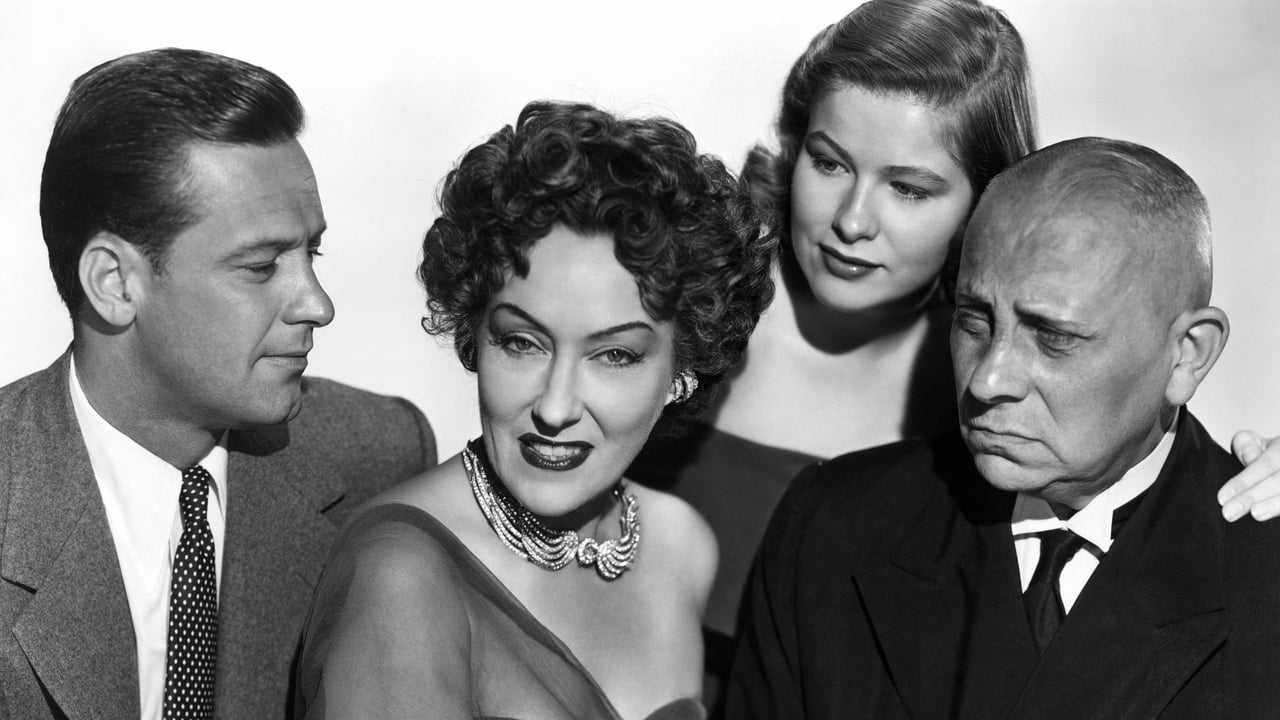
The plot follows Joe Gillis, played with a perfect, exhausted cynicism by William Holden. Joe is a hack screenwriter whose car is about to be repossessed and whose soul is already halfway out the door. While running from the repo men, he pulls into the driveway of a decaying mansion that looks like it belongs in a Universal horror flick. This is the lair of Norma Desmond, brought to life by Gloria Swanson in a performance that is less "acting" and more "exorcism."
Norma is a forgotten relic of the silent era, living in a house that smells of tuberoses and "dead tube roses" at that. She’s convinced the world is waiting for her return—her "return," mind you, not her "comeback." She hires Joe to doctor her bloated, unreadable script about Salome, and slowly, Joe becomes more than an editor. He becomes a kept man, a pet, and eventually, a prisoner.
Gloria Swanson was actually a massive silent film star herself, which adds a layer of meta-textual weight that is almost dizzying. When she yells, "I am big! It’s the pictures that got small," she’s not just playing a character; she’s indicting the entire sound era for losing the expressive power of the human face. Her performance is stylized, grand, and terrifying—she looks like she’s trying to eat the camera with her eyes.
Biting the Hand That Feeds
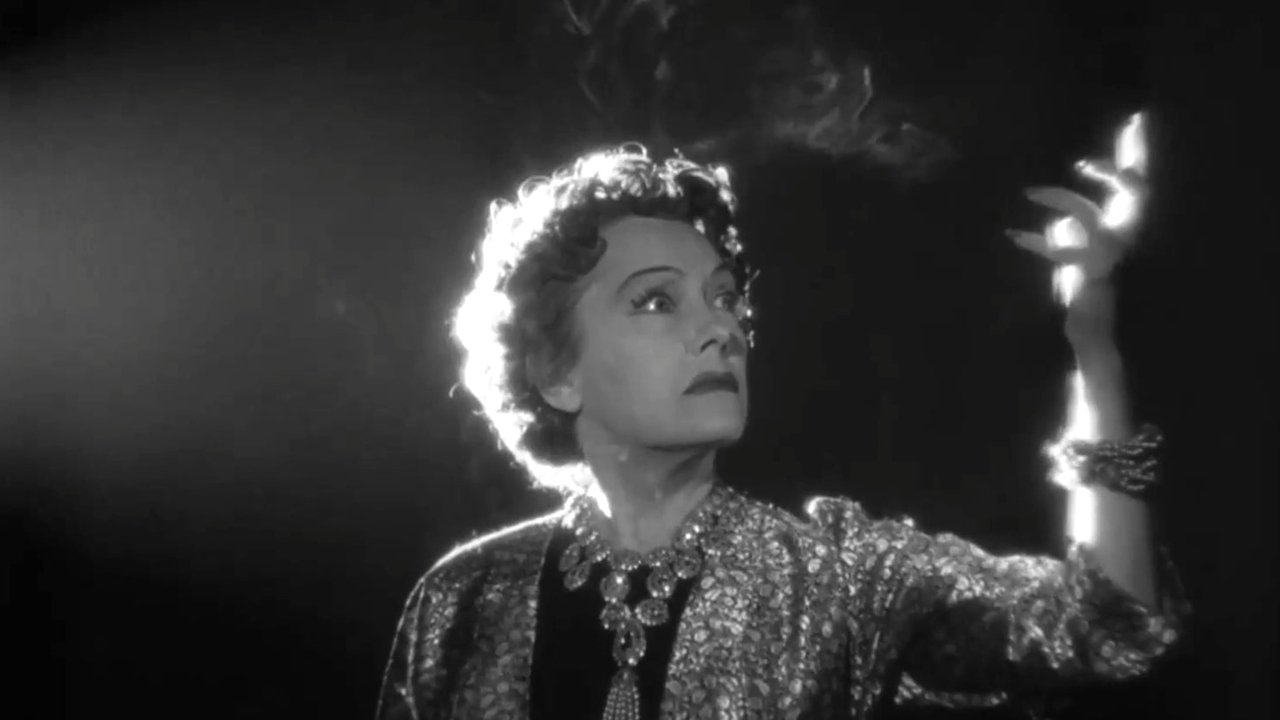
What fascinates me most about Sunset Boulevard is the sheer guts it took to make it. This was 1950, the height of the studio system, and Billy Wilder decided to make a movie for Paramount Pictures that essentially called Paramount a meat grinder. There’s a scene where Norma visits the studio and meets the legendary director Cecil B. DeMille (playing himself). The way the light hits her as she stands on the set is heartbreaking because you realize the industry has moved on, and it doesn't care who it leaves behind.
Even the casting of Max, Norma’s devoted butler, is a stroke of cruel genius. He’s played by Erich von Stroheim, who, in real life, was a visionary silent film director who actually directed Gloria Swanson in the ill-fated Queen Kelly (1929). In the film, Max is revealed to be Norma’s first husband and the director who discovered her. When Max projects her old movies in the mansion, they are literally playing Queen Kelly. It’s a hall of mirrors where reality and fiction are so tightly wound together that you can’t tell where the movie ends and the tragedy begins.
Wilder was notoriously warned by industry moguls not to release the film. Louis B. Mayer allegedly yelled at Wilder, "You have disgraced the industry that made and fed you!" Wilder’s response? A vulgarity that I probably shouldn’t repeat here, but suffice it to say, he knew he had a masterpiece.
The Philosophy of the Image
Beyond the Hollywood satire, there’s a deeper, more philosophical dread at work here. The film grapples with the terrifying idea that we are only as real as the image people have of us. Norma Desmond doesn't exist without an audience. Without the "wonderful people out there in the dark," she is just a ghost haunting a house full of her own photographs.
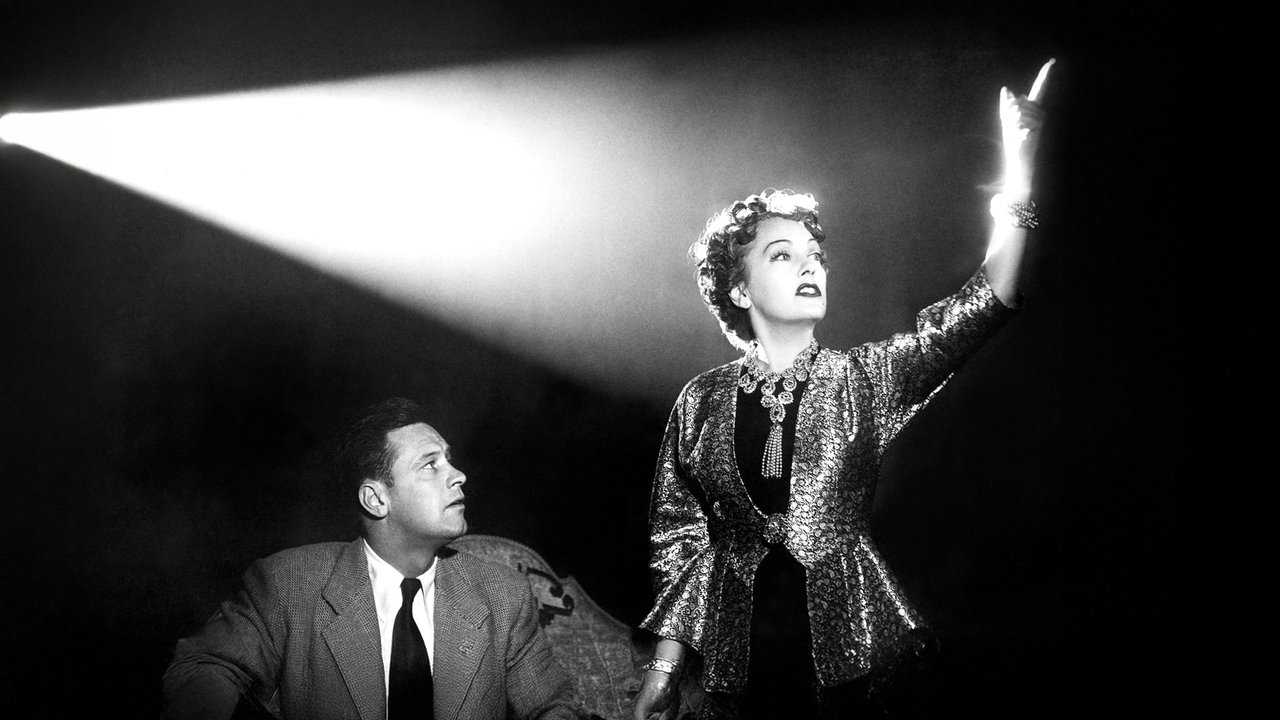
William Holden's Joe Gillis is the perfect foil because he thinks he’s too smart to be caught in her web. He views her with a mix of pity and disgust, yet he stays for the silk shirts and the free room and board. Joe Gillis is the original "sugar baby" gone wrong. His relationship with the young, idealistic script reader Betty Schaefer (Nancy Olson) offers a glimpse of what his life could have been, but Joe is already too stained by the shadow of the mansion.
The cinematography by John F. Seitz is pure noir—heavy shadows, shimmering dust motes, and a suffocating sense of enclosure. It makes the mansion feel like a mausoleum. Even the "New Year's Eve" party, where Norma is the only guest and Joe is the only entertainment, feels like a funeral for a year that died decades ago.
Sunset Boulevard is a perfect film. It’s a drama that feels like a thriller, a satire that feels like a tragedy, and a ghost story where the ghost is still breathing. It captures that specific Golden Age glamour—the furs, the Isotta-Fraschini cars, the cigarette holders—and shows you the rot underneath. If you’ve ever felt like the world was moving a little too fast and leaving you in its wake, Norma Desmond’s desperate, wide-eyed stare will haunt you.
It’s a reminder that Hollywood doesn't just make stars; it consumes them. And as the film reaches its final, inevitable "close-up," you realize that we, the audience, are the ones who turned on the lights. It’s a brutal, beautiful, and utterly essential piece of cinema. Now, if you'll excuse me, I need to go see why my radiator is still screaming—I think it’s trying to tell its own story.
Keep Exploring...
-
Sabrina
1954
-
Witness for the Prosecution
1957
-
The Apartment
1960
-
Double Indemnity
1944
-

Some Like It Hot
1959
-
It's a Wonderful Life
1946
-
The Treasure of the Sierra Madre
1948
-

All About Eve
1950
-
High Noon
1952
-
Rebel Without a Cause
1955
-

Roman Holiday
1953
-

Bicycle Thieves
1948
-
Seven Samurai
1954
-
The 400 Blows
1959
-
The Seven Year Itch
1955
-
The Grapes of Wrath
1940
-

Citizen Kane
1941
-
Casablanca
1943
-

Laura
1944
-
12 Angry Men
1957