A Streetcar Named Desire
"Where the heat of New Orleans meets a cold, hard truth."
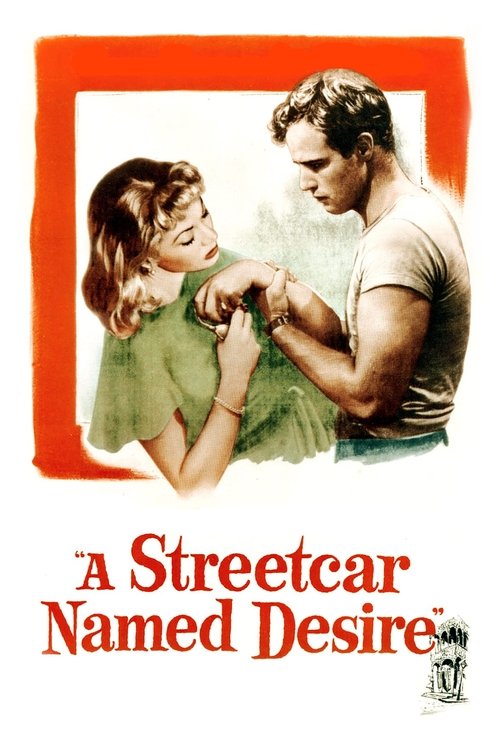
The air in New Orleans is heavy. It’s the kind of humidity that sticks to your skin like a guilty conscience, making every movement feel like a chore and every word feel like a threat. When I first popped this disc into my player—a copy I’d borrowed from a local library that smelled perpetually of wet wool and stale coffee—I felt like I needed a shower within the first ten minutes. That’s the magic of Elia Kazan’s 1951 masterpiece: you don't just watch it; you breathe in its grime.
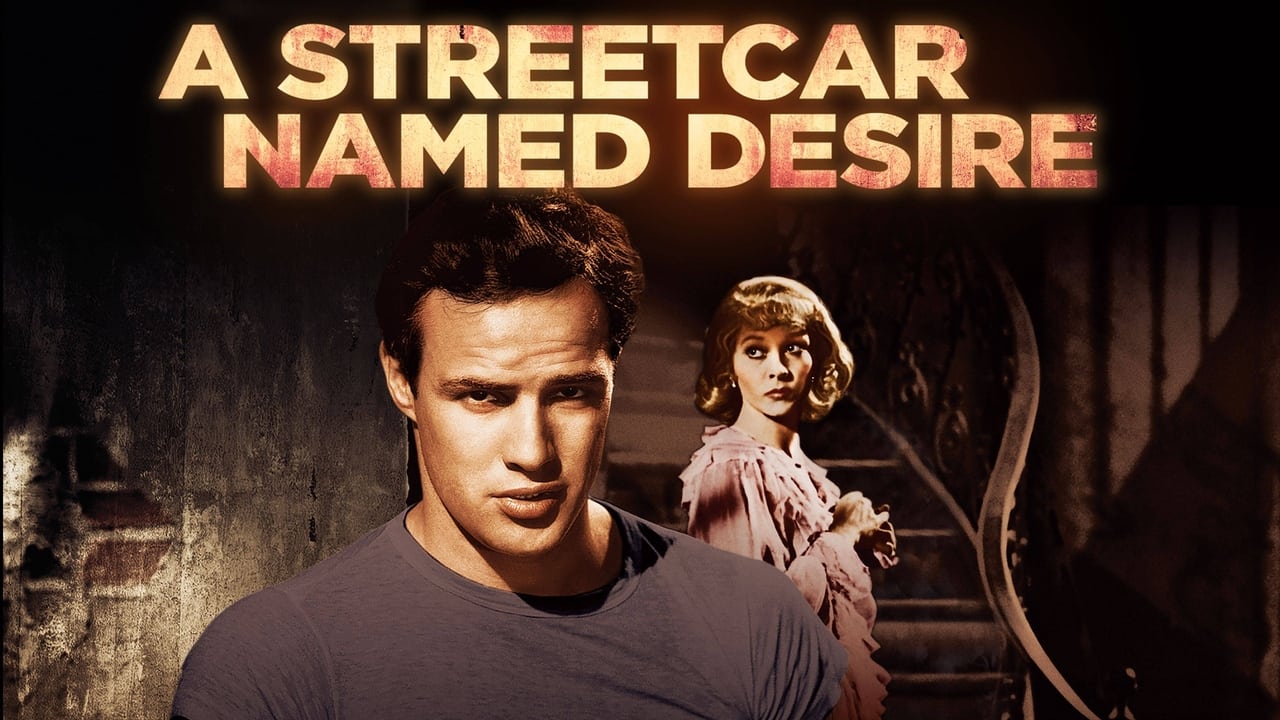
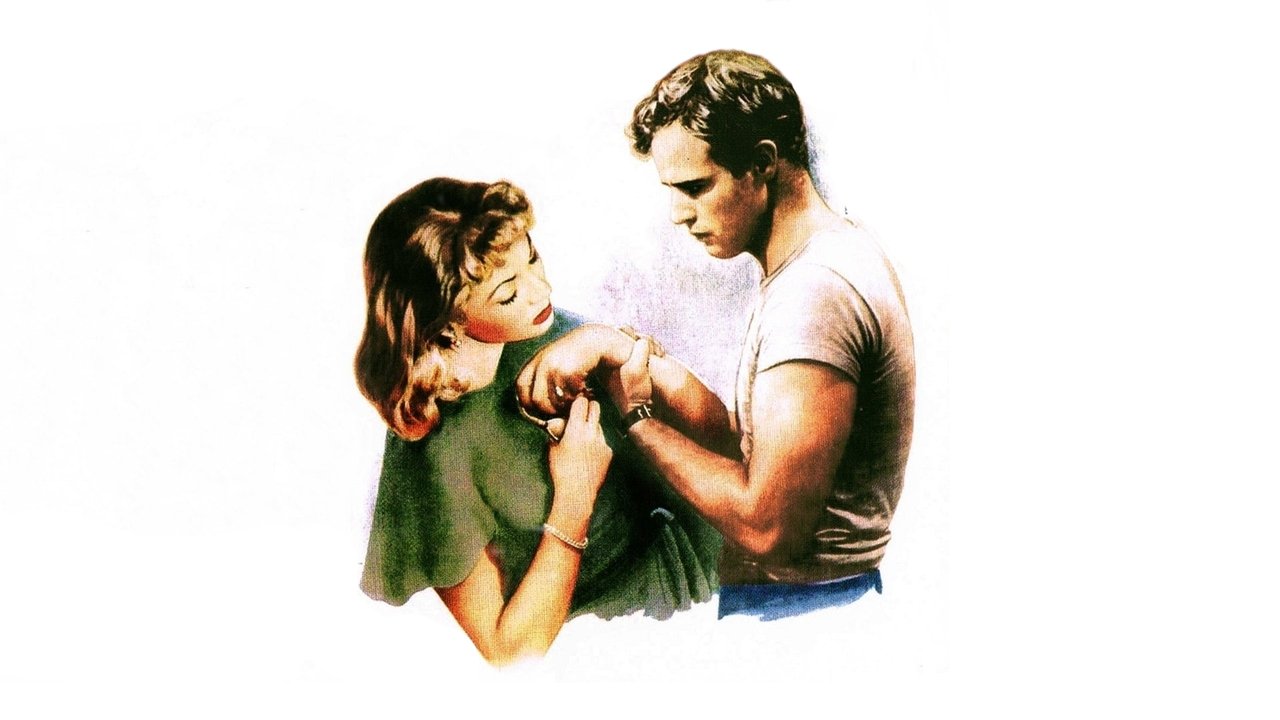
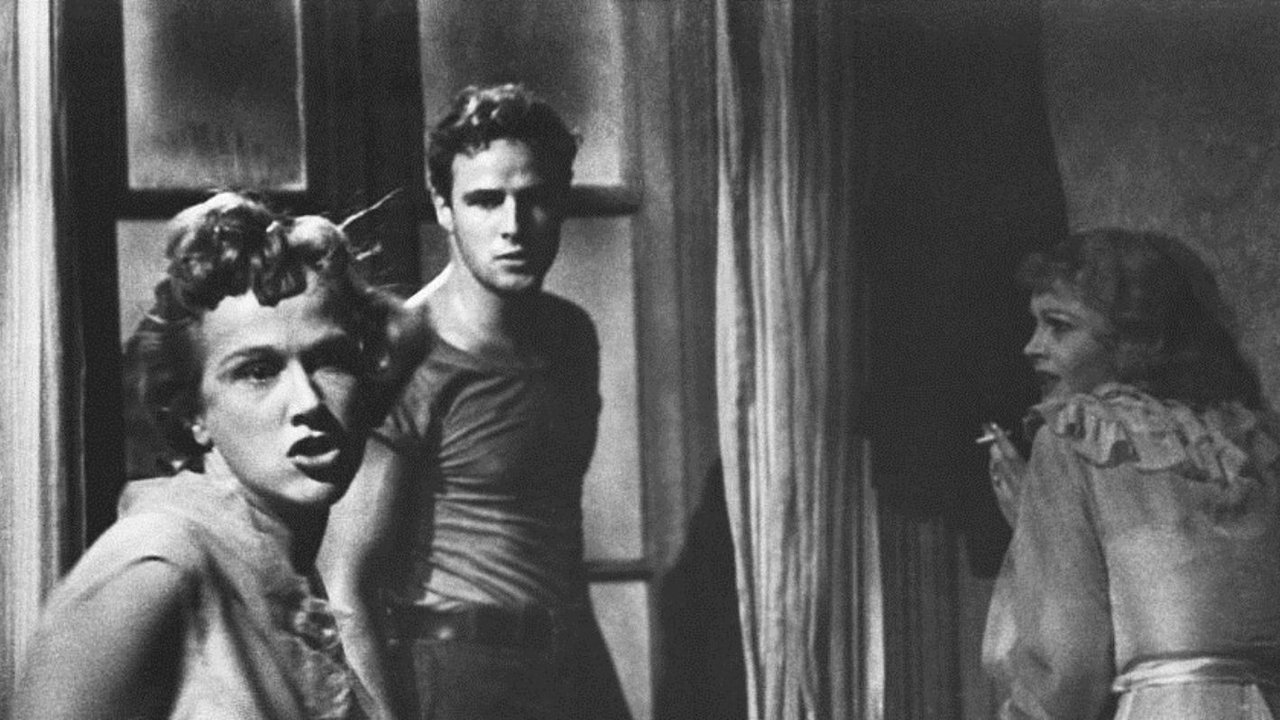
A Streetcar Named Desire is more than just a movie; it’s the exact moment when the tectonic plates of Hollywood acting shifted and cracked. On one side, you have the old guard, represented by the ethereal, hauntingly fragile Vivien Leigh as Blanche DuBois. On the other, you have the future—a raw, mumbling, and terrifyingly magnetic Marlon Brando as Stanley Kowalski. Watching them share a screen is like watching a porcelain doll being thrown into a trash compactor.
The T-Shirt That Shook the World
It’s hard to overstate how much Marlon Brando messed with people’s heads in 1951. Before this, leading men were polished, their diction was perfect, and their suits were pressed. Then comes Stanley, stalking into a cramped apartment in a sweat-stained undershirt, scratching himself and yelling for "Stell-ahhh!" with a primal desperation that felt dangerously real.
I’ve always felt that Stanley Kowalski is the patron saint of toxic masculinity before we had a word for it. He’s a brute, yes, but Brando gives him this animalistic vulnerability that makes you understand why Kim Hunter’s Stella can’t seem to leave him. Kim Hunter is often the unsung hero of this film; she plays the middle ground, the bridge between Blanche’s delusions and Stanley’s harsh reality. She won an Oscar for it, and rightfully so—she manages to make Stella’s "narcotized" devotion to her husband feel grounded rather than pathetic.
The production was a pressure cooker. Elia Kazan, who also directed the Broadway play, famously had the set walls built on hinges so they could be moved inward as the film progressed. By the final act, the apartment is literally smaller than it was at the beginning, mirroring Blanche’s claustrophobic descent into madness. It’s a subtle trick, but it works on your subconscious, making the viewer feel just as trapped as the characters.
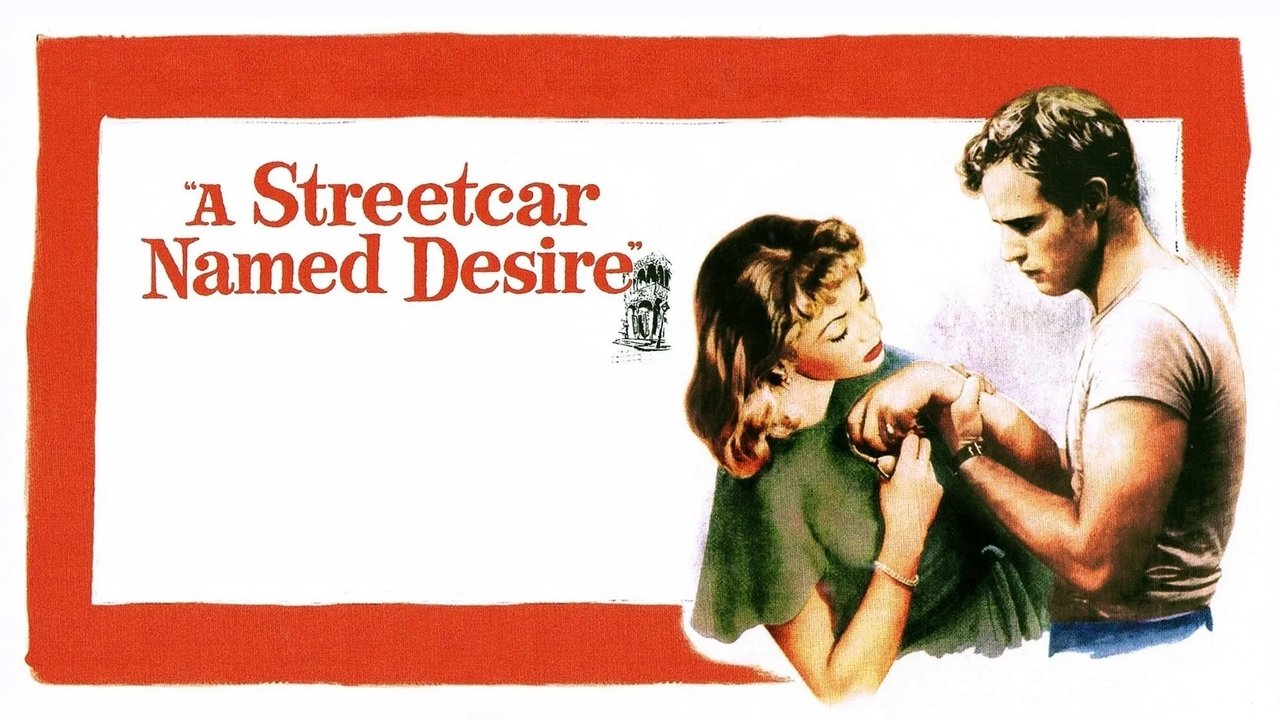
Chipped China and Southern Shadows
Then there is Vivien Leigh. If you only know her as the fiery Scarlett O’Hara from Gone with the Wind, Blanche is going to break your heart. She’s essentially playing the "after" picture of a Southern Belle. While Brando was the face of the new "Method" acting, Leigh brought a different kind of intensity. She had played the role on the London stage under the direction of her then-husband Laurence Olivier, and by the time cameras rolled for the film, she was reportedly struggling with her own mental health.
That real-world fragility bleeds into every frame. When she tells Karl Malden (who plays the gentle but ultimately weak Mitch) that she "wants magic," you can see the cracks in her mask. Karl Malden is fantastic here, providing the only glimmer of hope for Blanche before Stanley systematically snuffs it out. The scene where Stanley "clears the air" by revealing Blanche’s past is one of the most uncomfortable sequences in cinema history. It’s not just a plot point; it’s an execution.
Dancing Around the Code
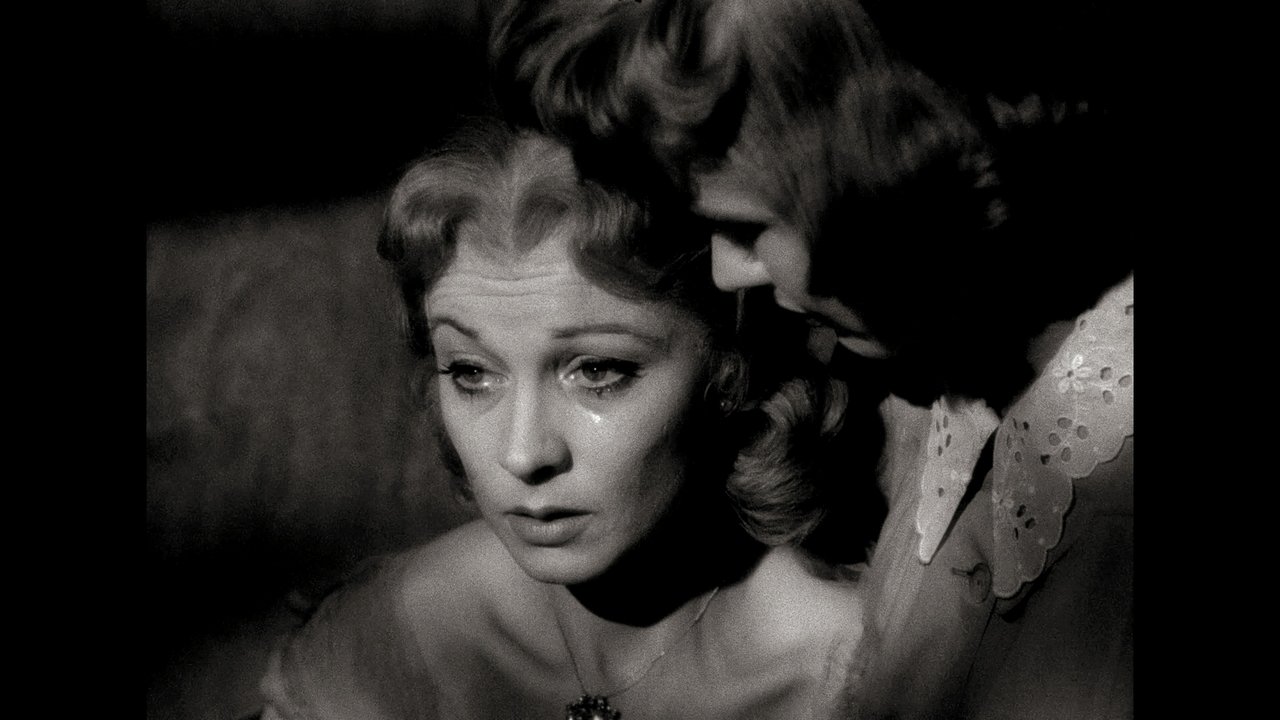
One of the most fascinating things about watching Streetcar today is realizing how much they had to hide. The "Production Code" (the censors of the time) was a nightmare for Tennessee Williams. In the original play, the reason for Blanche’s husband’s suicide was his closeted homosexuality. In the movie, it’s vaguely attributed to "nerves" or "weakness," yet somehow, the tragedy still lands.
The infamous climax—the assault on Blanche—was another hurdle. The censors wouldn't let Kazan show it directly, so he used a smashed mirror and a terrifyingly jagged edit to imply the violence. Honestly, the implication is scarier than anything they could have shown. It leaves the horror to your imagination, which is a far darker place. Even the ending was tweaked; the Code demanded that Stanley be punished, so Stella has to say she’s leaving him, though the way she clutches her baby as she runs suggests a cycle that isn't easily broken.
The score by Alex North deserves a mention too. It was the first major film score to use jazz as a structural element rather than just background noise. It’s brassy, dissonant, and seductive—much like the city of New Orleans itself. It pulses through the film like a fever.
This isn't a "fun" movie. You aren't going to finish it feeling uplifted or ready to take on the world. But you will finish it knowing you’ve seen something vital. It’s a collision of acting styles that changed the way we tell stories on screen, anchored by four powerhouse performances that haven't aged a day. If you can handle the heat, hop on the streetcar. Just don't expect a smooth ride.
Keep Exploring...
-

On the Waterfront
1954
-
The Day the Earth Stood Still
1951
-
Touch of Evil
1958
-
The Wages of Fear
1953
-
Rope
1948
-
The Night of the Hunter
1955
-
The Big Sleep
1946
-
Strangers on a Train
1951
-
To Catch a Thief
1955
-
The Man Who Knew Too Much
1956
-
The Maltese Falcon
1941
-
Double Indemnity
1944
-
Diabolique
1955
-
Shadow of a Doubt
1943
-
Notorious
1946
-
Dial M for Murder
1954
-
Rear Window
1954
-

Invasion of the Body Snatchers
1956
-
The Killing
1956
-
Deliverance
1972