Alice in Wonderland
"A Technicolor trip where logic goes to die."
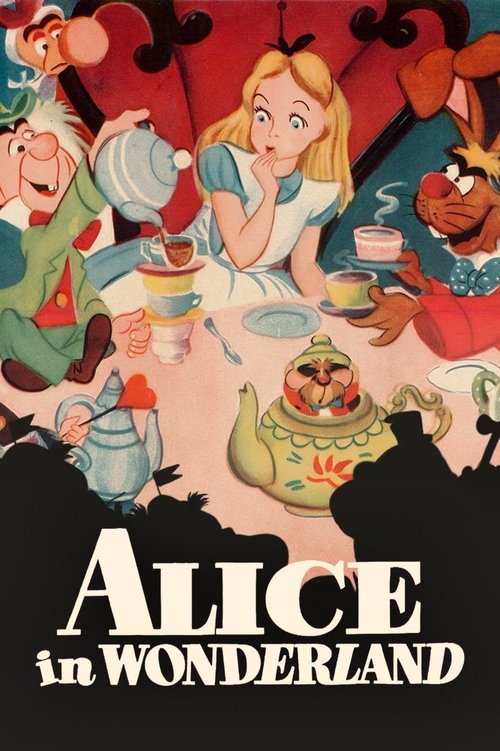
In 1951, Walt Disney released a film that felt less like a cohesive narrative and more like a beautifully animated fever dream, and the world—initially, at least—wasn't quite sure what to do with it. While other Disney classics of the Golden Age like Cinderella (1950) were busy winning hearts with tidy romances and clear-cut villains, Alice in Wonderland arrived like a loud, colorful gate-crasher at a black-tie gala. It’s a film that trades sentimentality for pure, unadulterated nonsense, and honestly, it’s the most punk-rock thing the studio ever produced in its first forty years.
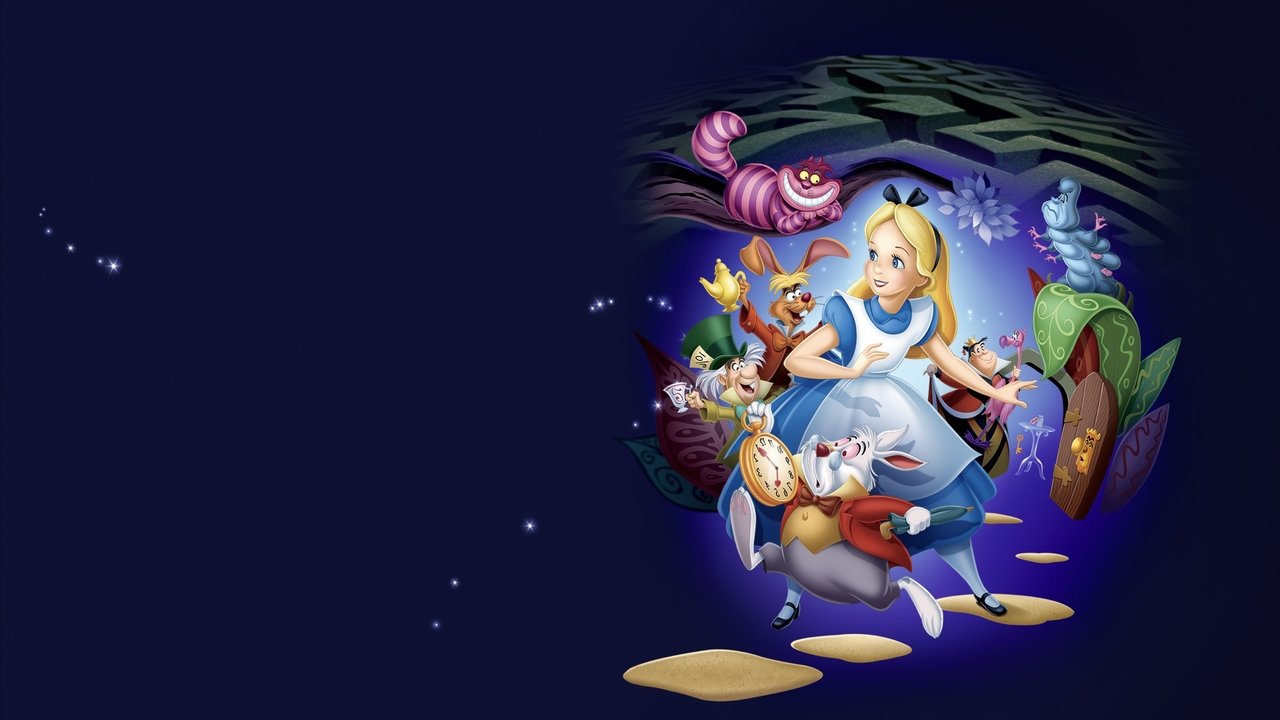
A Road Trip Through a Fever Dream
Adventure films usually give you a map, a compass, and a clear destination. Alice, however, just gets a rabbit in a waistcoat and a very long fall. What makes this such a compelling adventure is that the "goal" is constantly shifting. One minute Alice is trying to find the White Rabbit; the next, she’s just trying to maintain her physical dimensions without growing into a giant or shrinking to the size of a pebble.
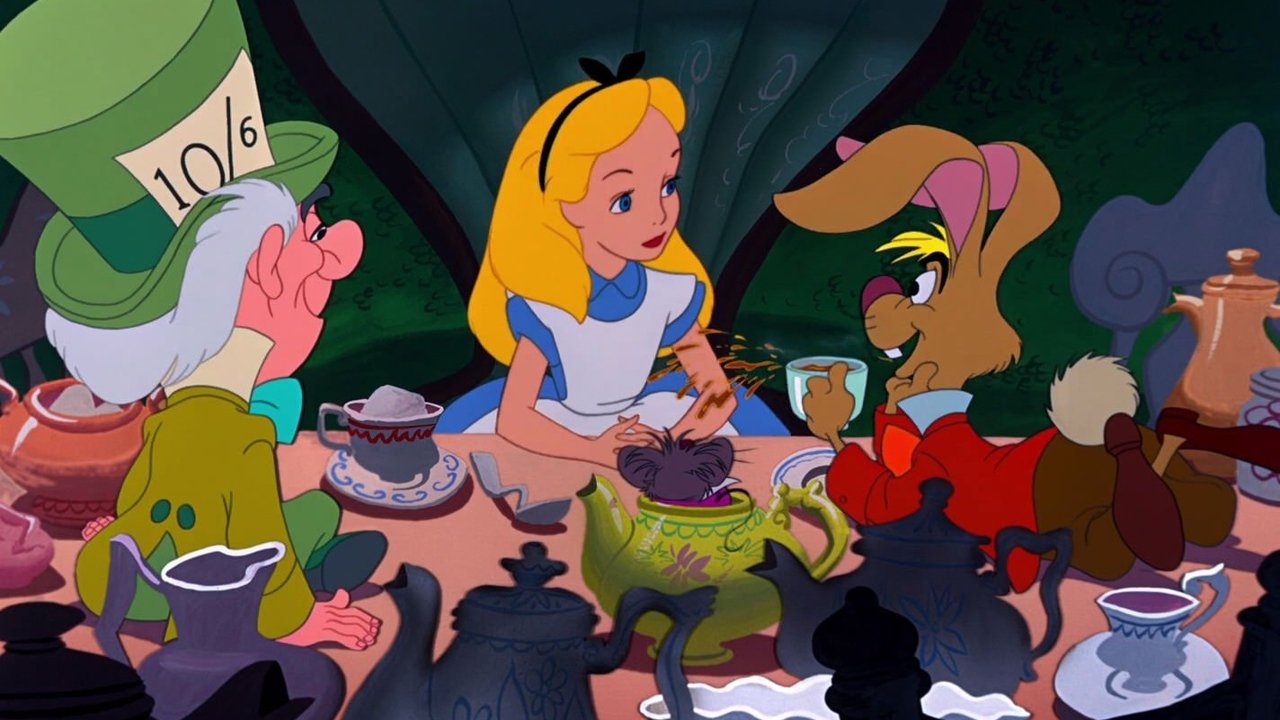
I watched this recently while trying to assemble a very complicated flat-pack bookshelf, and the sheer chaotic energy of the Mad Tea Party felt like a mirror to my own domestic frustration. There’s something deeply relatable about Alice’s plight. She’s not a chosen one or a warrior; she’s just a kid who is rightfully annoyed that everyone she meets is a complete idiot.
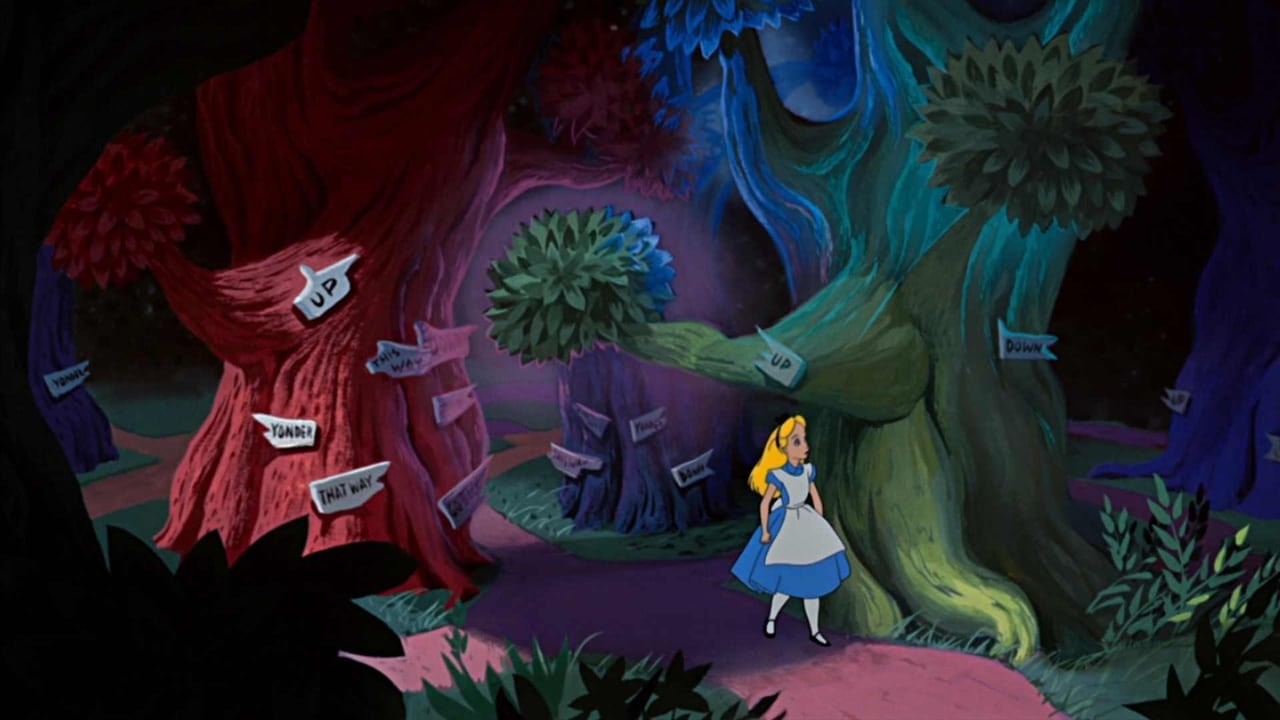
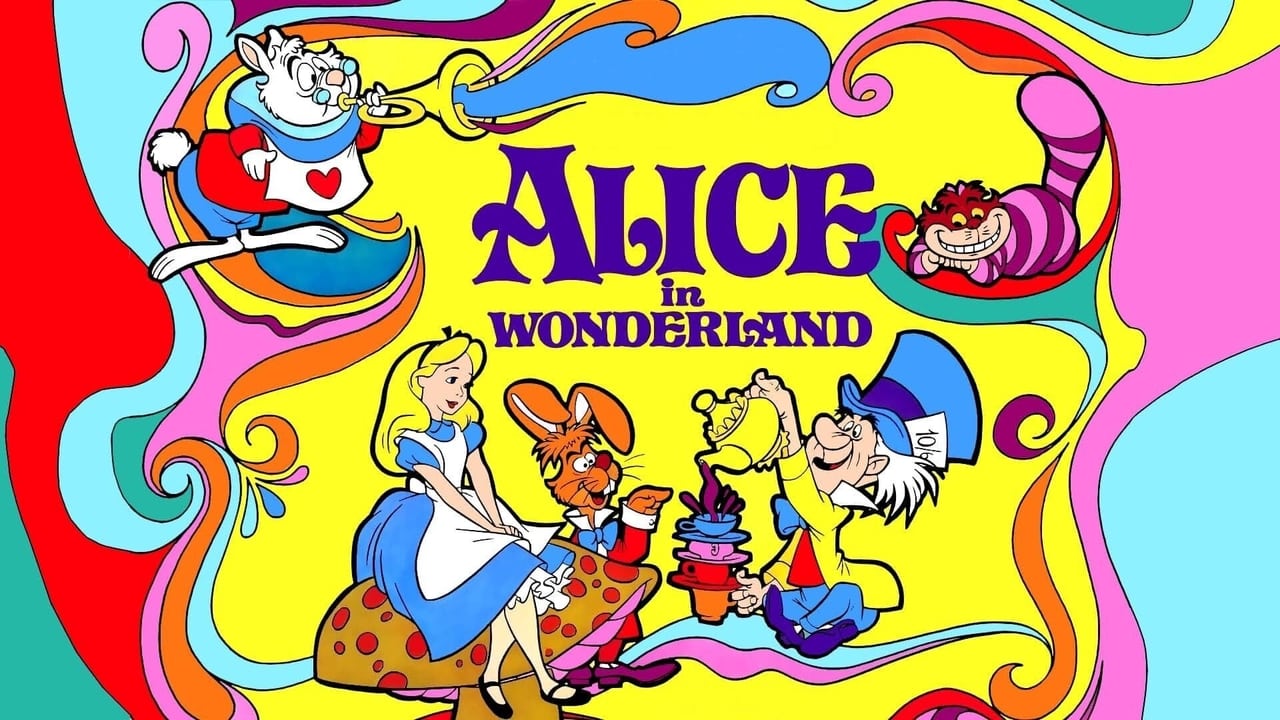
The world-building here is top-tier studio craftsmanship. This was the peak of the Technicolor era, and the saturation levels are high enough to make your teeth ache. The background art, influenced heavily by the legendary Mary Blair (who also worked on Peter Pan), moves away from the realism of Bambi and into a sharp, angular surrealism that defines the film's "cult" appeal. It’s the kind of visual feast that explains why college students in the late 1960s rediscovered this movie and turned it into a counter-culture staple. They thought it was "trippy," but it turns out Walt was just being faithful to the weirdness of Lewis Carroll.
The Voices of Wonderland
The casting is where the Golden Age studio system really flexes. Kathryn Beaumont provides the perfect voice for Alice—polite, curious, but possessed of a sharp British "done-with-this" attitude that keeps the character from being a wet blanket. But the show is stolen by the character actors. Ed Wynn (who would later appear in Mary Poppins) as the Mad Hatter and Jerry Colonna as the March Hare are a comedy duo for the ages.
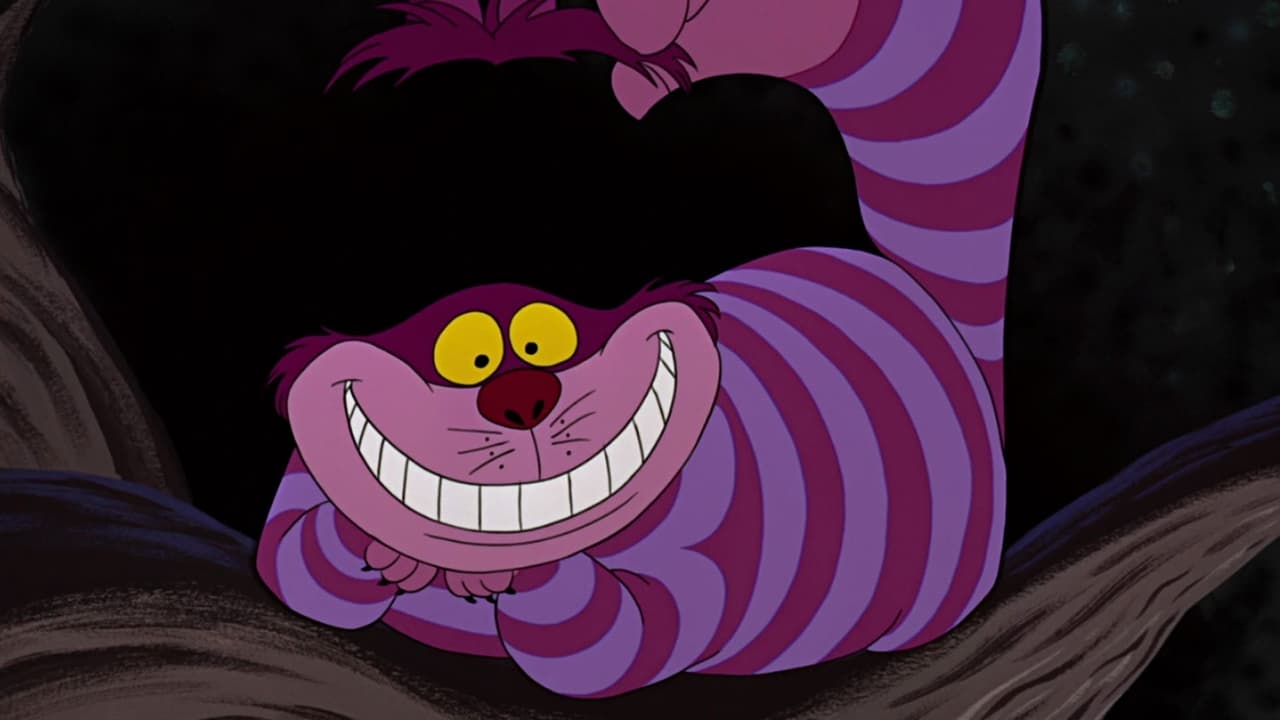
Apparently, their recording session for the tea party was so chaotic that the animators actually filmed them performing to capture their frantic gestures. The Mad Hatter’s tea party is essentially a jazz improvisation in cartoon form. Then you have Sterling Holloway, the voice of the Cheshire Cat, who brings a laid-back, sinister charm that makes you wonder if the cat is the hero or the true villain of the piece.
And let's talk about the Queen of Hearts. Verna Felton delivers a performance that is essentially a vocalization of high blood pressure. She is loud, irrational, and terrifying—a perfect encapsulation of the "unfair adult" that every child fears. The climax, a frantic croquet game using flamingoes and hedgehogs, is a masterpiece of pacing. It builds and builds until the logic of the world literally snaps, forcing Alice to realize that her enemies are nothing more than a deck of cards and a fragile ego.
The Stuff You Didn’t Notice
The road to Wonderland was actually a twenty-year slog for Walt Disney. He had been trying to get an Alice movie off the ground since the 1930s, originally envisioning it as a live-action/animation hybrid starring Mary Pickford. I’m glad he waited; the full animation allows for a fluidity that live-action tech in the 40s could never have touched.
If you look closely at the Caterpillar scene—voiced by the wonderfully pompous Richard Haydn—you’ll notice that his smoke rings actually form the letters of the words he’s speaking. It’s a tiny, expensive detail that serves no purpose other than to show off the animators' skill, and I love it for that. Also, keep an ear out for the "A-E-I-O-U" song; it’s one of several tracks that didn't make it into the final cut of the film’s initial theatrical release but became iconic later.
Initially, the film was a bit of a box office dud. Critics felt it lacked "heart." But that’s exactly why I enjoy it. It doesn't try to teach you a moral lesson or make you cry over a dead parent. It just takes you on a journey where the only rule is that there are no rules. It’s an adventure that celebrates the irrational, which feels like a breath of fresh air compared to the sanitized, focus-grouped adventures we often get today.
The 1951 Alice in Wonderland is a Technicolor marvel that proves the Golden Age of Hollywood wasn't just about glamour and prestige—it was also about taking massive, weird risks. It’s a fast-paced 75 minutes that never slows down long enough for you to ask "Why?" and by the time the credits roll, you won't care. It’s the ultimate "vibe" movie from an era that didn't even have a word for it yet. If you haven't tumbled down this particular rabbit hole lately, it’s time to go back. Just don't expect any of it to make sense.
Keep Exploring...
-
Peter Pan
1953
-

Lady and the Tramp
1955
-
Sleeping Beauty
1959
-
Cinderella
1950
-
Fantasia
1940
-
Pinocchio
1940
-
Dumbo
1941
-
One Hundred and One Dalmatians
1961
-

Snow White and the Seven Dwarfs
1938
-
Anastasia
1997
-
Hercules
1997
-

The Emperor's New Groove
2000
-
The Road to El Dorado
2000
-
Treasure Planet
2002
-

Sinbad: Legend of the Seven Seas
2003
-

The Polar Express
2004
-
Brave
2012
-
Rise of the Guardians
2012
-
Epic
2013
-
The Book of Life
2014