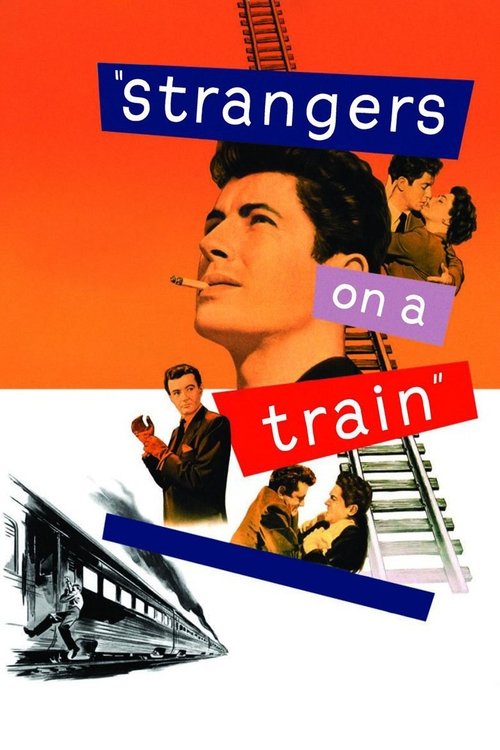
Strangers on a Train
"Two strangers. Two murders. One deadly trade."
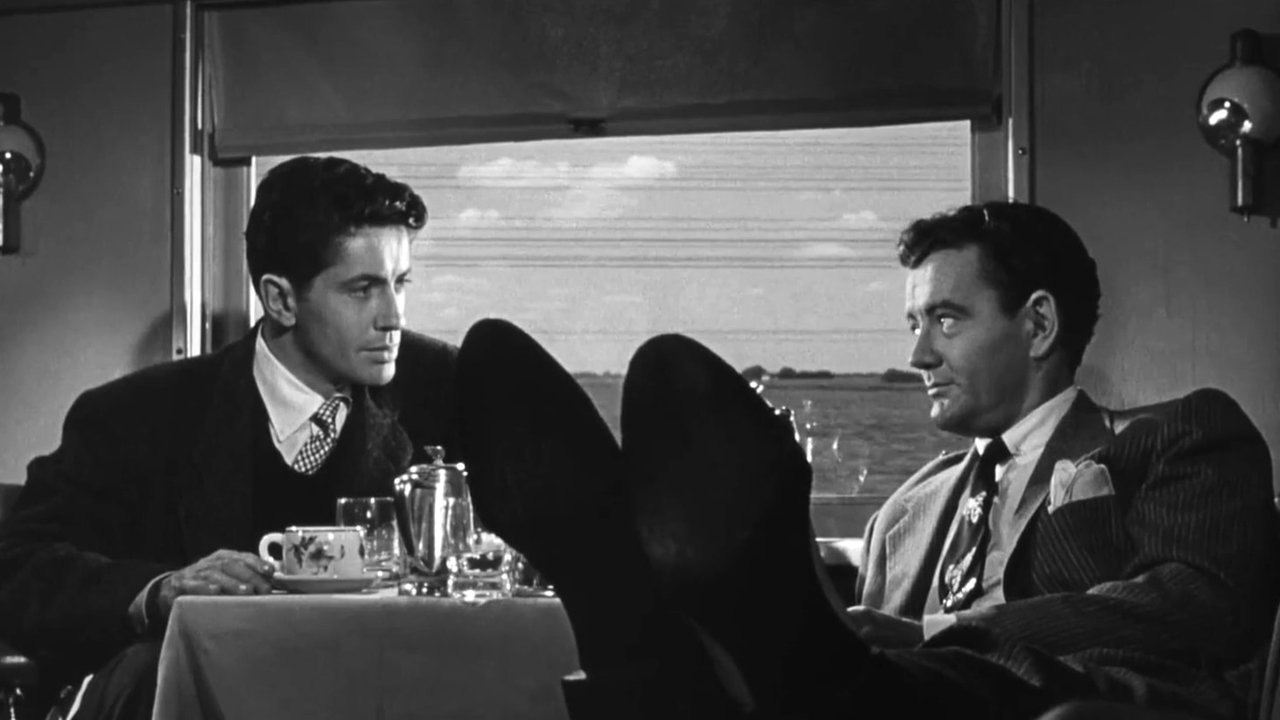
It’s all in the shoes. Alfred Hitchcock starts this 1951 nightmare not with a face or a line of dialogue, but with two pairs of footwear moving through a train station. One pair is sensible, sturdy, and belongs to a man with a plan; the other is loud, decorative, and belongs to a man who is utterly unhinged. When those shoes accidentally bump under a dining car table, it isn't just a clumsy moment—it’s the gears of fate grinding together. I watched this most recent time on a humid Tuesday while my neighbor was power-washing his driveway, the rhythmic thrum of his machine providing a weirdly appropriate industrial heartbeat to the mounting dread on screen.
The Charisma of a Sociopath
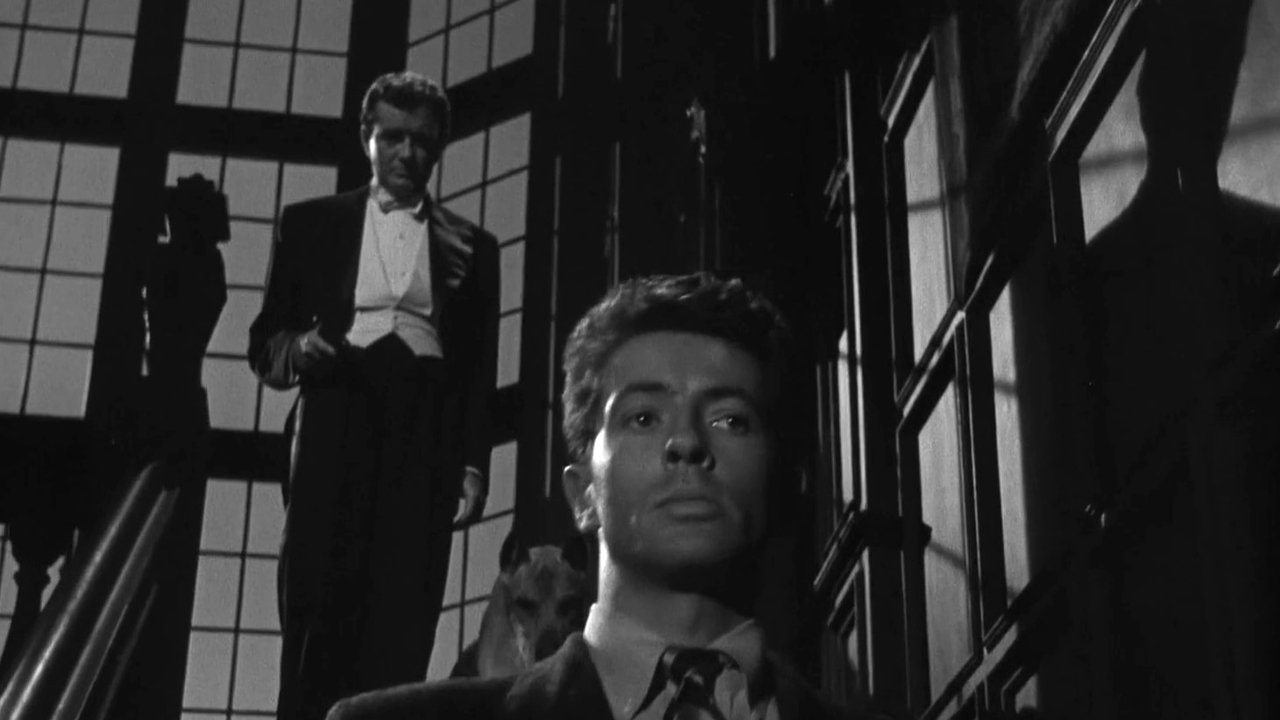
The "sensible" shoes belong to Farley Granger (who you might recognize from Hitchcock’s experimental Rope), playing Guy Haines, a tennis pro looking to trade his racket for a political career. The "loud" shoes belong to Bruno Antony, played by Robert Walker in a performance so magnetically repulsive it practically leeches the oxygen out of the room. Bruno is a spoiled, mother-obsessed dandy who hates his father and has a "theory" about the perfect crime: two strangers meet, swap murders, and since there’s no motive connecting the killer to the victim, nobody ever gets caught. "Criss-cross," as Bruno calls it.
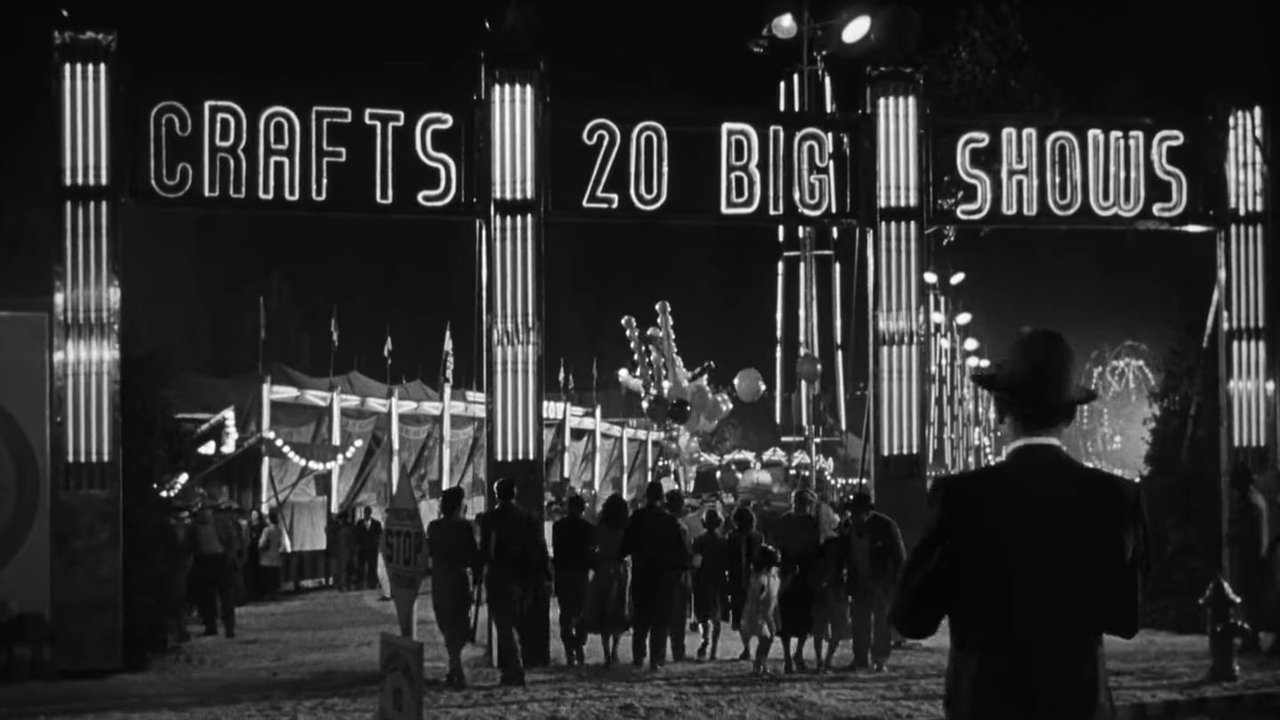
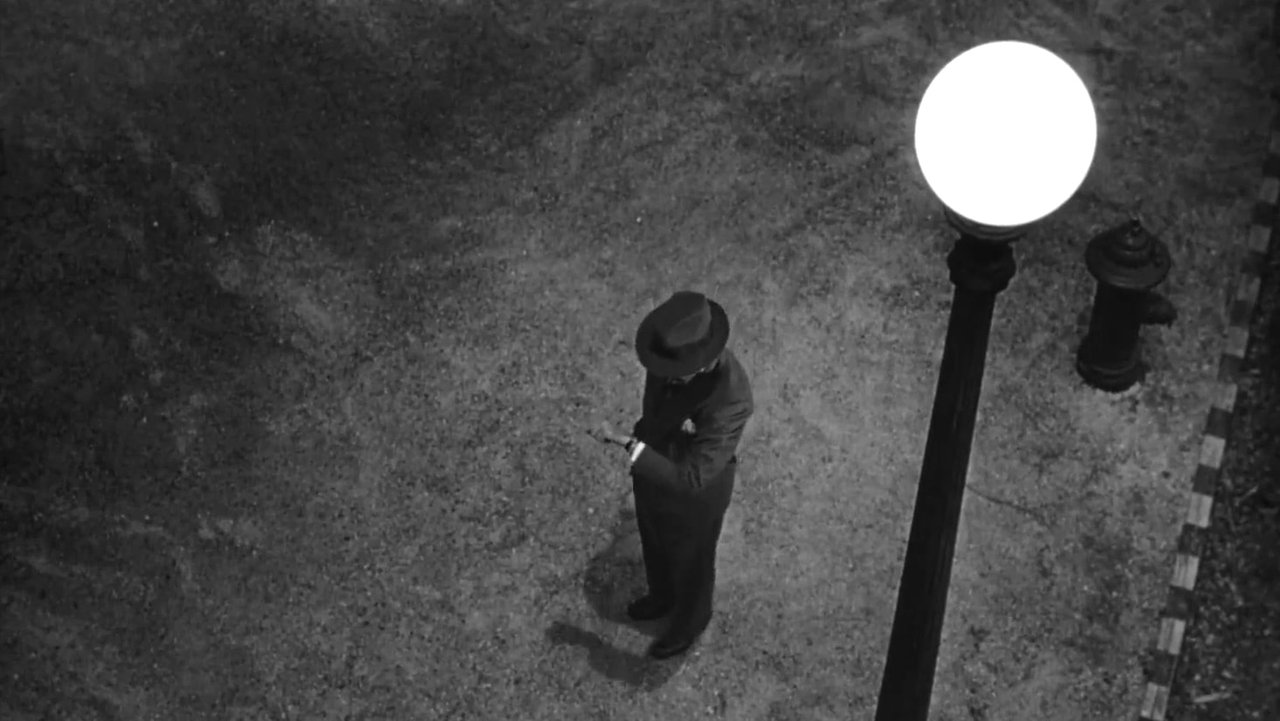
Guy thinks it’s just colorful chatter from a bored eccentric. Bruno, however, is a man of his word. While Guy is busy navigating a messy divorce from his unfaithful wife Miriam (Kasey Rogers), Bruno is busy stalking through an amusement park with a lethal intent that Guy hasn't even begun to process. The brilliance of the film lies in the power imbalance. Guy is reactive, weak, and—let’s be honest—Farley Granger has the emotional range of a very handsome teaspoon compared to the lightning-in-a-bottle energy Robert Walker brings. Walker’s Bruno is a precursor to the "charming monster" archetype that would later give us Norman Bates and Hannibal Lecter. He’s the guy you’d hate to be stuck with at a dinner party, not because he’s boring, but because he’d probably figure out your deepest secret before the appetizers arrived.
Shadows, Tennis, and the Production Code
Hitchcock was operating at the peak of his powers here, turning a script co-written by hard-boiled legend Raymond Chandler into a visual symphony of paranoia. Chandler and Hitchcock reportedly got along like oil and water; Chandler found the director’s obsession with "cinematic logic" over "literary logic" infuriating. But looking at the result, Hitchcock was right. The way he uses Robert Burks’ cinematography to trap Guy is nothing short of predatory.
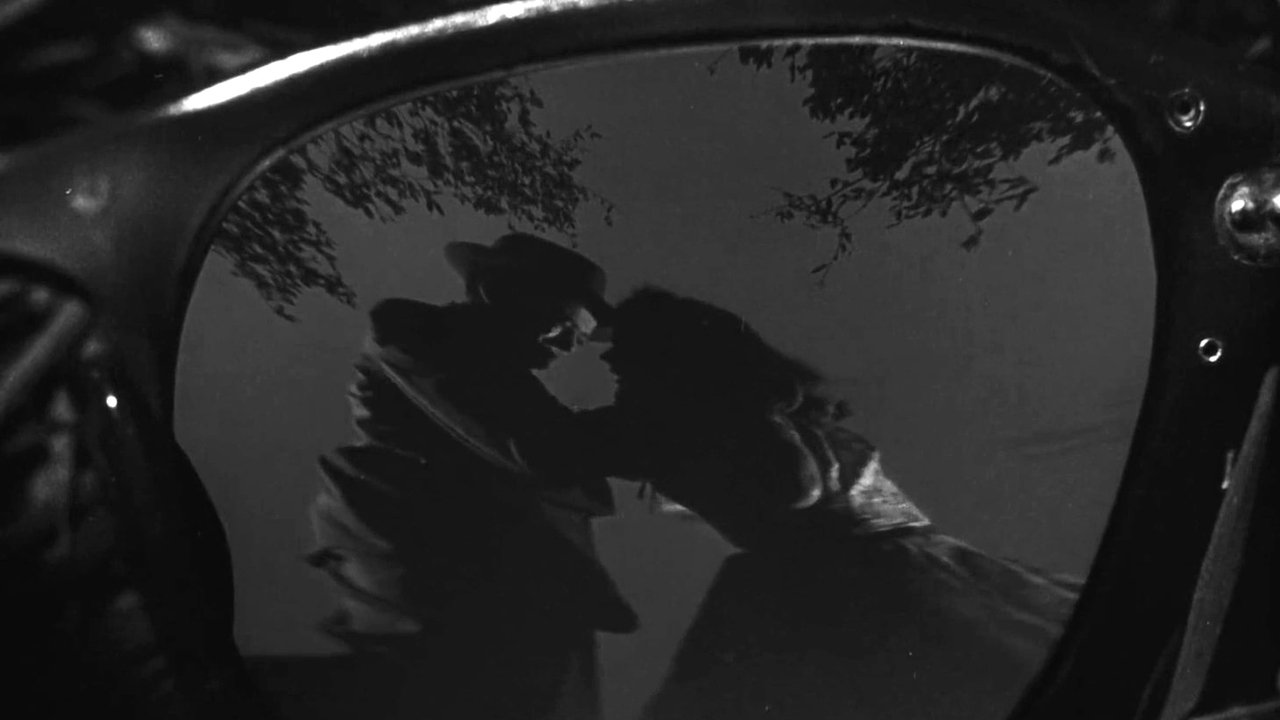
There is a famous shot during a tennis match where the entire crowd’s heads are moving back and forth following the ball—except for one. Bruno sits dead-center in the stands, his gaze fixed directly on Guy, unmoving. It’s one of the most unsettling images in 1950s cinema. Then there’s the murder itself, captured in the reflection of a pair of thick spectacles dropped on the grass. It’s stylized, voyeuristic, and allowed Hitchcock to bypass the strict Production Code of the era, which frowned upon showing the grisly details of strangulation.
Speaking of the Code, the subtext in this film is working overtime. In the original Patricia Highsmith novel, the relationship between the two men is even more explicitly blurred, but Hitchcock and his writers had to dance. They turned Bruno into a flamboyant, obsessive stalker, creating a "dark double" dynamic where Bruno acts out the violent impulses Guy is too "civilized" to admit he has. It’s a psychological tug-of-war that makes the thriller elements feel heavy with a sense of moral rot.
The Carousel of Chaos
The finale of Strangers on a Train is a piece of Hollywood history that still feels dangerous to watch. A runaway carousel, spinning at lethal speeds, serves as the stage for the final confrontation. This wasn't CGI or clever green screen; Hitchcock had a stuntman actually crawl under the moving platform of a real, accelerating carousel. If the man had lifted his head an inch too high, it would have been a real-life tragedy. That tangible sense of physical risk bleeds through the screen.
Beyond the thrills, the film is a fascinating look at the Warner Bros. studio machine. You’ve got Leo G. Carroll (a Hitchcock regular) providing the dignified political backdrop and Patricia Hitchcock, the director’s daughter, stealing scenes as Babs, the perceptive sister who realizes Bruno’s eyes look a bit too much like a killer's. The score by Dimitri Tiomkin keeps the tension at a boiling point, even when the plot occasionally asks you to ignore the fact that Guy is remarkably bad at calling the police.
It’s a tragedy of the era that Robert Walker died just months after the film’s release at the age of 32. He left behind a performance that serves as the definitive blueprint for the cinematic psychopath—one who doesn’t lurk in the bushes, but sits right across from you on the train and offers you a drink. Hitchcock’s "criss-cross" remains a lean, mean exercise in suspense that proves the most terrifying things in life often start with a simple, polite conversation. If a stranger ever asks you about your theories on the perfect murder, just get off at the next stop.
Keep Exploring...
-
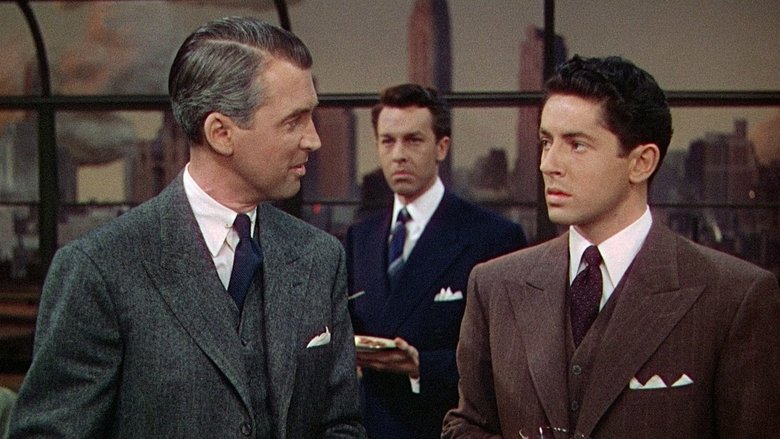
Rope
1948
-
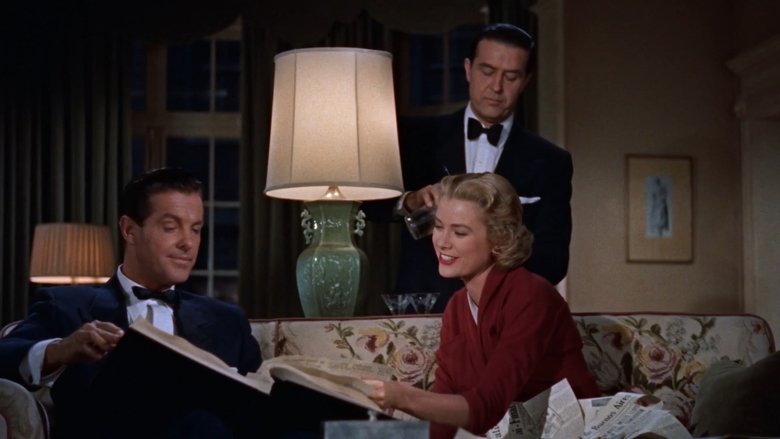
Dial M for Murder
1954
-
To Catch a Thief
1955
-
The Man Who Knew Too Much
1956
-
Double Indemnity
1944
-
Shadow of a Doubt
1943
-
Notorious
1946
-
The Big Sleep
1946
-
Rear Window
1954
-
Suspicion
1941
-
Spellbound
1945
-
North by Northwest
1959
-
Frenzy
1972
-

Rebecca
1940
-
The Maltese Falcon
1941
-
Touch of Evil
1958
-

Vertigo
1958
-
The Night of the Hunter
1955
-
The Killing
1956
-
A Streetcar Named Desire
1951