Ikiru
"Don't wait until you're dying to start living."
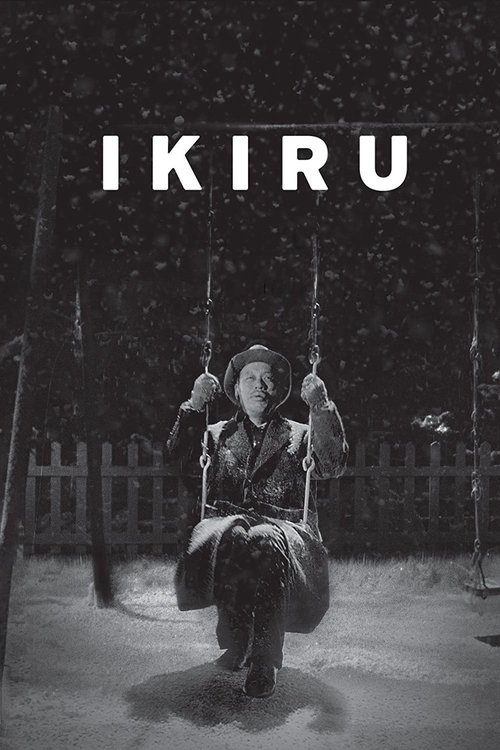
Imagine being a "mummy." Not the cool, bandage-wrapped kind that haunts pyramids and chases Brendan Fraser, but the kind that wears a drab suit and processes death certificates for thirty years without ever really blinking. That is Kanji Watanabe when we meet him. He sits behind a literal mountain of paperwork, a human stapler in a world of red tape, having achieved the ultimate bureaucratic dream: becoming completely invisible while still drawing a paycheck. I watched this film on a Tuesday night while my neighbor’s dog barked incessantly at a literal leaf, and for some reason, that domestic annoyance only heightened the existential weight of Watanabe’s silence.

Directed by Akira Kurosawa in 1952, Ikiru (which translates simply "To Live") is often overshadowed in the West by his samurai epics like Seven Samurai or Rashomon. But while those films trade in swords and cinematic revolutions, Ikiru trades in the quiet, terrifying realization that you might have wasted your one shot at existence. It is a film that demands you look in the mirror and ask, "If I had six months left, would I keep filing these spreadsheets?"
The Anatomy of a Mummy
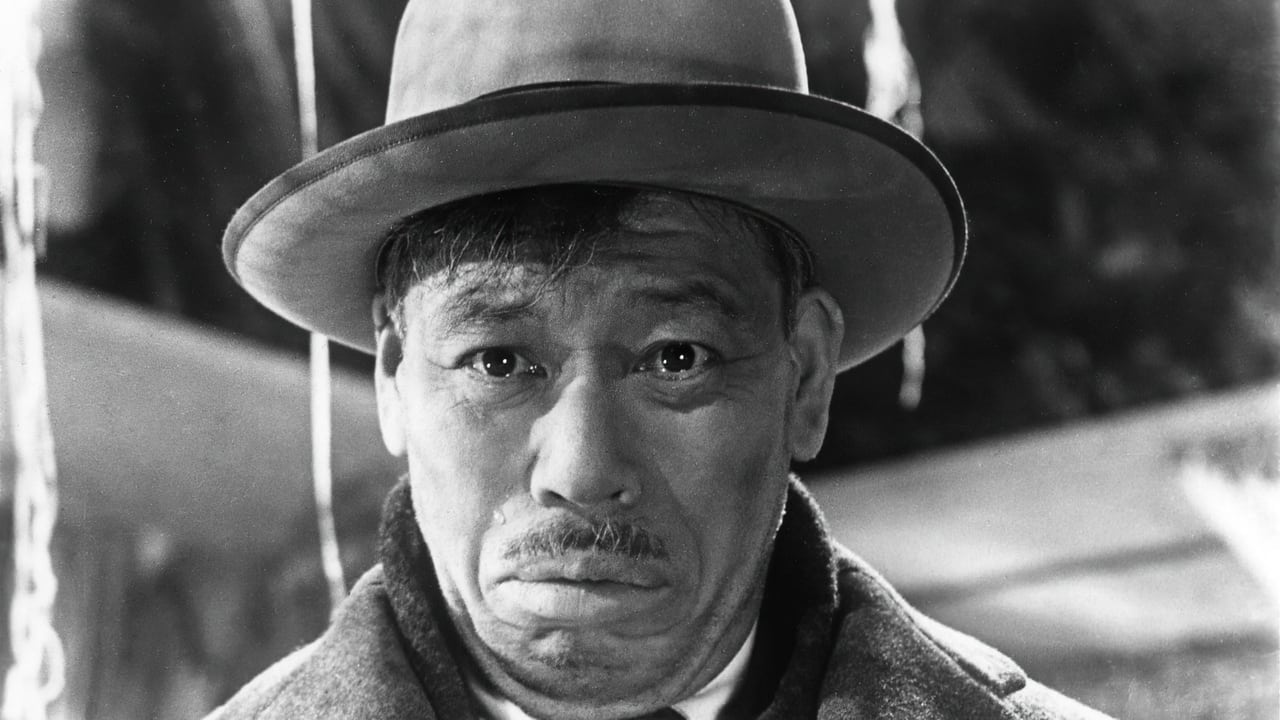
The heart of this film—and honestly, the reason it still hits like a freight train seventy years later—is the performance of Takashi Shimura. If you only know him as the stoic leader of the samurai, his transformation here will floor you. He plays Watanabe as a man who has physically shrunk under the weight of his own insignificance. He walks with a permanent hunch, his eyes are wide with a watery, rabbit-like terror, and his voice rarely rises above a parched whisper.
When Watanabe learns he has stomach cancer, he doesn't have a grand cinematic breakdown. Instead, he tries to "live" for the first time by exploring the neon-soaked nightlife of post-war Tokyo. There’s a heartbreaking sequence where he ends up in a piano bar, requesting an old song called "Gondola no Uta." As he sings about the brevity of life, the camera stays on his face, and Takashi Shimura delivers a look of such profound, naked regret that it makes the surrounding revelry look like a funeral. Watching bureaucrats try to justify their existence is the true horror genre, and Kurosawa captures it with surgical precision.
The Great Kurosawa Pivot
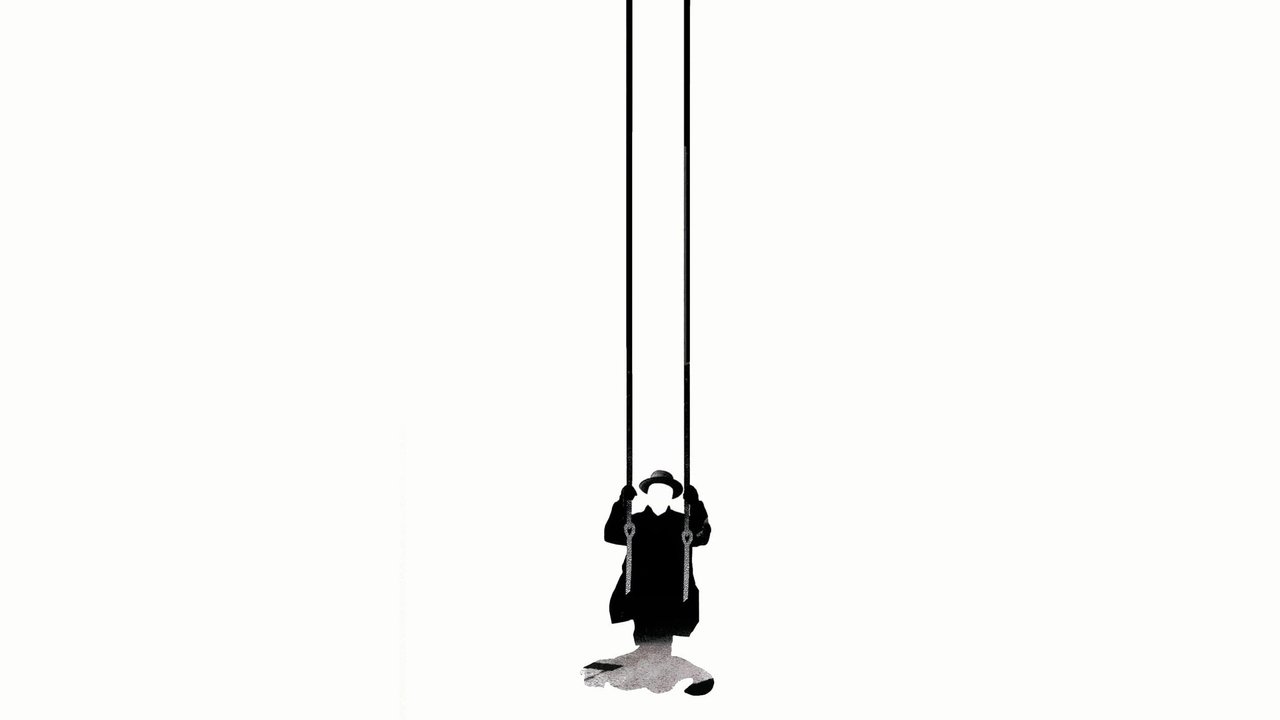
About halfway through the film, Kurosawa pulls one of the ballsiest structural moves in cinema history. I won't spoil the specifics for the uninitiated, but he essentially changes the perspective of the story to show us how the world reacts to a man who decides to stop being a "mummy." We transition from Watanabe's internal struggle to a satirical, often darkly funny look at the machinery of government.
We see his colleagues, including the sycophantic Haruo Tanaka and the dismissive Nobuo Kaneko, getting drunk at a wake and trying to piece together why the "Old Man" suddenly started acting like a human being. It’s here that the film’s cerebral side really shines. Kurosawa isn't just making a "dying man" movie; he’s critiquing a Japanese society that was struggling to find its soul after the devastation of WWII. The bureaucracy in the film serves as a metaphor for a country that had become efficient at following orders but had forgotten how to feel.
The contrast between the stiff, formal funeral and the flashbacks of Watanabe’s final crusade—trying to turn a sewage-soaked pit into a children's playground—is masterful. Kurosawa uses a young, vibrant clerk played by Miki Odagiri to act as Watanabe’s accidental muse. Her energy is the spark that makes him realize that "living" isn't about hedonism or expensive sake; it’s about leaving something behind that isn't a stamped piece of paper.
Why It Still Bites
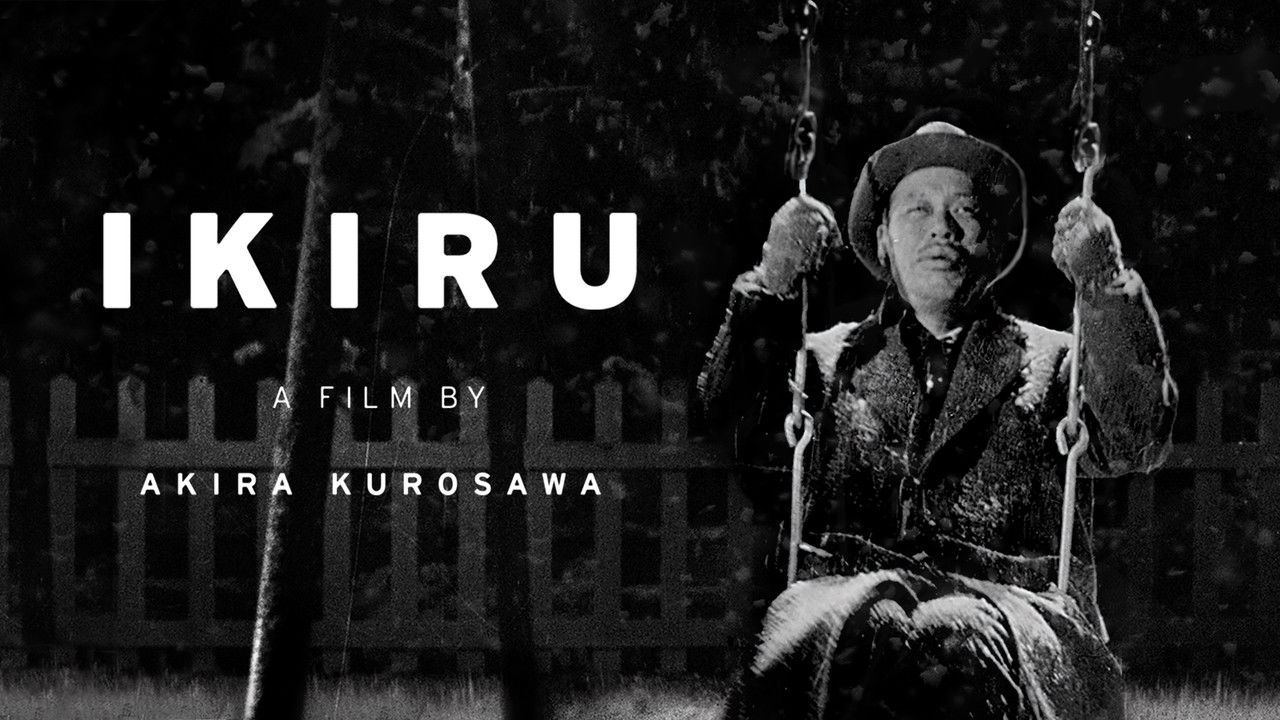
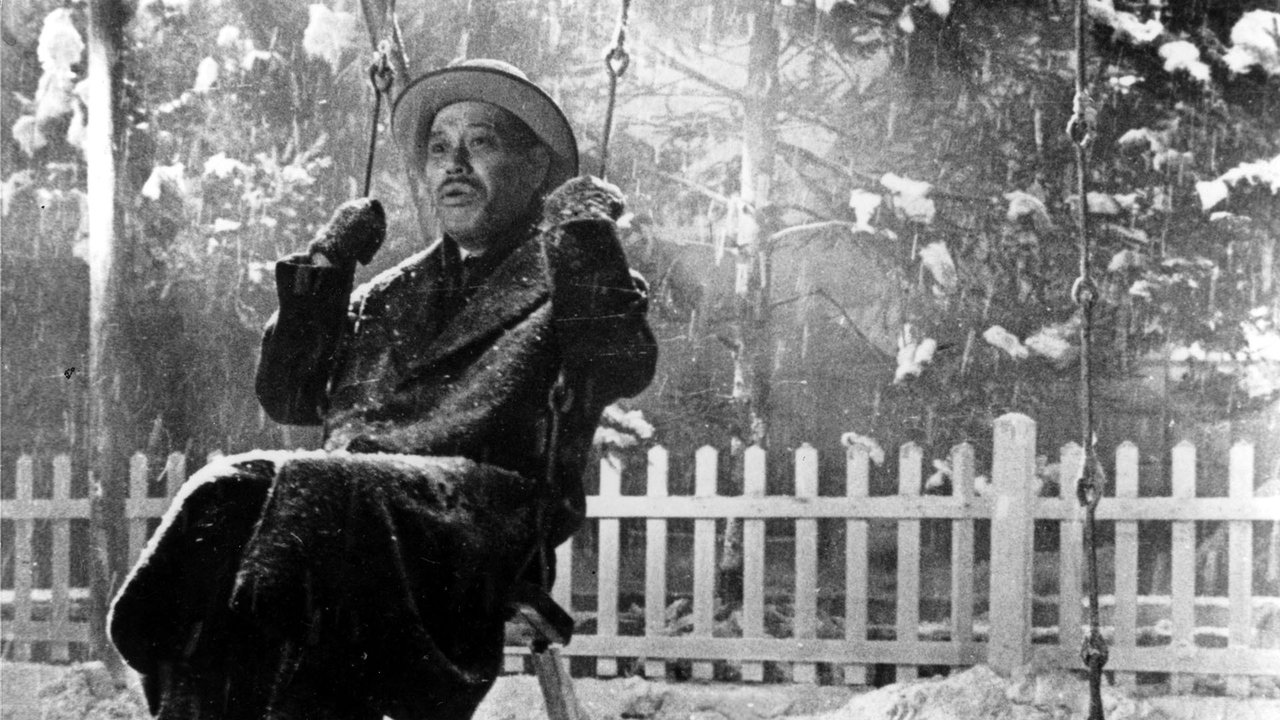
In an era of Hollywood’s Golden Age where Technicolor musicals and sweeping Westerns were the standard, Ikiru feels startlingly modern. While MGM was busy making sure Gene Kelly looked perfect in the rain, Kurosawa was filming a man sitting on a swing in the snow, singing to himself. There is a technical grit here—cinematographer Asakazu Nakai uses deep shadows and cramped interiors to make the city hall feel like a tomb—that anticipates the "New Wave" movements of the 1960s.
Interestingly, the film was a modest success at the time, but its reputation has grown into that of a philosophical titan. It’s a "Drama" in the truest sense, but it avoids the manipulative sap of modern "sick-lit" movies. The film suggests that the most radical thing a human can do is actually finish a project at work that helps someone else. It’s a low-bar for heroism, which is exactly what makes it so attainable and so convicting.
Ikiru is the kind of movie that follows you into your dreams and sits on the edge of your bed the next morning. It’s a beautifully shot, intellectually demanding, and emotionally shattering experience that manages to be both a cynical satire and a hopeful prayer. If you’ve ever felt like a cog in a machine, you owe it to yourself to see how Kanji Watanabe broke the gears. Don't let the black-and-white subtitles scare you off; this is more relevant to your life than 90% of what’s currently in theaters.
Keep Exploring...
-
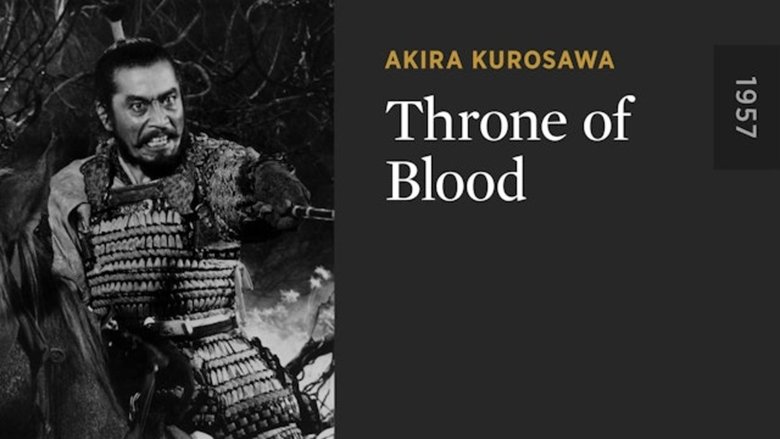
Throne of Blood
1957
-
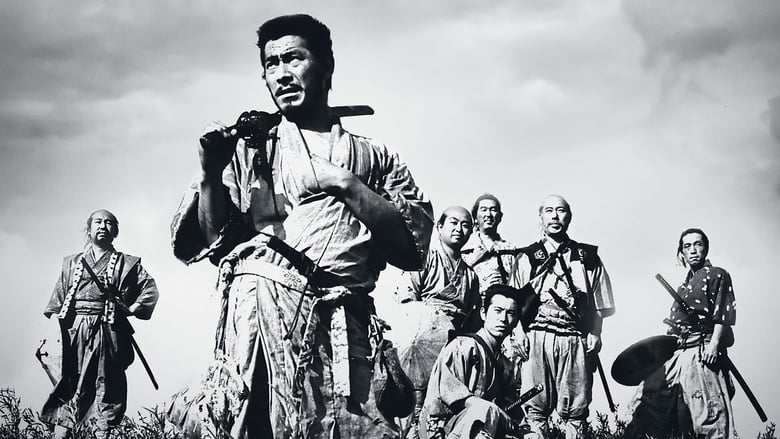
Seven Samurai
1954
-

Rashomon
1950
-
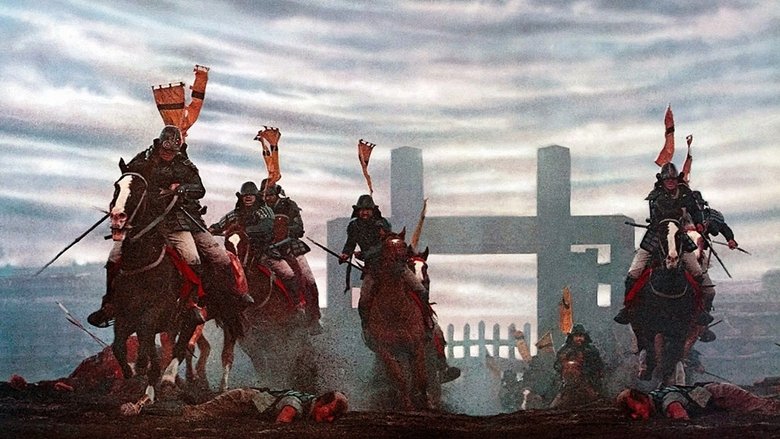
Ran
1985
-
Tokyo Story
1953
-

Yojimbo
1961
-
The Treasure of the Sierra Madre
1948
-

All About Eve
1950
-
La Strada
1954
-
Sabrina
1954
-
Rebel Without a Cause
1955
-
Wild Strawberries
1957
-
The Grapes of Wrath
1940
-

Laura
1944
-
Hiroshima Mon Amour
1959
-
High and Low
1963
-

Bicycle Thieves
1948
-
Sunset Boulevard
1950
-
High Noon
1952
-

The Ten Commandments
1956