Singin' in the Rain
"The screen's most joyful existential crisis."
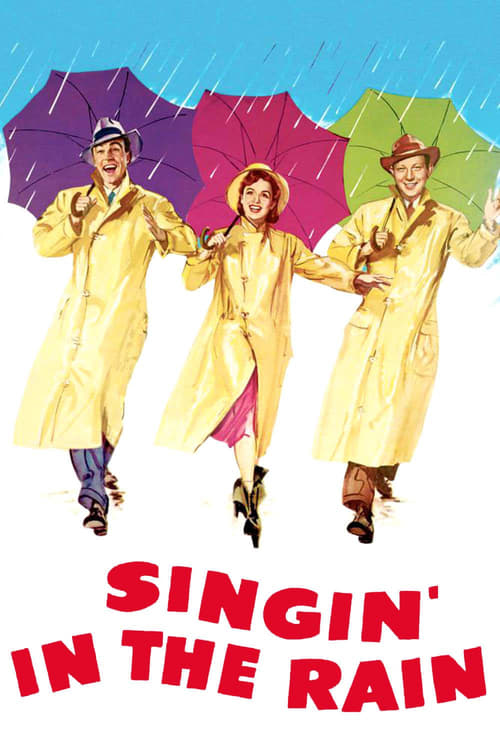
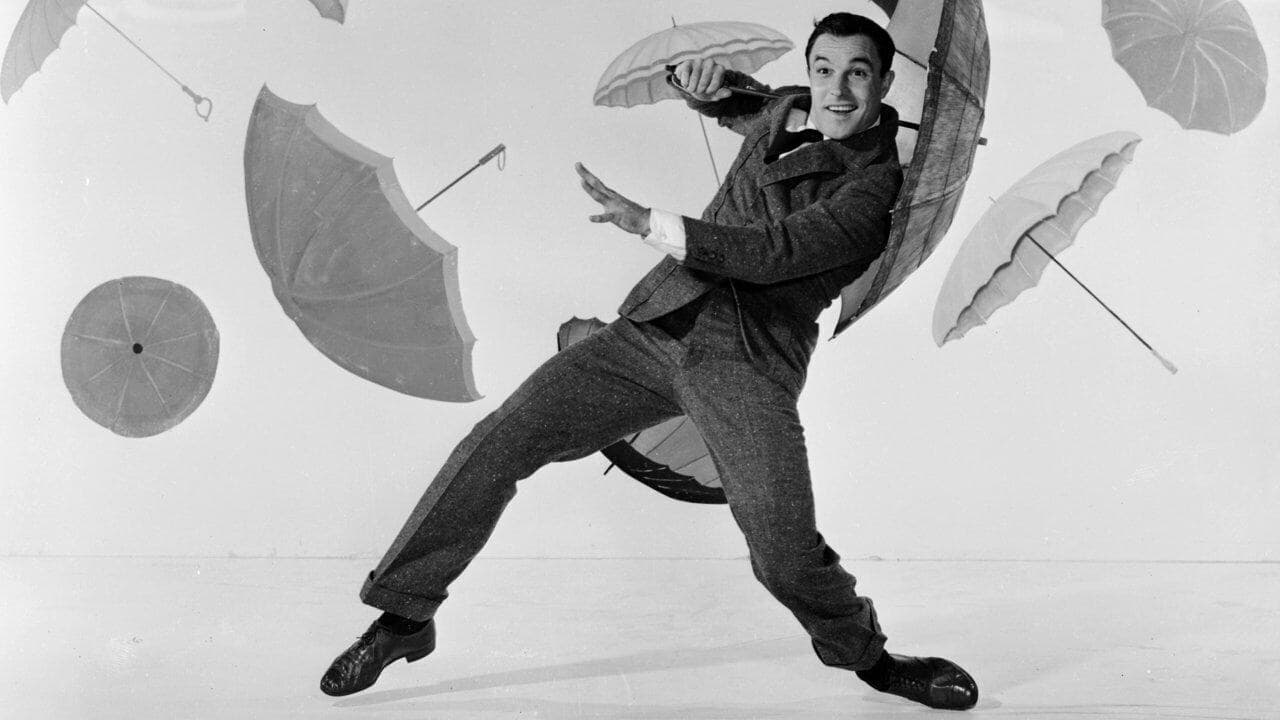
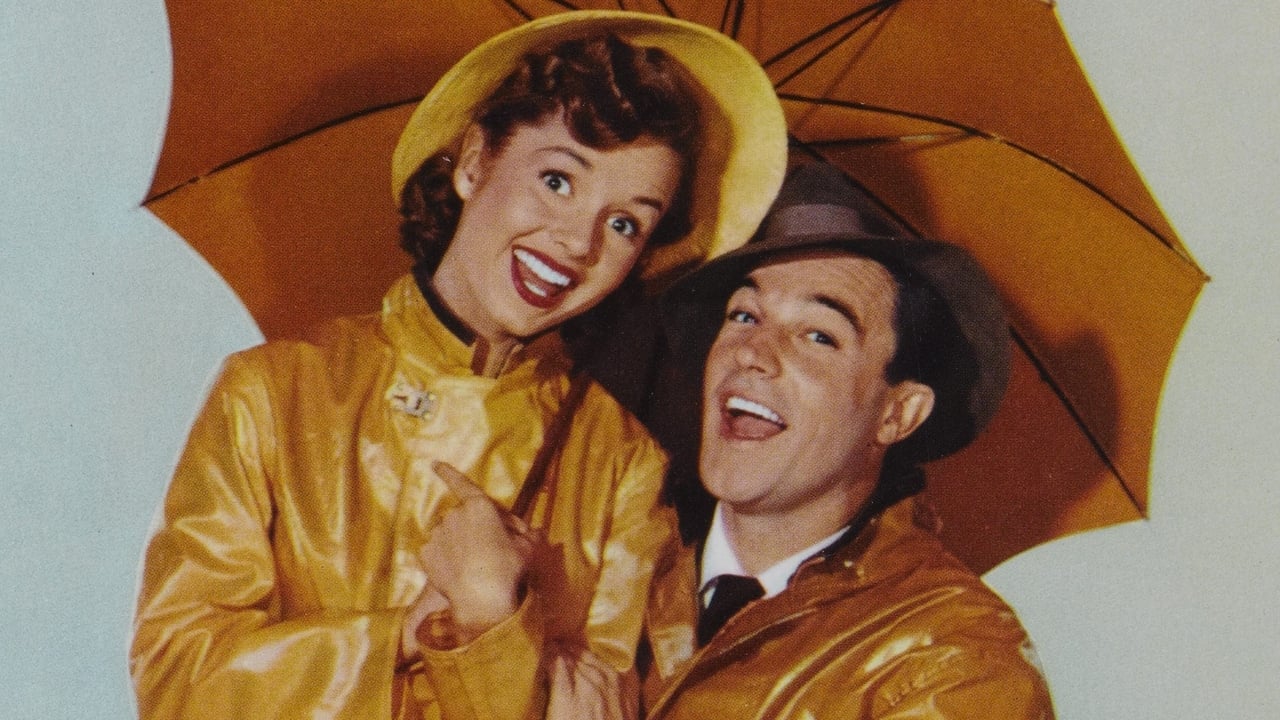
The 1952 MGM "Dream Factory" was at its absolute peak when it decided to look back at its own messy, awkward puberty. It’s a strange irony: Singin' in the Rain is widely considered the greatest movie musical ever made, yet it is fundamentally a film about the death of an art form and the frantic, almost violent birth of another. We treat it like a sugary confection—a Technicolor daydream of lampposts and yellow slickers—but underneath that glossy surface lies a sharp, cerebral satire about the fragility of fame and the terrifying moment technology renders a human being obsolete.
I watched this most recent time while wearing a pair of itchy wool socks that made me want to jump into a puddle myself just to cool down, and it struck me how much of the film’s "joy" is actually the result of intense, borderline-masochistic labor.
The Beautiful Lie of the Persona
The film opens with a masterclass in philosophical irony. Gene Kelly’s Don Lockwood stands on a red carpet, spinning a yarn about his "dignity, always dignity" upbringing. As he describes his refined education and high-brow training, the camera cuts to the reality: a series of grueling, low-rent vaudeville gigs and dangerous stunts. From the first five minutes, directors Gene Kelly and Stanley Donen tell us that Hollywood is a lie.
This isn’t just a "movie about movies"; it’s a film about the construction of identity. Don Lockwood is a collection of curated images, a silent icon who doesn't actually exist once the cameras stop rolling. When the "talkies" arrive, the crisis isn't just professional; it’s existential. If a silent star speaks and sounds like a foghorn, does the star still exist? This is where Jean Hagen enters the fray as Lina Lamont. While the world laughs at her shrill, piercing voice, there’s a deeper, more unsettling question at play: Lina Lamont is the only character who actually believes the studio’s propaganda. She believes she is the goddess the fan magazines say she is, and her refusal to acknowledge the reality of her own voice is a tragic, hilarious descent into delusion.
The Mechanical Precision of Laughter
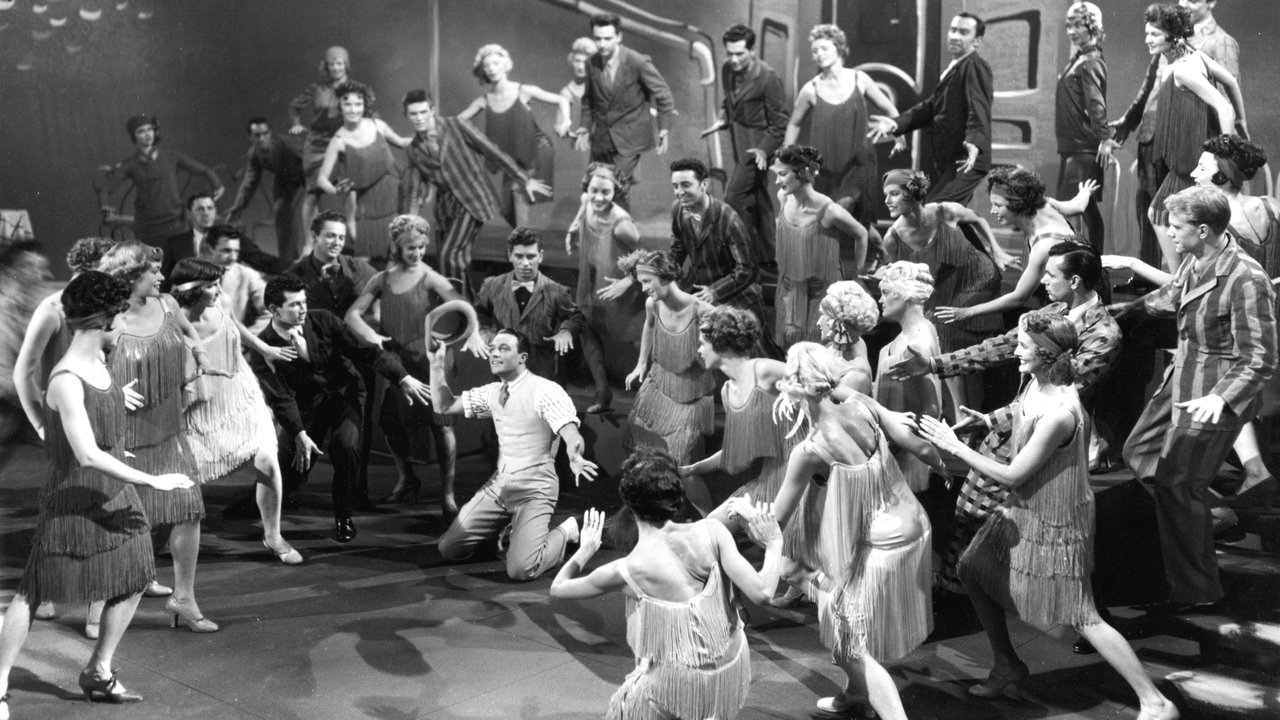
Comedy, particularly the physical variety found here, is a matter of ruthless geometry. We often talk about the "spontaneity" of the "Make 'Em Laugh" sequence, but Donald O'Connor’s performance is a feat of athletic endurance that nearly killed him. He was hospitalized for days after filming that number. When he runs up the wall and flips backward, it isn’t just a gag; it’s a demonstration of the human body acting as a perfectly calibrated machine.
I once tried to do a simple wall-kick in my socks after a particularly inspiring viewing, and I ended up taking out a floor lamp while my cat watched with visible judgment. It gave me a new appreciation for the bone-rattlingly high stakes of 1950s studio choreography. There is no "editing around" the lack of talent here. In the Golden Age, you either had the goods or you were out.
The script by Adolph Green and Betty Comden is deceptively smart about the transition to sound. The scene where they try to hide a microphone in a bush, only for Lina to move her head and create a deafening roar of static, is a perfect bit of farce. It highlights the absurdity of a medium that was suddenly obsessed with "realism" (sound) while remaining entirely artificial (the sets, the costumes, the scripted romance).
The Voice as the Ghost in the Machine
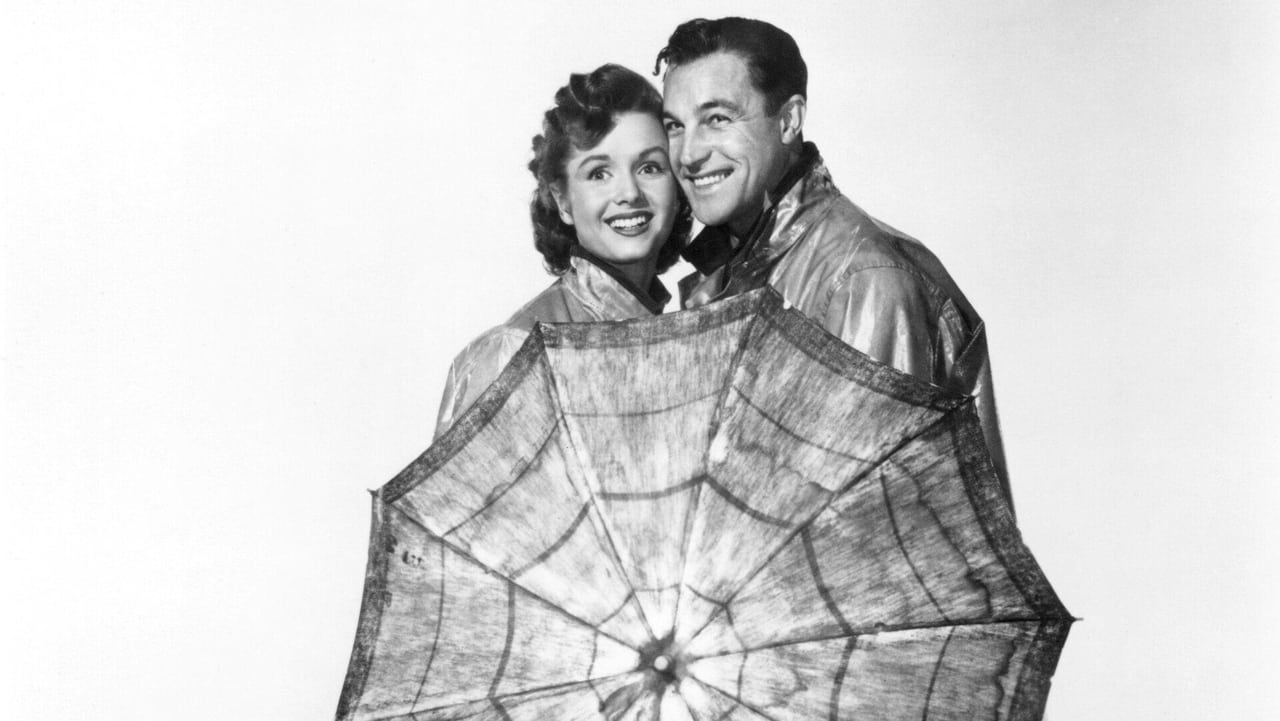
The heart of the film is the "Ghost in the Machine" sub-plot involving Debbie Reynolds as Kathy Selden. In a move that mirrors the very artifice the film satirizes, Kathy provides the "soul" (the voice) for Lina’s body. This creates a fascinating philosophical split. Who is the "real" star? Is it the face we see or the voice we hear?
Debbie Reynolds was only 19 when she made this, and she wasn't even a dancer. She famously said that making this movie and surviving childbirth were the two hardest things she ever did. You can see that determination in her eyes. She’s the anchor of reality in a film that occasionally threatens to float away into pure abstraction—most notably during the "Broadway Melody" sequence with Cyd Charisse. That twelve-minute ballet is a complete departure from the plot, a surrealist exploration of ambition and lust that reminds us that MGM had the money to stop a movie just to show off how much "Art" they could buy.
Ultimately, Singin' in the Rain earns its perfection by being honest about its own dishonesty. It celebrates the magic of the movies while showing us the sweat, the fever (Kelly actually had a 103-degree temperature during the title song), and the technical failures behind the curtain. It’s a film that asks us to value the "true" voice over the "fake" image, yet it does so using the most elaborate image-making machinery ever devised. It’s a paradox you can dance to, and seventy years later, the rhythm hasn't missed a beat. It remains the ultimate reminder that even when the world is changing too fast and your "dignity" is under fire, there’s always a reason to keep splashing.
Keep Exploring...
-
The Philadelphia Story
1940
-
Sabrina
1954
-

Charade
1963
-

Some Like It Hot
1959
-

Gentlemen Prefer Blondes
1953
-

Roman Holiday
1953
-

City Lights
1931
-
It Happened One Night
1934
-
Bringing Up Baby
1938
-
The Apartment
1960
-
Annie Hall
1977
-
The African Queen
1952
-

On the Waterfront
1954
-
The Postman
1994
-
High Noon
1952
-
Casablanca
1943
-
His Girl Friday
1940
-

Rebecca
1940
-

The Great Dictator
1940
-
Spellbound
1945