The African Queen
"Gin, leeches, and a whole lot of nerve."
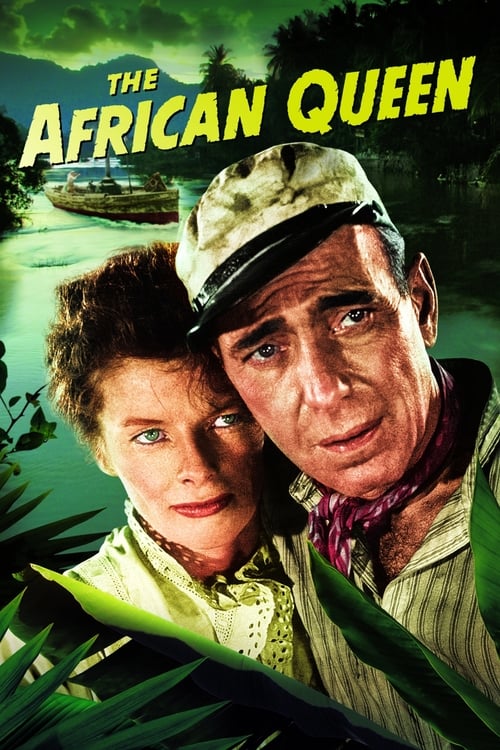
Humphrey Bogart, the man who practically invented the brooding, urban tough guy in The Maltese Falcon, spent a good chunk of 1951 standing in a swamp in the Belgian Congo with leeches stuck to his chest. It’s an image that shouldn’t work. On paper, putting the king of film noir and the queen of high-society screwball comedy on a rickety 30-foot steamship sounded like a recipe for a very expensive shipwreck. Yet, The African Queen isn’t just a classic; it’s the ultimate "odd couple" road movie—it just happens to take place on a river filled with crocodiles and German snipers.
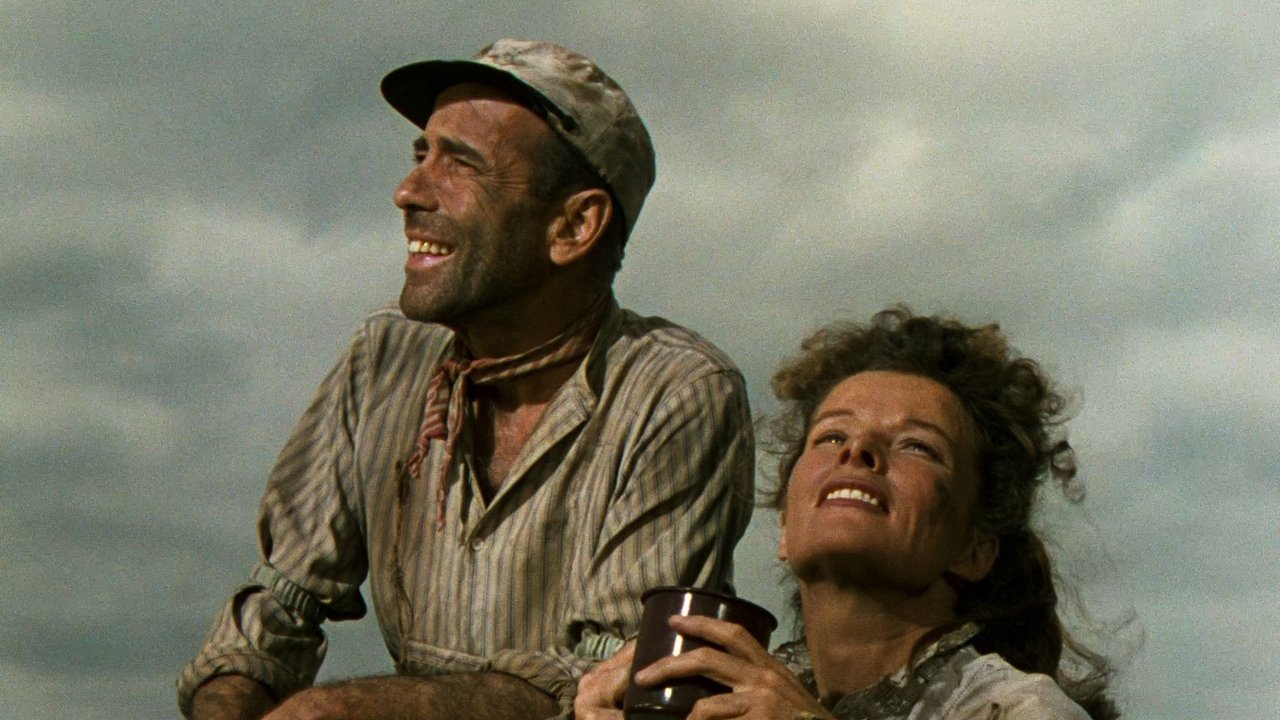
I first watched this film on a sweltering Tuesday afternoon when my apartment’s air conditioning had given up the ghost. There’s something about the way John Huston (who also gave us the gritty The Treasure of the Sierra Madre) captures the oppressive, humid heat of the jungle that makes your own sweat feel like part of the special effects. It’s one of the few Golden Age films that feels like it actually has dirt under its fingernails.
The Survival of the Drunkest
While the big Hollywood studios like MGM were busy building elaborate plastic jungles on their backlots, John Huston decided to drag a cast and crew into the actual interior of Africa. This was practically unheard of in the early 50s. Most producers thought he was insane. The production was funded independently by Romulus Films and Horizon Pictures because the major studios didn't think audiences would care about "two old people on a boat."
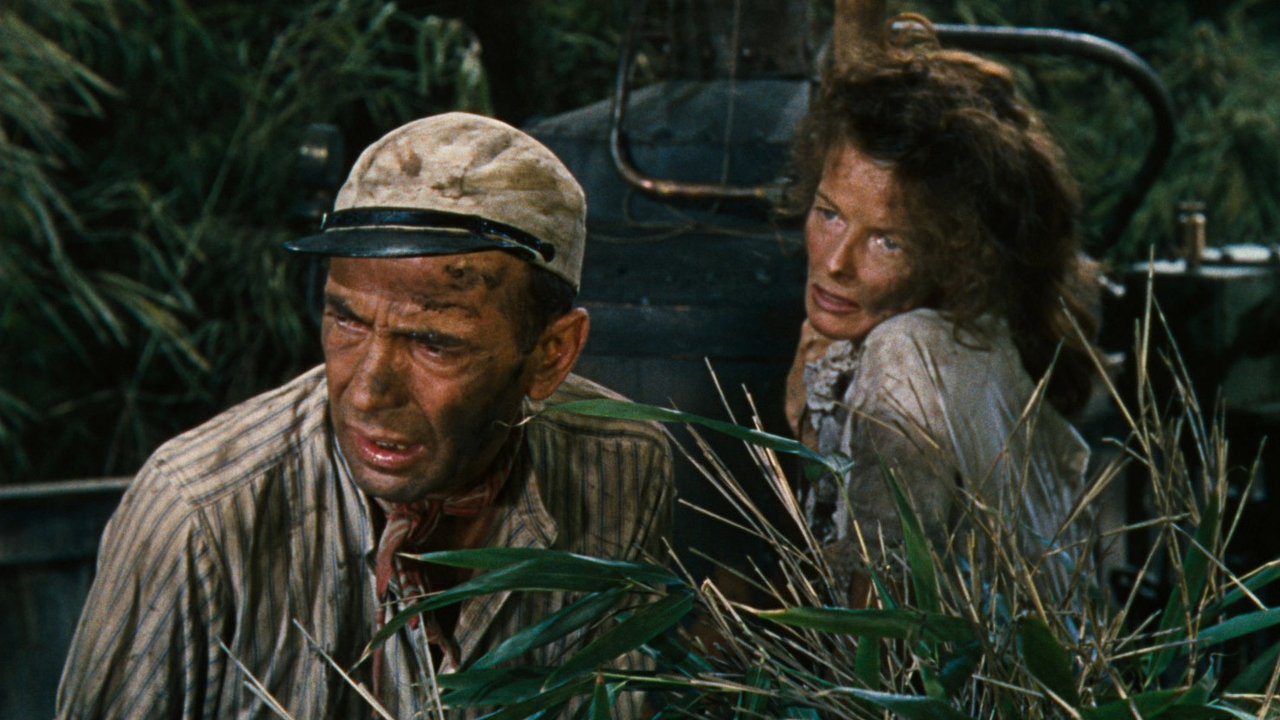
The behind-the-scenes stories are arguably as legendary as the movie itself. While almost everyone—including Katharine Hepburn—came down with horrific bouts of dysentery and malaria from the local water, Humphrey Bogart and Huston remained suspiciously healthy. Their secret? They strictly avoided the water and stuck to a diet of canned baked beans and Scotch whiskey. Bogart famously claimed that a mosquito would bite him and then drop dead from alcohol poisoning. It’s a masterclass in "production survival," even if it’s not exactly medical advice I’d recommend today.
A Masterclass in Character Friction
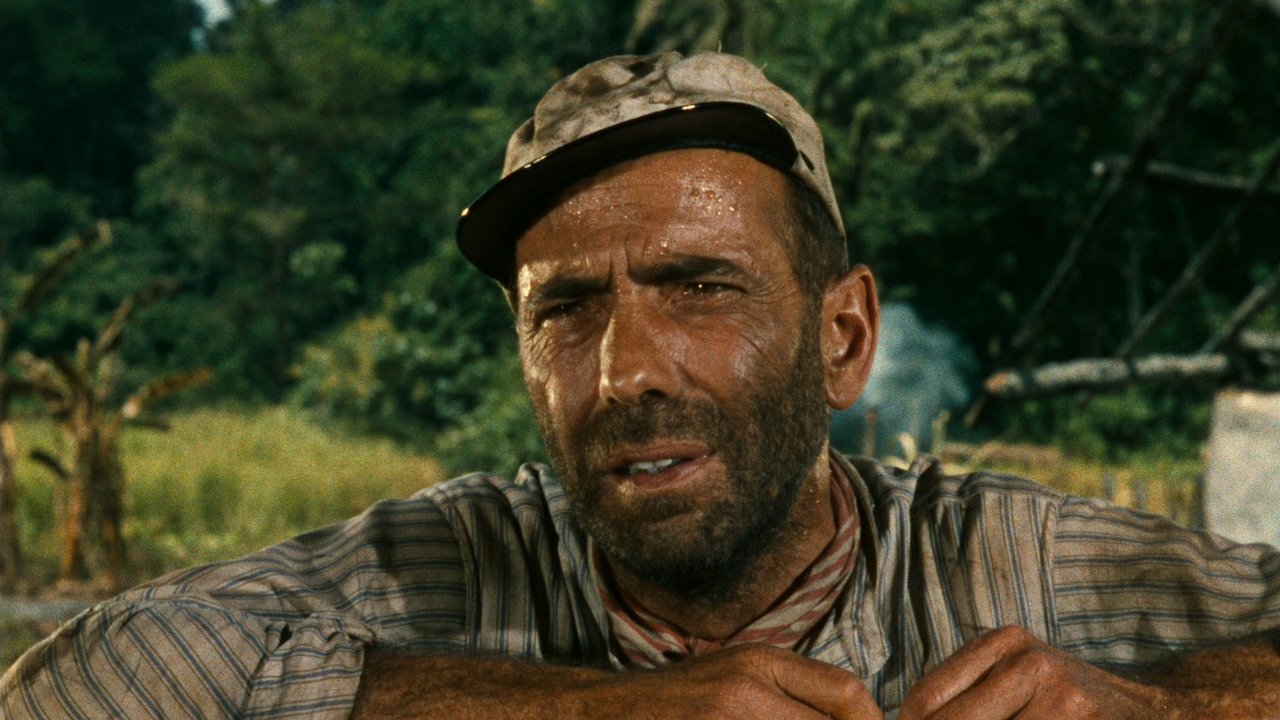
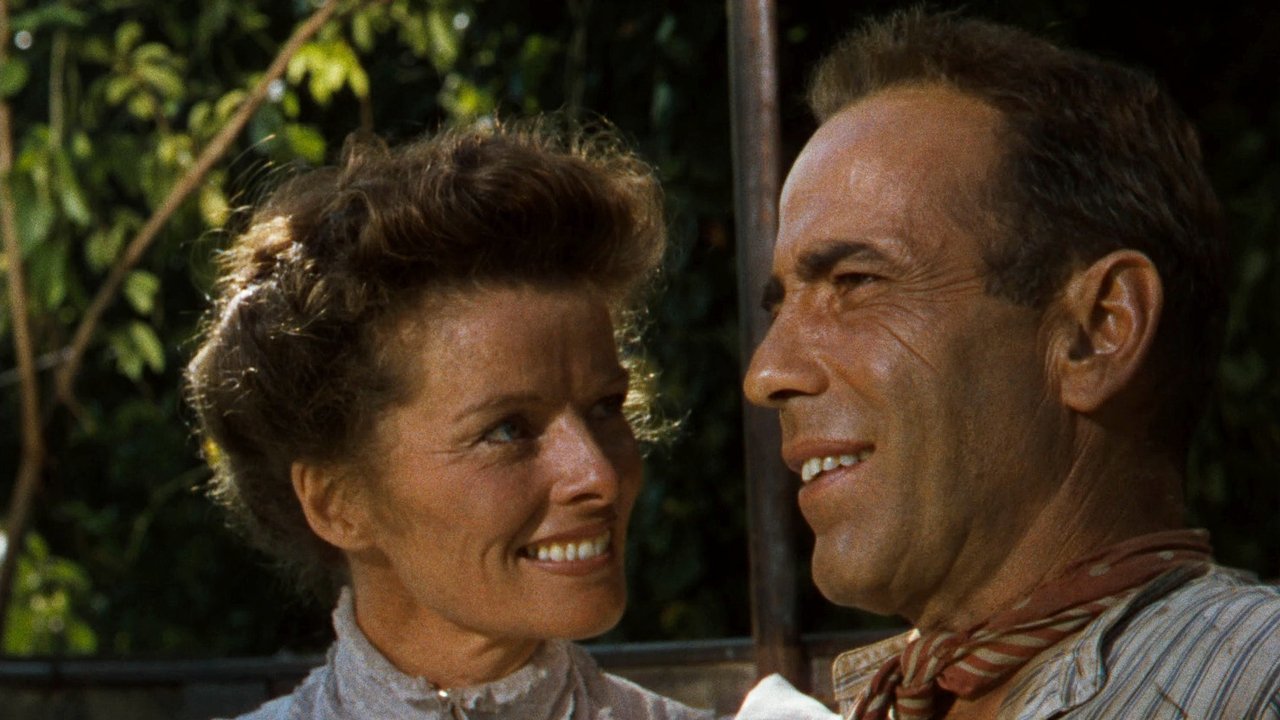
The heart of the film isn't the adventure; it's the collision of two utterly incompatible souls. Katharine Hepburn plays Rose Sayer, a "psalm-singing skinny old maid" (as Bogart’s Charlie Allnut calls her) who is forced to flee her mission after the Germans burn it down at the start of WWI. Bogart is Charlie, a gin-soaked river rat who just wants to wait out the war in a haze of juniper fumes.
Their chemistry is a slow burn that feels incredibly modern. Hepburn is brilliant at playing high-strung dignity, especially in the scene where she calmly pours Charlie’s entire gin supply into the river while he watches in a state of silent, hungover horror. But the magic happens when Charlie starts to admire her "sand," and Rose starts to find his rough edges charming. Bogart won his only Oscar for this role, and honestly, he earned it just for the way he makes his stomach growl during tea time. He traded his fedora for a greasy captain’s hat and proved he was more than just a chin-down tough guy.
Indie Ingenuity on a Global Scale
Even though it features two of the biggest stars in history, The African Queen is an indie gem at its core. Because they were shooting on location with a limited budget, Huston and cinematographer Jack Cardiff had to get incredibly creative. The eponymous boat, the African Queen, was so small that there was no room for the camera and the actors at the same time. They had to build sections of the boat on rafts that were towed behind the actual vessel.
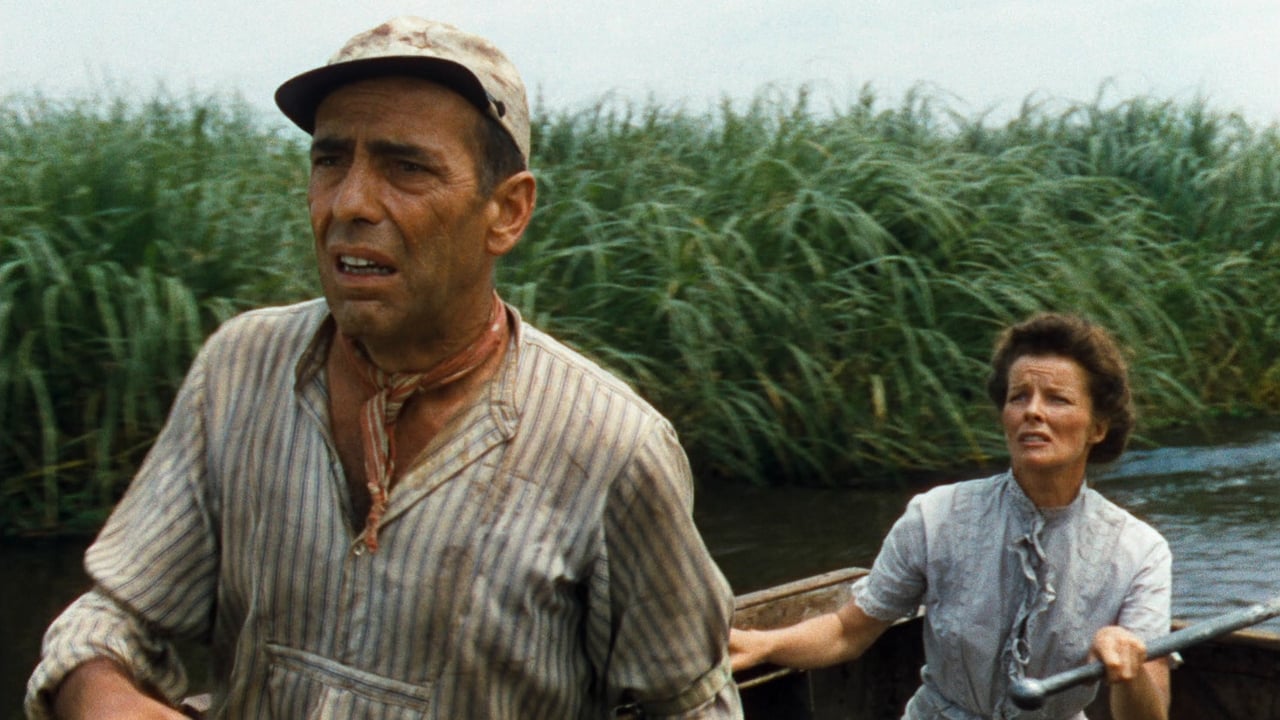
There’s a raw, unpolished energy to the filmmaking that you just didn't see in the polished studio productions of the era. The Technicolor is lush, but it isn't "pretty." It’s saturated with the browns of the river and the oppressive greens of the canopy. The special effects involving the German ship, the Louisa, might look a bit like a bathtub toy by today’s standards, but the physical stakes feel real because you can see the actual mosquitoes buzzing around Hepburn's head.
The script, co-written by the legendary James Agee, balances the mounting tension of their mission—to blow up a German warship with homemade torpedoes—with some of the sharpest dialogue of the decade. It’s a drama that refuses to take itself too seriously, allowing for moments of genuine humor that ground the high-stakes adventure.
The African Queen is a rare bird: a high-adventure epic that feels like an intimate two-person play. It captures that specific Golden Age magic where movie stars were larger than life, yet it anchors them in a setting so harsh and real that it strips away the Hollywood artifice. Whether you’re here for the historical context of a world at war or just want to see two legends bicker their way down a river, it’s a journey that earns every minute of your time. By the time they hit the rapids, you’ll find yourself rooting for the gin-soaked captain and the missionary just as much as I did while sitting in my humid, AC-less living room. It’s a reminder that sometimes the best stories aren't about the destination, but about the person you’re stuck on a leaking boat with.
Keep Exploring...
-
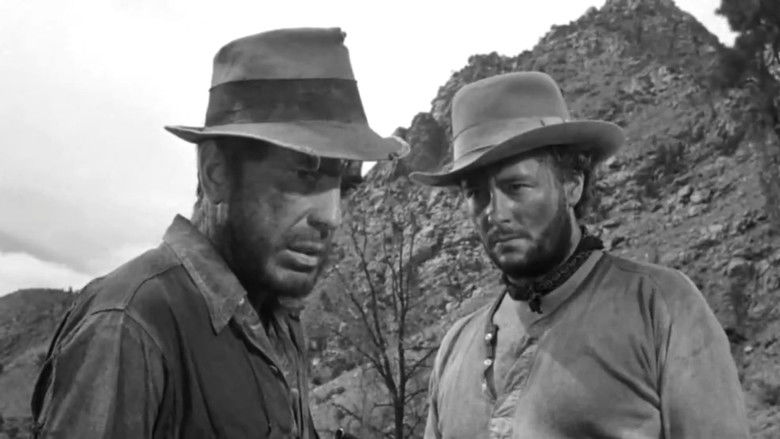
The Treasure of the Sierra Madre
1948
-
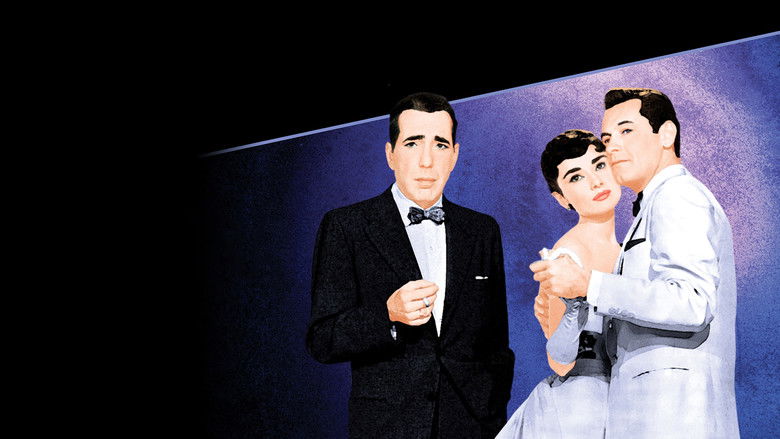
Sabrina
1954
-
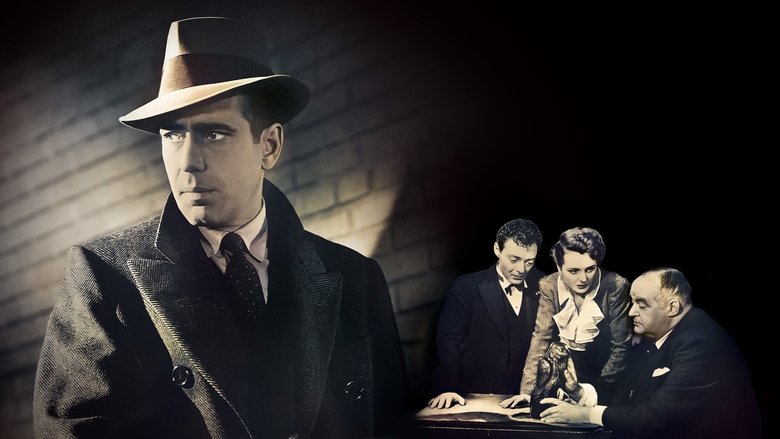
The Maltese Falcon
1941
-

On the Waterfront
1954
-
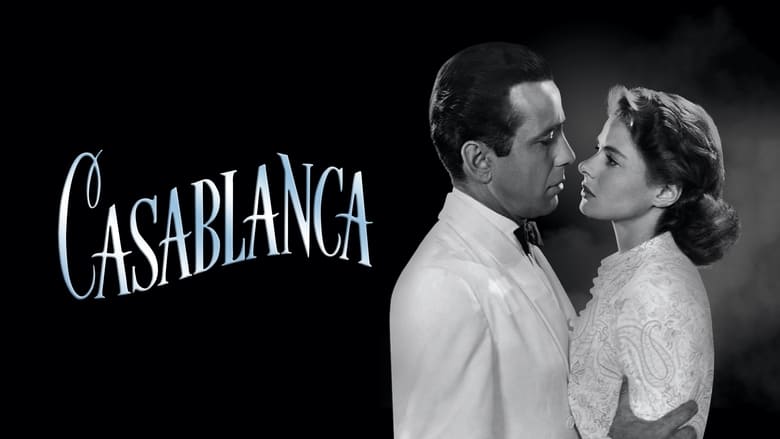
Casablanca
1943
-
The Night of the Hunter
1955
-

Roman Holiday
1953
-

Lady and the Tramp
1955
-
Swiss Army Man
2016
-
Slow West
2015
-
Rope
1948
-
High Noon
1952
-

Singin' in the Rain
1952
-
Forbidden Planet
1956
-
Witness for the Prosecution
1957
-
The Philadelphia Story
1940
-
The Wages of Fear
1953
-

Bicycle Thieves
1948
-

Rashomon
1950
-
The Bridge on the River Kwai
1957