Gentlemen Prefer Blondes
"Twice the glamour, double the trouble, and pure Technicolor joy."
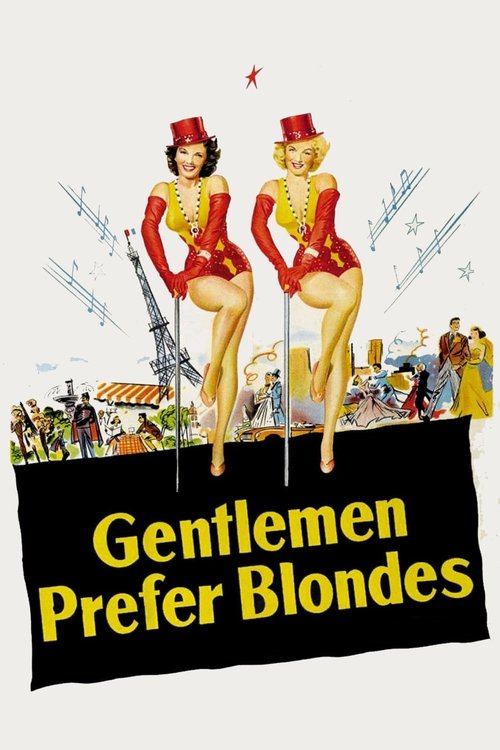
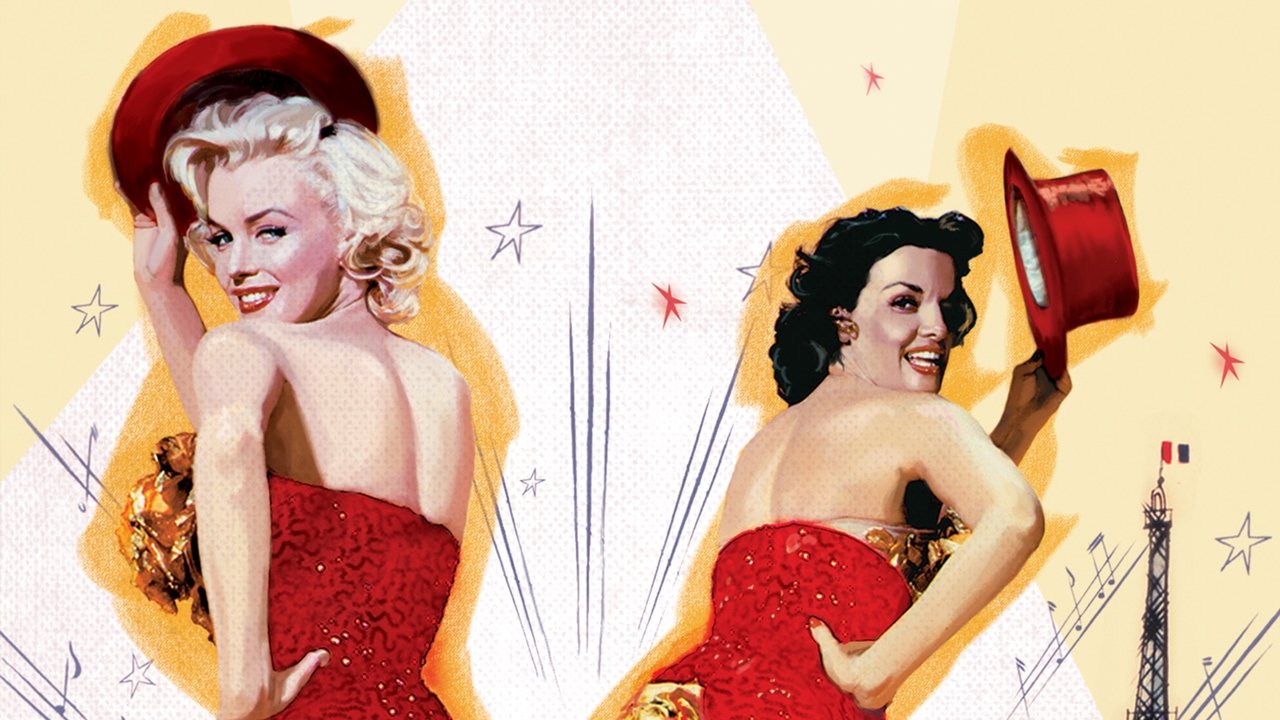
The moment Jane Russell and Marilyn Monroe strut onto the stage in matching, floor-length red sequin gowns with slits high enough to give a 1953 censor a heart attack, you know you aren’t just watching a movie. You’re witnessing a tactical deployment of pure, unadulterated star power. I recently rewatched this while eating those weird orange circus peanuts—the marshmallow ones that taste like nothing in particular—and I realized the film’s color palette is just as bright, sugary, and strangely addictive as my snack.
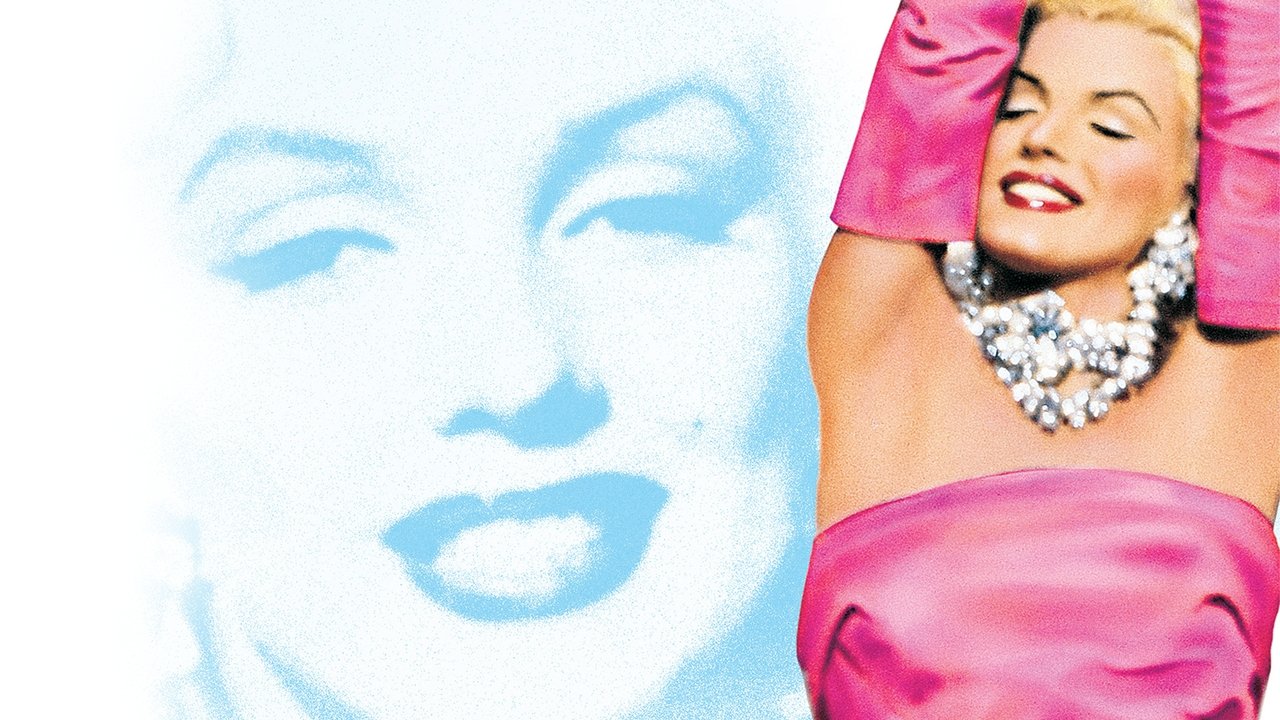
Gentlemen Prefer Blondes is often reduced to "the one with the pink dress and the diamonds," but it’s actually one of the smartest, fastest comedies of the Golden Age. It’s a "buddy" movie in the truest sense, centered on a friendship that is significantly more stable and loyal than any of the romances the women find themselves in.
The Myth of the "Dumb" Blonde
We need to talk about Lorelei Lee. Marilyn Monroe’s performance here is a masterclass in subversion. People love to talk about her as the ultimate "dumb blonde," but if you pay attention, Lorelei is the smartest person in every room she enters. She’s a woman who understands the economy she lives in—an economy where men hold the bank accounts and women hold the expiration dates.
Marilyn Monroe was a better comedian than a sex symbol, and this film proves it. Her timing is impeccable. When she says, "I can be smart when it’s important, but most men don’t like it," it’s not a joke; it’s a mission statement. She’s playing a character who is playing a character.
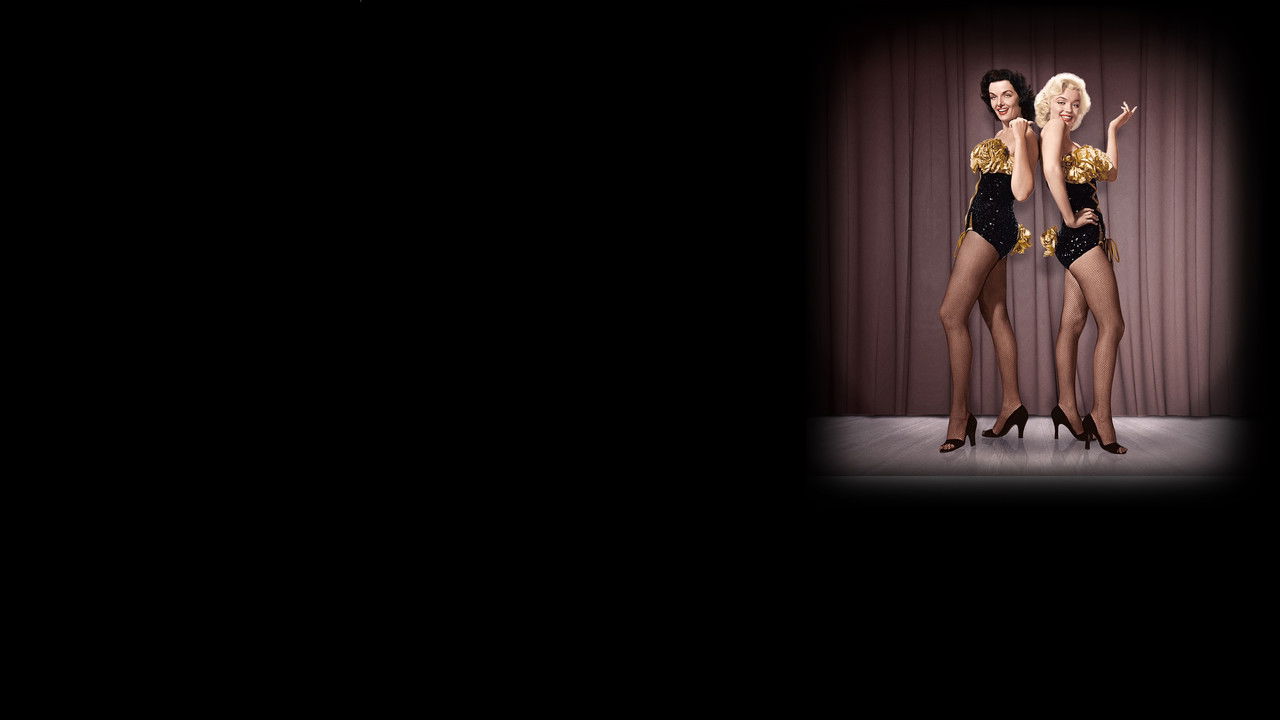
Then you have Jane Russell as Dorothy Shaw. Russell is the perfect "straight man" to Marilyn’s ethereal airiness. She’s cynical, grounded, and clearly the "muscle" of the duo. Their chemistry is the heart of the film. Apparently, the studio was worried they’d fight for the spotlight, but they became genuine friends. Russell often had to help Monroe get out of her trailer when she was paralyzed by performance anxiety. You can feel that warmth on screen; they aren't competing for the camera, they’re sharing it.
The Hawksian Touch and the Production Code
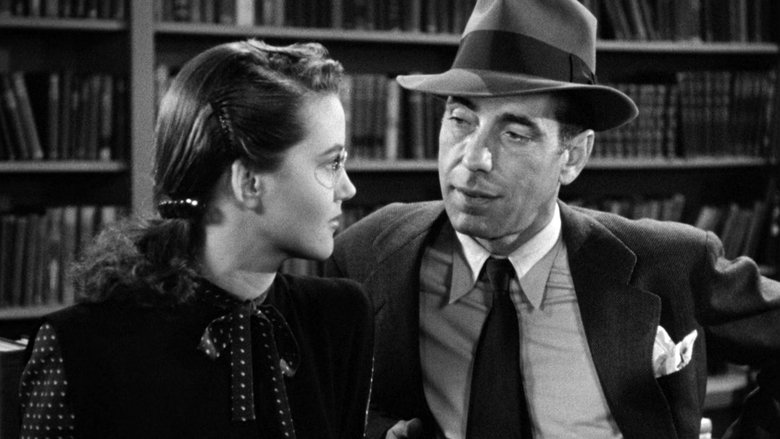
It’s easy to forget this was directed by Howard Hawks. This is the man who gave us gritty Westerns like Rio Bravo and noir classics like The Big Sleep. You might think a musical comedy about showgirls is outside his wheelhouse, but Hawks specialized in "the professional." Whether they’re pilots or showgirls, Hawks' characters are always the best at what they do.
He treats the "gold-digging" plot with a refreshing lack of judgment. In the 1950s, the Production Code (the "Hays Code") was still strictly enforcing morality, meaning you couldn’t show "vice" being rewarded. But Howard Hawks and screenwriter Charles Lederer managed to make a movie where the main characters are essentially high-level mercenaries for matrimony and everyone wins in the end.
The film bypasses the censors through sheer wit. When Dorothy looks at the Olympic team and says, "I'm the only girl in the world who can look at a guy like that and think: I wonder if he's got a brother?" it’s a wink to the audience that says these women have appetites, and they aren't ashamed of them.
Technicolor Splendor and "The Kid"
If you’re a fan of cinematography, this film is a feast. The Technicolor is so saturated it almost feels like a cartoon, which helps the more absurd comedic beats land. I have to give a shout-out to George Winslow, who plays Henry Spofford III, the wealthy young boy with the voice of a 50-year-old barfly. His deadpan interactions with Marilyn are some of the funniest moments in the film. A kid with a voice like a foghorn is the only person capable of matching Marilyn’s energy.

One of my favorite bits of trivia is the pay gap, which was egregious even for the 50s. Jane Russell, being the established star, was paid somewhere around $100,000. Marilyn Monroe, despite being the primary reason people were buying tickets by 1953, was under contract for a measly $500 a week (roughly $15,000 for the whole shoot). Marilyn reportedly complained, "I’m the blonde, and it is Gentlemen Prefer Blondes," but she still showed up and delivered the most iconic musical number in cinema history.
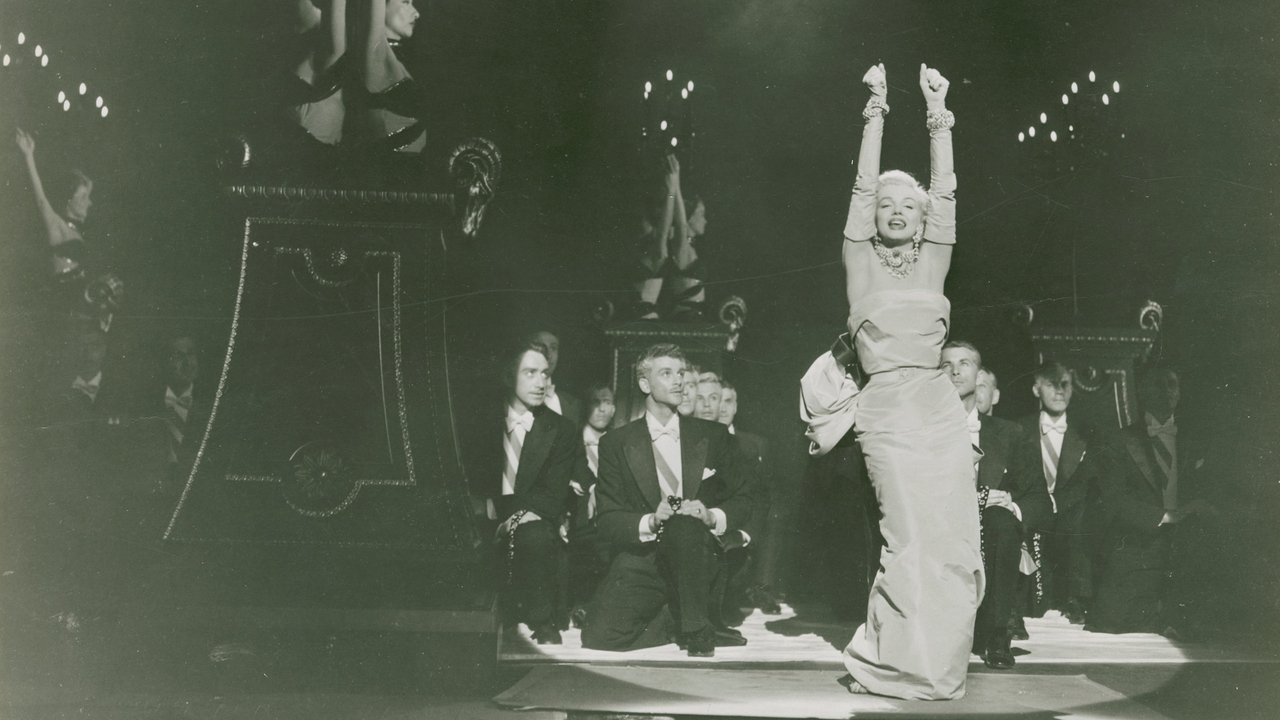
The "Diamonds Are a Girl's Best Friend" sequence is flawless. It’s been parodied and paid-homage-to a thousand times (looking at you, Madonna), but the original is still the gold standard. The choreography, the way she uses the fans, and her facial expressions—it’s pure charisma.
Gentlemen Prefer Blondes is a rare bird: a film that is exactly as much fun as it looks. It doesn't ask you to do any heavy lifting, but it rewards you if you look past the sequins to the sharp-as-a-tack writing underneath. It celebrates a female friendship that is genuinely unbreakable, and it does so with more style than almost any other movie of its era. If you haven't seen it, stop waiting—it’s the most fun you can have in 91 minutes without a passport.
The film ends exactly how it should: with the girls getting what they want and the men just happy to be invited to the party. It’s a Technicolor dream that reminds me why the studio system, for all its flaws, could occasionally produce something that feels like lightning in a bottle. Now, if you'll excuse me, I need to go find some more circus peanuts.
Keep Exploring...
-
His Girl Friday
1940
-
Sabrina
1954
-
The Seven Year Itch
1955
-
Bringing Up Baby
1938
-

Singin' in the Rain
1952
-

Roman Holiday
1953
-

Lady and the Tramp
1955
-
The Big Sleep
1946
-

Some Like It Hot
1959
-
The Trouble with Harry
1955
-
To Catch a Thief
1955
-
The Philadelphia Story
1940
-
Arsenic and Old Lace
1944
-

Rio Bravo
1959
-

All About Eve
1950
-
Cinderella
1950
-
The African Queen
1952
-

On the Waterfront
1954
-

Vertigo
1958
-
Charade
1963