Peter Pan
"Escape the clock. Chase your shadow."
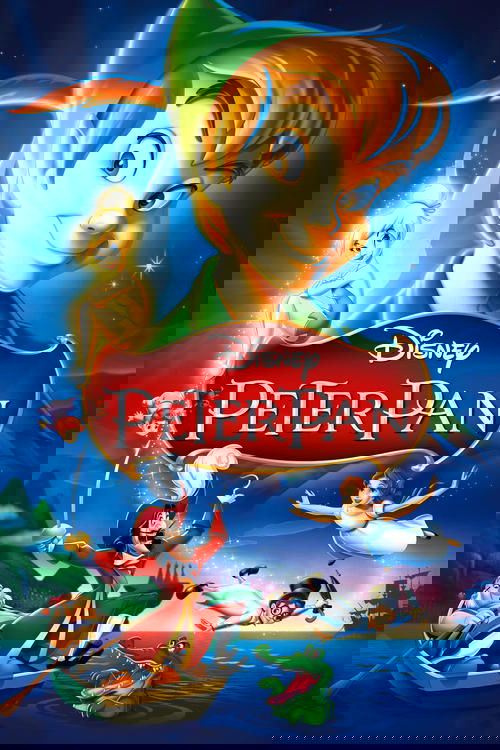
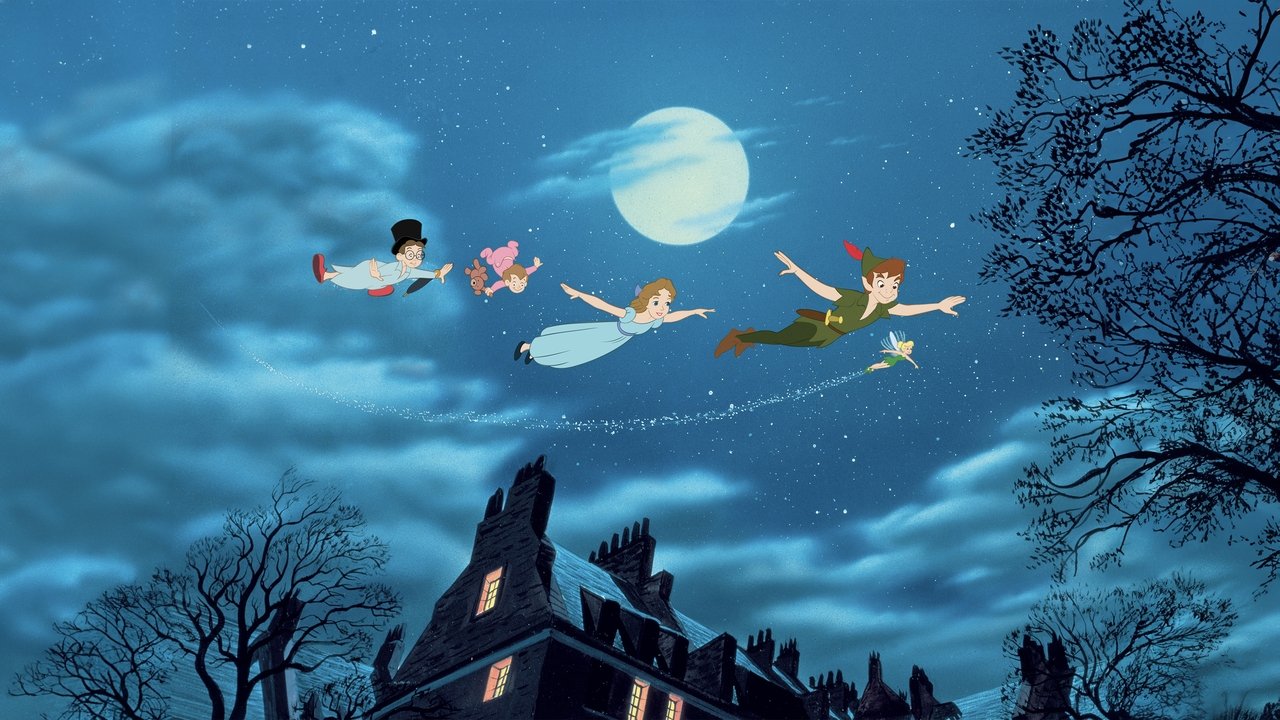
I watched this on a rainy Tuesday while nursing a lukewarm cup of peppermint tea that had a single dog hair floating in it, and honestly, the sheer Technicolor vibrance of 1953 Neverland was the only thing that could have cut through that gloom. There is something fundamentally intoxicating about the way Disney’s Golden Age animators—the legendary "Nine Old Men"—captured the concept of flight. When Bobby Driscoll’s Peter Pan leads the Darling children out of their nursery window and over the glittering rooftops of London, I still feel that phantom lurch in my stomach. It’s not just nostalgia; it’s a masterstroke of pacing and perspective that remains the gold standard for cinematic wonder.
The Peak of the Studio Machine
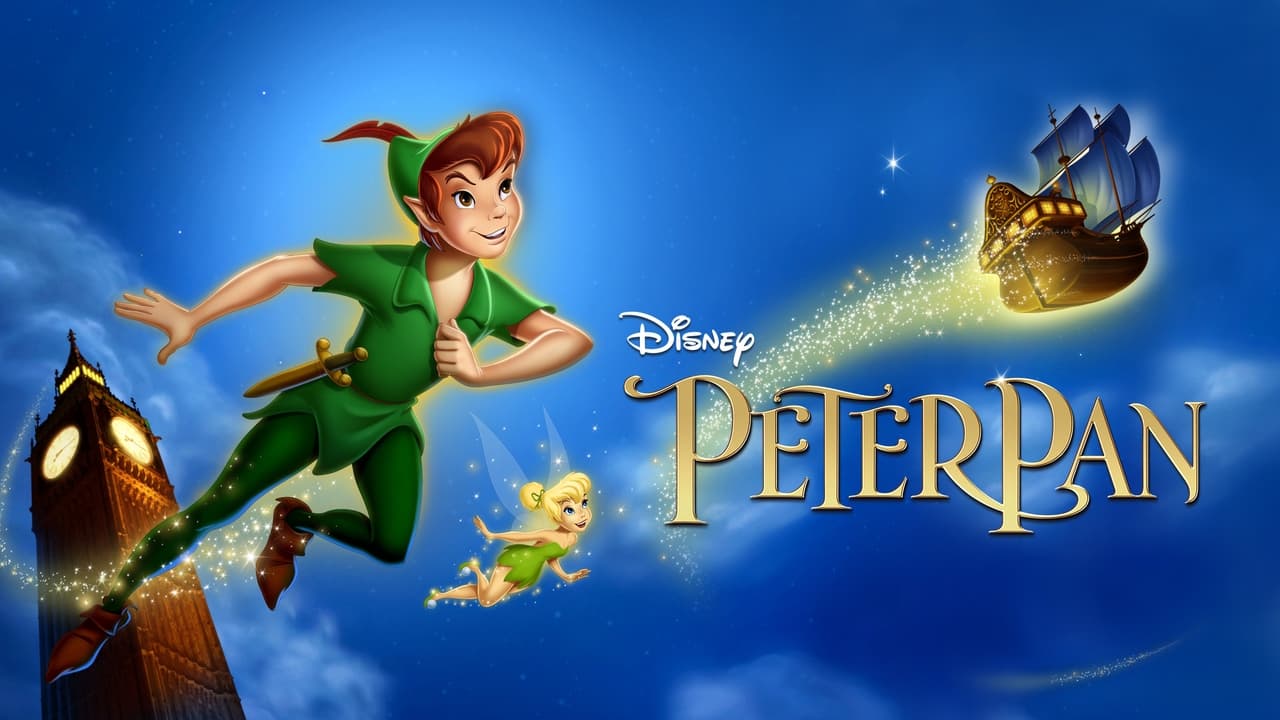
By 1953, Walt Disney was essentially the king of his own sovereign nation. After the financial Tightrope walk of the 1940s, where the studio survived on "package films" like Make Mine Music, the early 50s saw the studio returning to the big, single-narrative spectacles that defined the era. Peter Pan arrived in the middle of this creative heater, sandwiched between Alice in Wonderland and Lady and the Tramp. You can see the confidence in every frame. The backgrounds are lush, hand-painted dreamscapes, and the character animation is so fluid it feels like the ink is still wet.
I’ve always found it fascinating that the studio used live-action reference footage for almost every movement. They basically filmed the entire movie with the actors on a soundstage first. That’s why Wendy, voiced by the lovely Kathryn Beaumont (who had just finished being the voice and model for Alice in Wonderland), has such specific, dainty mannerisms. It gives the film a grounded weight that modern CGI often lacks. Captain Hook is actually the most relatable character in the movie because he’s the only one who seems to understand that time is literally trying to eat him.
A Villain for the Ages
While the kids are the POV characters, the movie belongs to Hans Conried. In a brilliant nod to the original stage play’s tradition, Conried voices both the bumbling, flustered Mr. Darling and the flamboyant, lethal Captain Hook. He is a revelation. His Hook isn’t just a "bad guy"; he’s a comedy of errors wrapped in a red coat and a magnificent mustache. The chemistry between Hook and his long-suffering sidekick Mr. Smee, voiced by Bill Thompson (the voice of the White Rabbit in Alice in Wonderland), is basically a vaudeville act.
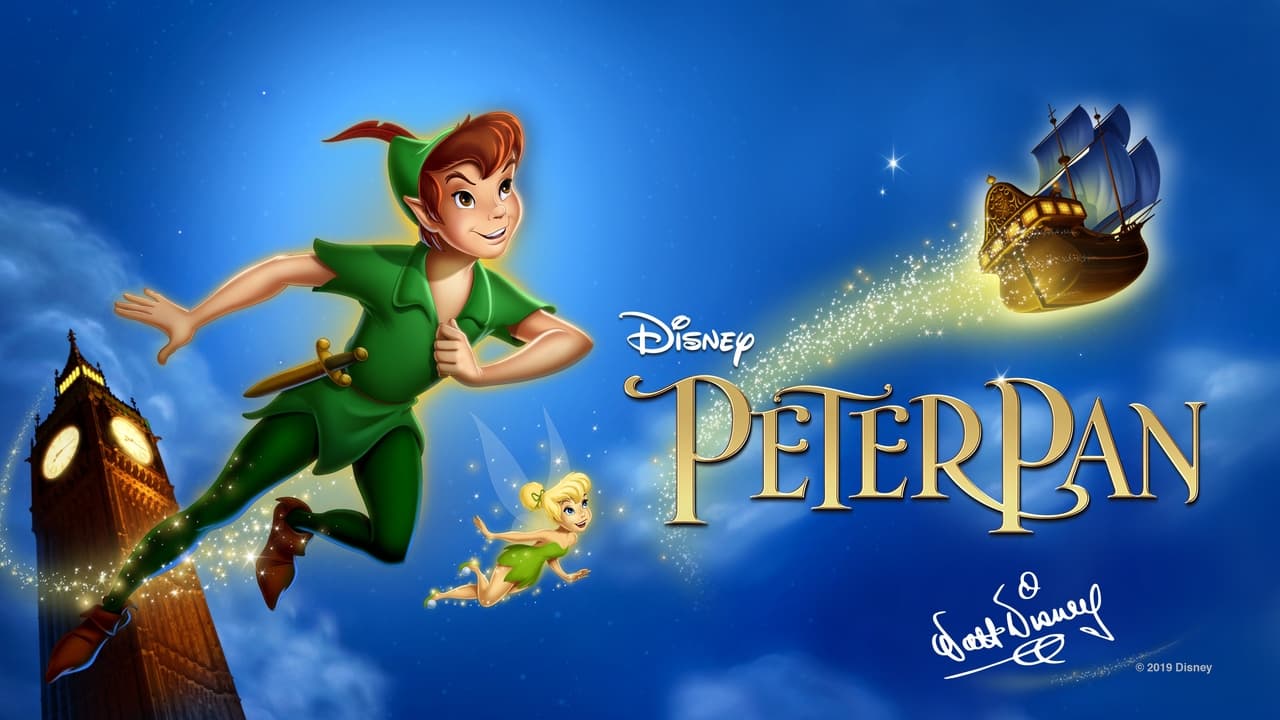
The adventure itself is perfectly calibrated. We move from the mermaid lagoons to the pirate ship with a sense of "and then this happened!" momentum that mimics how children actually play. There’s no heavy-handed moralizing here, which I appreciate. Peter himself is kind of a jerk—arrogant, forgetful, and dangerously charming. Bobby Driscoll captures that "eternal boy" energy perfectly, though knowing his tragic real-life trajectory as a discarded child star of the studio system adds a layer of melancholy to his performance that I can’t quite shake off.
The Neverland You Didn’t See
For a film that feels so breezy, the road to Neverland was a thirty-year slog. Walt Disney had wanted to animate J.M. Barrie’s story since he was a boy, but rights issues and WWII kept pushing it back. Because it’s a product of 1953, it does carry the baggage of its time—specifically the portrayal of the "Red Man" and Tiger Lily. I find that while these scenes are undeniably cringeworthy by modern standards, they serve as a stark reminder of the cultural shorthand used during the height of the studio system. It’s a blemish on an otherwise sparkling adventure, but one that’s worth discussing rather than ignoring.
Interestingly, the film was a massive gamble that paid off, grossing over $87 million against a $4 million budget. It saved the studio’s hide, allowing Walt to pivot toward his next crazy dream: Disneyland. You can see the DNA of the theme park in the movie—the sense of "themed lands" (the jungle, the cove, the nursery) that would eventually become the blueprint for how millions of us experience "magic" today.

Stuff You Didn't Notice
The Voice of the Shadows: Bobby Driscoll wasn't just the voice; he was the first male actor to play Peter Pan in a major production. Traditionally, the role was played by a woman on stage to accommodate the high-pitched voice and slight frame. Tinker Bell’s Secret: Contrary to the long-standing urban legend, Tinker Bell was not modeled after Marilyn Monroe. She was based on Margaret Kerry, who spent days acting out the scenes on giant props to help the animators get the "pixie" proportions right. The Family Connection: Heather Angel, who voices Mrs. Darling, later voiced the sister in Alice in Wonderland. The Disney studio was a small, loyal family of contract players. A Missing Song: There was an original song called "The Second Star to the Right" that was actually a recycled melody from a discarded Alice in Wonderland song titled "Beyond the Laughing Sky." * Nana’s Career: The dog, Nana, was originally supposed to travel to Neverland with the kids, but the animators decided it was funnier to leave her behind as the "sensible" one.
Ultimately, Peter Pan succeeds because it understands the secret terror of the ticking clock. It’s an adventure that celebrates the wild, lawless imagination of childhood while acknowledging that the window eventually has to close. It’s beautiful, it’s funny, and it’s just a little bit dangerous—exactly what a trip to Neverland should be. Even if you're watching it with a dog hair in your tea, it’s hard not to want to follow that second star to the right.

Keep Exploring...
-
Alice in Wonderland
1951
-

Lady and the Tramp
1955
-
Sleeping Beauty
1959
-
Return to Never Land
2002
-
Fantasia
1940
-
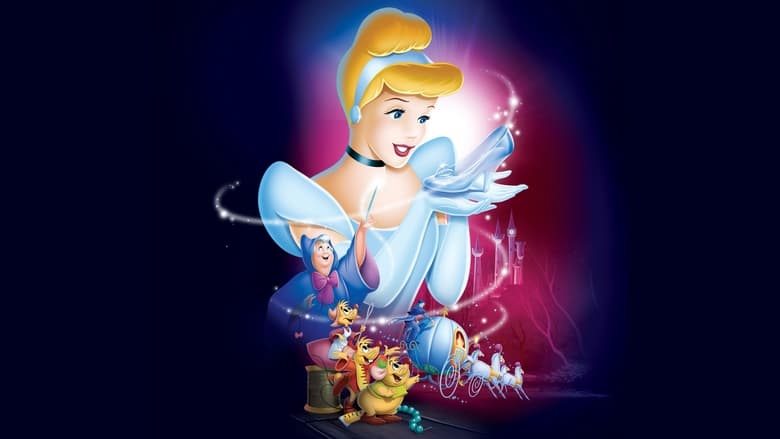
Cinderella
1950
-
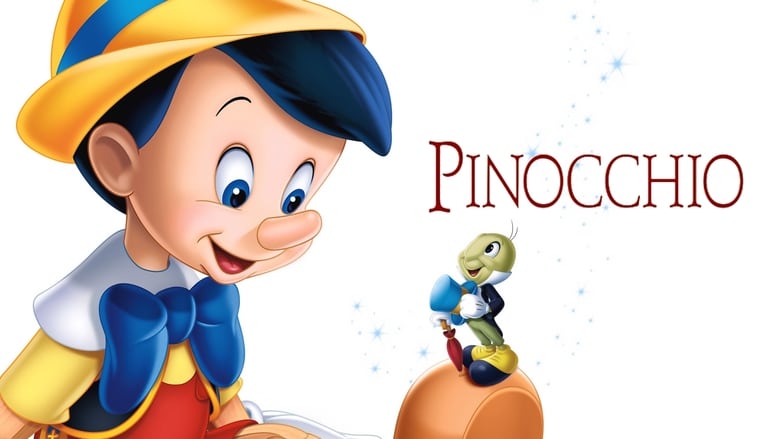
Pinocchio
1940
-
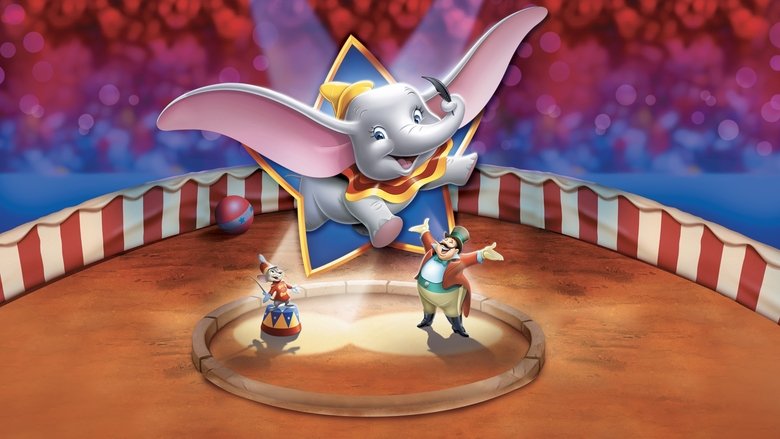
Dumbo
1941
-
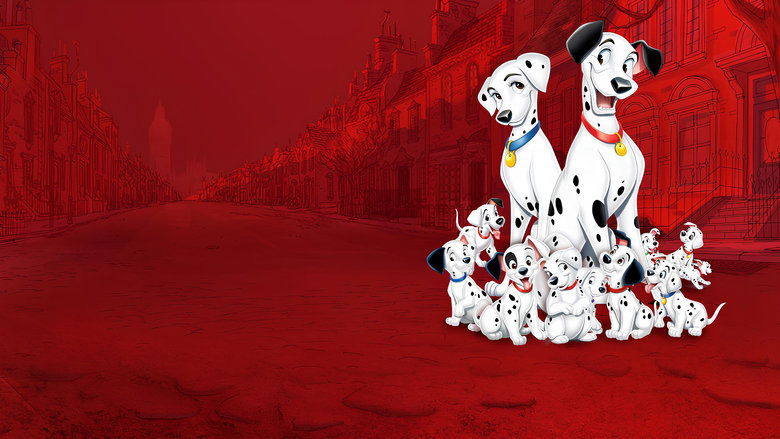
One Hundred and One Dalmatians
1961
-

Snow White and the Seven Dwarfs
1938
-
Anastasia
1997
-
Hercules
1997
-

The Emperor's New Groove
2000
-
The Road to El Dorado
2000
-
Treasure Planet
2002
-

Sinbad: Legend of the Seven Seas
2003
-

The Polar Express
2004
-
Brave
2012
-
Rise of the Guardians
2012
-
Epic
2013