Roman Holiday
"One royal escape, a cynical scoop, and a Vespa."
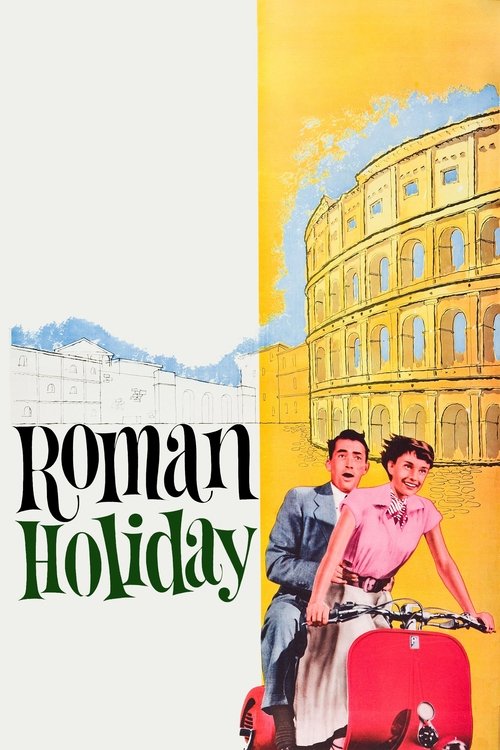
In 1953, if you wanted to see the Spanish Steps or the Colosseum, you usually had to settle for a grainy newsreel or a very expensive plane ticket. Then came Roman Holiday, a film that didn't just showcase Rome; it practically invited the city to co-star. At a time when the Hollywood studio system preferred the safety of painted backdrops and controlled soundstages, director William Wyler dragged a massive production crew to Italy in the middle of a sweltering summer. It was a gamble that changed the texture of the romantic comedy forever, trading the artificial gloss of a Paramount lot for the dusty, sun-drenched reality of the Eternal City.
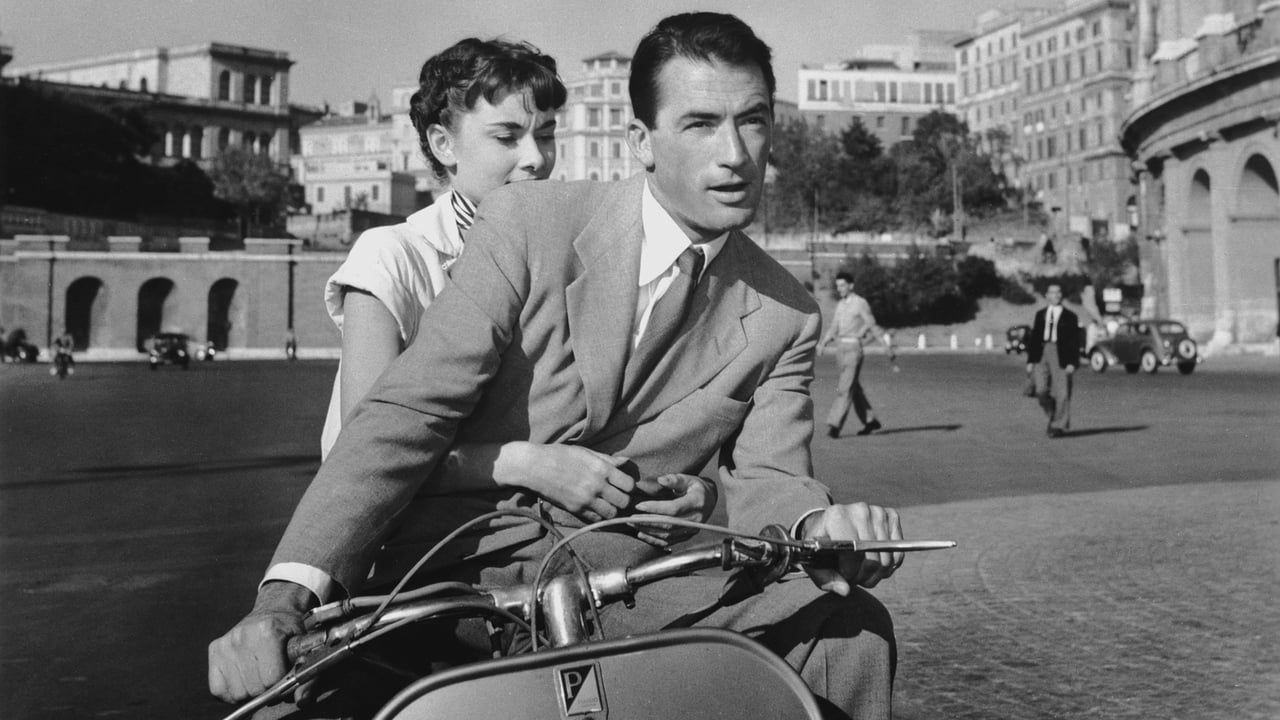
I watched this while nursing a lukewarm cup of peppermint tea that I’m 90% sure had a drowned fruit fly in it, but honestly, Audrey Hepburn is so radiant I barely cared. She arrived in this film like a lightning bolt from a clear sky. While she’s now a permanent fixture on dorm room posters and Tiffany’s ads, it’s easy to forget that she was a complete unknown when this was filmed. Gregory Peck, already a massive titan of the industry, was originally supposed to have sole star billing. Halfway through filming, however, he called his agent and told him to put Hepburn’s name above the title alongside his own. He knew he was witnessing the birth of a legend, and he didn't want to look like an idiot when she inevitably won the Oscar.
The Royal and the Rogue
The setup is the ultimate "grass is greener" fantasy. Audrey Hepburn plays Princess Ann, a royal so suffocated by schedules and "thank yous" that she has a full-blown hysterical meltdown involving a nightgown and some very sensible shoes. After being sedated by a doctor, she escapes her embassy and ends up unconscious on a public bench. Enter Joe Bradley, played by Gregory Peck with a mix of weary cynicism and surprising physical comedy. Joe is a reporter who sees the sleeping girl not as a damsel in distress, but as a winning lottery ticket.
What makes their chemistry work isn't just the "opposites attract" trope; it’s the way they both seem to be playing a game. Peck is playing the "I don't know who you are" game to get a story, while Hepburn is playing the "I’m just a normal girl named Anya" game to taste freedom. Joe Bradley is actually a bit of a jerk for 75% of the movie, and that’s why the romance feels earned. He starts out ready to exploit her for a paycheck and ends up protecting her from the very world he inhabits.
The supporting work by Eddie Albert as the frantic photographer Irving Radovich adds a necessary layer of comedic chaos. His "secret" camera—a oversized lighter—is a delightful bit of 1950s tech, and his constant near-misses with exposing the truth keep the pacing from ever feeling sluggish.
Behind the Mouth of Truth
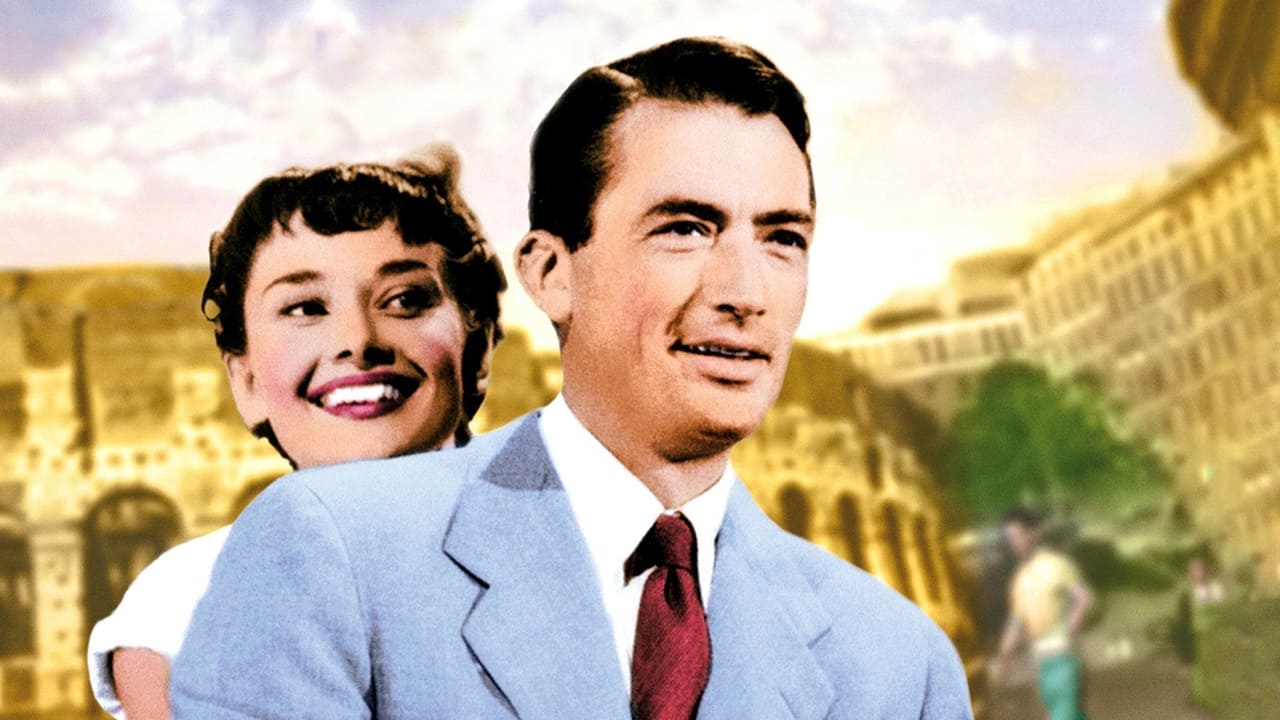
There’s a playful energy to this film that feels remarkably modern despite the 70-year gap. Take the famous "Mouth of Truth" scene. In the script, Joe was just supposed to tell Ann the legend of the stone face biting off the hands of liars. On the day of shooting, Peck decided to pull a prank. He tucked his hand into his sleeve as he pulled it out of the statue’s mouth, and Hepburn’s terrified scream and genuine shock were so perfect that Wyler kept the first take. It’s a moment of pure, unscripted joy that captures the essence of their characters' blossoming trust.
However, the film’s production wasn't all sunshine and Vespas. The screenplay holds a heavy piece of Hollywood history: it was written by Dalton Trumbo, who was blacklisted during the Red Scare and couldn't have his name on the project. For decades, the credit went to Ian McLellan Hunter. It wasn't until 2011 that the WGA finally restored Trumbo's credit. Knowing that this story about seeking freedom was penned by a man being persecuted for his political beliefs adds a poignant, subtextual weight to Ann’s desire to escape her "palace" prison.
A Masterclass in Bittersweet Restraint
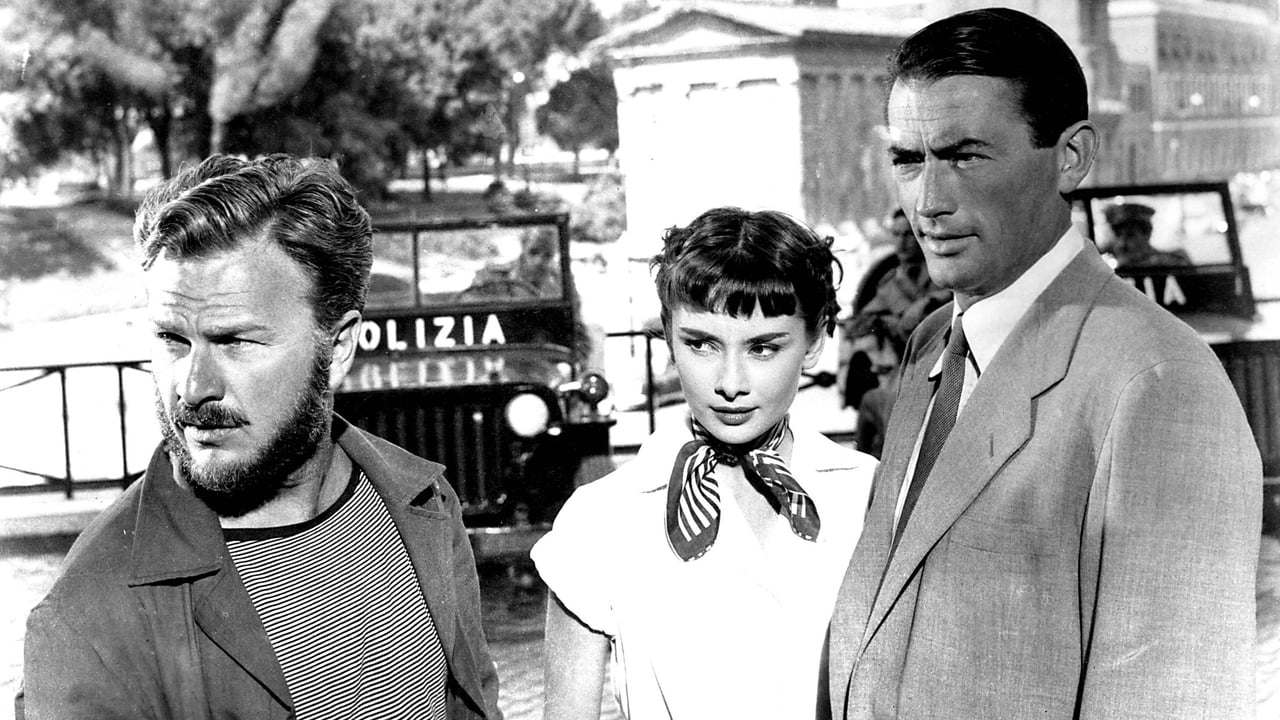
While the film is often categorized as a lighthearted rom-com, the final act is where it earns its "Drama" badge. The Production Code of the era was strict—you couldn't exactly have a Princess run off with a commoner and live happily ever after without causing a diplomatic incident (or a censorial one). But the ending doesn't feel like a compromise; it feels like the only honest conclusion.
The final scene in the embassy press conference is a miracle of facial acting. There are no grand speeches, just loaded glances and a shared secret between two people who know their day in the sun is over. The haircut scene is the most stressful three minutes in 1950s cinema, symbolizing Ann’s temporary shedding of her royal identity, but the final walk away from the camera is what lingers. It’s a reminder that some of the best stories don't end with a wedding, but with the quiet dignity of having lived a little.
Roman Holiday remains the gold standard for location-based storytelling and star-making turns. It’s a film that manages to be both a breezy travelogue and a deeply felt character study without ever breaking a sweat. Whether you're here for the fashion, the history, or the sheer charisma of its leads, it’s a trip worth taking every single time. If you haven't seen it yet, do yourself a favor: grab some gelato, find a comfortable spot, and let William Wyler show you Rome through the eyes of a princess.


Keep Exploring...
-

Lady and the Tramp
1955
-
Sabrina
1954
-
Breakfast at Tiffany's
1961
-

The Lost Boys
1987
-
High Fidelity
2000
-
Punch-Drunk Love
2002
-
Just Like Heaven
2005
-

Stranger Than Fiction
2006
-
The Ballad of Buster Scruggs
2018
-

Licorice Pizza
2021
-

To All the Boys: Always and Forever
2021
-

Anora
2024
-

Paterson
2016
-

The Graduate
1967
-
Buffalo '66
1998
-
Lost in Translation
2003
-

The First Time
2012
-

Singin' in the Rain
1952
-
The African Queen
1952
-

Gentlemen Prefer Blondes
1953