Tokyo Story
"Disappointment is the ultimate family heirloom."
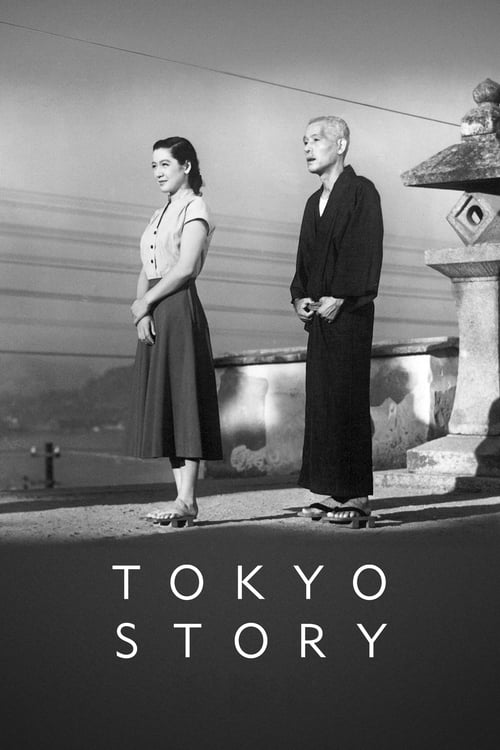
I watched Tokyo Story on my laptop while my neighbor was outside power-washing their driveway. The aggressive, high-pressure screech of water against concrete was the worst possible soundtrack for a film famously defined by its stillness, yet somehow, the contrast worked. It reminded me that the world doesn’t stop spinning just because your heart is breaking in a quiet room. That’s essentially the thesis of Yasujirō Ozu’s 1953 magnum opus: life is a series of small, polite cruelties that we all just agree to call "being busy."
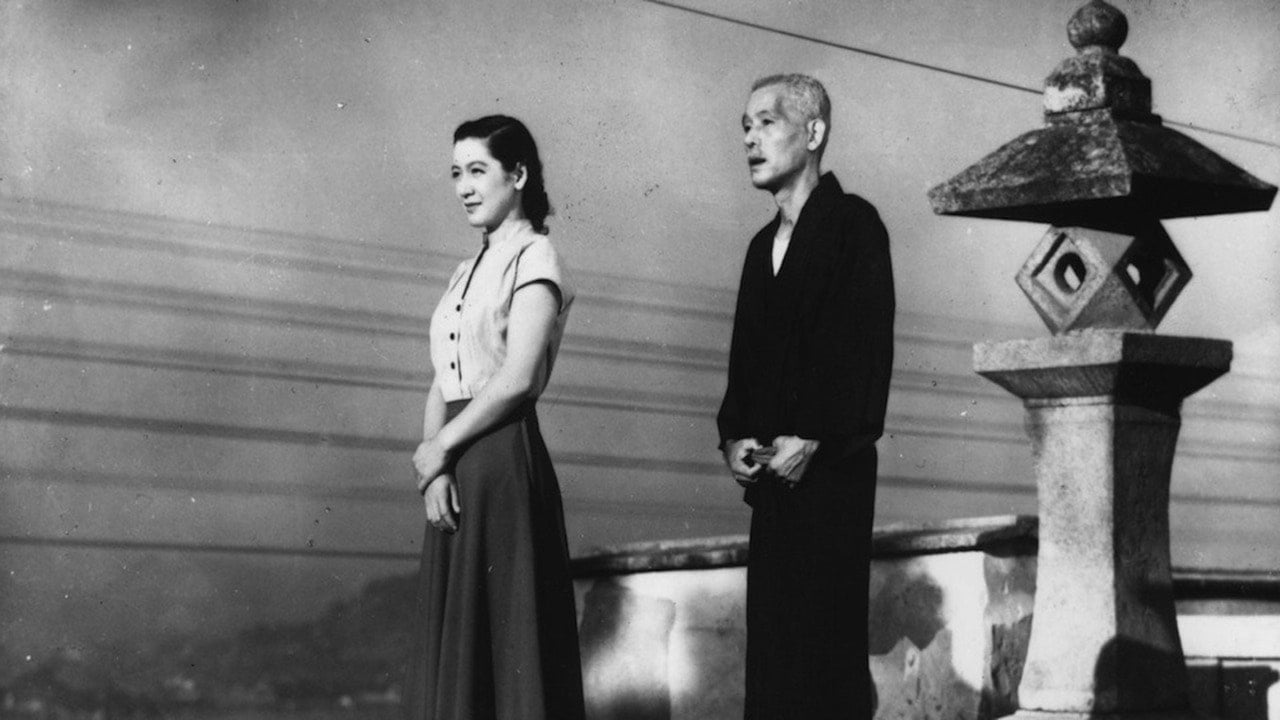
For a lot of modern viewers, a black-and-white Japanese drama from the fifties sounds like the cinematic equivalent of eating your vegetables. It has this reputation for being "difficult" or "slow," mostly because Ozu refuses to move his camera. He famously used a "tatami shot"—placing the lens about two feet off the ground, the height of a person sitting on a traditional mat. But once you settle into that perspective, you realize you aren't watching a movie; you’re eavesdropping on a family’s soul. This movie is a slow-motion car crash of the human spirit.
The Politeness of Neglect
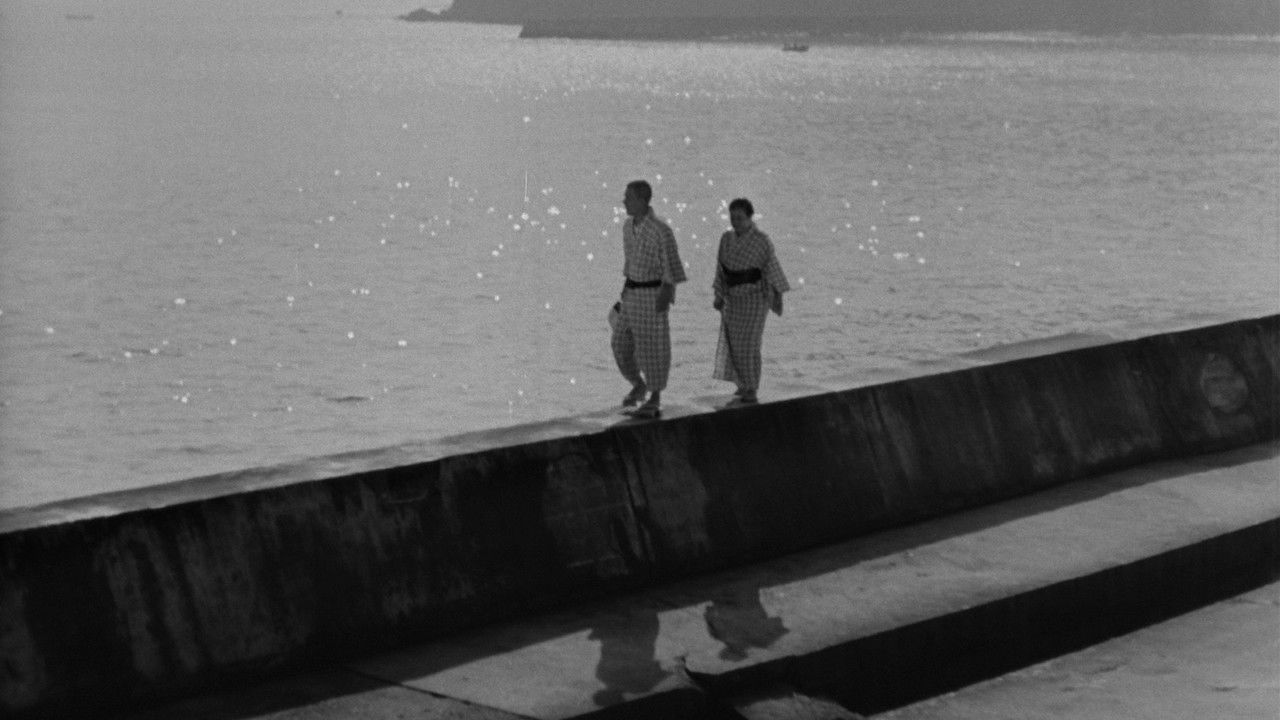
The plot is deceptively simple, almost mundane. An elderly couple, Shukichi (Chishū Ryū) and Tomi (Chieko Higashiyama), travel from their sleepy coastal village to Tokyo to visit their grown children. They expect a warm reunion. Instead, they find their eldest son, a neighborhood doctor (So Yamamura), and their daughter, a high-strung beautician (Haruko Sugimura), treating them like a logistical problem to be solved.
There are no shouting matches or dramatic betrayals. The tragedy is in the scheduling. The children are "too busy" to take their parents sightseeing, so they pawn them off on a cheap hot-springs resort just to get them out of the house. It’s devastating because it’s relatable. We’ve all been that child checking our watch while a parent tells a story we’ve heard a dozen times. Ozu doesn't make the children villains; he makes them modern. They’ve traded the traditional filial piety of Old Japan for the frantic pace of the post-war economic boom.
The only person who treats the couple with genuine, unhurried warmth is Noriko, played by the luminous Setsuko Hara. She’s the widow of their son who went missing in the war. She has no biological obligation to them, yet she’s the only one who truly sees them. Setsuko Hara (who also starred in Ozu's Late Spring) gives a performance so layered with "smiling sadness" that it makes most modern acting look like a temper tantrum.
A Masterclass in Stillness
If you’re used to the rapid-fire editing of a Marvel flick or even the sweeping melodramas of 1950s Hollywood, Tokyo Story will feel like a different planet. While MGM was busy promoting Technicolor spectacles like Singin' in the Rain, Ozu and his longtime screenwriter Kōgo Noda were stripping cinema down to its barest essentials.
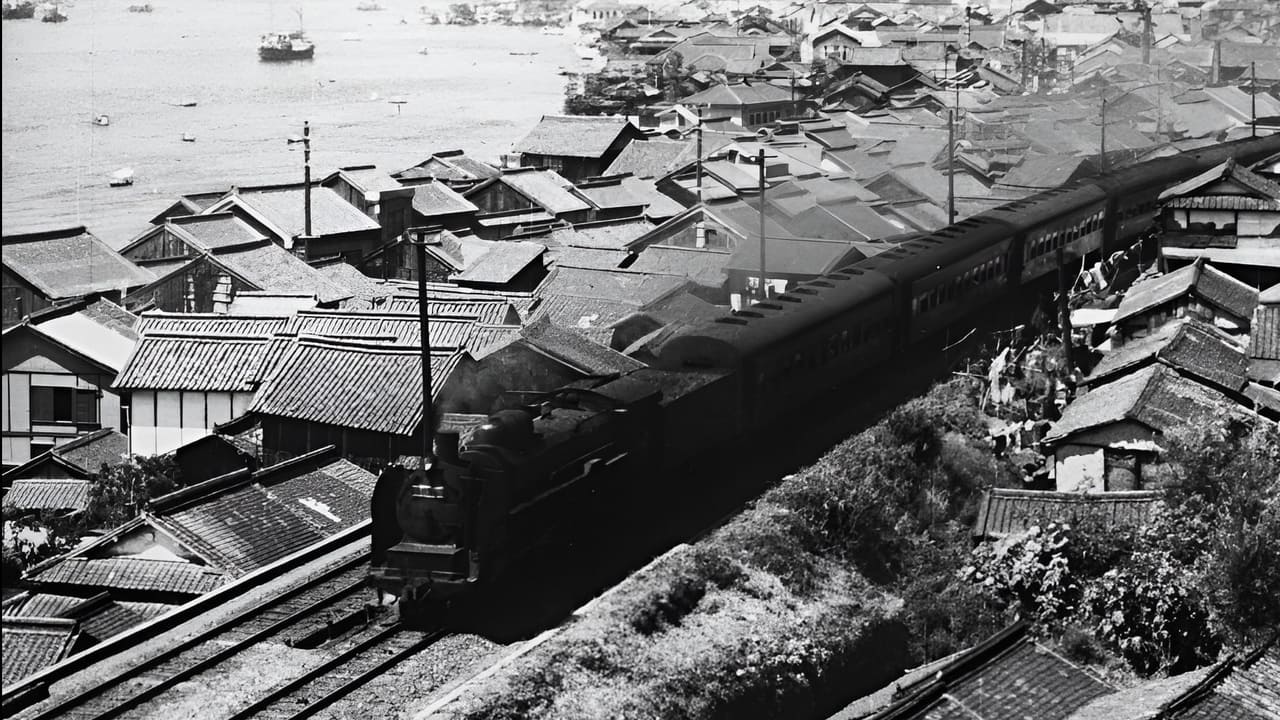
There are these moments called "pillow shots"—still images of a train whistle, a laundry line, or a rooftop—that act as visual commas between scenes. They give you time to breathe and process the emotional weight of what just happened. It’s a philosophical choice. Ozu is telling us that the scenery remains the same whether we are happy or dying. There’s a profound sense of "Mono no aware" here—the Japanese term for the pathos of things and the awareness of impermanence.
One of the best "behind-the-scenes" tidbits I’ve found is that Ozu and Kōgo Noda reportedly hammered out this script at a seaside inn, fueled by staggering amounts of sake. There’s something beautifully human about the fact that such a sober, disciplined film was born from two friends getting tipsy and talking about how much life can hurt.
Why It Almost Stayed "Obscure"
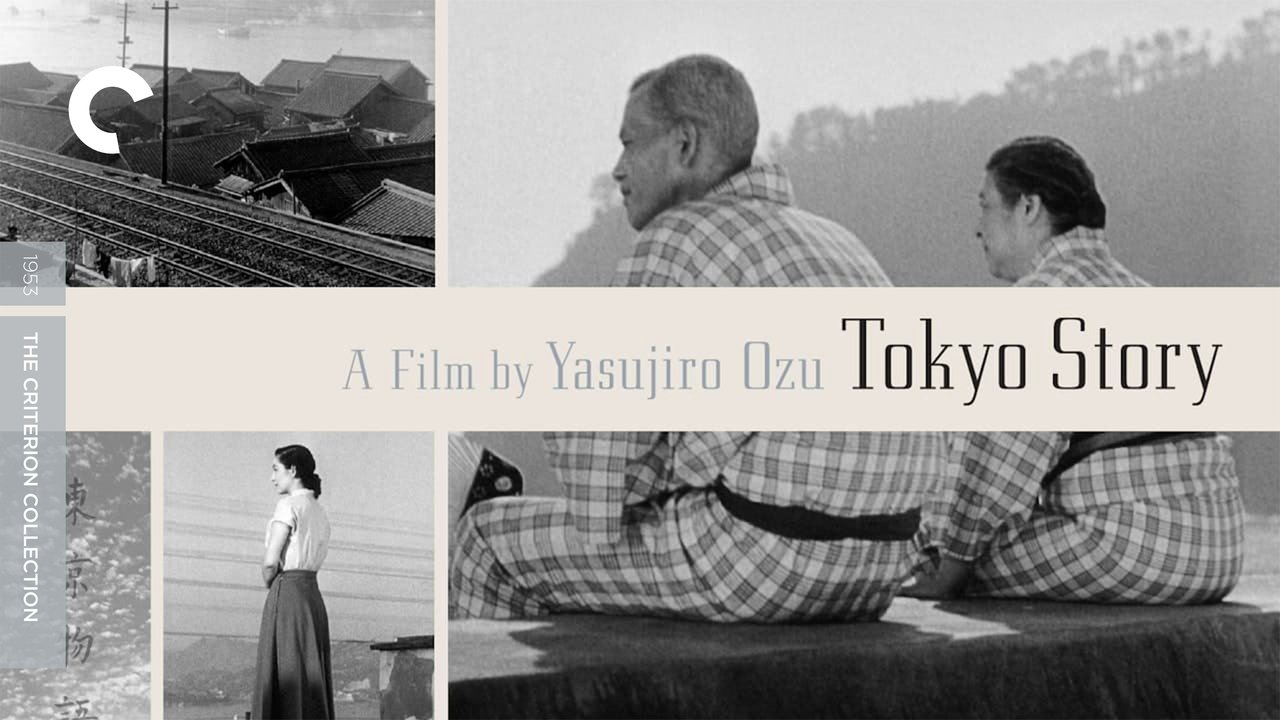
It’s hard to believe now, but Tokyo Story was almost never seen outside of Japan. Exporting it was initially considered a bad move because it was deemed "too Japanese." Distributors thought Western audiences, accustomed to the grand narratives of directors like John Ford, wouldn't have the patience for a story about an old man sitting on a floor.
It wasn't until the film finally hit a London festival in the late 1950s—years after its release—that the world realized it was looking at a universal masterpiece. It turns out that the feeling of your kids outgrowing you is a concept that translates quite well across any border. Ironically, the film was heavily influenced by a 1937 Hollywood movie called Make Way for Tomorrow, but while the American version leans into the sentimentality, Ozu keeps his distance. He lets the silence do the screaming.
The ending of Tokyo Story doesn't offer a tidy resolution or a big emotional payoff. Instead, it leaves you with a lingering, hollow ache in your chest. It’s the kind of film that makes you want to call your parents immediately, even if only to listen to them complain about the weather. It asks the big, scary philosophical questions: At what point do we stop being people to our families and start being burdens? Is the loneliness of old age just the tax we pay for living a long life? It’s not a "fun" watch in the traditional sense, but it’s a necessary one. If you can survive the first twenty minutes of adjustment to its pace, I promise it will stay with you longer than almost any other movie you'll see this year.

Keep Exploring...
-

Ikiru
1952
-
Throne of Blood
1957
-
The Treasure of the Sierra Madre
1948
-

All About Eve
1950
-
La Strada
1954
-
Sabrina
1954
-
Rebel Without a Cause
1955
-
Wild Strawberries
1957
-
The Grapes of Wrath
1940
-

Laura
1944
-
Seven Samurai
1954
-
Hiroshima Mon Amour
1959
-

Bicycle Thieves
1948
-
Sunset Boulevard
1950
-
High Noon
1952
-

The Ten Commandments
1956
-
12 Angry Men
1957
-
The Seventh Seal
1957
-
A Streetcar Named Desire
1951
-
The Day the Earth Stood Still
1951