Dial M for Murder
"One wrong number. One perfect motive. One fatal mistake."
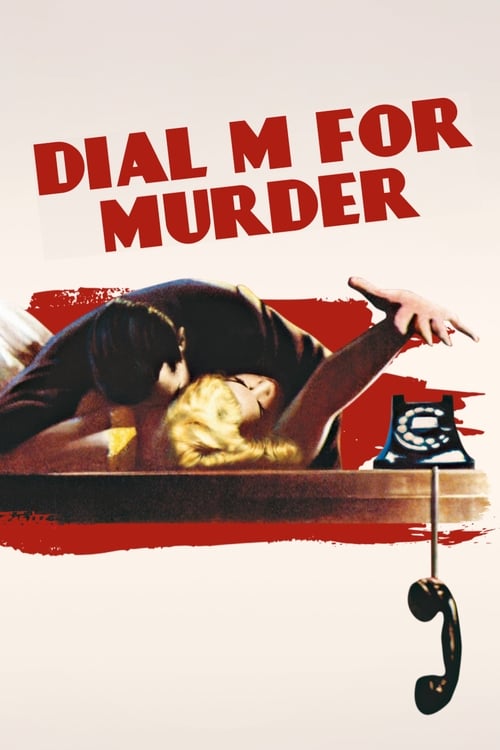
Most people, when they think of Alfred Hitchcock, immediately conjure up the image of a shower curtain or a swarm of birds. But for me, the most terrifying thing he ever put on screen wasn't a psycho in a wig; it was a man sitting calmly in a tuxedo, calculating the exact cost of a human life. I watched this on a rainy Tuesday while ignoring a pile of laundry that had reached sentient heights, and honestly, the domestic coldness of this film made me glad I only have to negotiate with a toaster and a very judgmental cat.
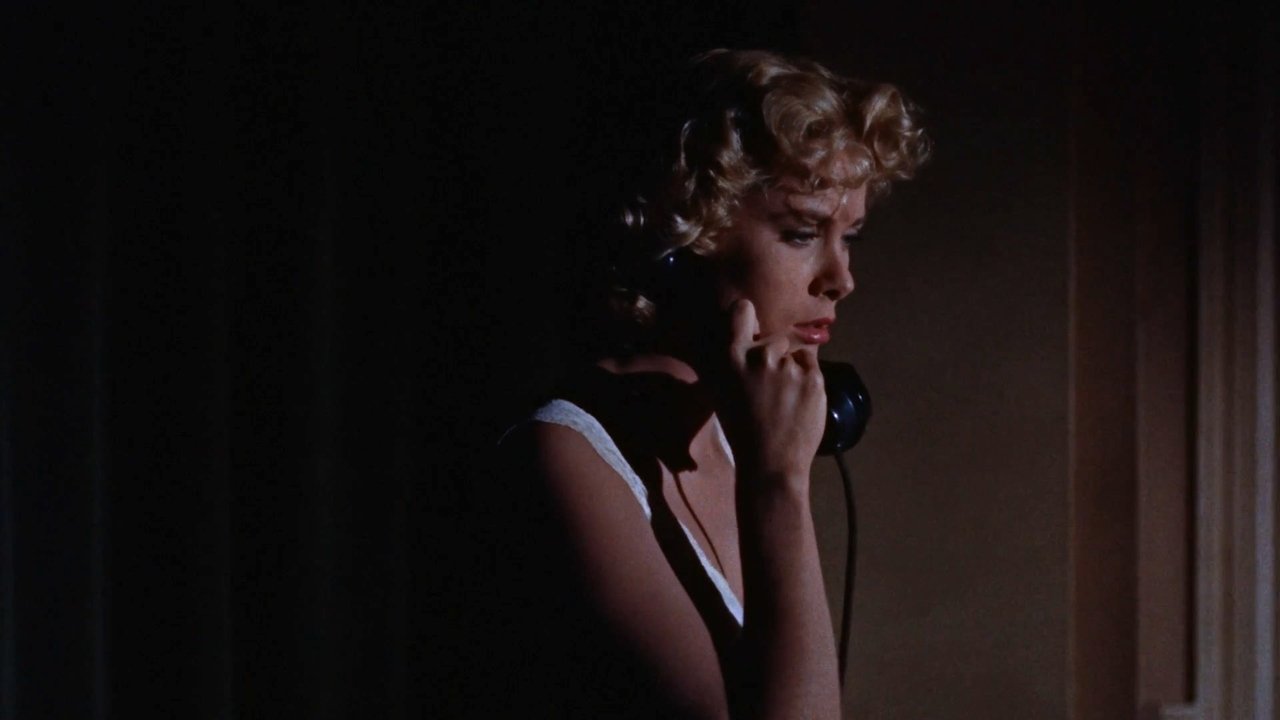
Dial M for Murder is a fascinating beast because it shouldn't work as a movie. It’s essentially a filmed stage play—most of it takes place in a single London living room—and yet, through Hitchcock’s lens, that room feels like a shrinking cage. It’s a dark, clinical look at the mechanics of betrayal, and it features one of the most chillingly polite villains in cinema history.
The Most Polite Sociopath in London
The engine of this film is Ray Milland, and frankly, Tony Wendice is the only man who could make a logistics spreadsheet feel like a threat to your life. As a retired tennis pro who discovers his wife is having an affair, Ray Milland doesn't scream or break plates. Instead, he spends months meticulously planning her death to secure her inheritance. There’s a quiet, predatory intensity to his performance that is genuinely unsettling. He’s so charming and helpful that you almost—almost—find yourself rooting for him to get away with it, just because he’s put so much work into the paperwork.
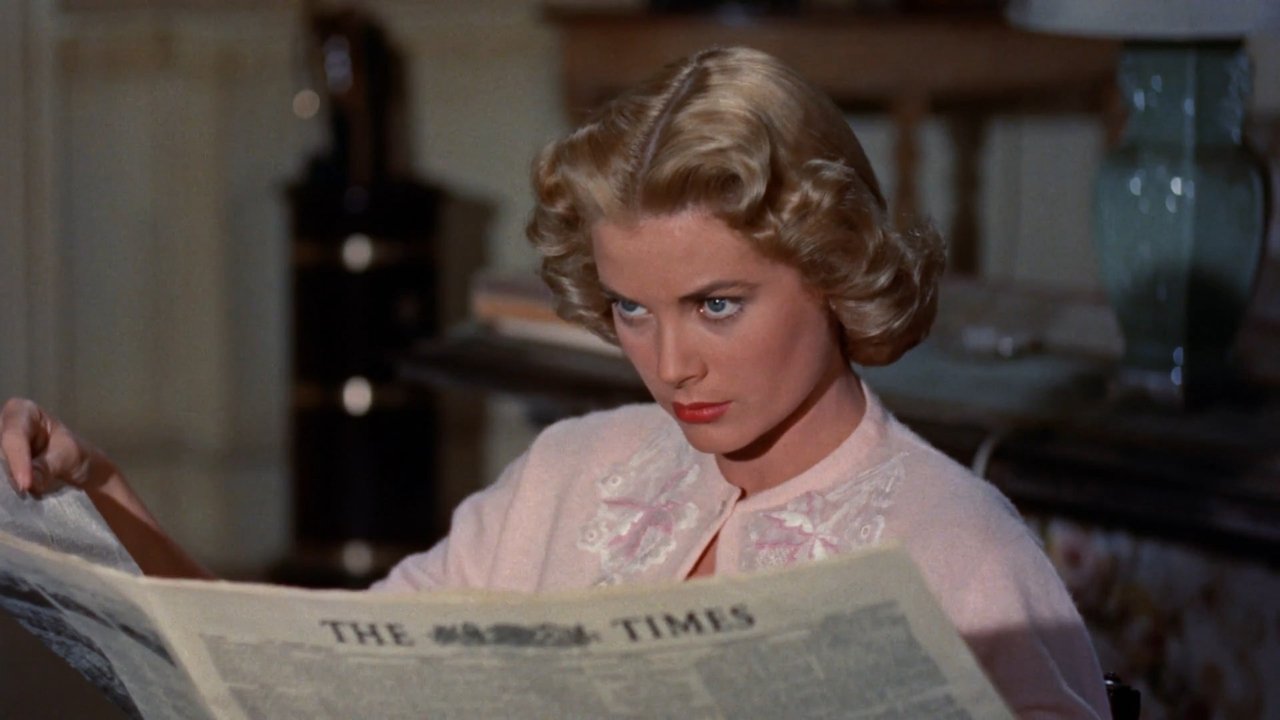
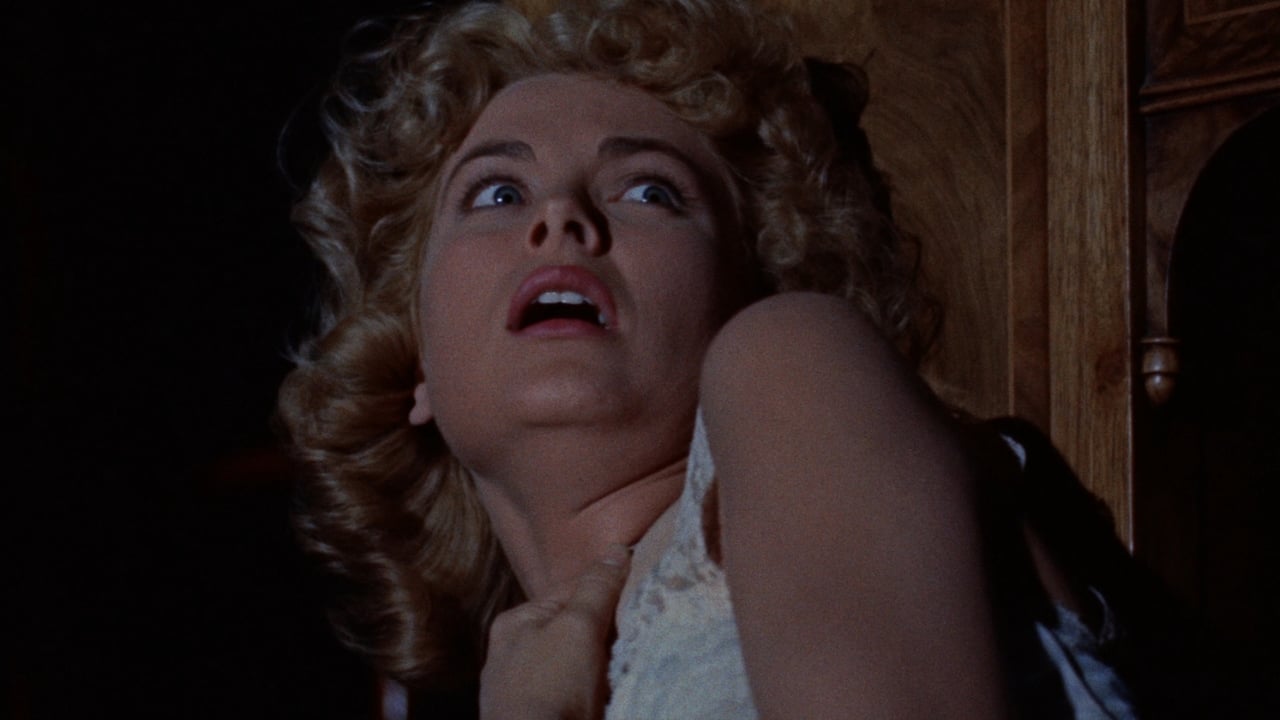
Opposite him, we have Grace Kelly in her first of three collaborations with Hitchcock. She plays Margot Wendice with a fragile, mounting dread. As the plot tightens around her, you see her color literally drain away—not just from her face, but from her wardrobe. Hitchcock, ever the obsessive stylist, started her in bright, vibrant dresses and slowly transitioned her into drab greys as the legal noose began to tighten. It’s subtle, visual storytelling that tells you Margot is being erased long before the trial even starts.
Then there’s the lover, played by Robert Cummings, who, if I’m being honest, is essentially a well-dressed piece of background furniture. He’s the "hero," but compared to the sharp-edged intelligence of the villain and the cold efficiency of the law, he feels like he’s wandered in from a much lighter, fluffier movie.
3D Gimmicks and the Giant Finger
One of the coolest things about the production is that Hitchcock actually shot this in 3D during the brief 1950s craze for the format. Because he was confined to one room, he used the technology to create depth rather than just throwing things at the audience. He even had a giant, oversized prop telephone and a massive wooden finger built for the close-up of the dialing sequence, just to ensure the 3D effect would pop.
Even in 2D, you can feel that depth. He places lamps, bottles, and furniture in the foreground, making us feel like we’re eavesdropping from behind the sofa. It’s voyeurism at its peak. The famous murder scene—the one with the scissors—is a masterpiece of sustained, ugly tension. It isn't "movie violence"; it’s a desperate, sweaty, unglamorous struggle. The way the light hits Anthony Dawson as the hired killer Swann, and the sheer panic in Grace Kelly’s eyes, turns a stagey premise into a claustrophobic nightmare.
The Inspector and the Perfect Trap
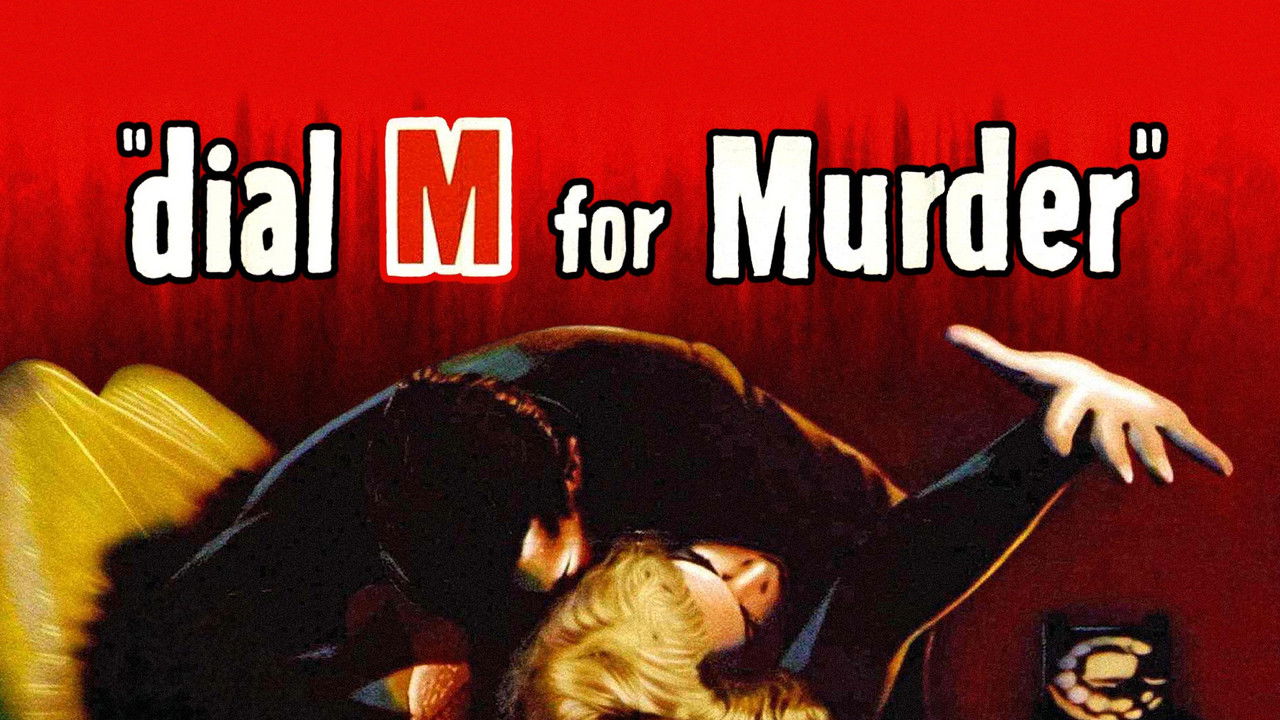
When the plan inevitably goes sideways, the film shifts from a "how-will-he-do-it" to a "how-will-they-catch-him." Enter John Williams as Chief Inspector Hubbard. Reprising his role from the original Broadway play, John Williams brings a dry, methodical wit that provides the only real oxygen in the room. He doesn't need high-speed chases; he just needs a raincoat and a very specific set of keys.
The tension in the final twenty minutes is all about the subtext. It’s a battle of manners. Hitchcock understood that the Golden Age audience was bound by social decorum, so he used that against them. The horror isn't that a man wants to kill his wife; it’s that he’s doing it while offering his guests a drink. It’s a dark, cynical world where the person holding the door for you might also be measuring you for a coffin.
This isn't Hitchcock at his most experimental, but it’s him at his most disciplined. It’s a film that demands you pay attention to the small things—a latch, a pair of scissors, a stray stocking, and the exact location of a latchkey. While the middle section can feel a bit talky if you aren't in the right headspace, the payoff is one of the most satisfying "gotcha" moments in the genre. If you’ve ever looked at your spouse and wondered what they’re really thinking while they stare at the phone, this movie will give you exactly the kind of delightful chills you're looking for.

Keep Exploring...
-
Strangers on a Train
1951
-
To Catch a Thief
1955
-

Vertigo
1958
-
Rope
1948
-
Rear Window
1954
-
The Man Who Knew Too Much
1956
-
North by Northwest
1959
-

Rebecca
1940
-
Suspicion
1941
-
Spellbound
1945
-
Notorious
1946
-
Shadow of a Doubt
1943
-
The Night of the Hunter
1955
-
The Killing
1956
-
Touch of Evil
1958
-
Frenzy
1972
-
The Maltese Falcon
1941
-
Double Indemnity
1944
-
The Big Sleep
1946
-
Witness for the Prosecution
1957