On the Waterfront
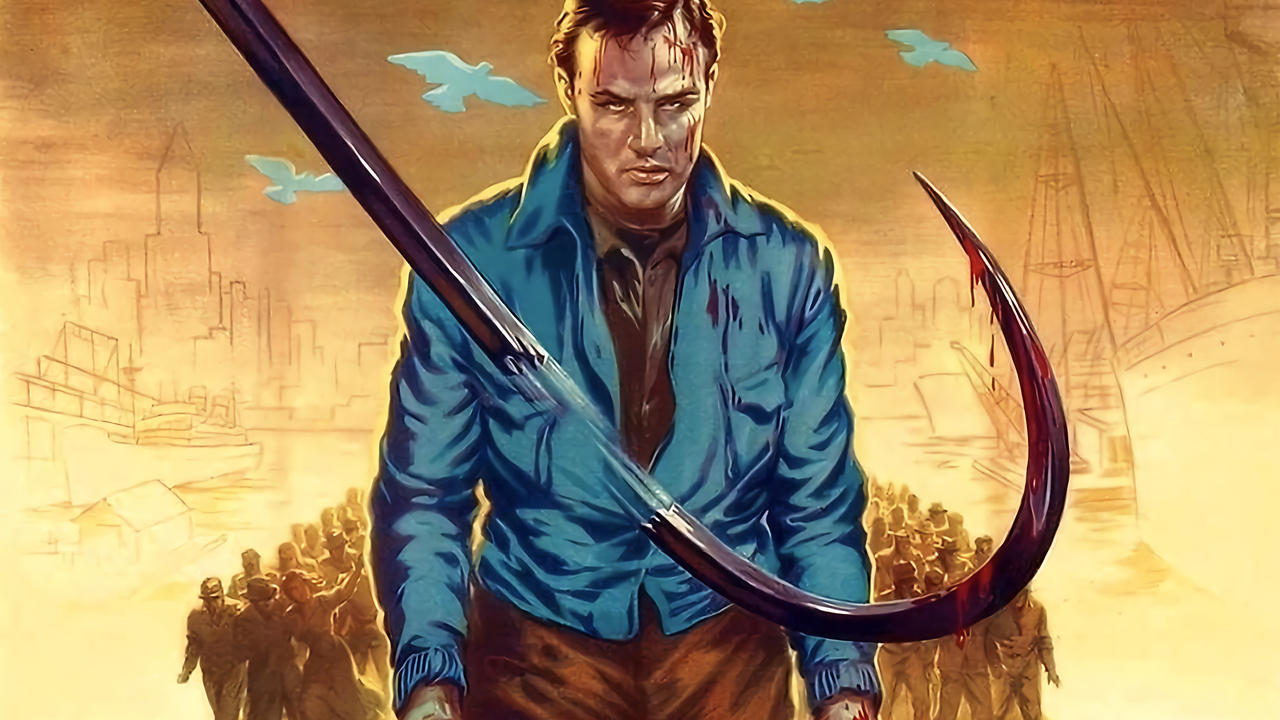
"One man’s conscience against the dockside jungle."
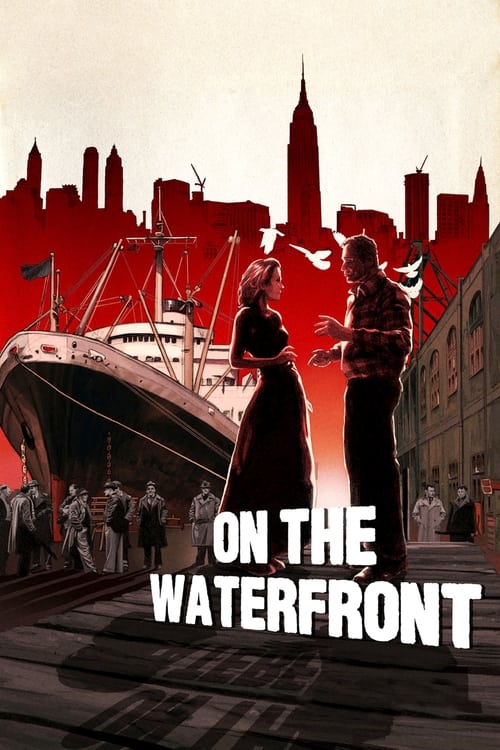
The fog in 1954 Hoboken didn't just hide the cargo ships; it smothered the last remnants of the polished, stage-managed glamour that had defined Hollywood’s Golden Age. While other studios were busy painting Technicolor dreams of musicals and high-society romps, director Elia Kazan and screenwriter Budd Schulberg took a camera crew into the freezing, salt-crusted reality of the New Jersey docks. They didn't come back with a movie; they came back with a bruise.
I watched this latest viewing while my neighbor was operating a leaf blower for three straight hours, and strangely, the persistent, mechanical drone outside my window only heightened the industrial anxiety of the film’s waterfront. It’s a movie that feels like it’s made of iron, soot, and bad choices.
The Death of the "Stagey" Actor
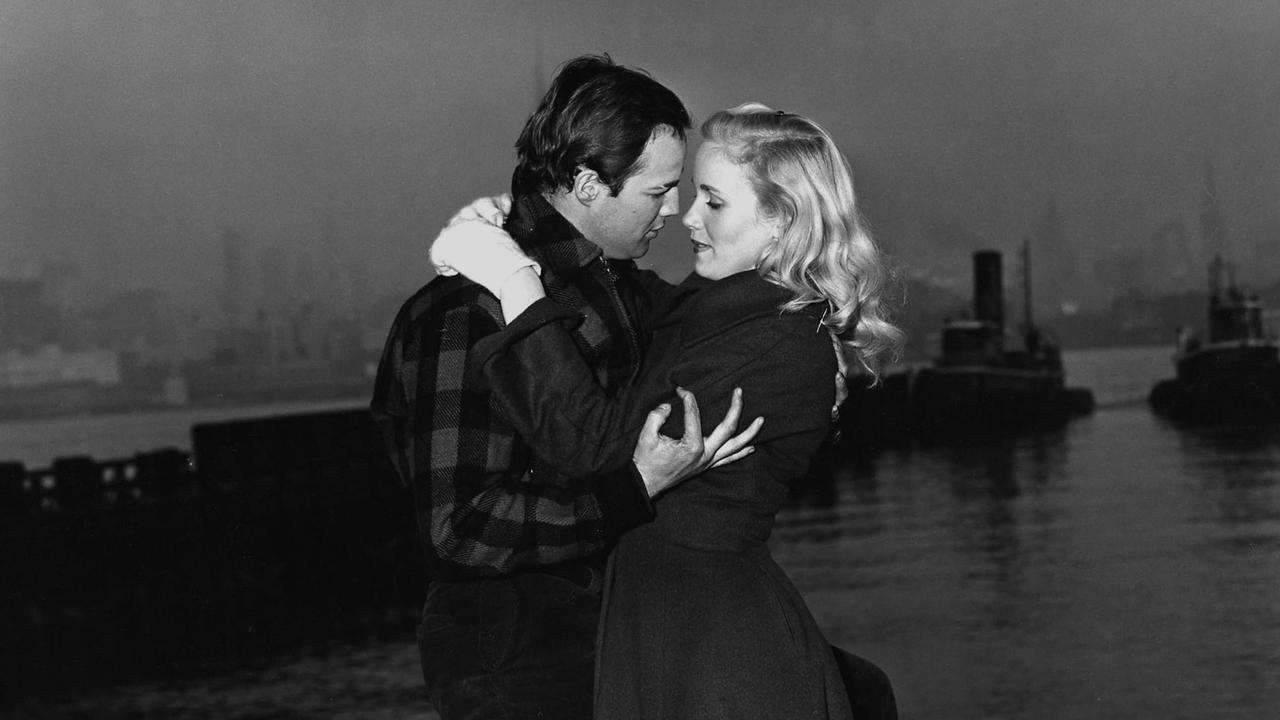
Before this film, acting in Hollywood often felt like a series of practiced declarations. Then came Marlon Brando. As Terry Malloy, a "bum" who "coulda been a contender," Brando doesn't just deliver lines; he inhabits a skin that seems two sizes too small for his soul. He mumbles, he looks at the ground, and he fidgets with a lady’s glove in a way that feels so private it’s almost uncomfortable to watch. If you think modern acting is all about "the vibe," you’re looking at the man who invented the blueprints.
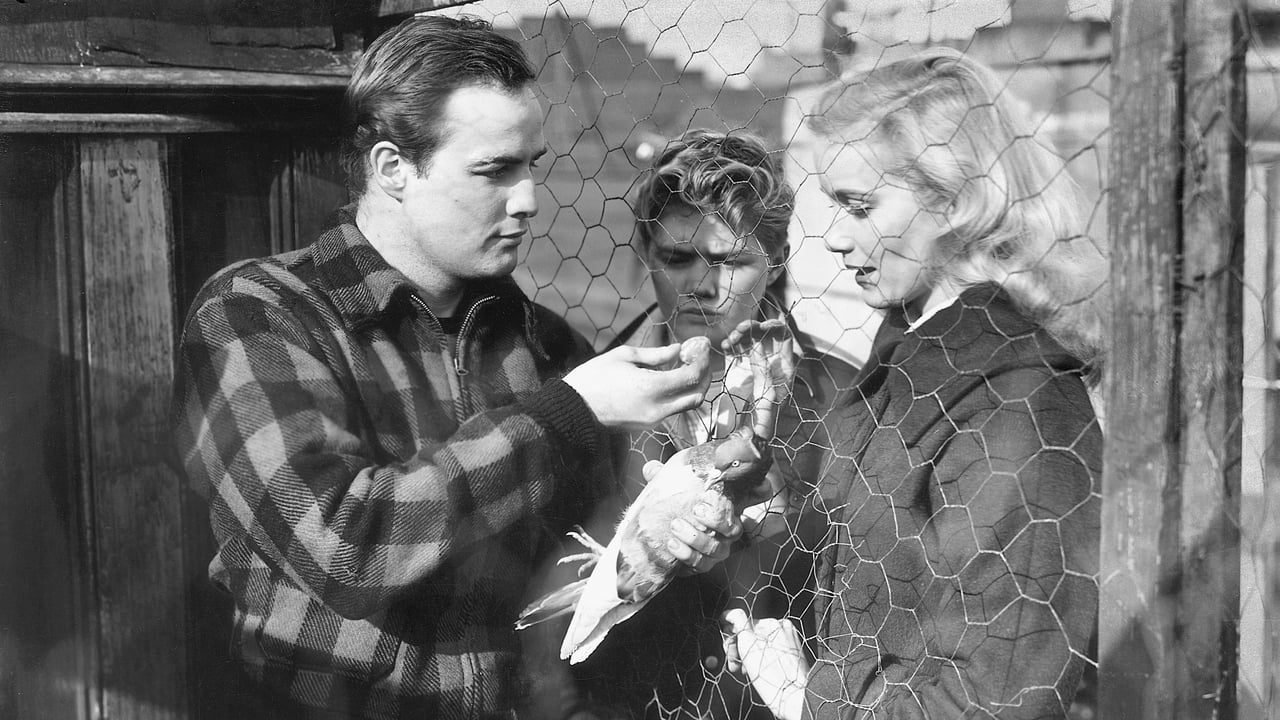
The chemistry between Brando and Eva Marie Saint, playing Edie Doyle, is the film's unexpected heartbeat. Edie isn't just a damsel; she’s the personification of a conscience Terry didn't know he still owned. When they walk through the park and he picks up her dropped glove—a moment that was entirely improvised because Brando just felt like doing it—you see the shift from a crime drama to a deeply personal tragedy. Saint won an Oscar for this, her film debut, and she earned it by being the only person on screen who looks like she hasn't been beaten down by the docks for twenty years.
The Grime of the Independent Spirit
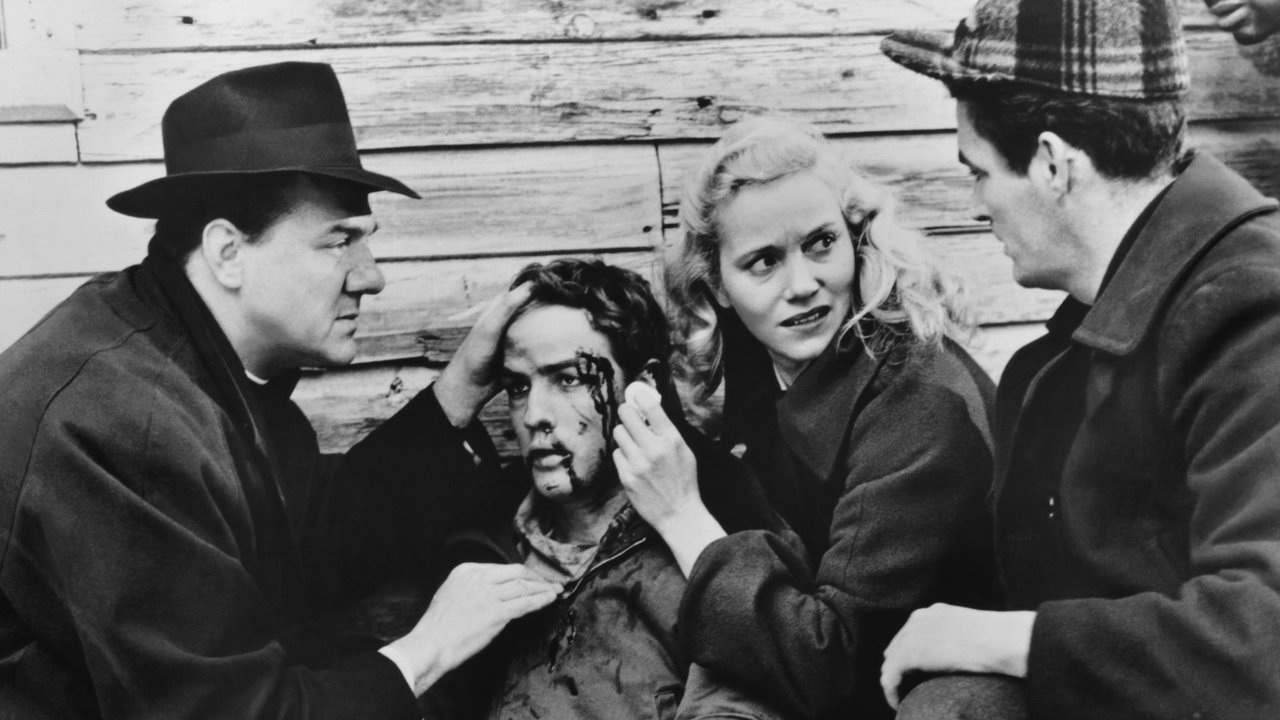
While Columbia Pictures put their name on it, On the Waterfront breathes the air of an indie production. With a budget of less than a million dollars, the production couldn't afford the luxuries of a climate-controlled soundstage. They shot in the dead of winter in Hoboken. The breath you see coming out of Karl Malden’s mouth as Father Barry isn't a special effect; the man was actually freezing his collar off.
This location shooting gives the film a weight that the "backlot" movies of the era simply lack. You can almost smell the dead fish and the cheap cigars. This was a "passion project" born of a very dark place. Both Kazan and Schulberg had recently testified before the House Un-American Activities Committee (HUAC), naming names of former Communist associates. The film’s central theme—that "ratting" or "peaching" is actually an act of moral courage—was their cinematic defense of their real-life actions. Whether you agree with their politics or not, that defensive, cornered-animal energy is baked into every frame. The film is essentially a 108-minute justification for being a "canary," and it’s a testament to the craft that it remains so damn moving.
A Symphony of Bullies and Broken Men
The "bad guys" here aren't mustache-twirling villains; they are the system. Lee J. Cobb as Johnny Friendly is a terrifying portrait of middle-management evil—a man who thinks he’s a king because he controls who gets to work for a day’s wage. Then there’s Rod Steiger as Charley "the Gent" Malloy, Terry’s brother.

The famous taxi cab scene—the "contender" speech—is often parodied, but in context, it’s devastating. It isn't a speech about boxing; it’s a conversation about betrayal. Steiger plays the scene with a quiet, mounting realization that he has sold his brother’s life for a little bit of comfort. It’s a dark, claustrophobic moment that proves you don’t need an explosion to create an impact; you just need two guys in the back of a car and a realization that it’s too late to go back. Charley Malloy is the ultimate cautionary tale for anyone who thinks "just following orders" is a valid career path.
The score by Leonard Bernstein (his only original film score) adds a layer of operatic intensity to the grit. It’s jagged and nervous, perfectly matching the "jungle law" of the docks. By the time Terry makes his final, bloody walk toward the warehouse, the film has transcended the crime genre entirely. It becomes a secular Passion Play about the cost of standing up in a world that wants you to stay seated.
On the Waterfront remains a monolith of American cinema because it refuses to be pretty. It’s a film about the physical and spiritual price of integrity, played out in a landscape of grey fog and broken promises. It captures a moment where Hollywood stopped pretending life was a musical and started admitting it was a fight. If you’ve never seen Brando at his peak, or if you think "old movies" are all stilted and slow, watch this. It’s as sharp and dangerous as a hook on a dark pier.
Keep Exploring...
-
A Streetcar Named Desire
1951
-
The Night of the Hunter
1955
-
Witness for the Prosecution
1957
-
Anatomy of a Murder
1959
-

Some Like It Hot
1959
-

Rashomon
1950
-
Rope
1948
-
Touch of Evil
1958
-
Badlands
1974
-
The African Queen
1952
-
Pierrot le Fou
1965
-
The Killing
1956
-
The Bridge on the River Kwai
1957
-
In the Heat of the Night
1967
-

Rebecca
1940
-
Suspicion
1941
-
Spellbound
1945
-
Notorious
1946
-

Roman Holiday
1953
-
Sabrina
1954