Rear Window
"The neighbor's secret is your new obsession."
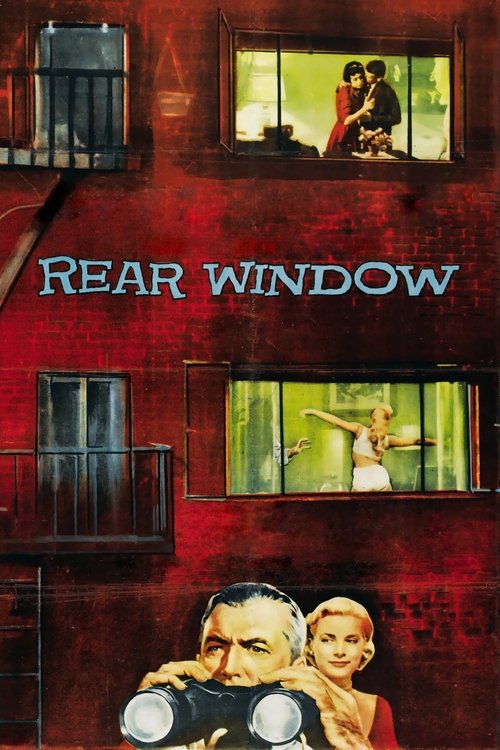
There is a specific kind of madness that sets in when you are confined to a single room during a New York summer. It’s the sweat sticking your shirt to your back, the rhythmic creak of a ceiling fan that does nothing but move the hot air around, and the growing, itchy realization that the people across the courtyard are far more interesting than your own thoughts. I watched this most recent viewing on a Tuesday night while my neighbor’s car alarm kept chirping every ten minutes, and I swear it made the suspense regarding Lars Thorwald’s garden even more unbearable. It reminded me that we are all, to some degree, looking for a distraction from our own domestic stasis.
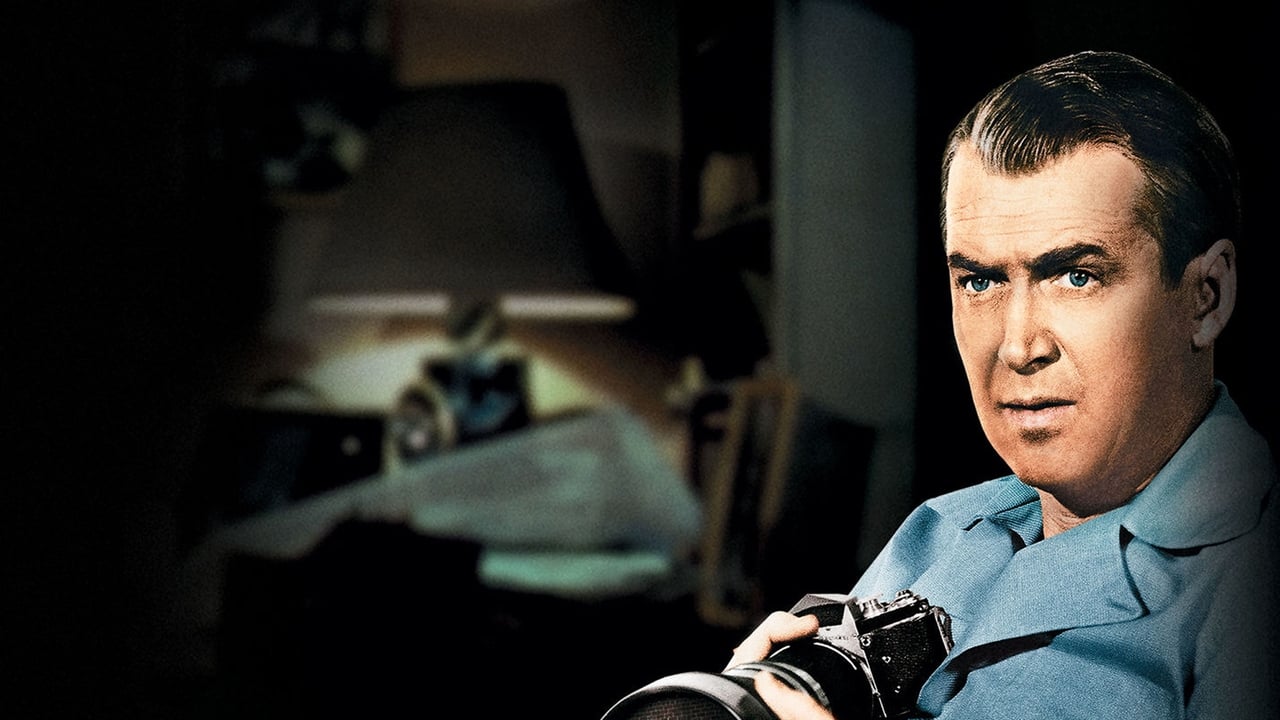
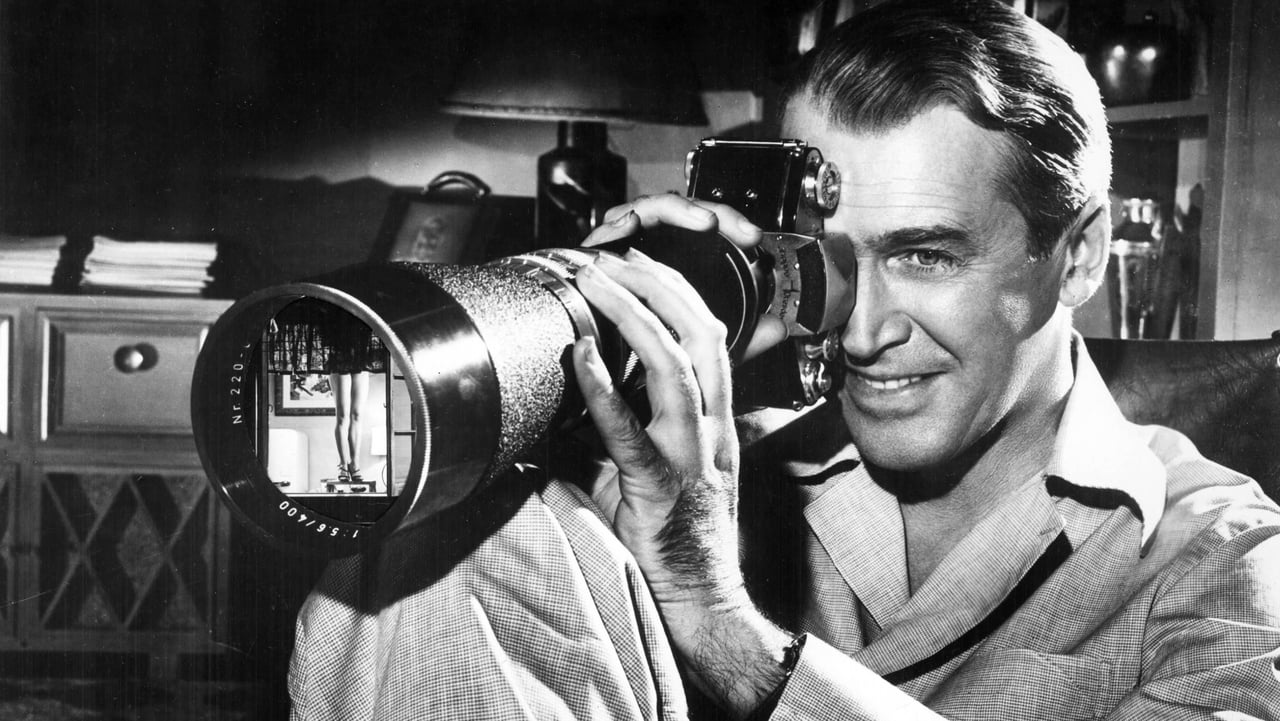
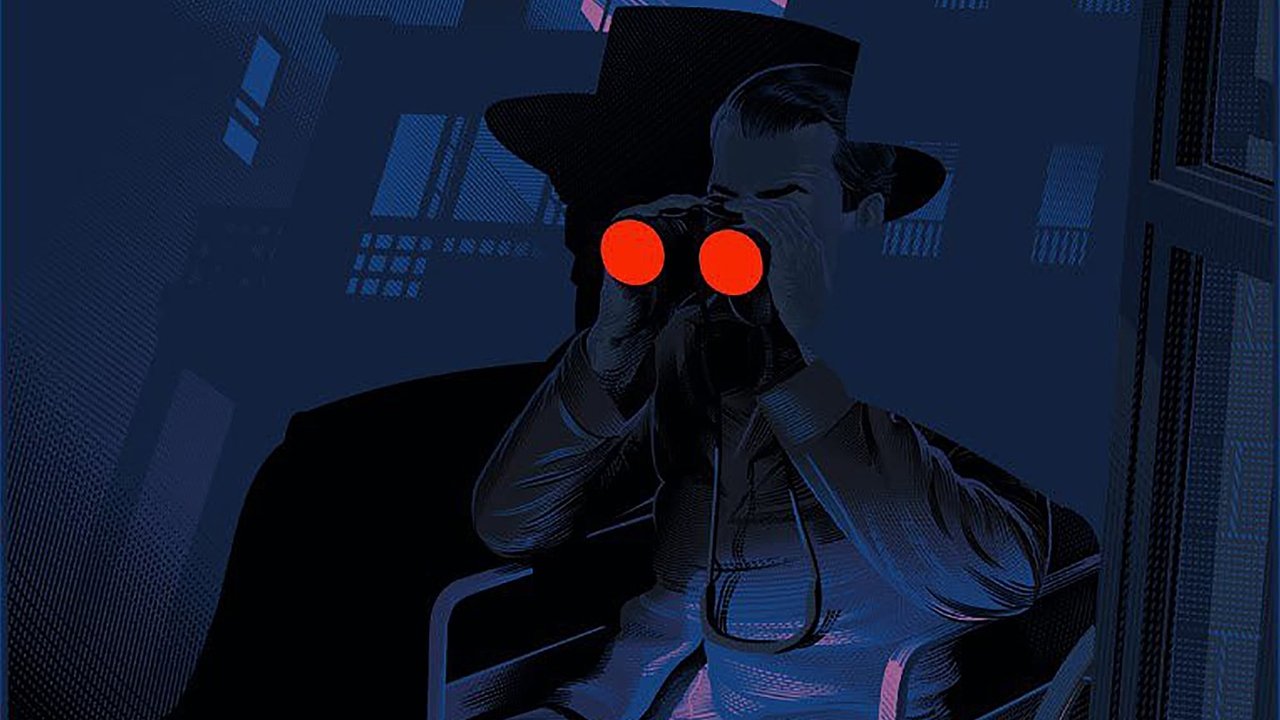
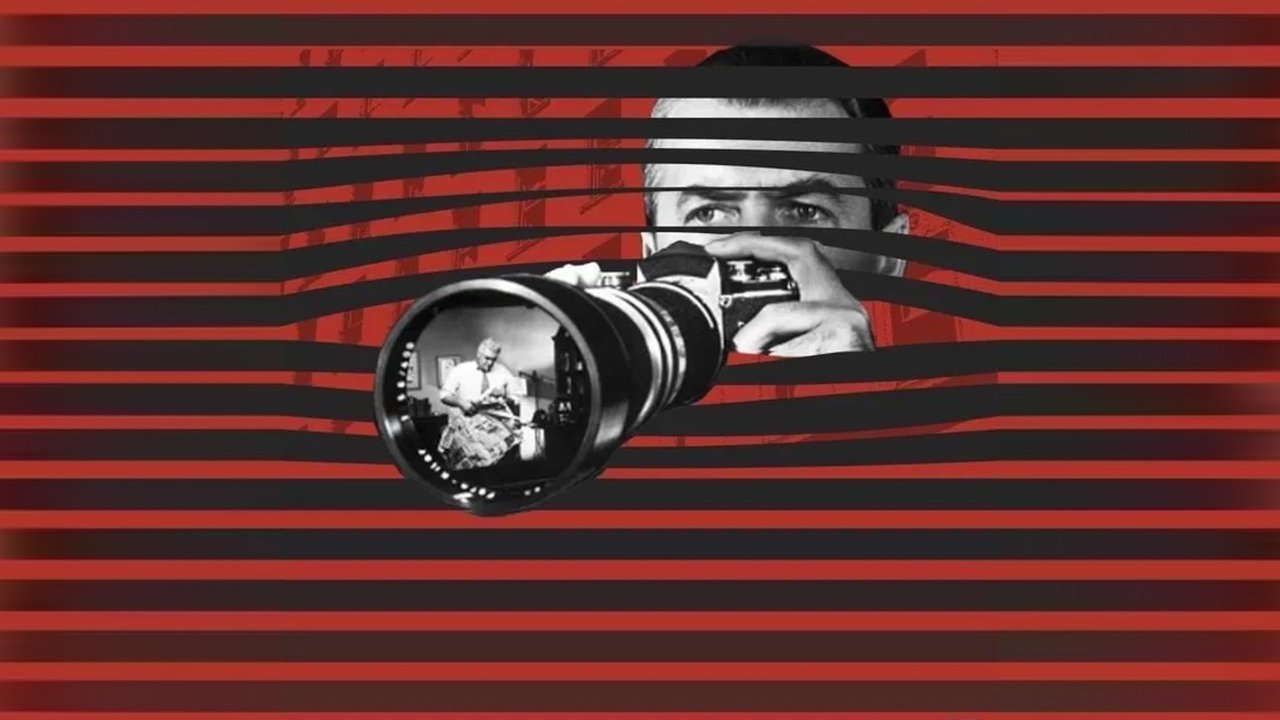
In Rear Window, James Stewart plays L.B. "Jeff" Jefferies, a professional photographer sidelined by a broken leg. He is a man of action reduced to a man of observation, and the frustration is palpable. Jefferies spends his days peering through binoculars at the various residents of his Greenwich Village apartment block—a dancer he calls "Miss Torso," a lonely woman, a struggling composer, and the mysterious Thorwald. It starts as a bored hobby, but it quickly spirals into a grim obsession when Jefferies begins to suspect that Thorwald (Raymond Burr) has murdered his nagging wife.
The Audacity of the Single Perspective
While Rear Window was produced by Alfred J. Hitchcock Productions and released through Paramount, it feels like the spiritual ancestor of the modern independent "high-concept" thriller. Hitchcock bet the house on a massive technical gamble: the entire film is shot from Jefferies' perspective within his apartment. Every piece of information we receive is filtered through his limited sightline. This isn’t just a stylistic quirk; it’s a brilliant creative solution to the problem of how to generate tension without leaving a 10-by-12-foot room.
The set itself was a triumph of industrial ingenuity. It was one of the largest indoor sets ever built at Paramount, featuring thirty-one apartments, twelve of which were fully furnished. Yet, despite the scale, the film feels remarkably intimate—even claustrophobic. Hitchcock uses the physical constraints of the courtyard to mirror Jefferies’ own psychological entrapment. By refusing to follow the "killer" into the street or show us the crime directly, the film forces us to participate in Jefferies' voyeurism. We aren't just watching a movie; we are complicit in his snooping. It's a masterclass in how a singular, uncompromised vision can overcome the formulaic "opening up" of a script that a less confident director might have demanded.
Grace Under Pressure and Fashion Under Fire
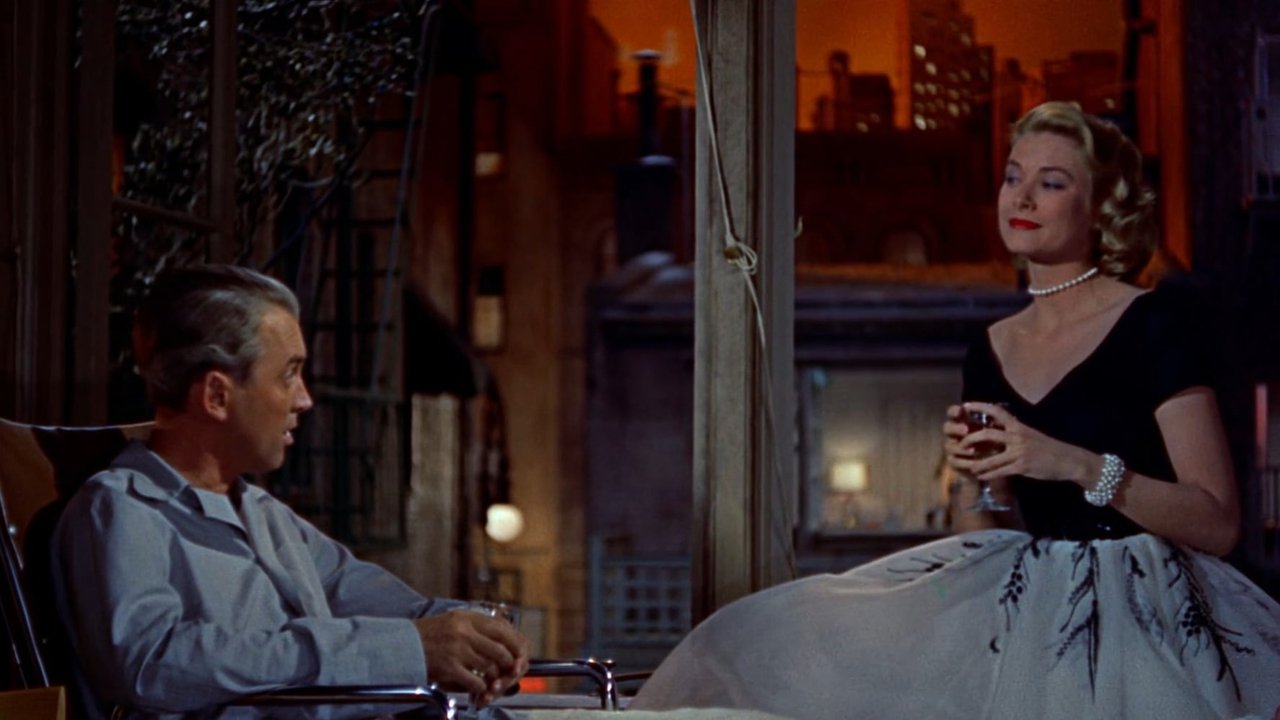
If James Stewart provides the anxious, cynical heart of the film, Grace Kelly provides its soul and its movement. Playing Lisa Fremont, Jefferies' high-society girlfriend, Kelly is introduced in a glow of Technicolor glamour that feels almost otherworldly. At first, Jefferies dismisses her as too perfect, too fragile for his "rough-and-tumble" lifestyle. He wants a woman who can eat fish heads in a trench, not one who orders lobster from "21."
However, the genius of the screenplay by John Michael Hayes is how Lisa transitions from being the object of the gaze to the primary agent of the investigation. While Jefferies is stuck in his chair, Lisa is the one who literally crosses the threshold into danger. Her chemistry with James Stewart is electric, largely because it’s built on a foundation of intellectual sparring rather than just physical attraction. Honestly, Grace Kelly is far too good for Jefferies, and he spends half the movie acting like a petulant toddler because she has the audacity to be successful and stylish.
The supporting cast adds layers of grim reality to the mystery. Thelma Ritter is iconic as Stella, the insurance company nurse who provides a much-needed dose of "common sense" and gallows humor. Her delivery is as sharp as a scalpel, puncturing Jefferies' more delusional theories with blue-collar pragmatism. Then there is Raymond Burr, who manages to be terrifying without saying more than a few words. His Thorwald isn't a cartoon villain; he’s a tired, desperate man who looks like he’s just reached the end of his rope.
The Dark Side of the Glass
Despite the witty dialogue and the glamorous presence of Kelly, Rear Window is an intensely dark film. It deals with the inherent cruelty of the human condition—the way we watch our neighbors not out of love, but out of a morbid curiosity for their failures. The subplot involving Miss Lonelyhearts (Judith Evelyn) is genuinely heartbreaking and provides a somber counterpoint to the central murder mystery. It asks a disturbing question: Is it more ethical to watch a murder, or to ignore a suicide?
Hitchcock doesn't offer easy answers. The film’s climax is one of the most effective in cinema history because it violates the "safety" of the viewer's position. When the killer finally looks back at the camera—back at us—the Fourth Wall doesn't just break; it shatters. It’s a moment of pure, unadulterated dread that feels as potent today as it did in 1954. Apparently, the dog used in the film had to be kept on a very strict regimen to react to the actors correctly, but I think even the dog knew when the vibes in that courtyard turned sour.
This is the peak of Hollywood’s Golden Age craftsmanship. It’s a film that manages to be a technical marvel, a biting social commentary, and a nail-biting thriller all at once. Whether you’re a collector of Hitchcock’s filmography—like Vertigo or North by Northwest—or just someone looking for a way to kill two hours on a sweaty afternoon, this is essential viewing. It’s a reminder that sometimes the most terrifying things in the world aren't lurking in the woods; they’re just across the hall, sitting in the dark, waiting for you to stop looking.
Keep Exploring...
-
The Man Who Knew Too Much
1956
-

Vertigo
1958
-

Rebecca
1940
-
Spellbound
1945
-
Notorious
1946
-
To Catch a Thief
1955
-
Rope
1948
-
North by Northwest
1959
-
Suspicion
1941
-
Shadow of a Doubt
1943
-
Dial M for Murder
1954
-
Strangers on a Train
1951
-
Psycho
1960
-
Anatomy of a Murder
1959
-
The Night of the Hunter
1955
-
The Trouble with Harry
1955
-

Invasion of the Body Snatchers
1956
-
The Killing
1956
-
Witness for the Prosecution
1957
-
The Birds
1963