Sabrina
"The girl who outgrew her own fairy tale."
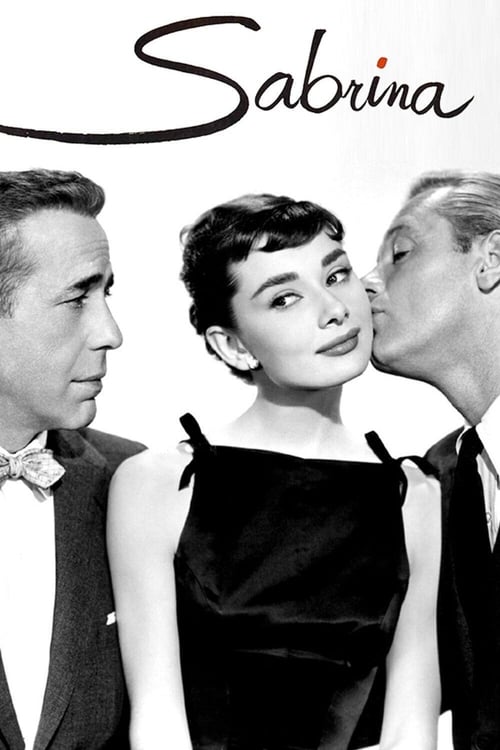
Every time I revisit Billy Wilder’s Sabrina, I am struck by how it functions as a masterwork of social engineering disguised as a fluffy rom-com. Released in 1954, it arrived when Audrey Hepburn was essentially the atmospheric oxygen of Hollywood—fresh off her Oscar win for Roman Holiday and radiating a specific, gamine intelligence that didn't just sell tickets; it redefined femininity for a decade. I watched this most recently while nursing a lukewarm cup of herbal tea that had a single, lonely leaf floating in it, and that leaf felt like a perfect metaphor for Sabrina Fairchild: a solitary element trying to find its place in a very large, very expensive pot.
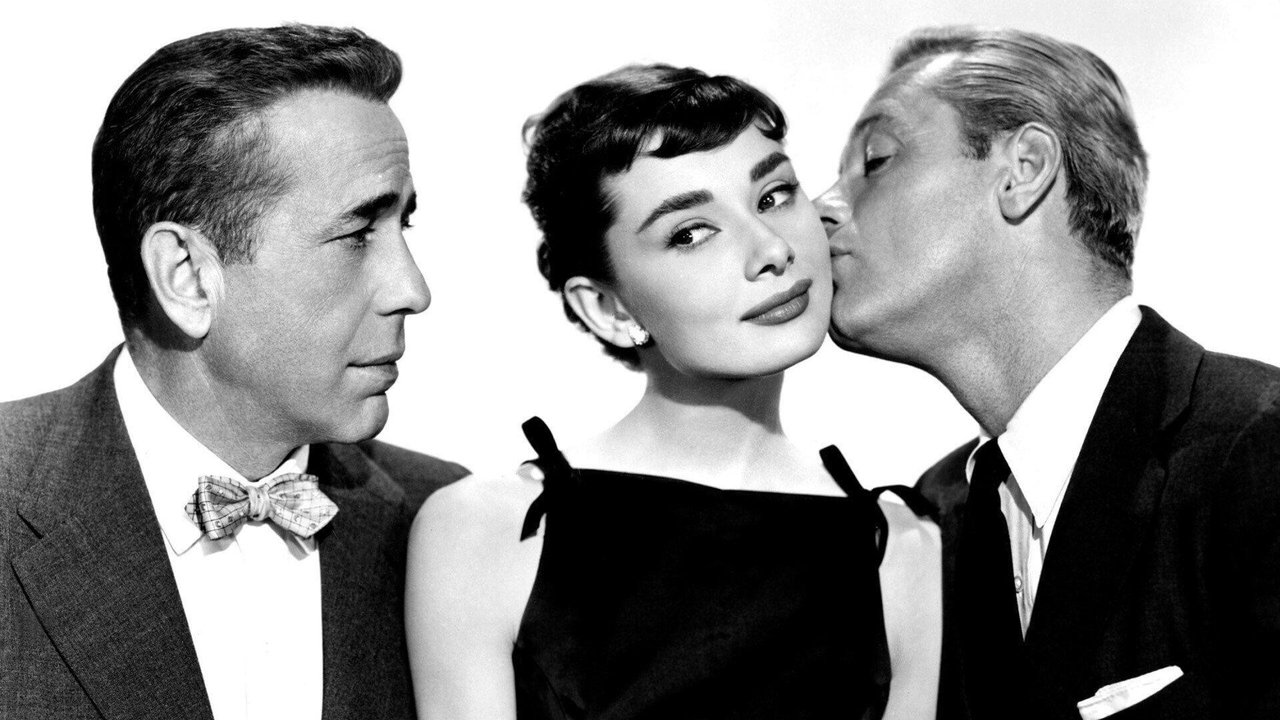
The Alchemy of the Paris Makeover
The plot is a classic Cinderella setup with a cynical Wilder twist. Sabrina, the daughter of the Larrabee family’s chauffeur, is hopelessly infatuated with the younger Larrabee brother, David (William Holden). David is a golden retriever in a tuxedo—charming, thrice-divorced, and utterly useless to the family’s industrial empire. To cure her heartache, Sabrina is sent to culinary school in Paris. She returns not just with a better soufflé, but with a soul-deep transformation.
What fascinates me about this "makeover" is that it isn’t just about the clothes—though the Givenchy wardrobe is, frankly, the only time a pile of fabric has successfully stolen a scene from a movie star. It’s about the acquisition of a specific kind of European world-weariness that the American upper class, represented by the Larrabees, desperately lacks. When Sabrina returns to the Glen Cove train station, David doesn't even recognize her. She has moved beyond his orbit of shallow flirtation, yet she’s still trapped by her old feelings. This sets up the central philosophical tension of the film: Can we ever truly shed our origins, or do we just learn to wear better hats?
A Study in Sibling Symmetry
The real drama begins when the elder brother, Linus (Humphrey Bogart), enters the fray. Linus is the "living dead" of capitalism, a man who describes his life as a series of board meetings and zeros on a ledger. To prevent David from ruining a billion-dollar merger by running off with the chauffeur’s daughter, Linus decides to woo Sabrina himself, intending to ship her back to Paris alone once the deal is signed.
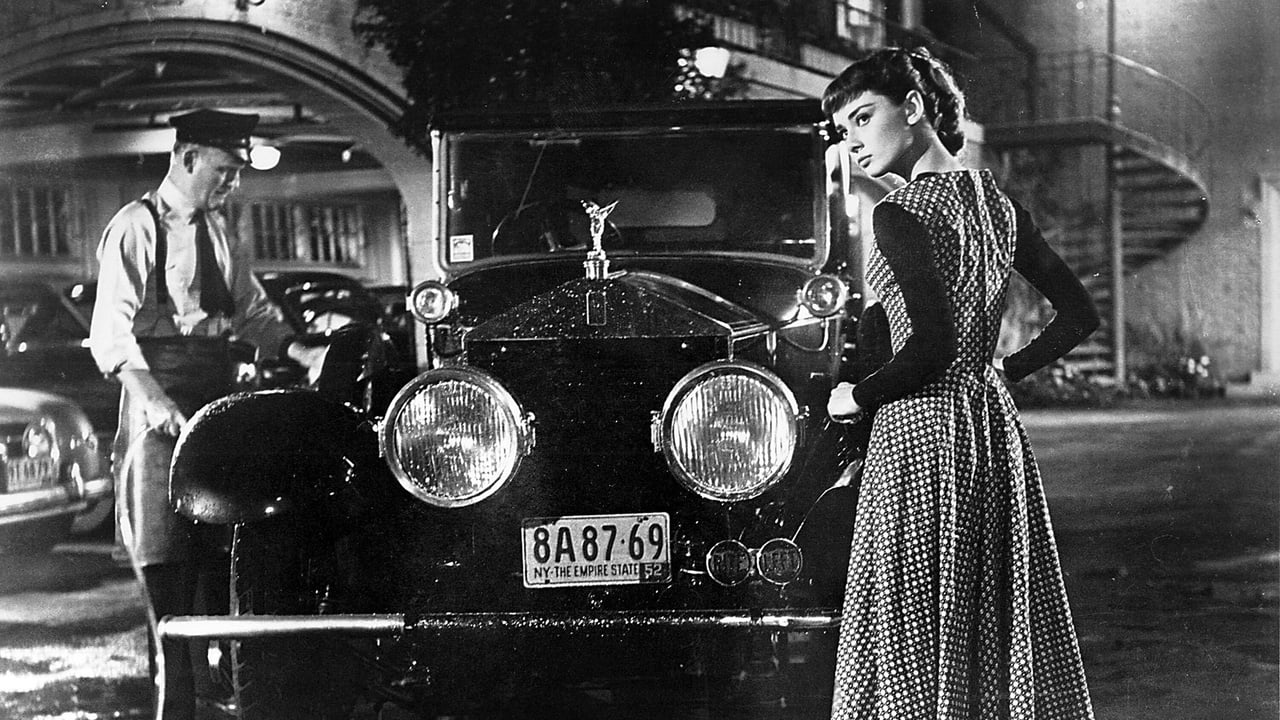
Humphrey Bogart was famously miserable during production. He wasn't the first choice (Cary Grant was), he felt out of place in a romantic comedy, and he reportedly loathed Holden. Yet, that off-screen friction creates a fascinating onscreen result. Linus is supposed to be a cold, rigid gargoyle, and Bogart plays him with a stiff-backed melancholy that makes his eventual "thaw" feel earned rather than scripted. My hot take: Linus is the most romantic character in the Wilder canon specifically because he’s an old dog who didn't want to learn new tricks but found himself doing them anyway. The age gap between him and Hepburn is significant, yes, but in the context of the film’s themes, it works. It’s a collision between the old world of grim industrialism and the new world of post-war vibrancy.
The Glass Wall of Glen Cove
While the film is often categorized as a comedy, the dramatic underpinnings are surprisingly heavy. There is a recurring visual motif of glass—the windows of the Larrabee mansion, the windshields of the cars, the office towers in Manhattan. Sabrina spends the first act literally watching the "real" people through glass. Even after her transformation, that barrier remains.
Wilder and screenwriter Ernest Lehman use the Larrabees to examine the "plastic" nature of the 1950s. There’s a wonderful, almost prophetic subplot about a new type of unbreakable plastic (made from sugar cane!) that Linus is obsessed with. It’s a cynical joke: the Larrabees are pivoting from traditional wealth to a world of synthetics, just as they try to synthesize a "proper" life for David. Amidst all this artificiality, Sabrina’s genuine, messy emotion is the only thing that’s real. She’s the human element that the Larrabee machine can’t quite process.

Apparently, the production was so rushed that the script wasn't even finished when they started filming. Wilder would sometimes spend the morning writing scenes that would be shot that afternoon. You’d never know it from the dialogue, which is as sharp as a tailor’s shears. The way Linus describes his "romance" as a business expense is Wilder at his most biting, stripping the veneer off the American Dream to show the gears grinding underneath.
Sabrina is a film that rewards the viewer who looks past the sparkling surface. It’s a story about the courage it takes to stop being an observer of your own life and finally step through the glass. While the ending might lean into the fairytale resolution the rest of the movie deconstructs, it’s hard to begrudge a film this stylish its moment in the sun. It reminds me that while Paris might be a "good idea," finding someone who looks at you the way a cynical businessman looks at a billion-dollar merger is even better. This is Golden Age craftsmanship at its most thoughtful and elegant.


Keep Exploring...
-
The Seven Year Itch
1955
-
The Apartment
1960
-

Some Like It Hot
1959
-
Sunset Boulevard
1950
-
Witness for the Prosecution
1957
-
Casablanca
1943
-

Gentlemen Prefer Blondes
1953
-

Roman Holiday
1953
-

Hiroshima Mon Amour
1959
-
The Treasure of the Sierra Madre
1948
-

Singin' in the Rain
1952
-
The African Queen
1952
-
Harold and Maude
1971
-

The Circus
1928
-
Double Indemnity
1944
-

All About Eve
1950
-
Rebel Without a Cause
1955
-
The Philadelphia Story
1940
-
A Dog's Will
2000
-

City Lights
1931