Seven Samurai
"Seven swords against the storm."

The first time I sat down to watch Seven Samurai, I was armed with a lukewarm cup of instant coffee and a sense of mounting dread about the 207-minute runtime. My cat had also decided that my lap was the only acceptable place to perform an intensive, twenty-minute grooming session, and honestly, the rhythmic scritch-scritch of feline sandpaper-tongue provided a weirdly hypnotic percussion to the film’s slow-burn opening. You hear "three and a half hours" and "1954" and "black and white," and your brain starts preparing for a history lecture. But within twenty minutes, I wasn't checking my watch. I was wondering why every modern action movie feels so thin and bloodless compared to a film made seventy years ago in the mud of the Japanese countryside.
The Art of the Recruitment Drive
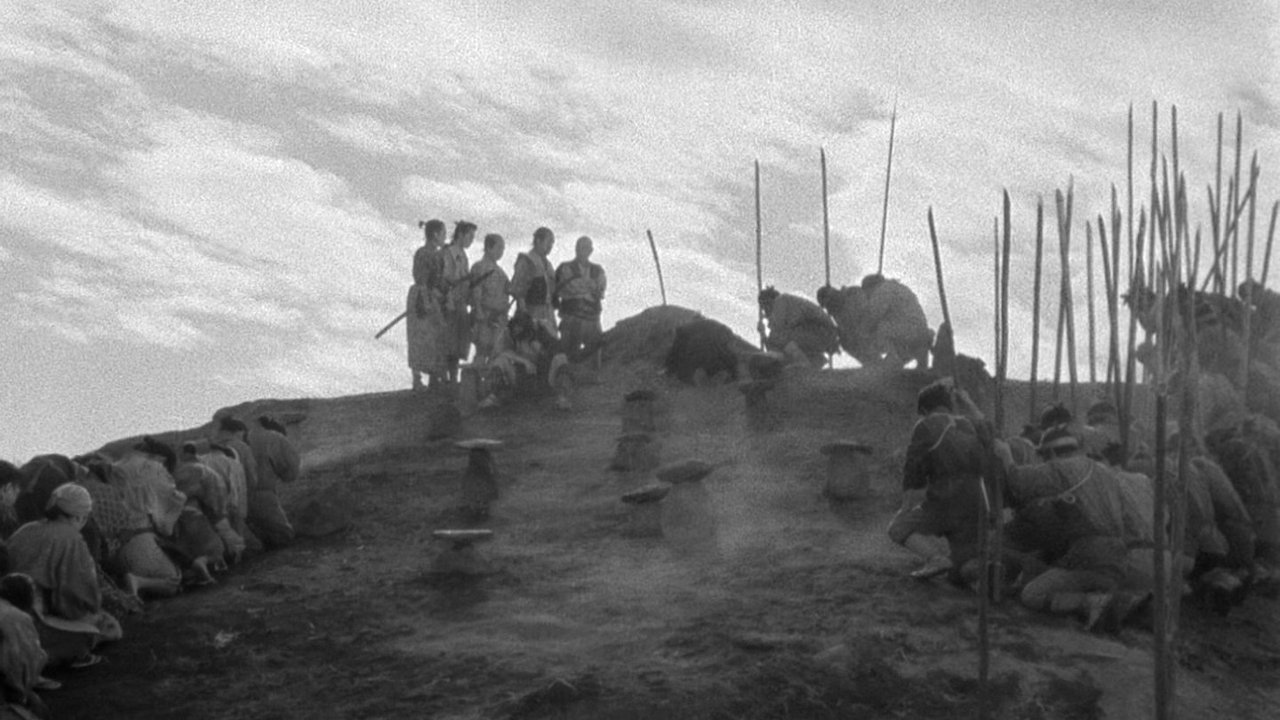
Most people know the skeleton of the plot because it has been donated to nearly every "team-on-a-mission" movie since, from The Magnificent Seven to A Bug’s Life. A desperate village of farmers, tired of being raided by bandits, decides to hire samurai for the low, low price of three meals a day. It’s a suicide mission, and the recruitment process is where Akira Kurosawa (who also gave us the Shakespearean greatness of Ran) proves he’s a master of character economy.
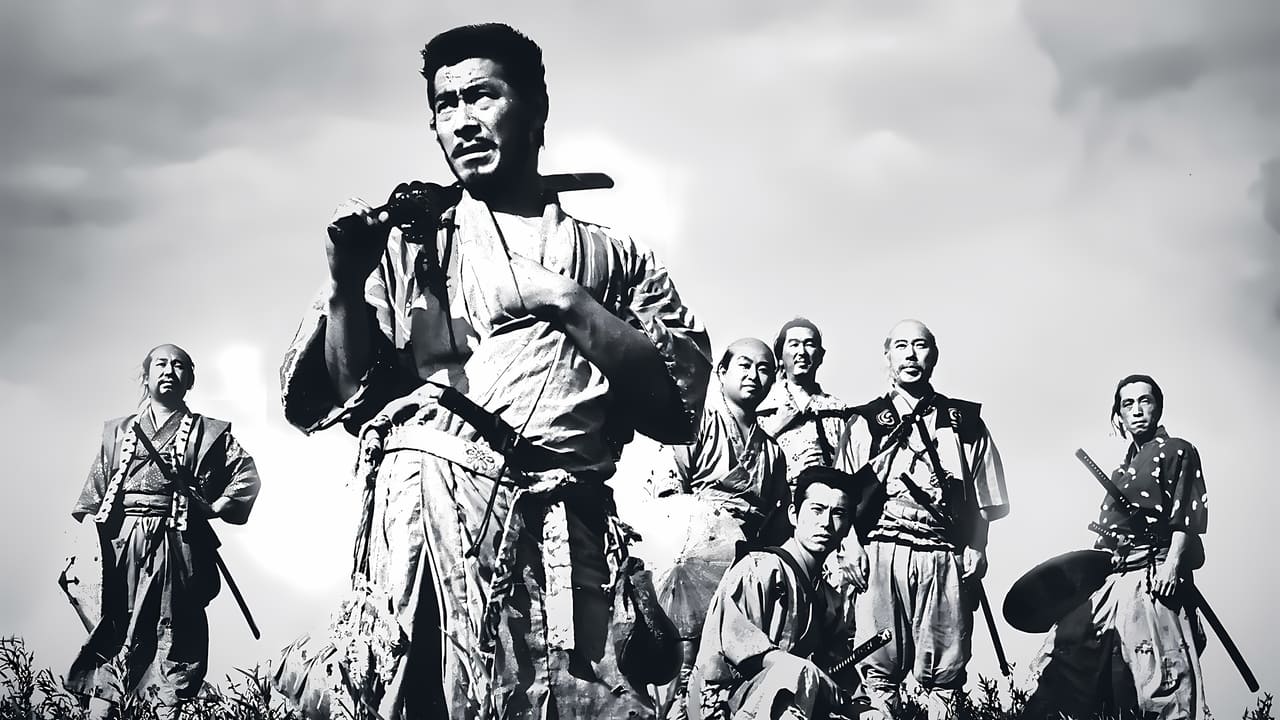
We meet our leader, Kambei, played with a weary, soulful dignity by Takashi Shimura. He’s the guy who shaves his head to pose as a monk to save a kidnapped child—a scene that immediately tells us everything we need to know about his moral compass. Then there’s Kyuzo (Seiji Miyaguchi), the stone-faced master swordsman who barely speaks and exists purely for the craft of the kill. He’s the blueprint for every "cool, silent professional" in cinema history. But the lightning bolt of the film is Toshirō Mifune as Kikuchiyo. Mifune plays the role like a frantic, dangerous housecat trapped in a suit of armor, and his performance is a loud, scratching contradiction to the stoic warriors around him. He’s the one who forces the audience—and the other samurai—to confront the ugly reality of class warfare.
Mud is the Secret Ingredient
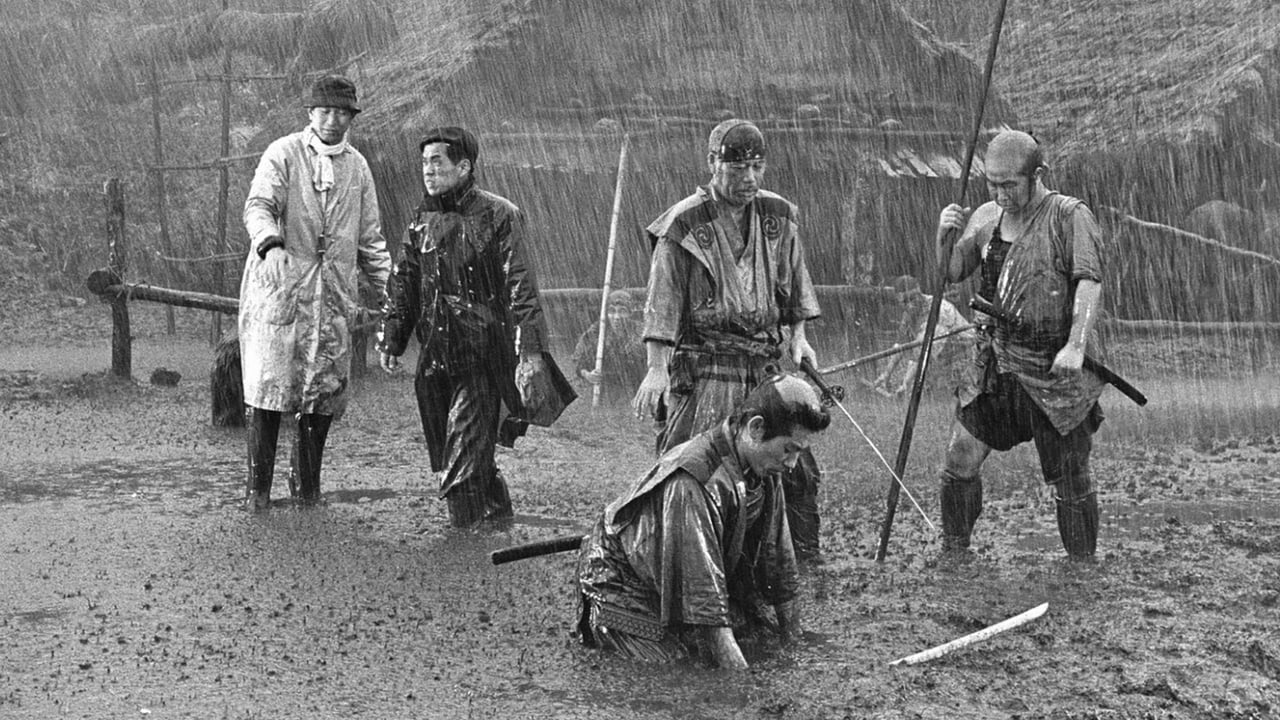
When you think of "Golden Age" cinema from 1954, you usually think of the polished studio sheen of MGM musicals or the controlled tension of Hitchcock’s Rear Window. Seven Samurai feels like it fell off a different planet. Akira Kurosawa didn’t want the clean, stagey fights common in Japanese chanbara films of the time. He wanted grit. He used multiple cameras—a rarity then—to capture the chaos of the final battle, and he waited for actual storms to ensure the climax was drenched in oppressive, soul-sucking rain.
The action isn't just about who stabs whom; it’s about geography and exhaustion. You actually understand the perimeter of the village. You know where the fences are, where the breach is, and exactly how many bandits are left. Most modern directors could learn a lot from how Asakazu Nakai’s cinematography keeps the viewer oriented during a chaotic horse raid. By the time the final confrontation happens in the knee-deep mud, you don't feel like you're watching a choreographed dance. You feel like you're watching a desperate struggle for breath. It’s heavy, it’s slippery, and the final victory feels more like a funeral than a celebration.
The Prestige of the Dirt
While this was a massive production for TOHO—nearly bankrupting the studio because Kurosawa refused to stop filming until he got his horses and his rain—it wasn’t just an "action flick." It was a prestige powerhouse that broke the doors down for international cinema. It won the Silver Lion at Venice and grabbed two Oscar nominations, proving to the West that Japan was operating on a level of technical and narrative sophistication that rivaled, and often surpassed, the Hollywood studio system.
The film manages to be incredibly smart about the "hero" myth. It doesn't romanticize the samurai as selfless gods; it shows them as hungry, displaced men looking for a purpose. Likewise, the farmers aren't just innocent victims—they’re depicted as crafty, fearful, and occasionally cruel. This moral complexity is what keeps it from feeling like an "old" movie. It feels like a lived-in world where everyone is just trying to survive the next harvest.

Cool Details from the Trenches
The production was a legendary ordeal. Apparently, Akira Kurosawa was such a perfectionist that he insisted a water wheel be built for the village set, only to decide it didn't look "right" once it was done, leading to more delays and budget hikes. Toho executives supposedly tried to shut the film down at least three times, but Kurosawa would just go fishing until they realized they’d already spent too much money to quit.
Another fun bit of grit: the actors playing the farmers weren't just "dressed up." They were often required to spend their off-hours in the village sets to get the clothes properly dirty and the mindset properly weary. And that final battle? It was filmed in February. That wasn't warm summer rain; it was near-freezing water, and the actors were genuinely shivering through those takes. You can’t fake that kind of misery, and it’s exactly why the film’s atmosphere is so thick you can almost smell the wet earth through the screen.
Look, don't let the "classic" label scare you off. Seven Samurai is a 207-minute marathon that runs like a sprint. It’s a film that respects your intelligence enough to take its time building the world, so that when the first arrow finally flies, you’re actually invested in who it hits. It’s funny, it’s heartbreaking, and it features some of the best stunt work ever captured on film before the invention of safety nets. Turn off your phone, grab a big bowl of whatever you’re eating, and let the rain wash over you. It’s the best three hours you’ll spend this week.
Keep Exploring...
-
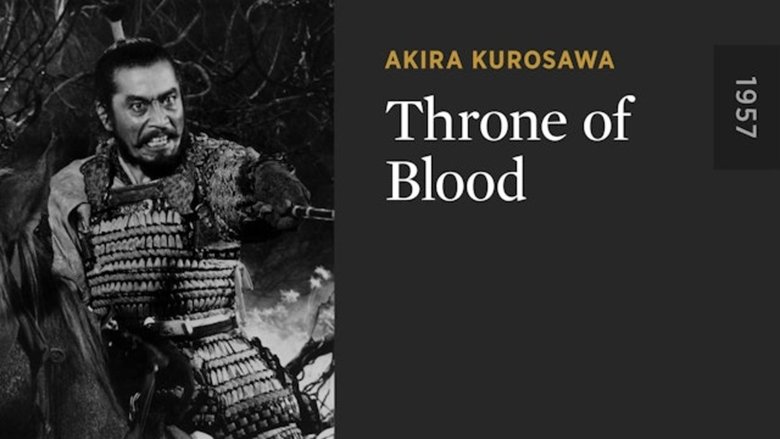
Throne of Blood
1957
-

Rashomon
1950
-

Ikiru
1952
-
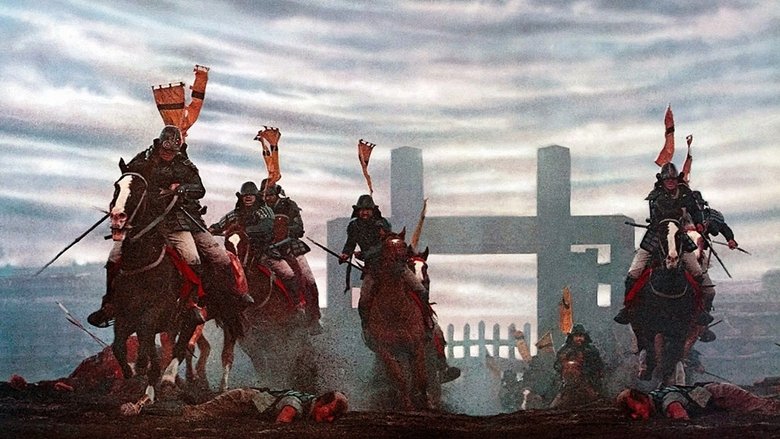
Ran
1985
-
High and Low
1963
-

Yojimbo
1961
-
12 Angry Men
1957
-
The Seventh Seal
1957
-
Ben-Hur
1959
-
Harakiri
1962
-
Citizen Kane
1941
-
Casablanca
1943
-
It's a Wonderful Life
1946
-

All About Eve
1950
-
Sunset Boulevard
1950
-
High Noon
1952
-
Tokyo Story
1953
-
Sabrina
1954
-
Rebel Without a Cause
1955
-
Paths of Glory
1957