Diabolique
"The dead don't always stay drowned."
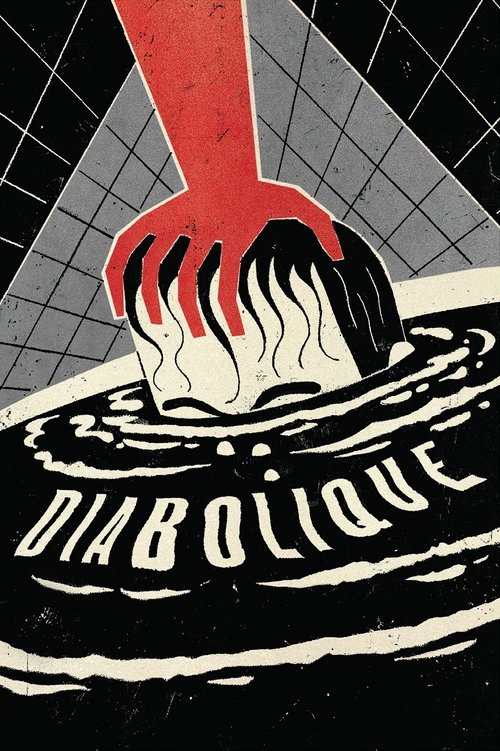
Before the lights dimmed for the original screenings of Diabolique, a title card appeared on the screen with a plea that would change movie marketing forever: "Don't be a 'diabolic.' Do not spoil the ending for your friends." It was a gimmick, sure, but it was a gimmick born of necessity. Henri-Georges Clouzot hadn’t just made a thriller; he had constructed a trap. I remember watching this for the first time on a grainy VHS while sitting on a floor that was slightly damp from a leaky radiator, and the physical discomfort of the room matched the oily, claustrophobic dread of the film perfectly.
While Alfred Hitchcock is often crowned the "Master of Suspense," Clouzot was his meaner, more cynical French cousin. In fact, Hitchcock reportedly missed out on the rights to the source novel by a mere few hours. You can almost feel the "Master" sweating in the background, knowing that Clouzot had beaten him to the punch with a story so nasty it made Psycho look like a Sunday school picnic.
The Art of the Slow Poisoning
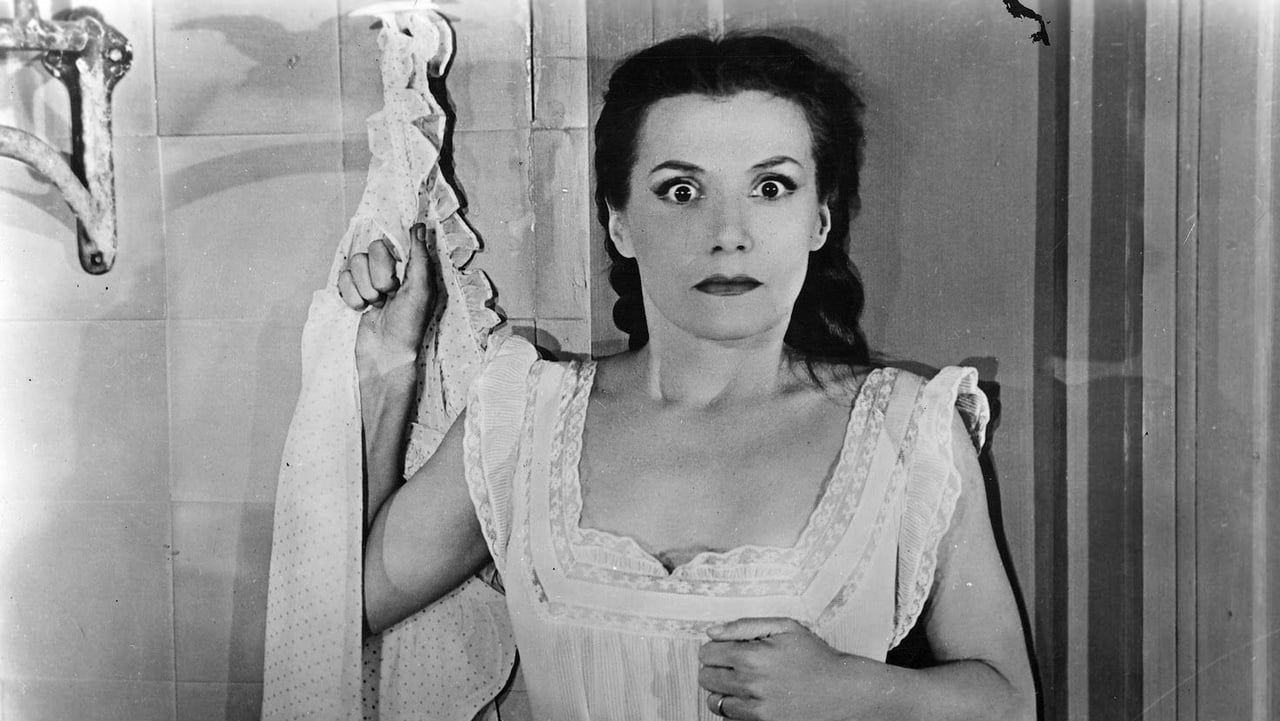
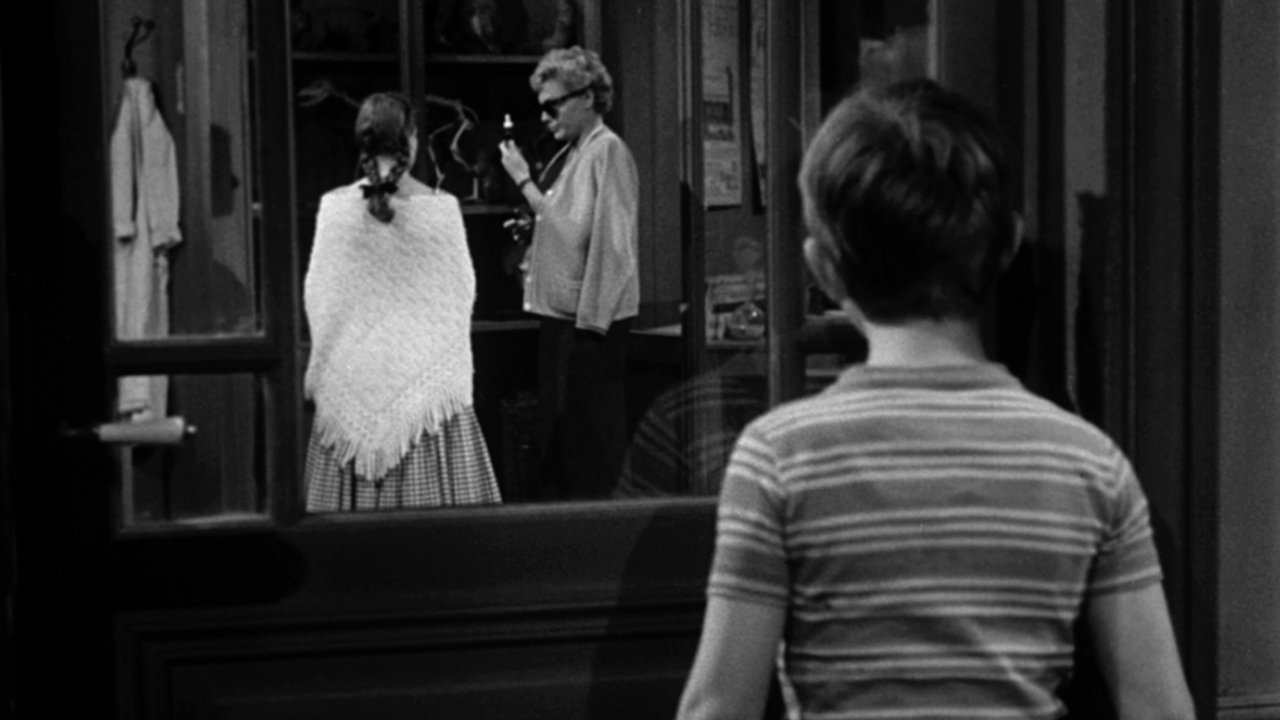
The film doesn't start with a bang; it starts with a smell. You can almost scent the rot of the Delassalle boarding school, a dilapidated institution where the water in the pool is stagnant and the headmaster, Michel (Paul Meurisse), is a man so thoroughly loathsome he makes your skin crawl. He doesn't just abuse his wife, Christina (Véra Clouzot); he mocks her fragile heart condition while openly flaunting his mistress, Nicole (Simone Signoret), in front of the entire faculty.
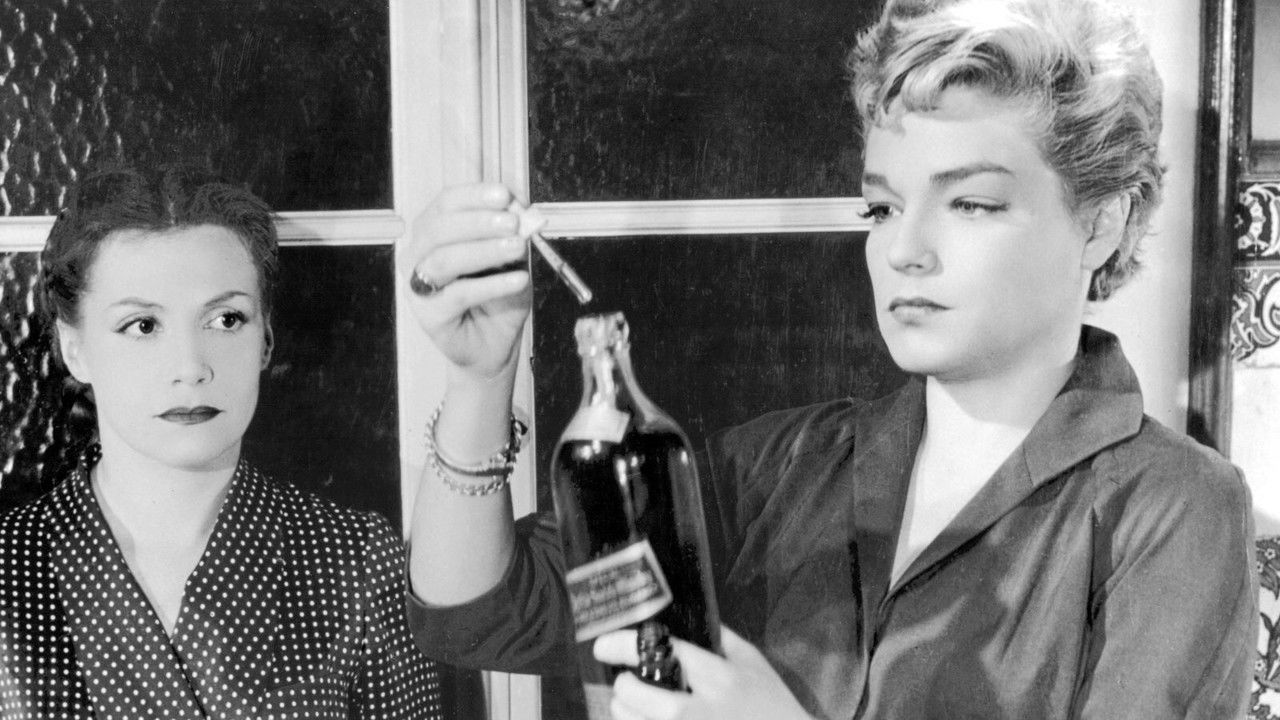
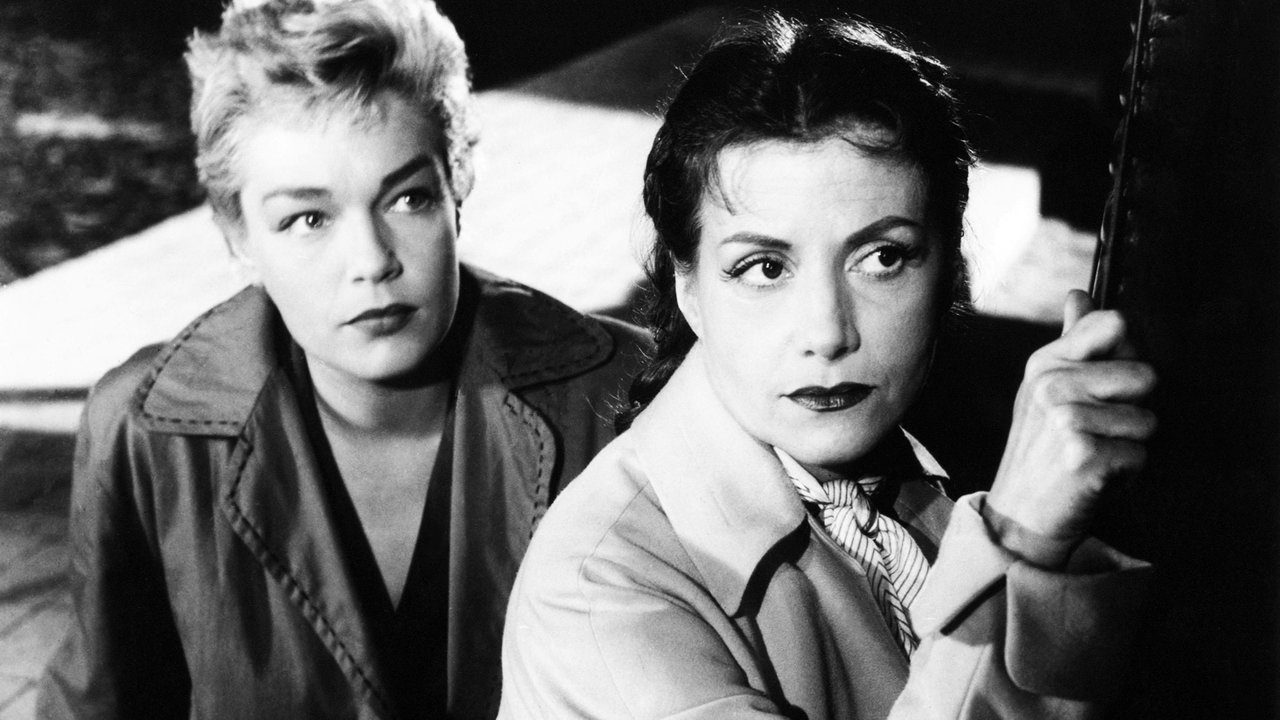
What makes Diabolique so gripping is the strange, fragile alliance that forms between the two women. Christina is a shivering wreck of nerves, a former nun who clings to her rosary, while Nicole is all sharp angles, dark sunglasses, and a cigarette perpetually dangling from her lip. Simone Signoret is a revelation here, playing Nicole with a weary, transactional coldness that suggests she’s seen everything the world has to offer and found most of it wanting. When the two women decide to murder Michel, the film transitions from a bleak domestic drama into a masterclass in sustained anxiety.
The murder itself is a messy, unglamorous affair involving a bathtub and a heavy dose of whiskey. There’s no cinematic flourish here—just the heavy, wet reality of a body that won't stay hidden. Clouzot forces us to sit with the grime. He lingers on the ripples in the pool and the peeling wallpaper of the school, creating an atmosphere so thick you’d need a hacksaw to get through it.
A Masterpiece of Moral Decay
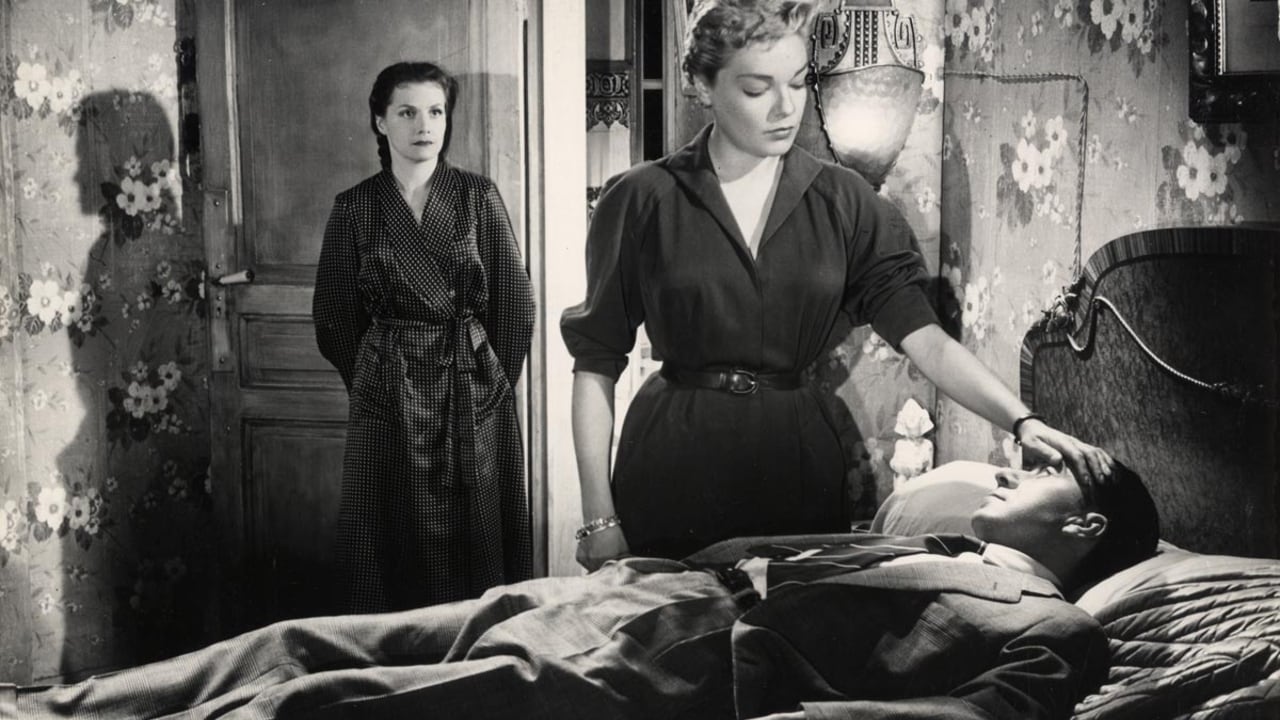
Once the body is dumped into the school’s overgrown swimming pool, the real haunting begins. But is it a ghost, or something worse? As the pool is drained and found empty, Christina begins to unravel. Véra Clouzot (the director's real-life wife) delivers a performance of such high-strung terror that it's actually painful to watch. Knowing that she actually suffered from a weak heart in real life adds a layer of morbid voyeurism to the proceedings—she would tragically pass away just five years after the film’s release.
The technical craft here is invisible but absolute. Armand Thirard’s cinematography treats the school like a prison, using shadows not just for style, but to hide the cracks in the characters' sanity. There is almost no musical score. Clouzot understood that the sound of a footstep in a silent hallway is ten times more terrifying than a screeching violin. It’s a quiet film that demands your absolute attention, rewarding it with a sense of escalating panic that feels like a weight on your chest.
Amidst the darkness, we get Charles Vanel as Inspector Fichet. He’s a rumpled, seemingly slow-witted detective who wanders into the third act like a precursor to Columbo. His presence provides the only "air" in the movie, though even his politeness feels like a tightening noose.
The Legacy of the Twist
Diabolique is frequently cited as the film that prompted Hitchcock to make Psycho, and you can see the DNA of modern horror-thrillers all over it. It’s a "forgotten" classic in the sense that many modern viewers only know the pale, sanitized 1996 remake or the countless rip-offs that followed. But the original remains the gold standard because it refuses to blink. It doesn't offer easy moral lessons or a comforting resolution. It leaves you feeling slightly unclean, which is exactly what a great dark drama should do.
Apparently, the production was as tense as the film itself. Clouzot was known for being a tyrant on set, reportedly bullying his wife to get the necessary level of "authentic" hysteria. While his methods were questionable, the result is a film that feels remarkably modern despite its 1955 timestamp. It navigates the murky waters of the French postwar psyche, dealing with guilt and the desire to bury the past, only to find that the past has a habit of floating back to the surface.
This isn't just a "good for its time" movie; it’s a perfectly calibrated machine of suspense. If you haven’t seen it, find the best copy you can, turn off your phone, and let the dread wash over you. It’s a reminder that before CGI and jump scares, cinema could terrify you simply by showing you a closed door and a missing corpse. Just remember the warning: don’t tell anyone how it ends. The secret is half the fun, and the other half is the cold shiver that will stay with you long after the credits roll.
Keep Exploring...
-
The Wages of Fear
1953
-
To Catch a Thief
1955
-
The Man Who Knew Too Much
1956
-
The Maltese Falcon
1941
-
Shadow of a Doubt
1943
-
The Big Sleep
1946
-
Rear Window
1954
-

Vertigo
1958
-
A Streetcar Named Desire
1951
-
Strangers on a Train
1951
-
The Day the Earth Stood Still
1951
-
Touch of Evil
1958
-

Rebecca
1940
-
Suspicion
1941
-
Spellbound
1945
-
Notorious
1946
-
The Third Man
1949
-
Double Indemnity
1944
-
The Tenant
1976
-
Caché
2005