Lady and the Tramp
"A scrap of heaven from the wrong side of the tracks."
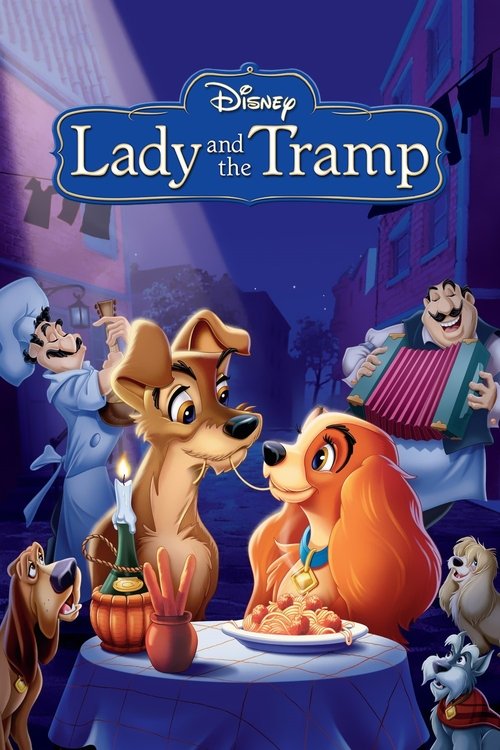
In 1955, while the rest of Hollywood was obsessed with Biblical epics and sprawling Westerns, Walt Disney (the man who gave us Snow White and the Seven Dwarfs) decided the most important thing to see in the new, ultra-wide CinemaScope format was a cocker spaniel’s backyard. It was a massive gamble. Animating in widescreen meant the backgrounds had to be twice as detailed, and the characters couldn't just walk off-screen; they had to traverse an entire landscape of Victorian upholstery and manicured lawns. I watched this most recent screening while my neighbor was power-washing his driveway, and the rhythmic thrumming strangely matched the beat of the "The Siamese Cat Song," which only added to the mid-century fever dream.
The Dog’s-Eye Adventure
Lady and the Tramp isn’t just a romance; it’s an urban adventure seen from exactly ten inches off the ground. By keeping the camera at a dog’s-eye level, the directors—Wilfred Jackson, Clyde Geronimi, and Hamilton Luske—transform a quiet New England town into a perilous jungle. A staircase becomes a mountain; a rat in a nursery becomes a gothic horror villain. The "adventure" here is the terrifying realization that the domestic safety of a "license and leash" can be revoked at any moment.
When Lady, voiced with a perfect mix of naivety and grace by Barbara Luddy, finds herself muzzled and fleeing into the rainy streets, the film shifts gears from a cozy domestic comedy into a legitimate survival story. This is where we meet the Tramp (Larry Roberts). He’s the quintessential 1950s rebel—the canine equivalent of a leather-jacketed James Dean, only his motorcycle is a pair of fast paws and a sharp wit. Their journey through the zoo and the back alleys captures that classic adventure trope of the "world beyond the gate," making the familiar streets of 1900s America feel as exotic as a distant planet.
Technicolor Meatballs and Studio Politics
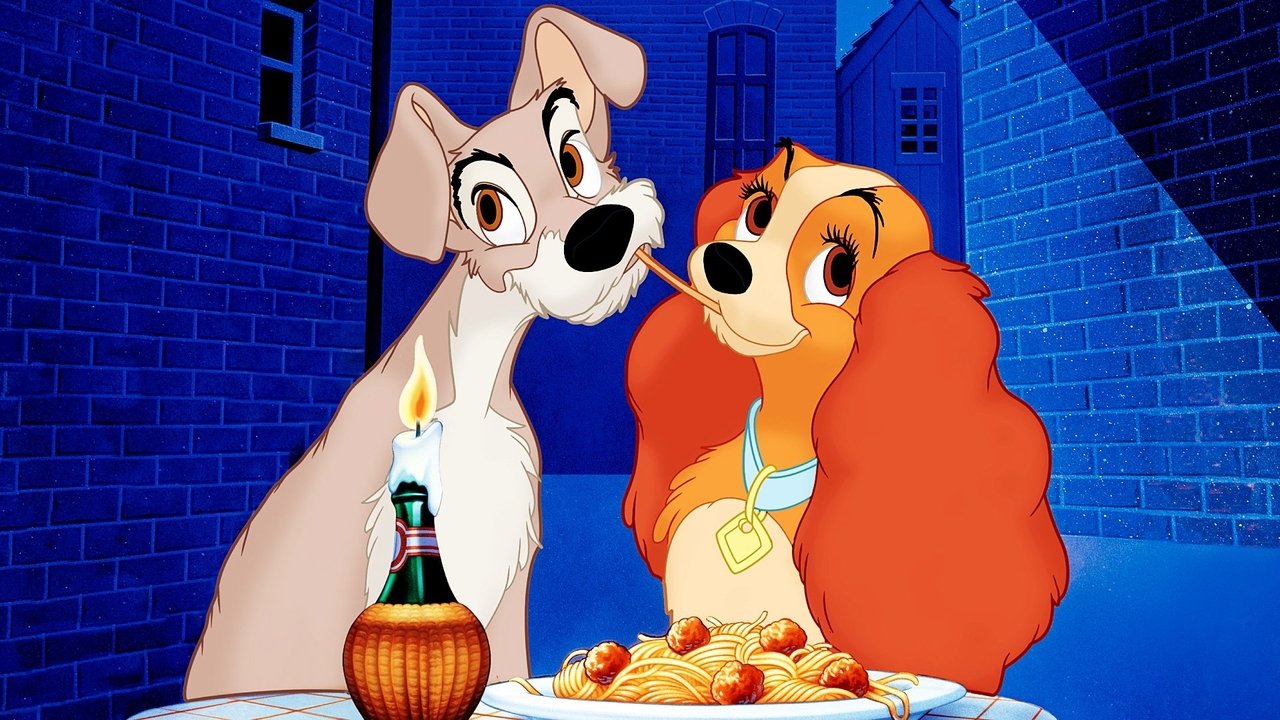
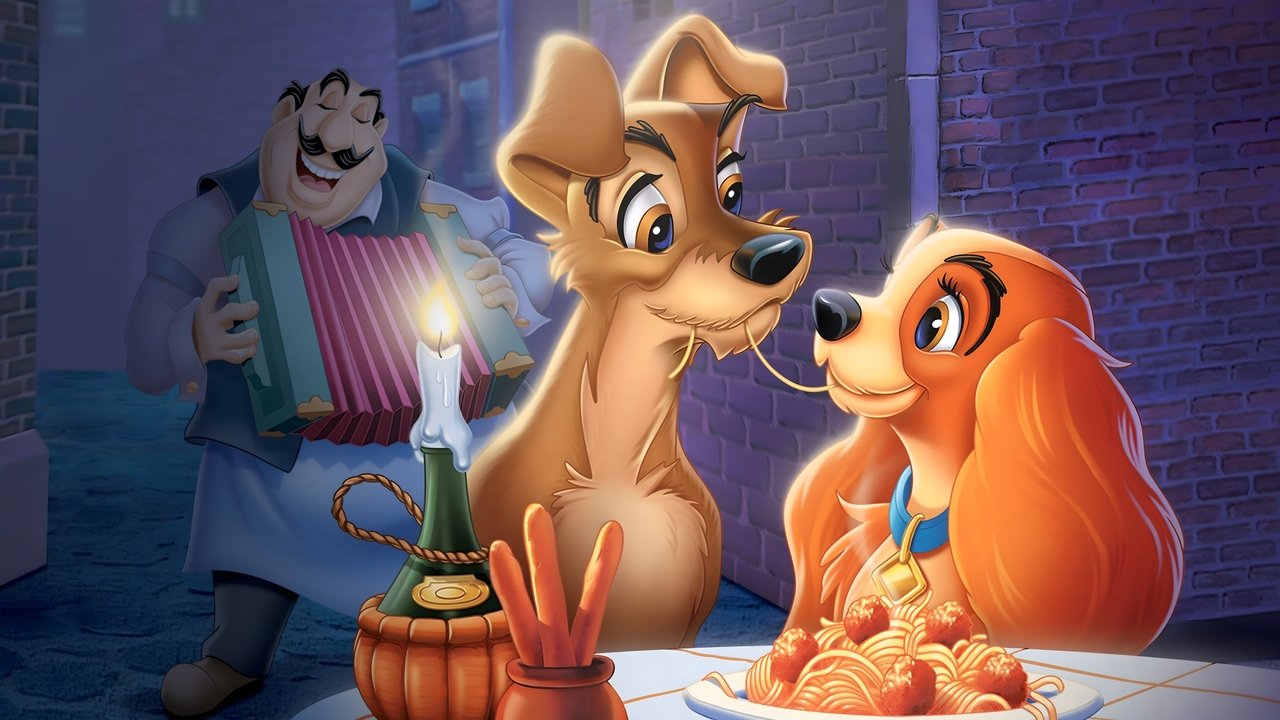
You can’t talk about this film without the spaghetti scene. It’s the gold standard of cinematic romance, yet Walt Disney nearly cut the whole thing. He figured two dogs eating pasta would look ridiculous and messy. It took a secret test animation by Frank Thomas to prove that it could be charming rather than gross. It’s a good thing he lost that battle; without it, we’d be missing the most iconic use of starchy carbs in film history. Tony the Restaurateur (voiced by George Givot) and his chef Joe provide that classic immigrant-neighborhood flavor that defined so many films of this era, grounding the fantasy in a very real, bustling sense of place.
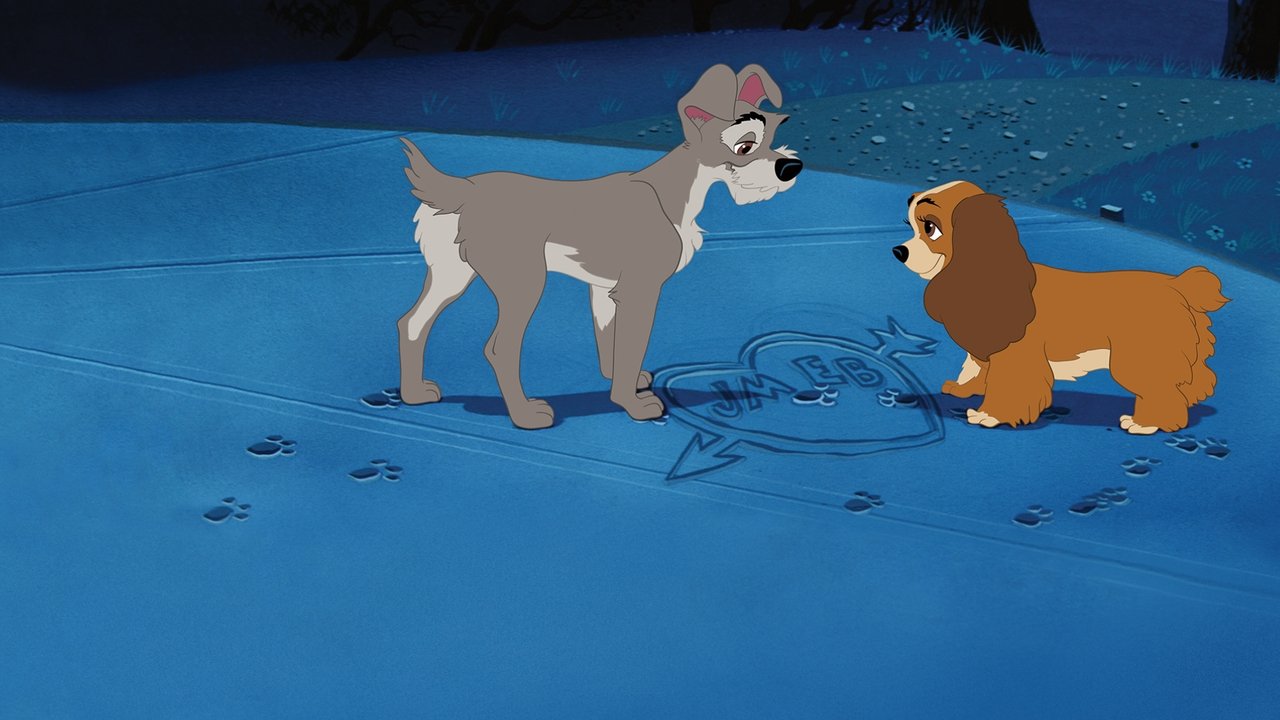
Behind the scenes, the film was a massive undertaking for Walt Disney Productions. It was their first animated feature not based on a classic fairy tale, instead pulling from a short story by Ward Greene. This gave the animators a weird sort of freedom. They spent weeks studying real dogs in the studio, and it shows. The way Lady’s ears flop or the way Tramp shakes off the rain isn't just "cartooning"—it's an observation of nature that few modern CGI films bother to replicate. The Siamese cats are basically the first horror movie villains most kids ever encounter, and their slinky, destructive choreography is a masterwork of character animation, even if the cultural stereotyping of the era makes those specific scenes a bit of a historical "cringe" moment today.
The Peggy Lee Show
If this movie has a secret weapon, it’s Peggy Lee. Not only did she voice the glamorous, world-weary Peg (the Pekingese who sings "He’s a Tramp"), but she also voiced the human mother, Darling, and both of those chaotic Siamese cats. She even co-wrote the songs! Her influence gives the film a smoky, jazz-adjacent sophistication that balances out the sugary-sweet Victorian setting.
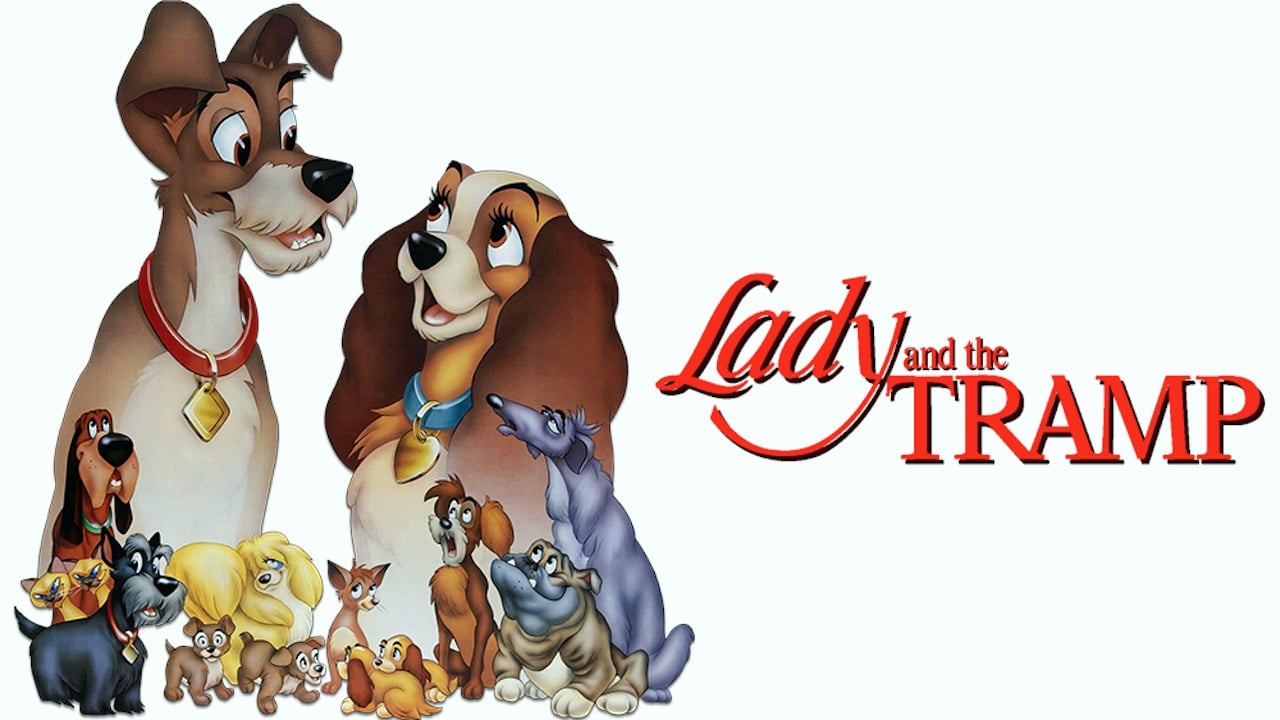
Interestingly, the "cult" appreciation for this film often stems from the supporting cast at the dog pound. Characters like the philosophical philosopher-dog Boris or the soulful Bull (voiced by the versatile Bill Thompson, who also played the Scottish Terrier Jock) give the film an ensemble feel that’s surprisingly deep. These aren't just funny animals; they are the "forgotten" citizens of the town, providing a bit of social commentary that was quite common in the post-WWII era—the idea that everyone, even a stray, has a story and a sense of dignity.
Stuff You Didn't Notice
The production was famously meticulous. To get the perspective right, the artists actually built small models of the houses and crawled around on the floor to see how the furniture looked from a dog's height. Also, keep an ear out for Stan Freberg as the Beaver; he was brought in at the last minute because the original sequence wasn't landing the jokes. Freberg’s frantic, whistling delivery turned a mid-film slump into a comedic highlight.
And here’s a bit of Golden Age trivia: Walt Disney actually gave his wife a puppy in a hatbox for Christmas once, an event he recreated for the opening of the film. It's those little personal touches that prevent the movie from feeling like a cold, industrial product of the studio system. It feels like a handmade valentine to the dogs we’ve loved and the scraps of steak we’ve "accidentally" dropped under the table.
Lady and the Tramp remains the ultimate example of how the studio system, at its peak, could turn a simple story about two dogs into a sweeping, romantic epic. It’s got the glamour of the 1950s, the technical precision of the best animators who ever lived, and a heart that’s surprisingly sturdy. Whether you’re here for the nostalgic Victorian aesthetics or the thrill of a nighttime chase through the rain, it’s a journey that earns every bit of its legendary status. It’s the kind of film that makes you want to go out and buy your dog a steak—or at least a really nice meatball.

Keep Exploring...
-
Alice in Wonderland
1951
-
Sleeping Beauty
1959
-
Peter Pan
1953
-
Cinderella
1950
-
One Hundred and One Dalmatians
1961
-
Hercules
1997
-
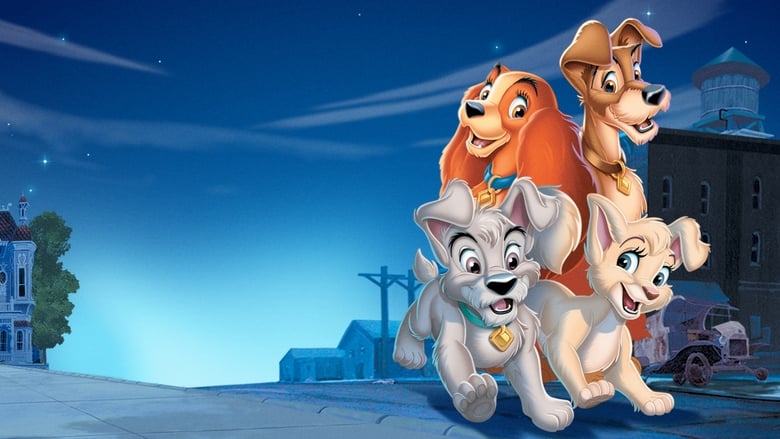
Lady and the Tramp II: Scamp's Adventure
2001
-
Dumbo
1941
-
Fantasia
1940
-
A Goofy Movie
1995
-
Shrek 2
2004
-
Red Shoes and the Seven Dwarfs
2019
-
The Princess Bride
1987
-
Antz
1998
-

The Emperor's New Groove
2000
-
The Road to El Dorado
2000
-

Sinbad: Legend of the Seven Seas
2003
-
The Lion King 1½
2004
-

Flushed Away
2006
-

Open Season
2006