Rebel Without a Cause
"The boy who wanted to belong."
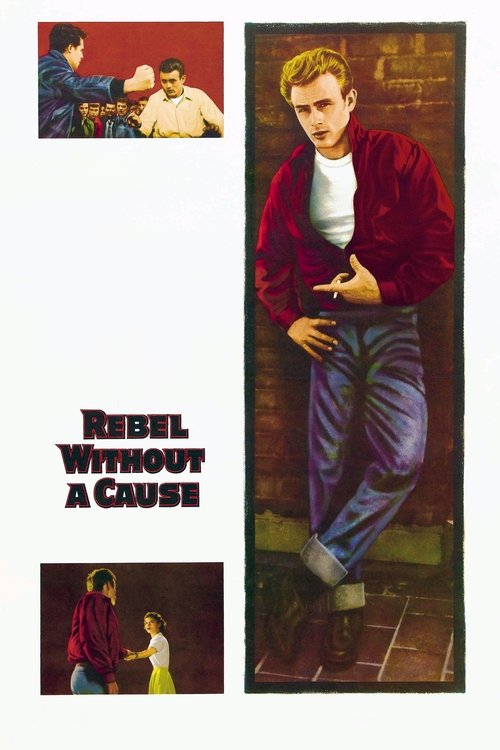
The first time I really saw Jim Stark, he wasn’t a rebel; he was a heap on the sidewalk, giggling at a wind-up toy monkey in the middle of the night. It’s an image that sticks because it’s so profoundly small. For a film often remembered for its switchblades and leather-clad bravado, Rebel Without a Cause is remarkably quiet about the crushing weight of just existing. I watched this on a Tuesday afternoon while my neighbor’s leaf blower provided a constant, droning soundtrack of suburban monotony that felt accidentally perfect for a film about the desperate urge to escape the cul-de-sac.
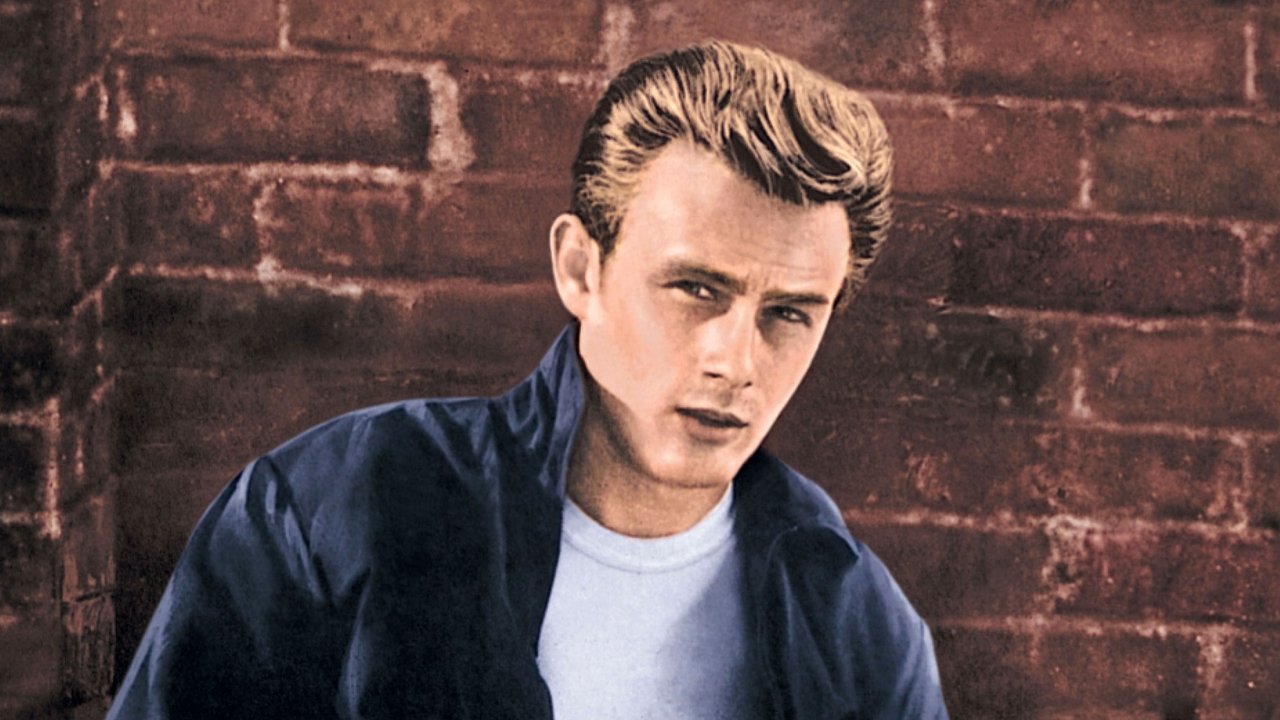
Directed by Nicholas Ray, a man who understood that a wide Cinemascope frame was the only thing large enough to hold teenage angst, this 1955 classic didn’t just capture a moment in time—it invented the concept of the teenager as we know it. Before this, you were a child, and then you were an adult who went to war or got a job at the mill. James Dean arrived to tell us that there was a messy, screaming middle ground where nobody knew what the hell they were doing.
The Geography of Loneliness
The plot is deceptively simple: Jim Stark is the new kid in town, a "troublemaker" whose parents keep moving him from city to city to outrun his reputation. He meets Judy (Natalie Wood), a girl seeking the affection her father has suddenly withdrawn, and Plato (Sal Mineo), a boy so profoundly abandoned that he looks at Jim with the eyes of a starving stray.
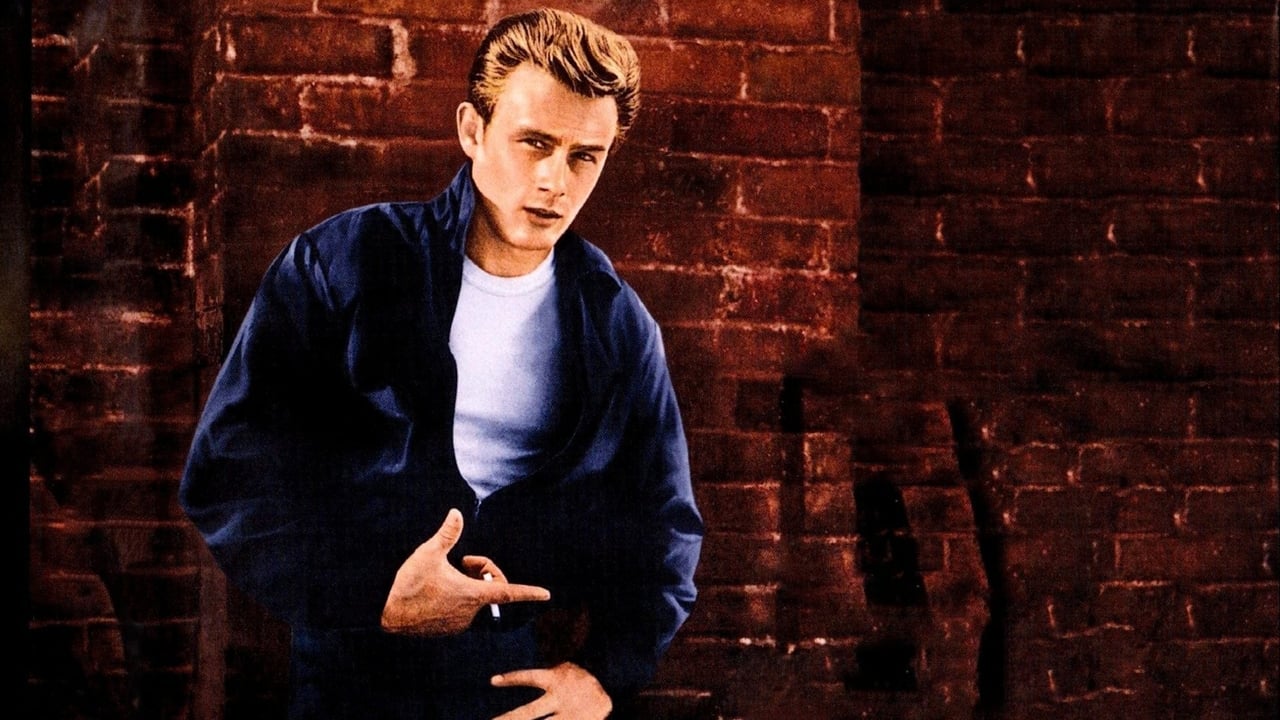
What strikes me every time I revisit this is how Nicholas Ray uses color to tell the story. That red jacket James Dean wears isn't just a costume; it’s a flare gun fired into the beige heart of 1950s Eisenhower America. In a world of grey suits and polite "yes, sir" responses, that red screams. It’s the visual representation of a raw nerve.
The film's most haunting sequence takes place at the Griffith Observatory. While a narrator calmly explains the eventual heat death of the universe and the insignificance of Earth, our three leads sit in the dark, clutching each other. It’s a philosophical gut-punch. If the world is going to end in a cold, lonely void anyway, why are their parents so worried about whether Jim’s tie is straight? The film posits that the "rebellion" isn't against authority, but against the sheer pointlessness of a life lived by a manual.
Performances That Bleed
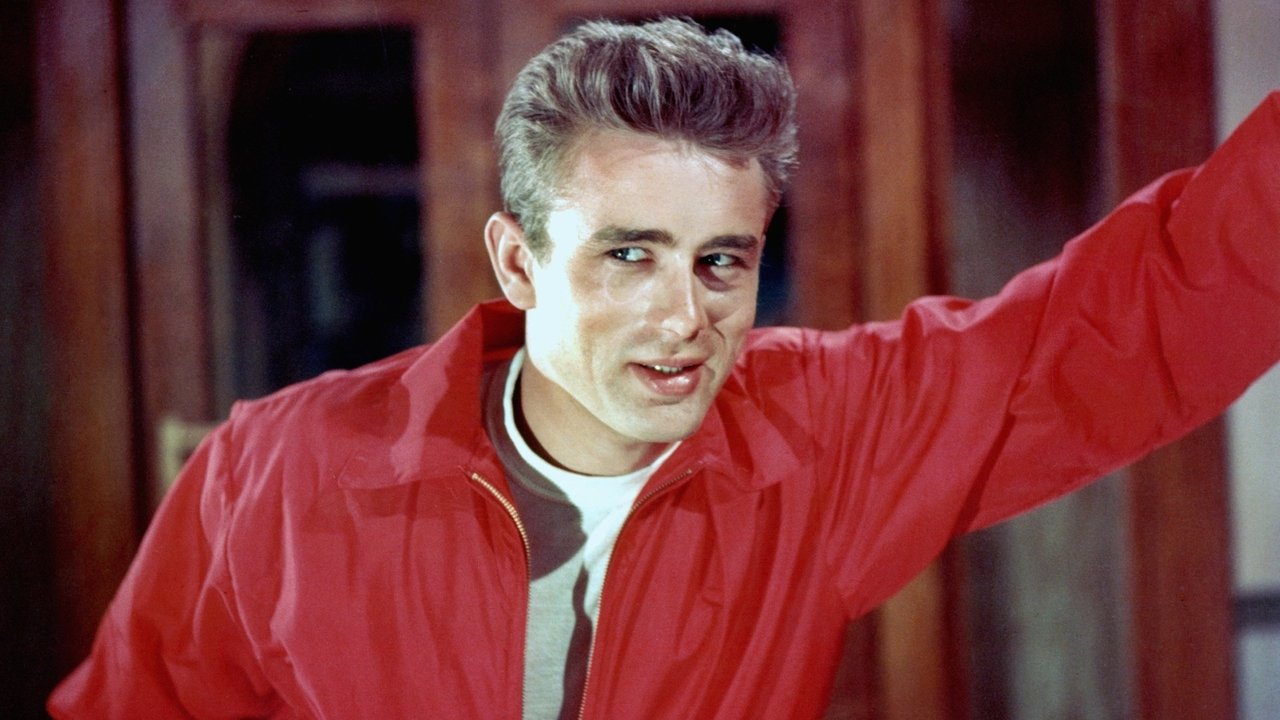
Let’s talk about the acting, because this is where the "Method" truly found its footing in the mainstream. James Dean isn't just reciting lines; he’s reacting to the air in the room. His Jim Stark is a cocktail of hyper-masculinity and total vulnerability. When he screams "You're tearing me apart!" at his parents, it’s not just a line—it’s a physical evacuation of his soul. The parents in this movie are actually more terrifying than the switchblade-wielding thugs because their weapon of choice is a suffocating, passive-aggressive brand of "decency."
Jim Backus (who most know as Mr. Magoo or the millionaire from Gilligan's Island) is heartbreakingly weak as Jim’s father. Seeing him in an apron, cowering before his wife, was a radical image for 1955. It subverted the "Father Knows Best" archetype so violently that I’m surprised the studio didn’t burn the negatives.
Then there’s Sal Mineo as Plato. Looking back with modern eyes, the queer subtext between Jim and Plato is so loud it’s practically text. Plato has a picture of Alan Ladd in his locker and looks at Jim with a devotion that transcends mere friendship. In the mid-50s, under the watchful eye of the Production Code, Nicholas Ray had to hide this in shadows and lingering glances, but it gives the film a layer of tragic yearning that feels incredibly contemporary.
Studio Polish vs. Raw Nerve
This was a major Warner Bros. production, and you can see the studio craftsmanship everywhere. Originally, the film was being shot in black and white as a low-budget "B" picture. However, when the studio realized James Dean was going to be the biggest thing since sliced bread (following East of Eden), they scrapped the footage and started over in glorious Technicolor.
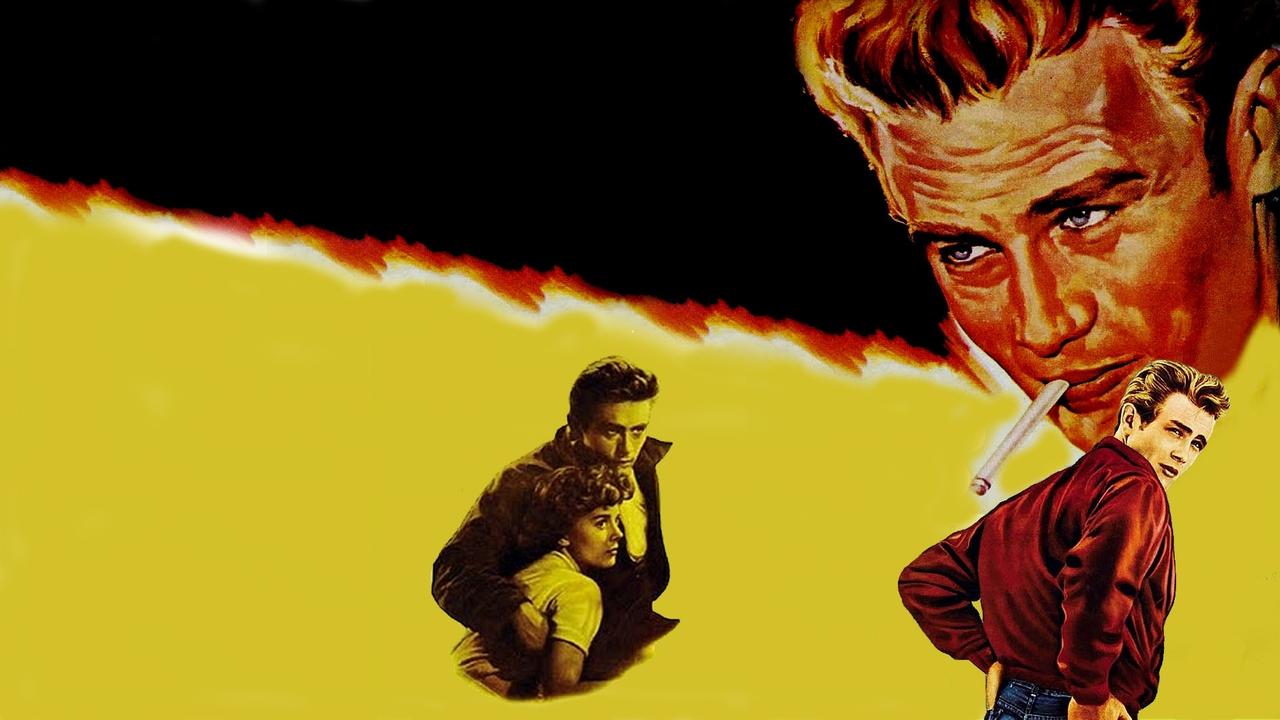
The transition to color was a massive technical hurdle at the time, requiring intense lighting that could sometimes be heard "humming" on set. Yet, Ernest Haller’s cinematography manages to feel intimate. He uses the wide frame to isolate characters, often leaving Jim or Plato alone in a sea of empty space. Even in a crowded high school hallway, they look like they’re on the moon.
Interestingly, the famous "Chickie Run" scene—where Jim and Buzz (Corey Allen) race cars toward a cliff—was based on real-life stories of juvenile delinquency that were terrifying parents across the country. But while the newspapers saw these kids as monsters, Nicholas Ray saw them as poets who had no words, so they used engines instead.
Rebel Without a Cause remains the definitive blueprint for every "misunderstood youth" movie that followed. While some of the slang is dated and the ending feels like a sudden, tragic crash, the emotional core is timeless. It captures that specific, terrifying moment in life when you realize your parents don't have the answers, and the only people who understand you are the other lost souls standing in the dark. It’s a film that demands to be felt, not just watched.
Most dramas from the fifties feel like they’re under glass, preserved and polite. This one still feels like it’s bleeding. Whether you’re a collector of the classics or just someone who has ever felt like an outsider in your own living room, this is essential viewing. It’s the sound of a generation finally finding its voice, even if it’s just a scream in the night.

Keep Exploring...
-

All About Eve
1950
-
Sabrina
1954
-
The Grapes of Wrath
1940
-

Laura
1944
-
The Treasure of the Sierra Madre
1948
-

Ikiru
1952
-
Tokyo Story
1953
-
La Strada
1954
-

Throne of Blood
1957
-
Wild Strawberries
1957
-
Hiroshima Mon Amour
1959
-
Sunset Boulevard
1950
-
High Noon
1952
-

The Searchers
1956
-
A Streetcar Named Desire
1951
-
The Day the Earth Stood Still
1951
-
Touch of Evil
1958
-
Seven Samurai
1954
-

The Ten Commandments
1956
-
The Seventh Seal
1957