The Night of the Hunter
"Beware the shepherd who sings of love and hate."
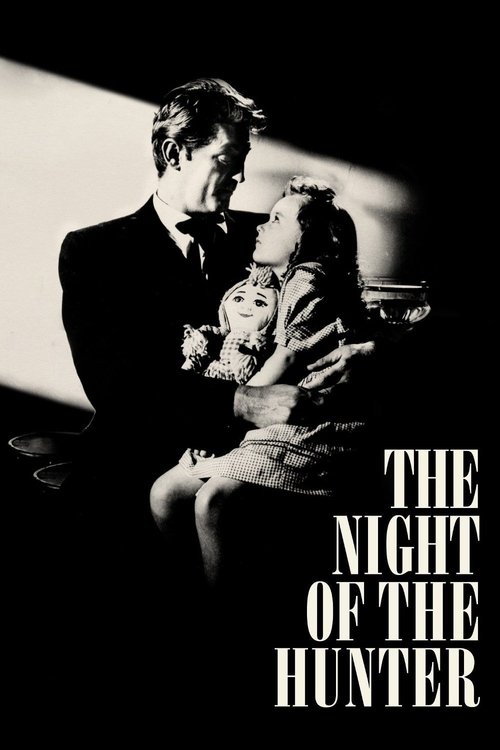
The 1950s in Hollywood were supposed to be about widescreen Technicolor stability—biblical epics, squeaky-clean musicals, and the occasional noir where the bad guy was clearly the guy in the cheap suit. Then came Charles Laughton. Better known as the heavyweight actor from The Hunchback of Notre Dame or Alfred Hitchcock’s Jamaica Inn, Laughton stepped behind the camera exactly once. The result was The Night of the Hunter, a film that didn't just break the rules of the studio system; it acted like they didn't exist. It was so roundly rejected by audiences in 1955 that Laughton never directed again, which is one of the greatest tragedies in cinema history.
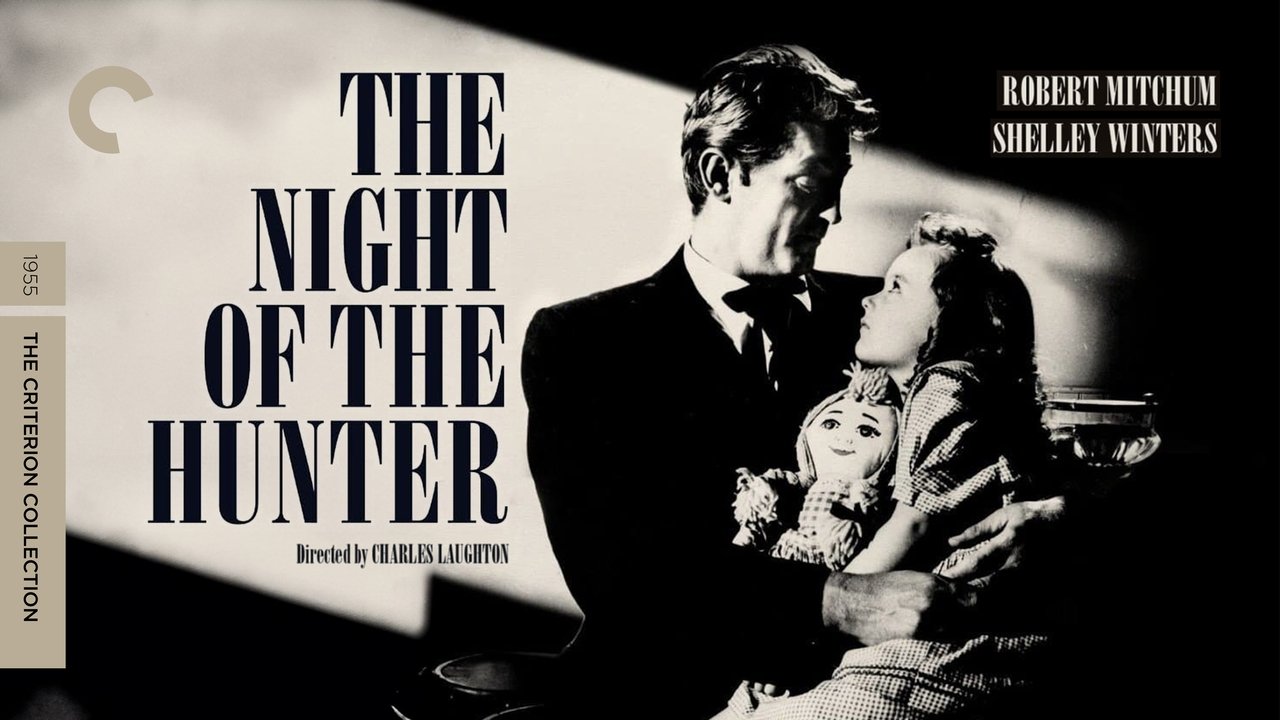
I watched this most recent time on a laptop in a hotel room where the air conditioner was clicking rhythmically like a metronome, and honestly, the mechanical ticking only made the mounting dread of Harry Powell’s singing more effective.
The Preacher with the Ink
From the jump, this isn't a standard thriller. Robert Mitchum plays Harry Powell, a self-appointed "Preacher" who spends his time chatting with God about which lonely widow he should murder next for her pocketbook. Powell is perhaps the most unsettling antagonist of the era. He’s not a cackling villain; he’s a shark in a string tie. When he’s arrested for car theft and ends up in a cell with a man who stole $10,000 and hid it before being caught, Powell finds his next target: the man’s widow and two young children.
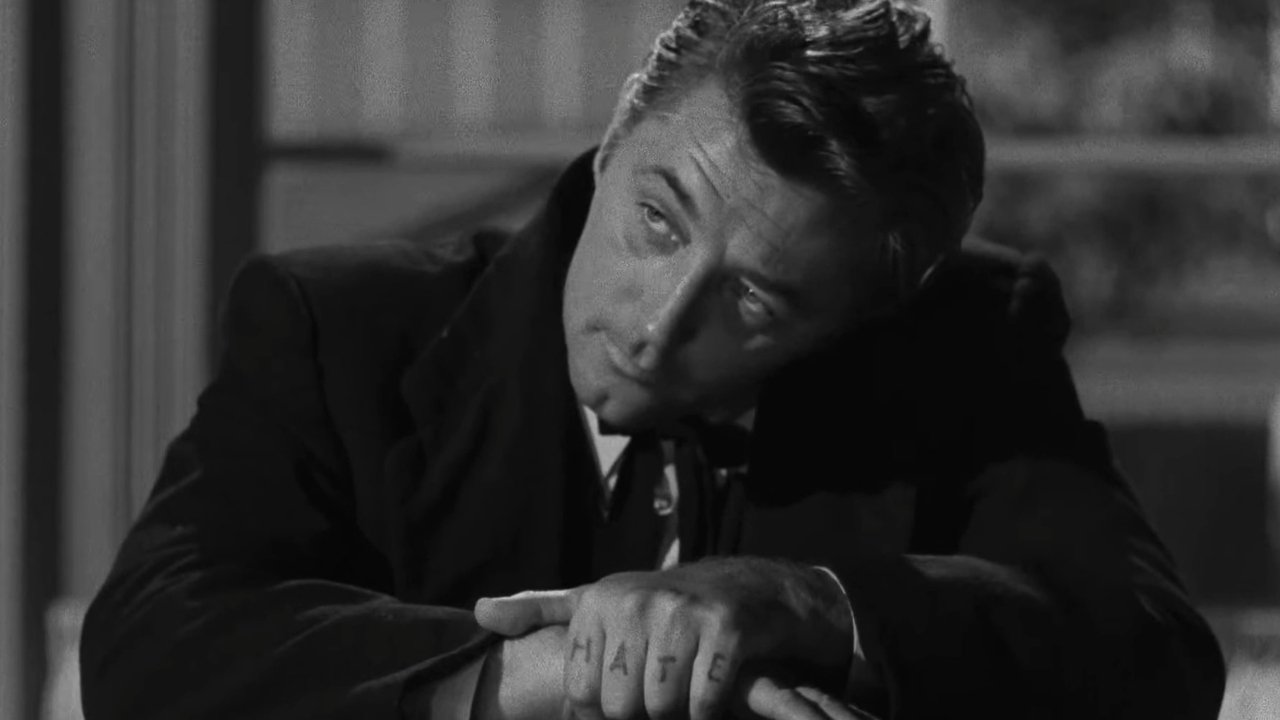
Mitchum’s performance is a marvel of physical menace. He’s got "LOVE" tattooed on the knuckles of one hand and "HATE" on the other—an image so iconic it’s been parodied and referenced in everything from The Simpsons to Do the Right Thing. He performs a little sermon about the struggle between the two hands for anyone who will listen, and Mitchum basically invented the modern cinematic psychopath here, balancing a honey-dipped Southern drawl with a terrifying, primal roar when things don't go his way.
The widow, Willa Harper, played by Shelley Winters, is heartbreakingly fragile. You want to scream at the screen for her to see through the Preacher's act, but Laughton frames her desperation with such empathy that you understand why she falls for his "moral" authority. She’s a woman looking for a path in a brutal Depression-era landscape, and she walks right into a wolf’s den.
A Southern Gothic Dreamscape
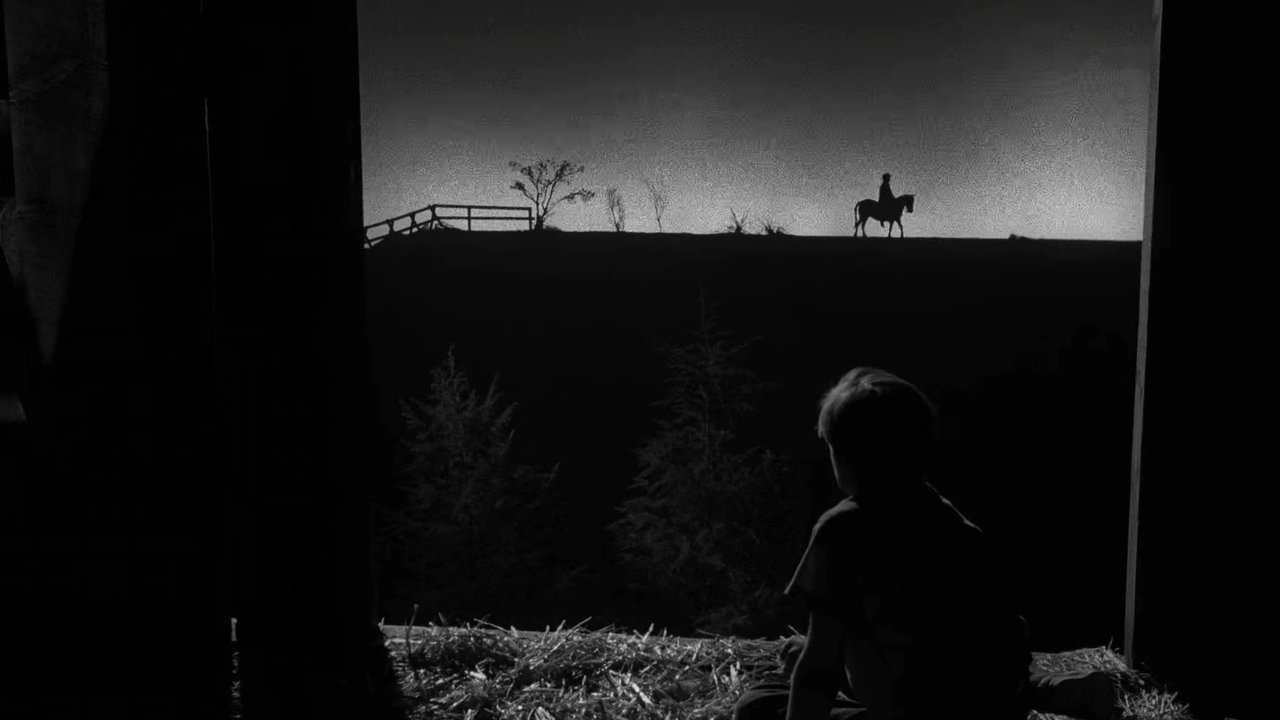
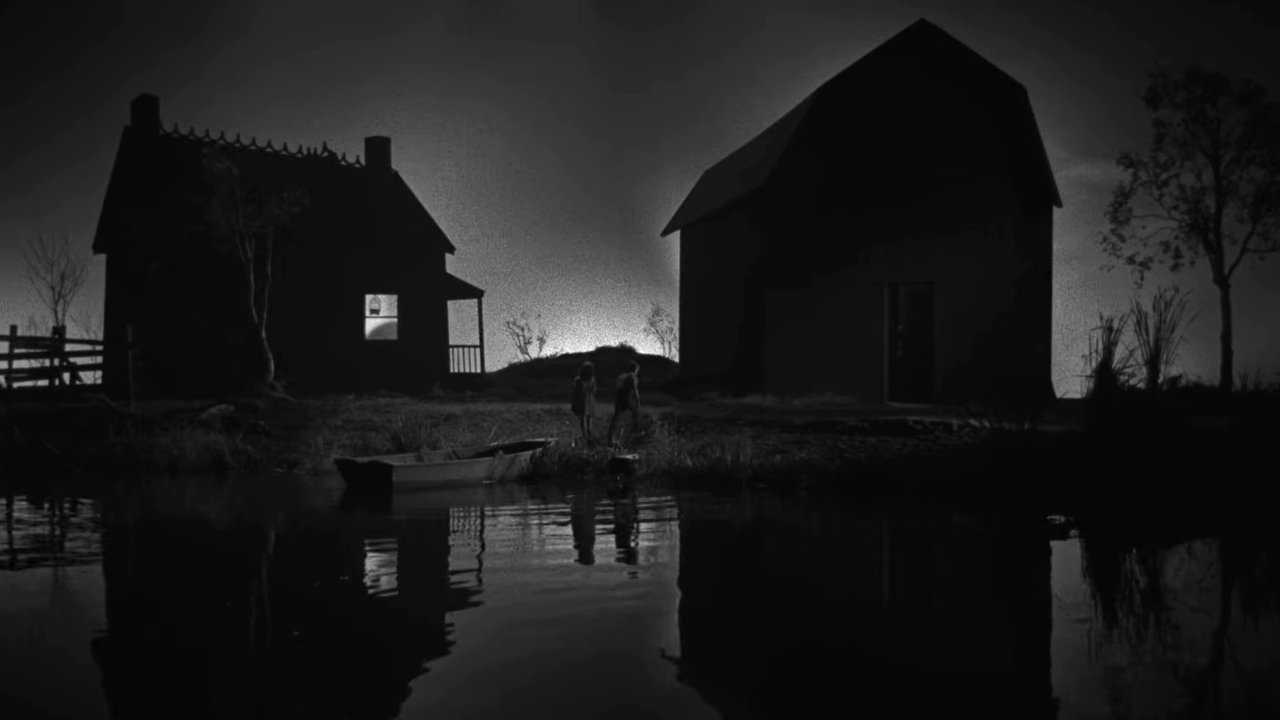
While the acting is top-tier, the real star might be the cinematography by Stanley Cortez, who also shot The Magnificent Ambersons for Orson Welles. This doesn't look like a 1955 movie. It looks like a nightmare dreamt by a child in 1925. Laughton and Cortez leaned heavily into German Expressionism—think sharp angles, distorted shadows, and sets that feel intentionally "fake" to create a fairytale atmosphere.
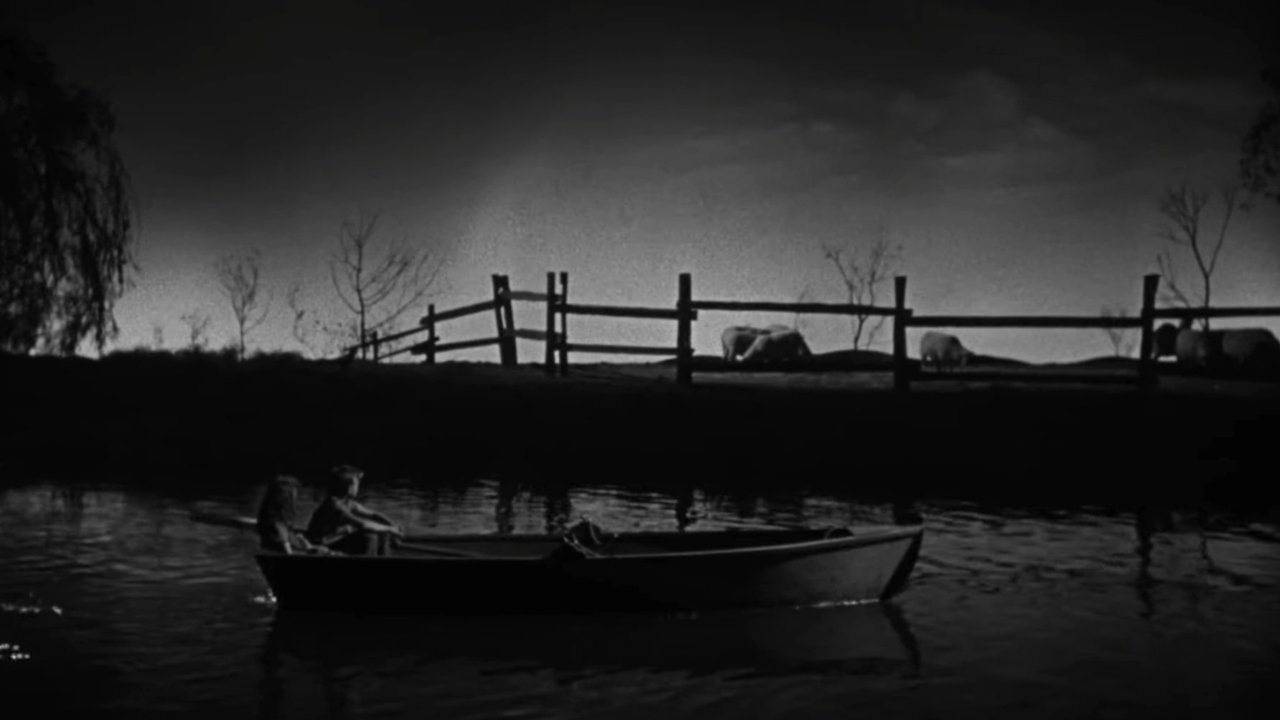
There is a sequence where the two children, John (Billy Chapin) and Pearl (Sally Jane Bruce), escape down a river in a small skiff. It is one of the most hauntingly beautiful stretches of film ever captured. As they drift, we see giant frogs, spiders, and owls in the foreground, looming over them like guardians or monsters. It feels less like a crime drama and more like a grim nursery rhyme. If you don’t think the shot of Willa Harper’s hair waving like river grass underwater is the most beautiful thing in horror, you’re watching it wrong. It’s morbid, sure, but it’s composed like a Renaissance painting.
Laughton was working with a relatively modest budget of about $795,000, which was peanuts compared to the big studio spectacles of the time. This independence allowed him to ignore the "flat" lighting style favored by the big houses. He used the lack of funds to his advantage, creating minimalist sets that emphasized the isolation of the characters. He wasn't interested in realism; he was interested in the way a child perceives evil—oversized, looming, and relentlessly persistent.
The Silent Queen vs. The Modern Monster
The film takes a sharp turn in the final act when the children encounter Rachel Cooper, played by silent film legend Lillian Gish. Laughton specifically cast Gish to evoke the purity of the early cinema era. If Mitchum represents the corrupt, modern world using religion as a weapon, Gish represents an older, sturdier kind of faith—one that actually protects "little things."
The standoff between them is legendary. Powell sits on the fence outside her house in the dark, singing a hymn ("Leaning on the Everlasting Arms") in that baritone voice of his. Then, Gish’s character joins in, picking up a shotgun and harmonizing with him from the porch. It’s a battle of spirits played out through a Sunday school song. It’s quiet, it’s tense, and it’s absolutely riveting.
Despite the heavy themes of child endangerment and religious hypocrisy, Laughton’s direction keeps the film from feeling exploitative. He avoids the "masterclass" traps of over-explaining the plot. Instead, he lets the shadows tell the story. It’s a film about how the world is a hard place for small creatures, but also how resilience can be found in the most unlikely places.
Apparently, Laughton was notoriously impatient with the child actors on set—Mitchum actually had to step in and help direct the kids because Laughton found their presence "unbearable." You’d never know it from the finished product, which feels deeply protective of the young protagonists. It’s a miracle this movie was made at all, and an even bigger miracle that it’s been preserved for us to rediscover. It’s a weird, dark, beautiful outlier that stands as a singular achievement in the Golden Age.
The Night of the Hunter is the kind of film that leaves a stain on your subconscious in the best way possible. It’s a reminder that even when the studio system was at its most rigid, true artists could still smuggle in something dangerous and poetic. It moves with the logic of a dream and the heart of a folk song, and it remains just as chilling today as it was when it baffled audiences nearly seventy years ago. Go watch it, but maybe keep a light on—and definitely keep an eye on anyone with tattooed knuckles.
Keep Exploring...
-
Rope
1948
-
Touch of Evil
1958
-

On the Waterfront
1954
-
The Killing
1956
-
Witness for the Prosecution
1957
-
Anatomy of a Murder
1959
-

Rashomon
1950
-
A Streetcar Named Desire
1951
-
Strangers on a Train
1951
-
The Day the Earth Stood Still
1951
-
Dial M for Murder
1954
-
In the Heat of the Night
1967
-
Bound
1996
-

Blood and Bone
2009
-
Undisputed III: Redemption
2010
-
Good Time
2017
-
The Cabinet of Dr. Caligari
1920
-
Straw Dogs
1971
-
Irreversible
2002
-
Les Misérables
2019