The Seven Year Itch
"Summer heat, a white dress, and a wandering imagination."
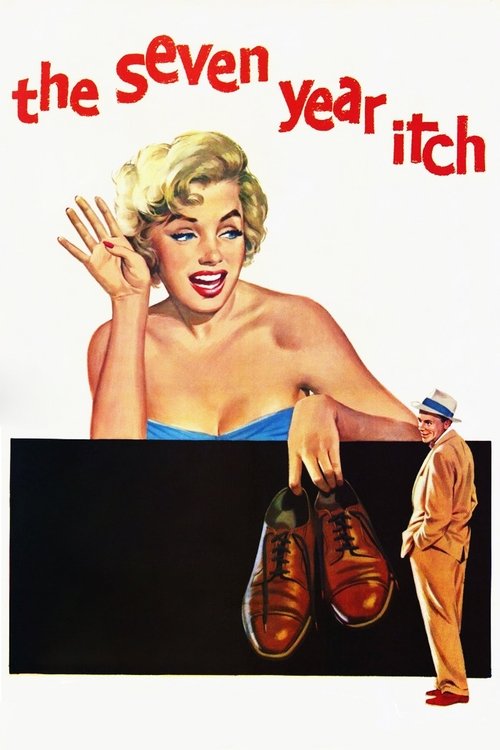
Imagine a New York City so stiflingly hot that the pavement feels like a frying pan and the only way to survive is to stick your head in the refrigerator. That’s the sweltering backdrop for Billy Wilder’s 1955 technicolor fever dream, The Seven Year Itch. While the world remembers this movie for a single, iconic image involving a subway grate and a billowing white dress, I found myself captivated by something much stranger: the frantic, neurotic interior monologue of a man who is clearly one heatstroke away from a total breakdown.
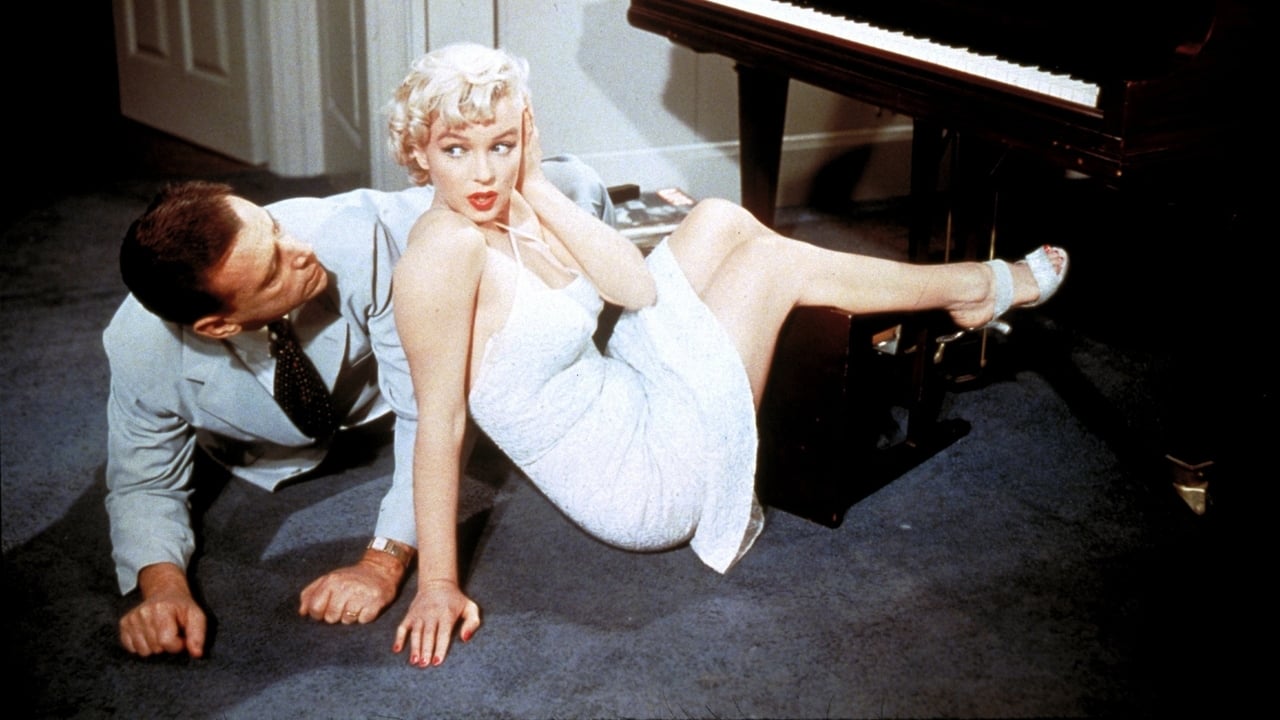
I watched this most recent time while eating a slightly mushy peach that had been sitting on my counter for three days too long, and honestly, that sense of overripe, sticky humidity made the viewing experience feel surprisingly immersive.
The Bachelor Summer and the Hays Code
The premise is a classic 1950s trope: the "summer bachelor." Richard Sherman, played with a high-strung, rubber-faced energy by Tom Ewell (reprising his role from the Broadway smash), has sent his wife and son to the cooler climes of Maine. He’s left alone in a quiet apartment with instructions to stop smoking, stop drinking, and keep his hands to himself. Of course, within minutes, he’s doing all three, mostly because he starts hallucinating conversations with his own conscience.
Sherman is a publishing executive for cheap paperbacks—the kind with titles like I Was a Communist for the FBI—and his overactive imagination is the engine of the film. Tom Ewell's Richard Sherman is basically a 1950s version of a panicked Reddit thread. He spends half the movie terrified that he’s going to cheat, and the other half terrified that his wife is currently having an affair with a brawny family friend (played with delightful pomposity by Sonny Tufts).
Because of the restrictive Production Code of the era, Billy Wilder had to perform a delicate narrative dance. In the original stage play by George Axelrod, the protagonist actually goes through with the affair. In the film, however, the censors wouldn't allow adultery to be portrayed so casually. This forces the movie into the realm of the surreal; the "itch" becomes less about the act and more about the agonizing, hilarious mental gymnastics of a man who wants to be a wolf but is actually just a very nervous sheep.
The Monroe Effect
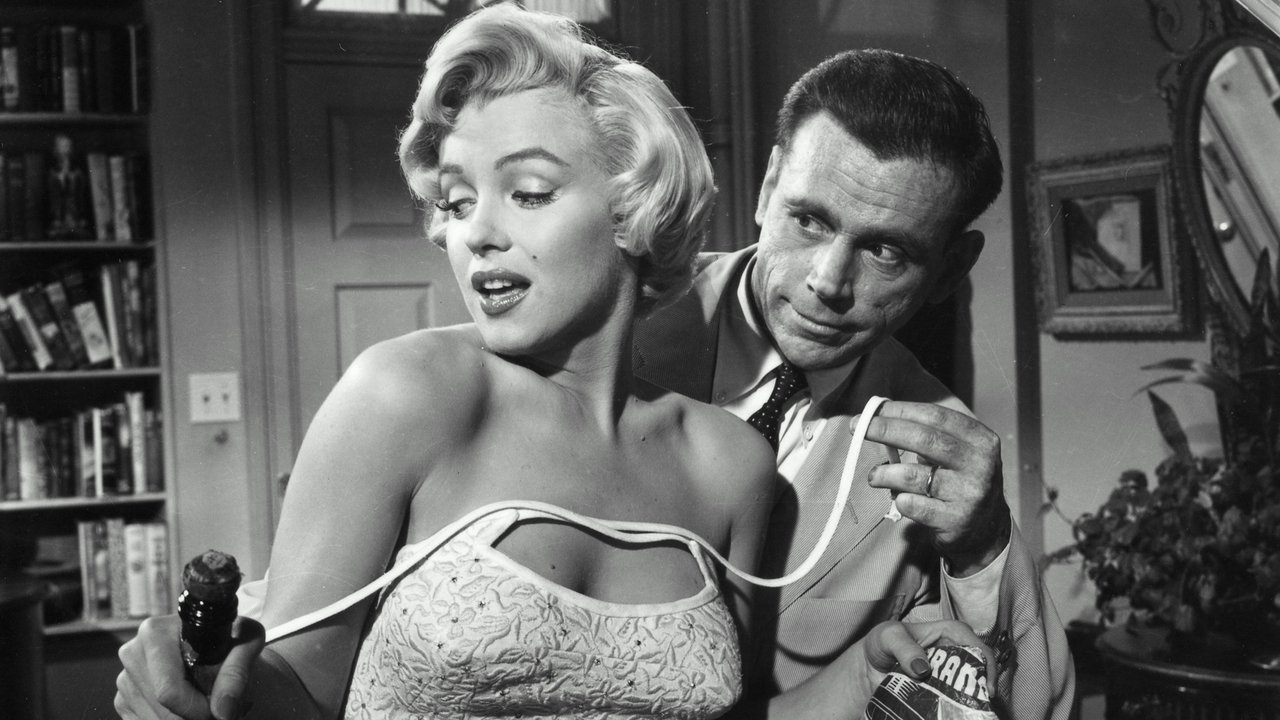
Then there is Marilyn Monroe. Credited simply as "The Girl," she is the catalyst for Sherman’s descent into madness. It’s easy to dismiss Monroe’s performance as just "the blonde," but that ignores her absolute genius for comedic timing. She plays The Girl with a disarming, almost childlike sincerity that makes Sherman’s predatory anxieties look even more ridiculous. When she suggests putting her undies in the icebox to keep cool, she isn't being provocative; she’s being practical.
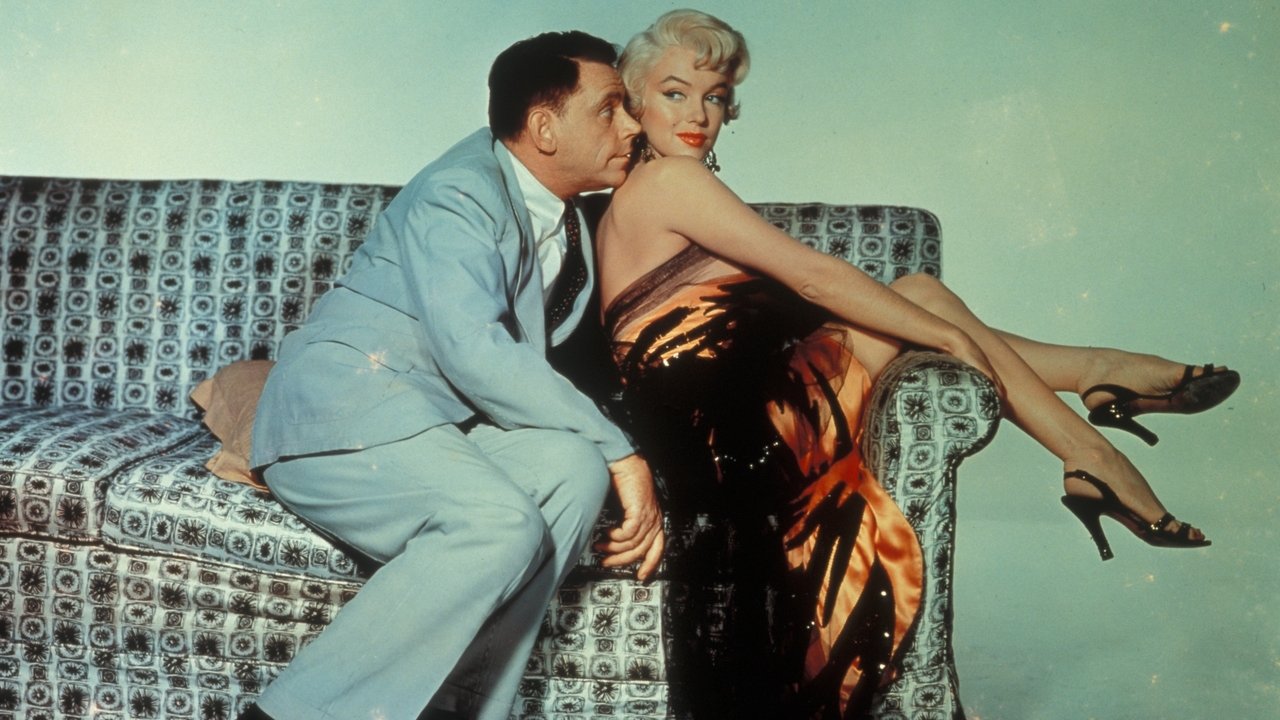
The chemistry between the two is lopsided in the best way possible. Tom Ewell is doing a marathon of physical comedy—sweating, twitching, and stumbling—while Marilyn Monroe simply glides through the frame, glowing in Milton Krasner’s vibrant Cinemascope photography. Wilder famously hated the widescreen format, once claiming it was only good for filming "funerals and snakes," but here it works to emphasize the cavernous loneliness of Sherman's apartment, making the space feel like a stage for his mental collapse.
The film also features a standout supporting turn by Oskar Homolka as Dr. Brubaker, a psychoanalyst who seems more interested in Sherman’s "itch" as a clinical phenomenon than a moral one. Their scenes together are a masterclass in deadpan delivery, providing a sharp contrast to the more manic fantasy sequences.
A Masterpiece of Coded Comedy
What fascinates me about The Seven Year Itch is how it maneuvers around the censors. Because they couldn't show the "sin," they showed the anticipation of it, which is arguably much funnier. The "Rachmaninoff Scene," where Sherman tries to seduce The Girl with classical music, is a comedy of errors that hinges entirely on the audience knowing exactly what is supposed to happen and watching it fail spectacularly. The scene where they try to play a piano duet is more erotic than most modern rom-coms because of what it leaves to the imagination.
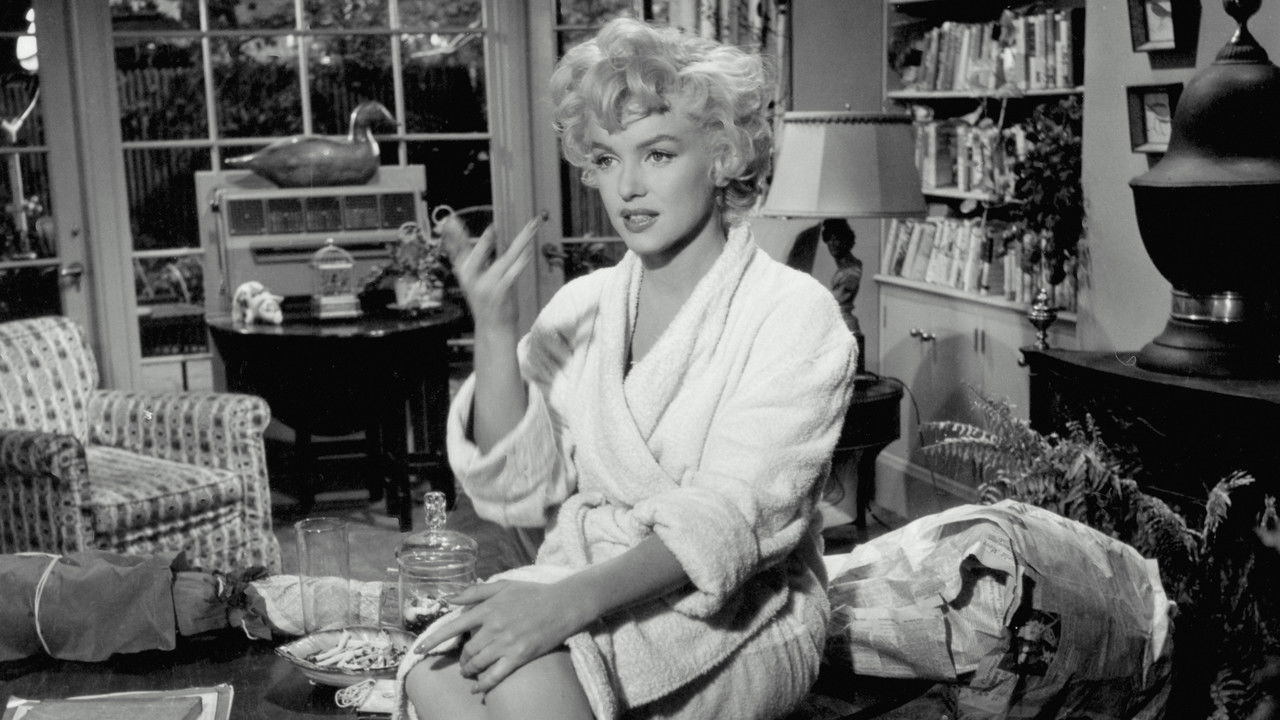
Is it dated? Absolutely. The gender politics are firmly rooted in a world where "The Little Woman" is a domestic anchor and men are expected to be constantly fighting off their "natural" urges. But if you look past the 1950s social constructs, there’s a timelessness to the anxiety of choice. Sherman isn't just afraid of cheating; he's afraid of aging, of becoming irrelevant, and of the realization that his life has become a series of predictable habits.
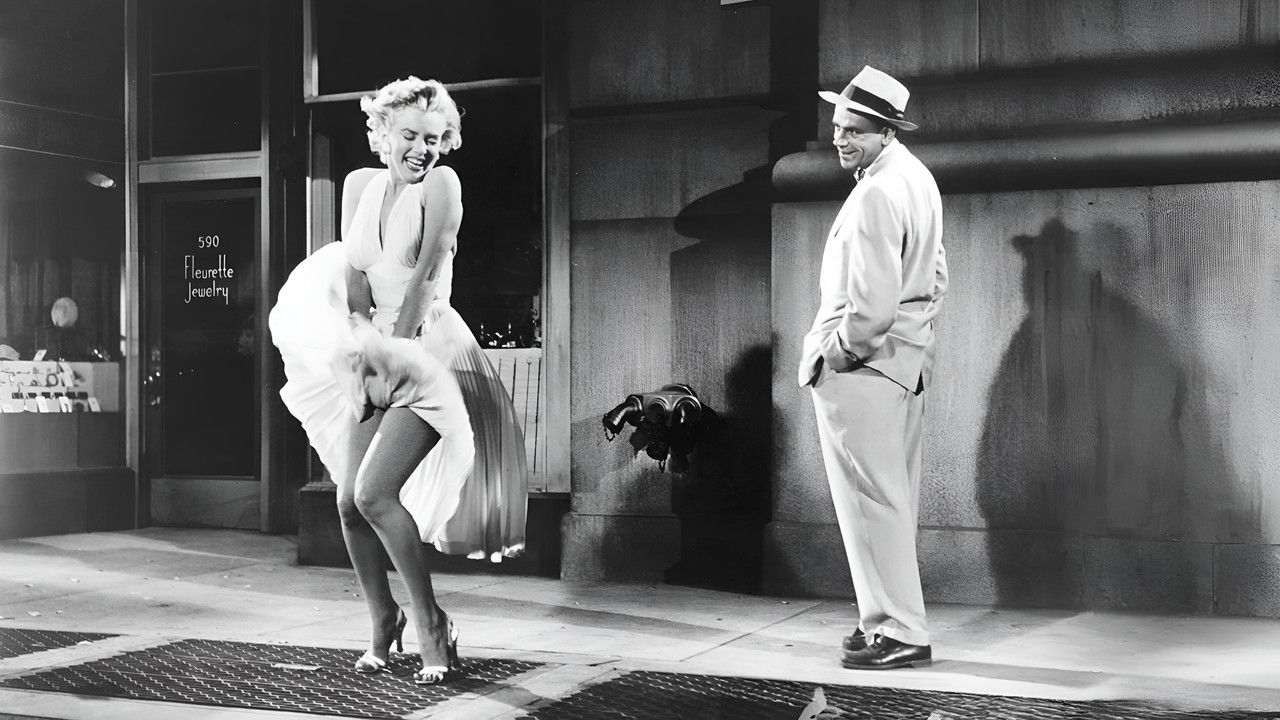
The legendary subway grate scene—which was originally shot on location in NYC at 2:00 AM before thousands of cheering fans, only to be re-shot on a studio backlot because the noise was too much—remains the film’s heartbeat. It represents the ultimate Wilder touch: a moment of pure, unadulterated glamour that is immediately undercut by the absurdity of the situation.
Ultimately, The Seven Year Itch is a polished, vibrant artifact of a Hollywood that knew how to sell a dream while whispering a joke behind its hand. It’s a film that lives and dies on its two leads, and while Tom Ewell provides the sweat and the structure, it’s Marilyn Monroe who provides the soul. She isn't a character so much as a force of nature that forces a suburban man to look into the mirror and realize he’s wearing his pants too high. It’s funny, it’s gorgeous to look at, and it’s the perfect companion for a humid night when your own air conditioner is on the fritz.
Keep Exploring...
-
Sabrina
1954
-

Some Like It Hot
1959
-

Gentlemen Prefer Blondes
1953
-
The Apartment
1960
-
His Girl Friday
1940
-

Roman Holiday
1953
-

Lady and the Tramp
1955
-
Double Indemnity
1944
-
The Trouble with Harry
1955
-
To Catch a Thief
1955
-
The Philadelphia Story
1940
-
Sunset Boulevard
1950
-
Witness for the Prosecution
1957
-
Arsenic and Old Lace
1944
-

Singin' in the Rain
1952
-

Hiroshima Mon Amour
1959
-
Cinderella
1950
-
The African Queen
1952
-

On the Waterfront
1954
-
Breakfast at Tiffany's
1961