The Trouble with Harry
"The most delightful way to handle a corpse."
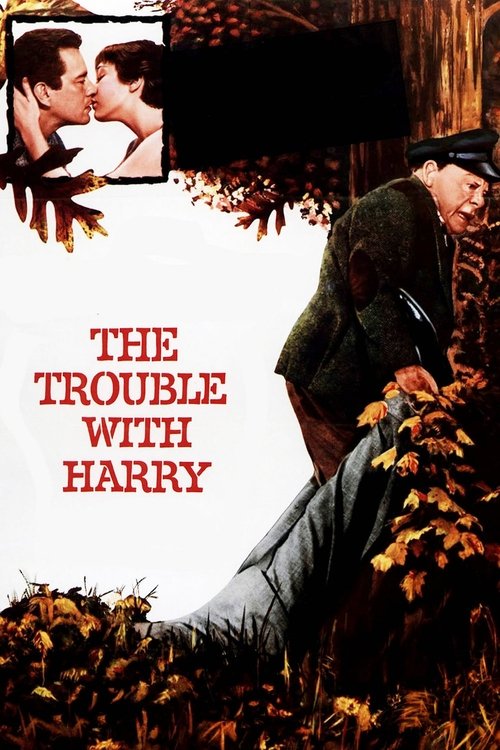
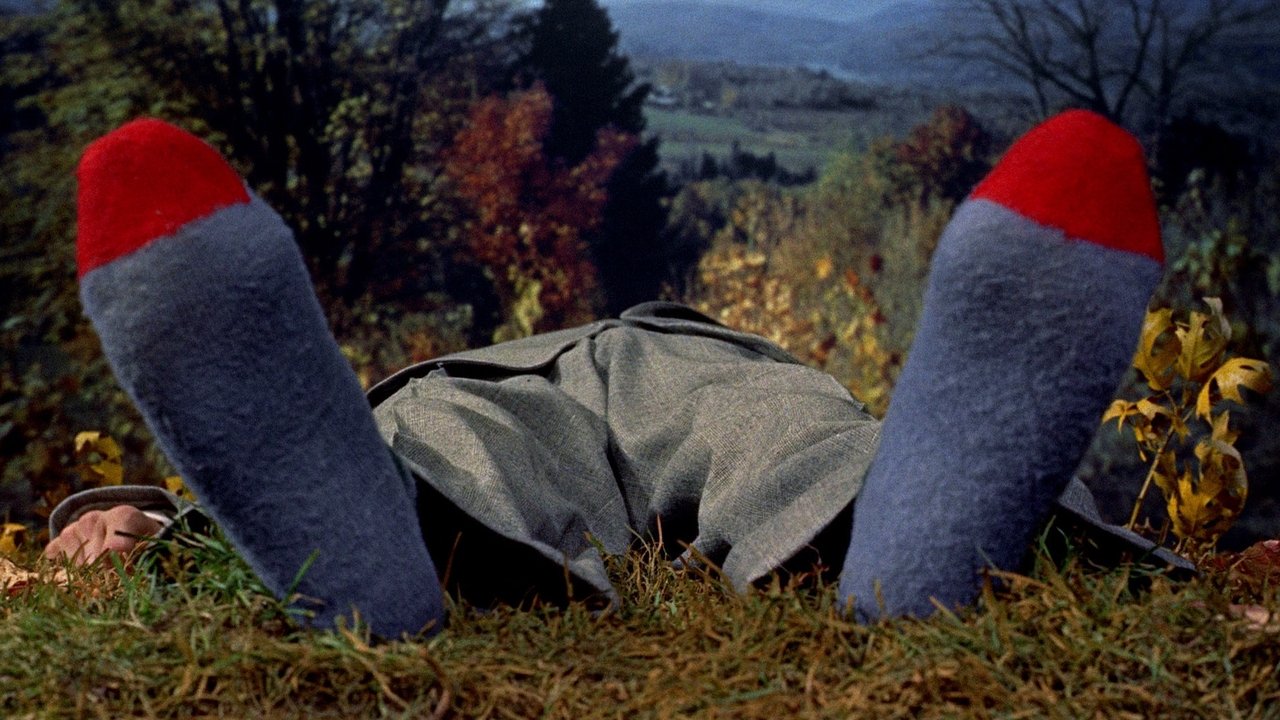
There is something fundamentally hilarious about a dead body that simply won’t stay put. In most Alfred Hitchcock films, a corpse is a MacGuffin—a catalyst for a cross-country chase or a descent into psychological madness. But in The Trouble with Harry, the body is more like a piece of abandoned furniture that nobody quite knows where to place. It’s the ultimate unwanted houseguest, and the fact that he’s lying in the middle of a stunningly beautiful Vermont autumn only makes the situation more absurd. I watched this for the third time last Sunday while trying to fold a fitted sheet—an act of futility that mirrored the characters' attempts to bury Harry—and I realized this might be the most "Hitchcockian" movie Hitchcock ever made, precisely because it lacks his usual bag of tricks.
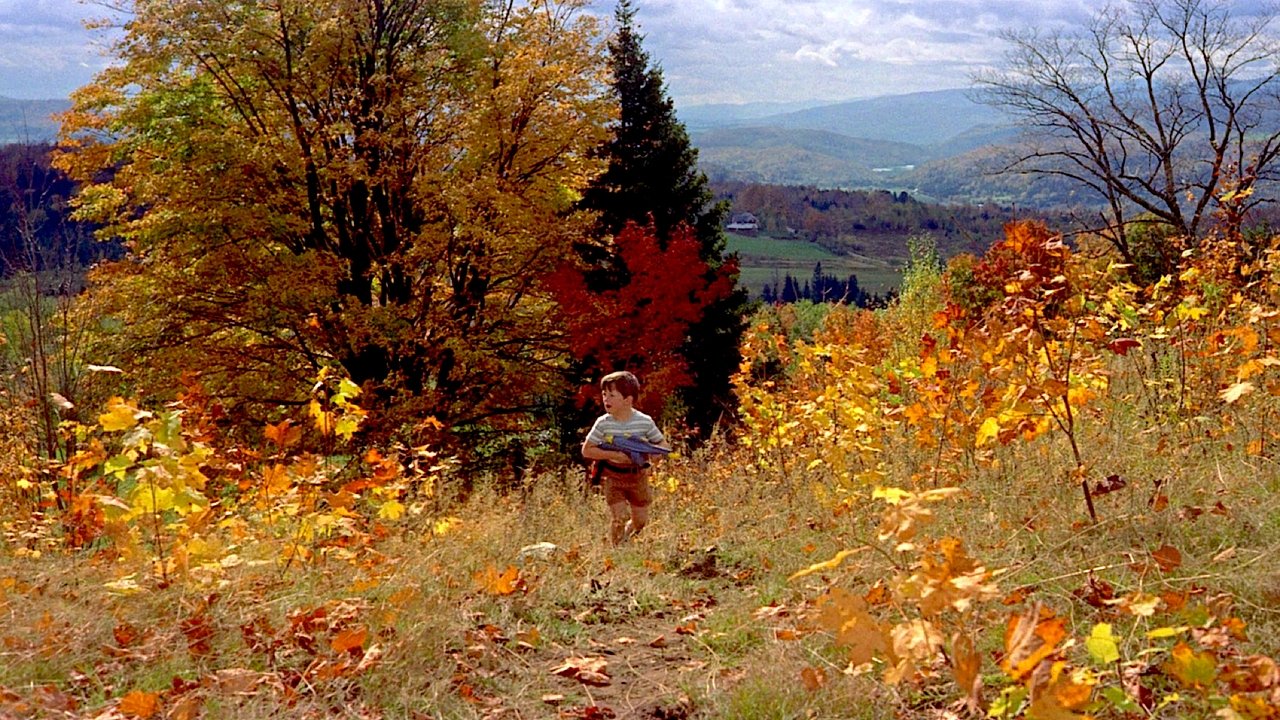
Autumn Leaves and Accidental Homicides
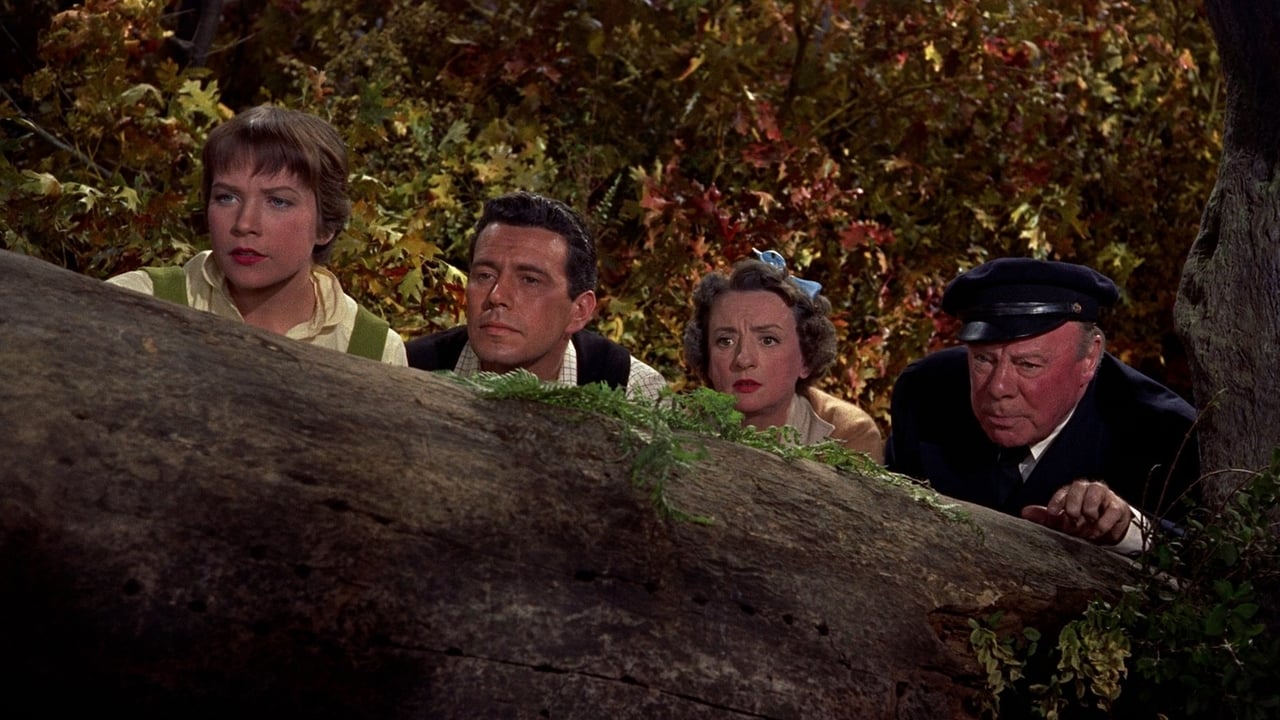
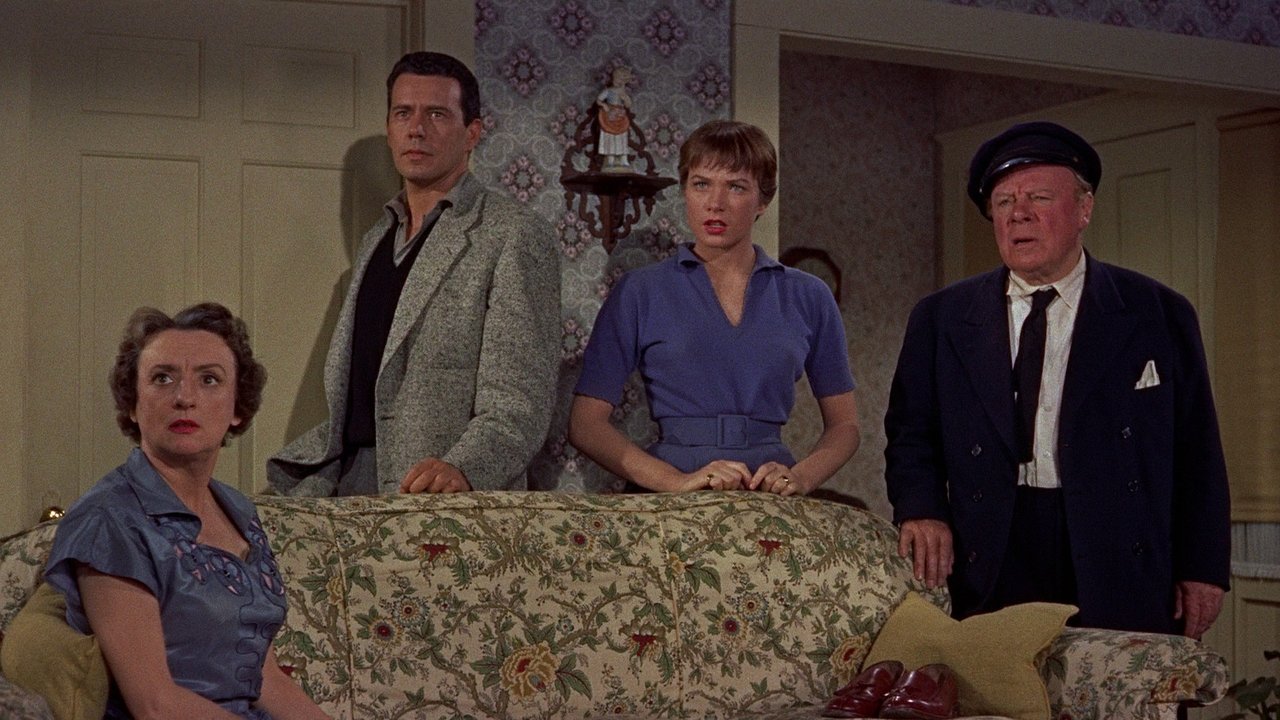
The premise is deceptively simple: a man named Harry Worp is found dead on a hillside. The "trouble" isn't the murder itself, but the fact that four different residents of the local village think they might have accidentally punched his ticket. You have Edmund Gwenn (the world’s most lovable Santa Claus from Miracle on 34th Street) as Captain Wiles, who thinks a stray shot from his rabbit hunting did the deed. Then there’s Mildred Natwick as Miss Gravely, who fears her defensive heel-strike to Harry's temple was the killing blow. Throw in a bohemian painter played by John Forsythe and a young, suspiciously unfazed mother played by a debuting Shirley MacLaine, and you have a recipe for the driest comedy ever captured on VistaVision.
The humor here is purely deadpan. It’s a "British" comedy set in New England, which makes sense given Hitchcock’s roots. While American audiences in 1955 were largely baffled by it—expecting the high-octane suspense of Rear Window (1954)—European audiences ate it up. It’s a movie where the most offensive thing is a pair of mismatched shoes rather than the fact that there’s a dead guy in the parlor. Hitchcock treats the corpse with the same reverence one might give a misplaced umbrella. It’s an exercise in suburban politeness pushed to the point of insanity.
The Resurrection of the Five Lost Hitchcocks
For a long time, The Trouble with Harry was a ghost. It was one of the "Five Lost Hitchcocks"—a group of films (including Vertigo and Rear Window) whose rights were bought back by the director and kept out of circulation for nearly thirty years to serve as a legacy for his daughter. This forced obscurity gave the film a cult-like mystique. When it finally re-emerged in the 1980s, it felt less like a 1950s relic and more like a precursor to the quirky, small-town surrealism of Twin Peaks or the Coen Brothers.
Visually, it is an absolute feast. Robert Burks, Hitchcock's long-time cinematographer, captures the Vermont landscape in Technicolor so vivid it practically bleeds orange and gold. It’s Hitchcock’s most relaxing movie about a homicide, looking more like a Thomas Hart Benton painting than a thriller. This was also the first collaboration between Hitchcock and composer Bernard Herrmann. If you’re used to the shrieking violins of Psycho (1960), you’re in for a shock. Herrmann’s score here is whimsical, bouncy, and slightly macabre—it’s the musical equivalent of a shrug. It tells you immediately: "Don't worry, nobody liked Harry anyway."
A Star is Born (and a Corpse is Buried)
The real find here is a twenty-year-old Shirley MacLaine. She has this pixie-cut, wide-eyed nonchalance that feels completely modern. While other actresses of the era were often pushed into boxes of "damsel" or "vamp," MacLaine’s Jennifer Rogers is just... over it. She’s glad Harry is dead, and she’s not going to pretend otherwise for the sake of decorum. Her chemistry with John Forsythe provides the film’s heartbeat, turning what could have been a morbid exercise into a weirdly romantic romp.
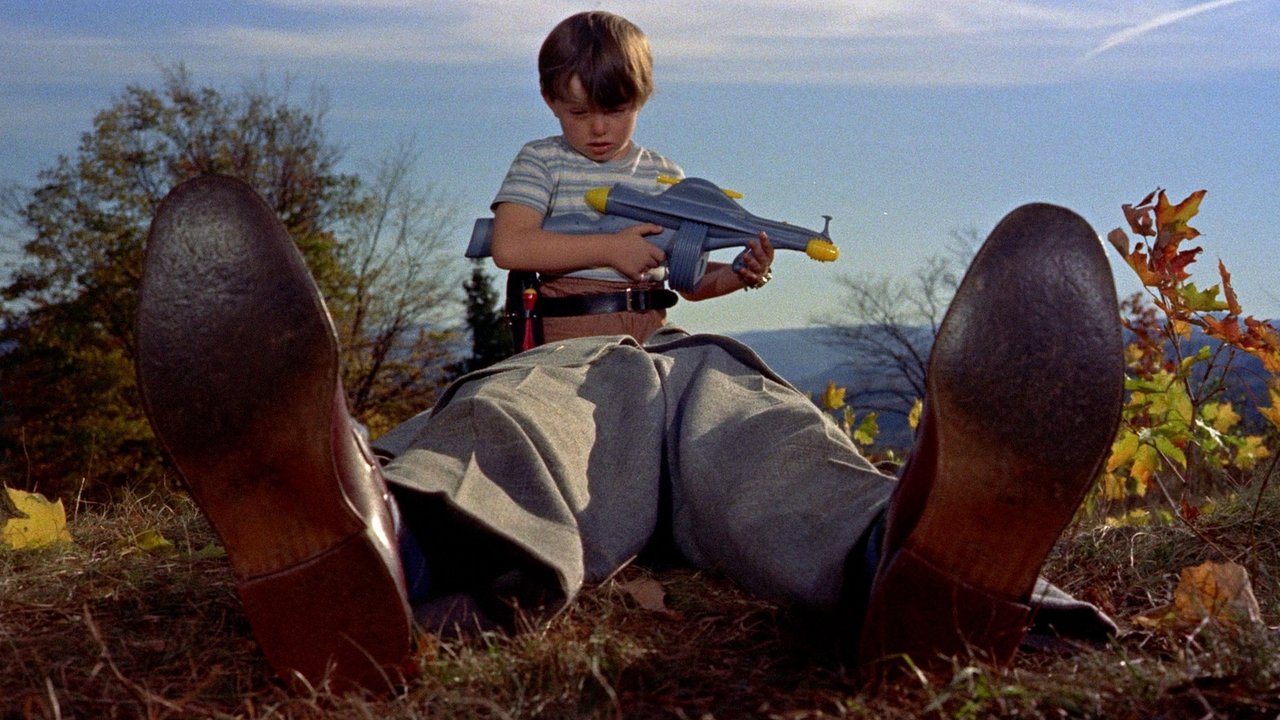
Even the kid, played by Jerry Mathers (pre-Leave It to Beaver), contributes to the film's skewed reality. He finds the body and treats it like a cool rock he found in the woods. This lack of "appropriate" emotional response is what makes the comedy work. If anyone showed genuine grief, the engine would stall. Instead, the film operates on the logic of a polite tea party where someone just happened to forget to move the body off the rug. It’s the cinematic equivalent of a polite cough during a funeral, and I love every awkward second of it.
If you go into this expecting North by Northwest (1959), you’ll be disappointed. But if you want to see a master director playing in a sandbox of his own design, it’s a total joy. It’s a film that celebrates the craftsmanship of the studio system while simultaneously poking fun at the era’s rigid social codes. Hitchcock proved here that he didn't need a ticking bomb to hold an audience—sometimes, all you need is a beautiful forest, a few eccentric neighbors, and a corpse that just won't quit. It’s a macabre, colorful, and utterly charming anomaly in a career built on shadows.
Keep Exploring...
-
To Catch a Thief
1955
-
The Man Who Knew Too Much
1956
-
Shadow of a Doubt
1943
-
Rear Window
1954
-
Strangers on a Train
1951
-

Rebecca
1940
-
Suspicion
1941
-
Spellbound
1945
-
Notorious
1946
-

Vertigo
1958
-

Gentlemen Prefer Blondes
1953
-
Sabrina
1954
-
The Seven Year Itch
1955
-
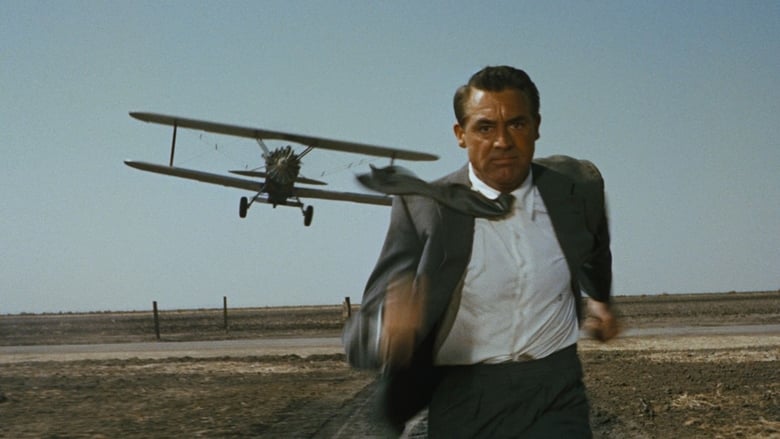
North by Northwest
1959
-
Marnie
1964
-
The Maltese Falcon
1941
-
Arsenic and Old Lace
1944
-

Laura
1944
-
The Big Sleep
1946
-
Rope
1948