To Catch a Thief
"The hunter becomes the hunted in a playground for thieves."
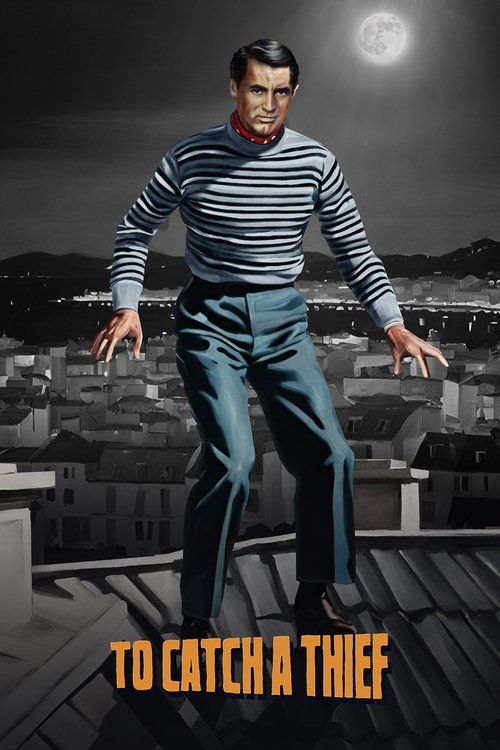
The French Riviera of 1955 shouldn't feel like a graveyard, but for John Robie, every sun-drenched terrace is a potential gallows. We often remember Alfred Hitchcock’s To Catch a Thief as a breezy, Technicolor postcard—a flirtatious romp between two of cinema’s most beautiful people. But if you peel back the Mediterranean shimmer, there is a much colder, more desperate film underneath. It is a story about a man whose past is a noose tightening around his neck, and a woman whose attraction to him is rooted in a disturbing fascination with criminality.
I watched this most recently while nursing a lukewarm cup of peppermint tea that had a single, defiant film of dust floating on top, and the sterile stillness of my living room made the film’s underlying tension feel surprisingly sharp. This isn't just a mystery; it’s a portrait of post-war survival in a world that has quickly forgotten the grit of the Resistance in favor of diamonds and champagne.
The Shadow of the Maquis
Cary Grant plays John Robie with a subdued, almost haunted stillness that feels miles away from his screwball comedy roots. He is "The Cat," a legendary reformed burglar who spent the war fighting in the French Resistance. When a new string of robberies mimics his signature style, the police and his former underground comrades all turn on him. There is a genuine, grim weight to the scene where Robie visits his old friend Bertani (Charles Vanel) at a restaurant staffed by ex-cons. These men aren't just colorful characters; they are former soldiers who feel betrayed by Robie’s supposed return to crime. The threat of a "citizen’s arrest" that looks more like a lynching hangs over the first act.
Hitchcock uses the sprawling VistaVision frame not just to show off the scenery, but to emphasize Robie’s isolation. He is a man trapped by his own legend. Cary Grant’s tan is famous, but his eyes in this film are those of a man who knows his luck has finally run out. He isn't effortlessly gliding through the plot; he is scrambling, using every ounce of his aging physical prowess to avoid a life behind bars or a knife in the dark from a former brother-in-arms.
A Predatory Romance
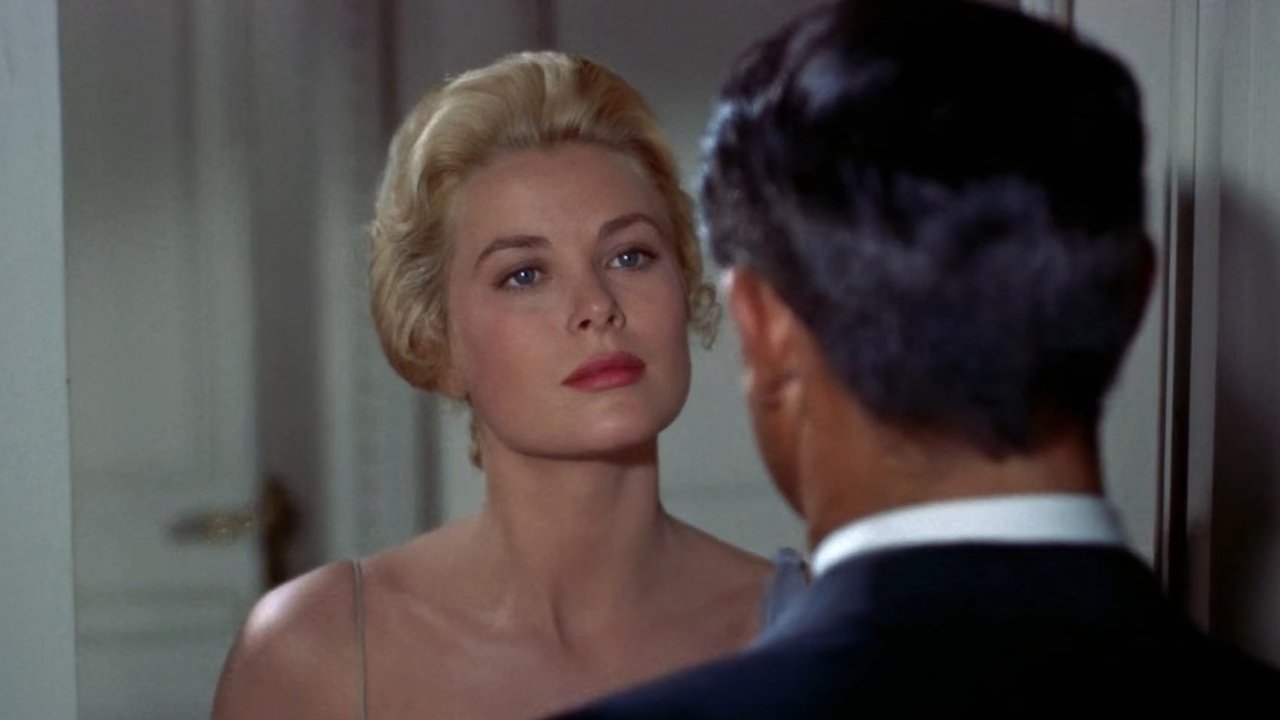
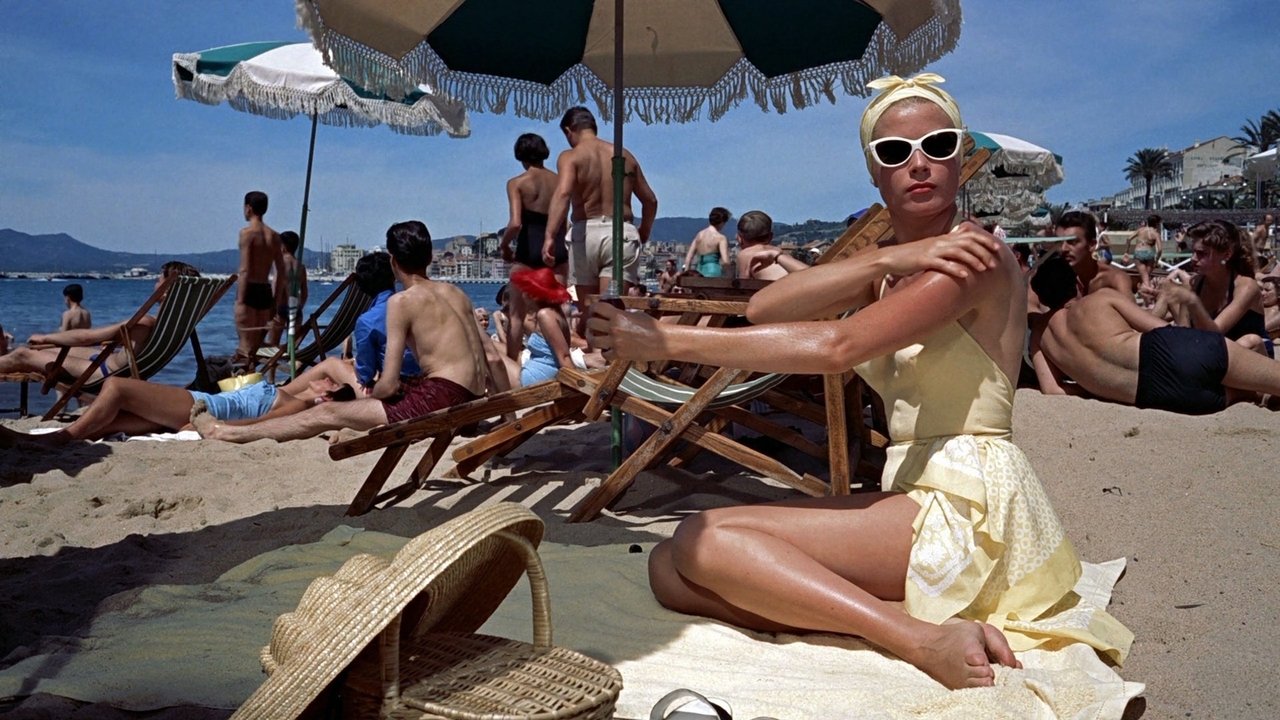
Then there is Frances Stevens, played by Grace Kelly at the absolute peak of her icy, calculated powers. While the marketing of the era positioned her as the "catch," the performance itself is far more predatory. Frances isn't looking for a husband; she’s looking for a thrill. She treats Robie like a specimen, a dangerous animal she wants to poke with a stick to see if it bites. The way she stares at him during the famous "fireworks" scene in the hotel room is unsettling. She isn't swooning; she is analyzing.
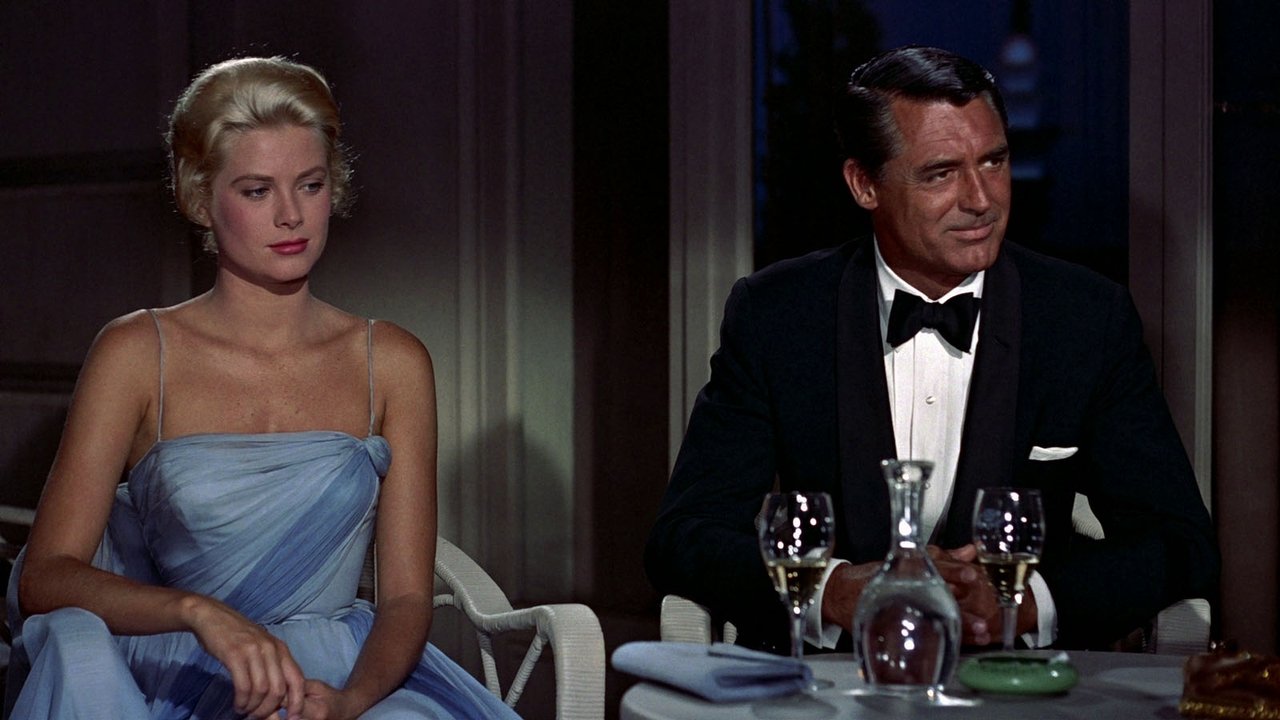
The chemistry between Cary Grant and Grace Kelly is legendary, but it’s built on a foundation of mutual deception. John Michael Hayes’s screenplay is packed with double entendres that famously drove the Production Code censors into a frenzy. Apparently, the censors were so preoccupied with the blatant sexual metaphors of the fireworks that they missed the darker psychological subtext: Frances is essentially a "crime groupie" who is only interested in Robie because she believes he is a thief. Their romance is less a meeting of souls and more a high-stakes negotiation between a desperate man and a bored heiress.
The Craft of Tension
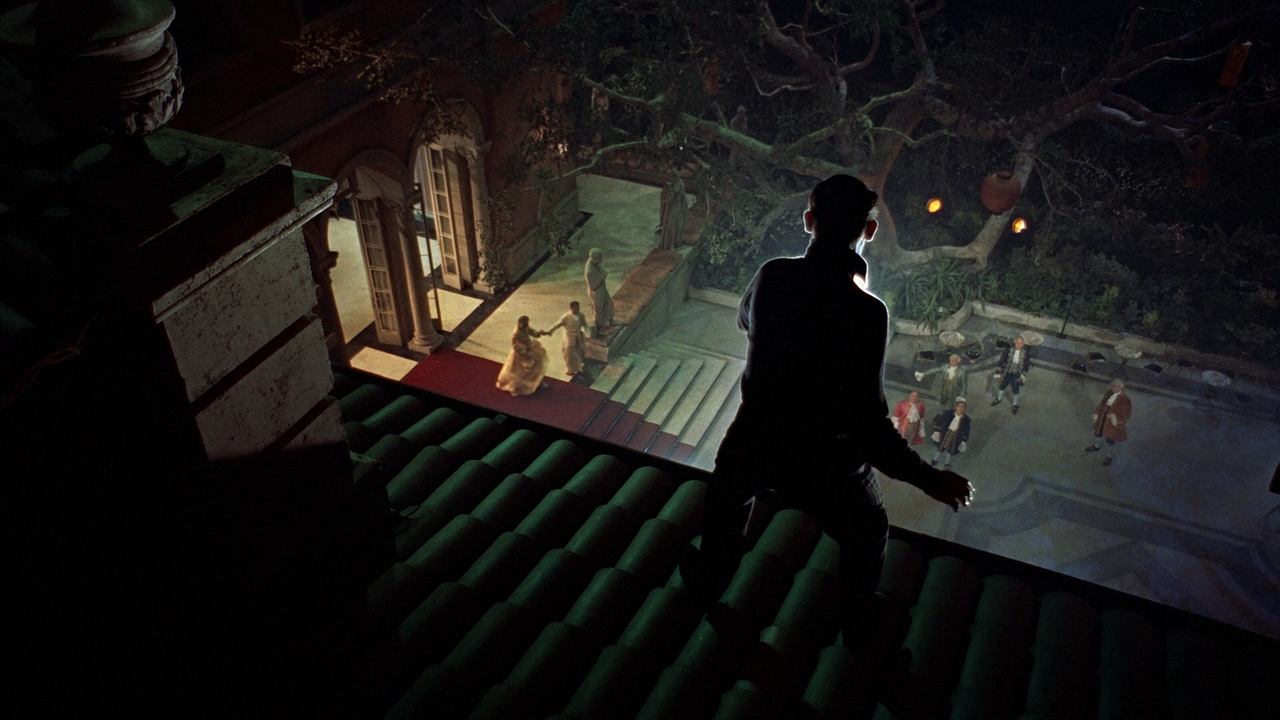
Technically, the film is a masterclass in using glamour to mask unease. Robert Burks’s cinematography won an Oscar, and for good reason. The night scenes, particularly the rooftop climax, use deep blues and stark shadows that recall Hitchcock’s more overt noir works like Shadow of a Doubt. The costume design by Edith Head serves a similar purpose; Grace Kelly’s gold ball gown isn't just a dress; it’s armor designed to dazzle and distract.
The film also captures a specific moment in Hollywood history—the transition from studio-bound artifice to the luxury of international location shooting. Paramount pushed the VistaVision format specifically to compete with the rising threat of television, and Hitchcock used that clarity to make the Riviera feel like a character in itself. Yet, despite the beauty, there’s an underlying cynicism about the idle rich. Jessie Royce Landis, playing Frances’s mother, provides the only grounded perspective, treating the loss of her jewels with a weary shrug that suggests even the victims in this world find the pursuit of wealth slightly absurd.
Cool Details
One of the more fascinating bits of trivia involves the sheer logistical nightmare of filming the car chases on the Grande Corniche. The narrow, winding roads were genuinely dangerous, and Grace Kelly had to perform many of her own driving stunts. The irony, of course, is that these same roads would claim her life decades later, lending a retrospective chill to the high-speed sequences.
Furthermore, Hitchcock’s battle with the Hays Code resulted in one of his most creative uses of editing. Because he couldn't show a long, sustained kiss, he cut between the actors and the exploding fireworks, creating a sequence that was far more suggestive than anything the censors were trying to prevent. It was a classic "Hitch" move: if you tell him he can't show the fire, he’ll show you the explosion.
To Catch a Thief is often dismissed as "Hitchcock Lite," but that does a disservice to the craft on display. It is a film that weaponizes beauty to explore themes of identity and the impossibility of escaping one's past. By the time the final rooftop confrontation occurs, the stakes feel genuinely heavy. Robie isn't just fighting for his freedom; he's fighting against the image of himself that the world—and Frances—has created. It’s a gorgeous, intense, and deeply cynical look at the cost of reputation in a world where everyone has something to hide.

Keep Exploring...
-
Suspicion
1941
-
Notorious
1946
-
The Man Who Knew Too Much
1956
-

Vertigo
1958
-

Rebecca
1940
-
Spellbound
1945
-
Rear Window
1954
-
North by Northwest
1959
-
Shadow of a Doubt
1943
-
Marnie
1964
-
Strangers on a Train
1951
-
Dial M for Murder
1954
-
The Trouble with Harry
1955
-
Diabolique
1955
-
The Maltese Falcon
1941
-
The Big Sleep
1946
-
Rope
1948
-
The 39 Steps
1935
-
The Lady Vanishes
1938
-
A Streetcar Named Desire
1951