Forbidden Planet
"The monsters are closer than you think."
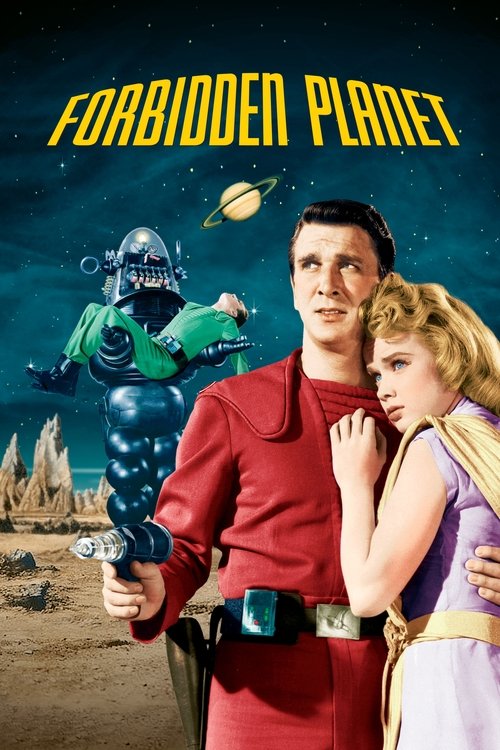
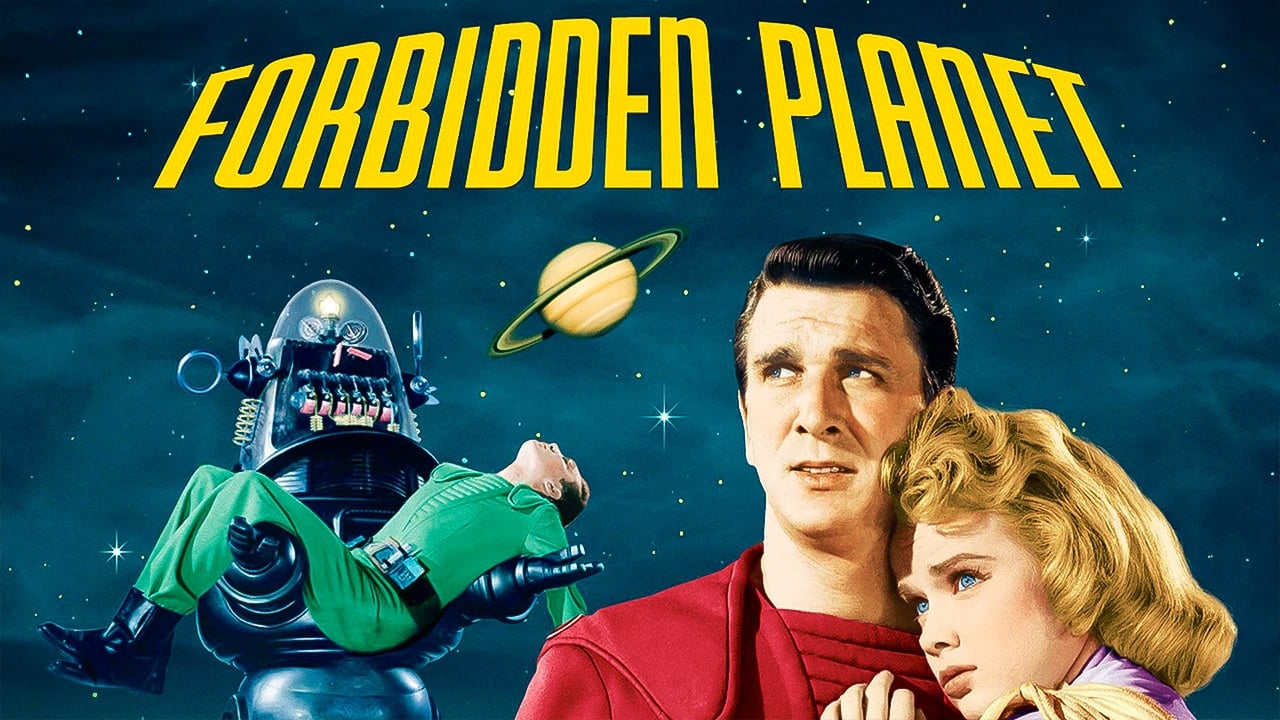
In the 1950s, science fiction was largely a landscape of "B" movies—think giant ants, guys in cardboard rockets, and thinly veiled metaphors for the Red Scare. Then Metro-Goldwyn-Mayer stepped onto the soundstage. MGM, the studio that boasted "more stars than there are in the heavens," decided to treat the genre with the same Technicolor opulence they gave to their lavish musicals. The result was Forbidden Planet, a film so ambitious and weirdly psychological that it essentially paved the way for every "serious" space adventure that followed, from Star Trek to Arrival.
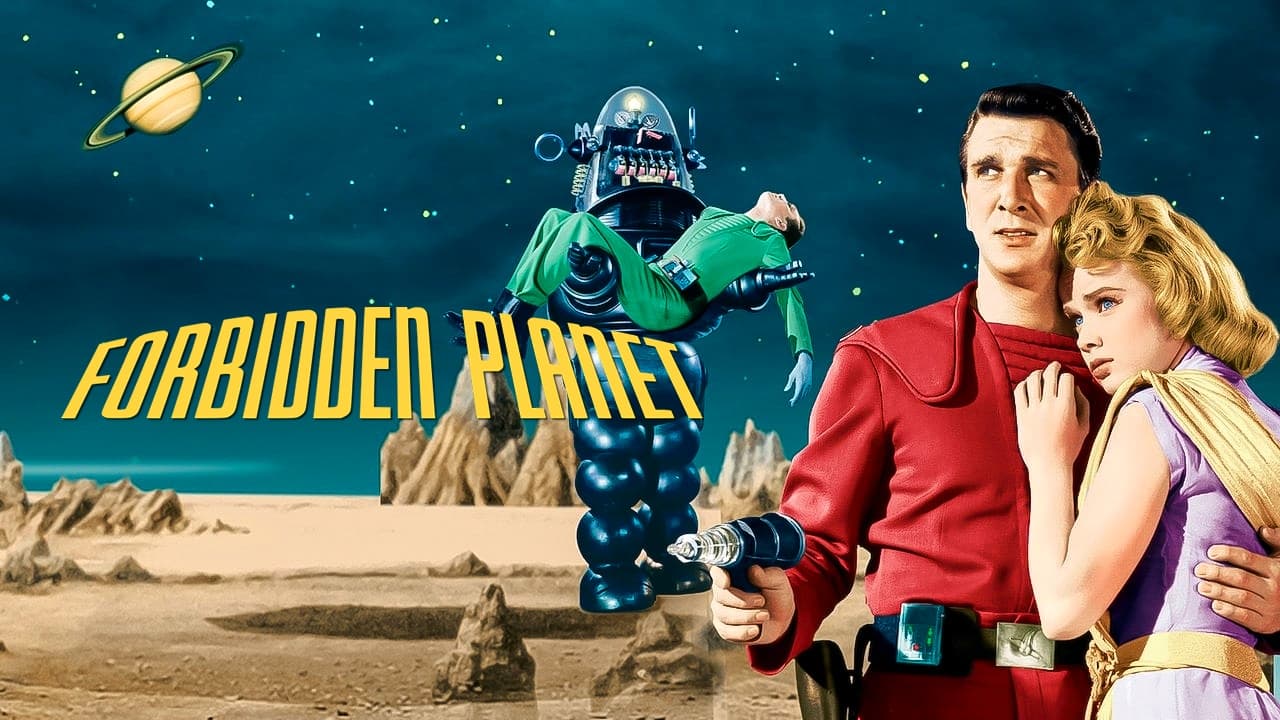
I watched this on a Tuesday afternoon while my neighbor was very loudly using a leaf blower right outside my window, and honestly, the rhythmic whirring of the machine blended perfectly with the film’s avant-garde electronic soundtrack. It felt like I had accidentally summoned a Krell ghost into my living room.
Shakespeare in Spandex
What strikes me most about Forbidden Planet is how high-brow its DNA is. The script is a clever, cosmic riff on William Shakespeare’s The Tempest. Instead of a remote island, we have the desert planet Altair 4. Instead of the sorcerer Prospero, we have Walter Pidgeon as Dr. Morbius, a linguist who has spent two decades deciphering the secrets of a vanished, god-like race called the Krell.
When a rescue ship commanded by Leslie Nielsen (yes, the Naked Gun legend, playing it dead serious and looking like a recruitment poster for the Space Force) arrives to find the survivors of a previous expedition, they find only Morbius and his daughter, Altaira, played with wide-eyed, 1950s-innocence by Anne Francis. Morbius doesn't want to be rescued; he wants to be left alone with his books and his shiny toys. But there’s a problem: something invisible and murderous is haunting the planet, and it has a nasty habit of tearing humans limb from limb.
The Sound of the Future
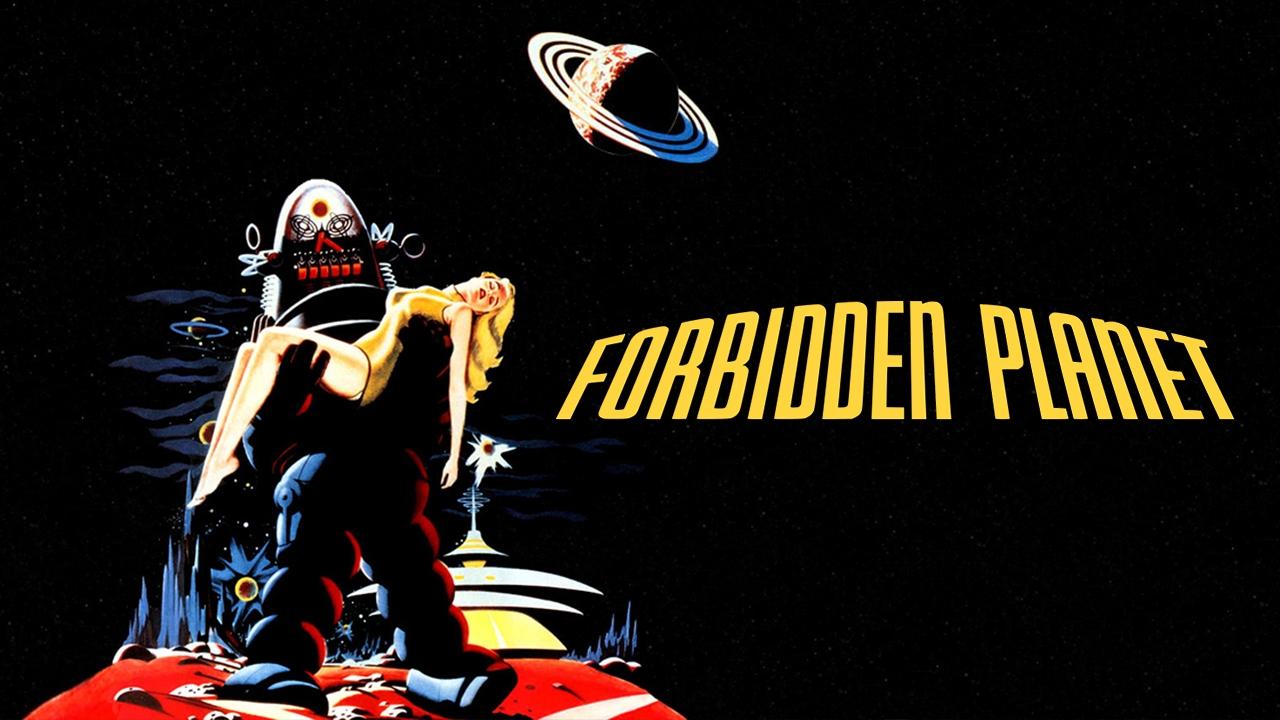
If you want to talk about "vibes," you have to talk about the score. Bebe and Louis Barron didn’t write a traditional orchestral score; they created "electronic tonalities" using home-built circuits that they intentionally overloaded to make them "scream." It was the first entirely electronic film score, and it still sounds incredibly eerie today. It doesn't tell you how to feel with sweeping violins; it makes your skin crawl with the sound of alien machinery breathing in the dark.
Visually, the film is a triumph of the MGM studio system. While other studios were filming in the California desert, MGM built the entire planet of Altair 4 on a soundstage. The matte paintings are gorgeous, and the Krell laboratory—a subterranean cavern stretching miles into the earth—remains one of the most awe-inspiring sets in cinema history. The Krell civilization is basically a cautionary tale about why you shouldn't give your subconscious the keys to the kingdom. When we finally see the "Monster from the Id" during the climax, rendered through some stunning hand-drawn animation by Disney's Joshua Meador, it’s a genuine "holy crap" moment.
Men in Uniform and Robots with Charm
The performances are a fascinating time capsule of 1950s masculinity. Leslie Nielsen is all square-jawed authority, and while it’s hard not to wait for him to say something about a Shirley, his presence is genuinely commanding. He’s backed up by a crew including Warren Stevens, Jack Kelly, and Earl Holliman, who plays the ship’s cook with the kind of broad comic relief that feels a bit dated but strangely comforting.
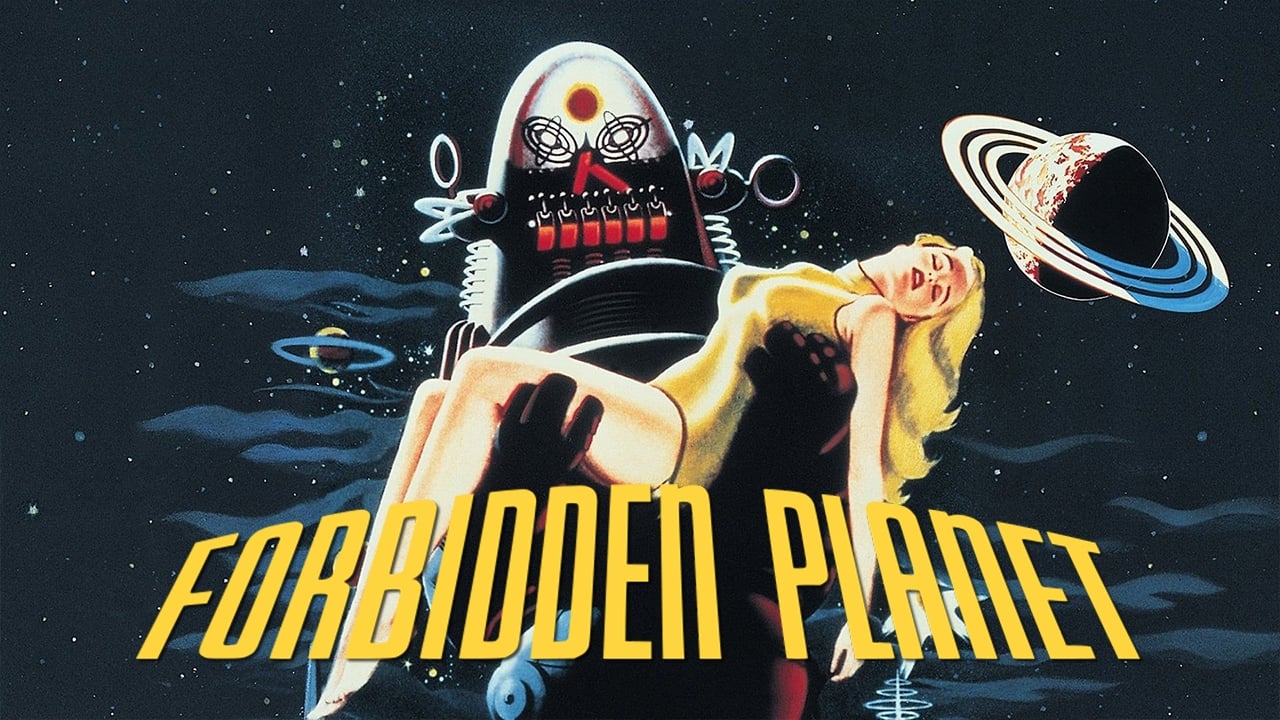
And then there’s Robby the Robot. Before R2-D2 or C-3PO, there was Robby. Costing a staggering $125,000 to build (about $1.4 million today), he’s more than just a prop; he’s a character with a dry wit and a strict moral code. The crew’s 'protective' uniforms look suspiciously like they were designed for a very high-stakes tennis match, but Robby is the one who steals every scene he's in.
What I love about this movie is its intellectual ambition. It’s not just about a monster attack; it’s about the danger of human technology outpacing human evolution. It suggests that even if we become gods, we still take our inner demons with us to the stars. It’s a heavy concept wrapped in a bright, colorful, 98-minute adventure.
Forbidden Planet isn't just a "classic"—it’s a blueprint. You can see its fingerprints on everything from the bridge of the Enterprise to the psychological depths of modern sci-fi. It’s a gorgeous, slightly campy, yet deeply thoughtful exploration of what happens when we reach too far into the dark. If you haven't seen it, you're missing out on the moment sci-fi finally grew up and realized it could be more than just monsters—it could be us.

Keep Exploring...
-
20,000 Leagues Under the Sea
1954
-
The African Queen
1952
-

Invasion of the Body Snatchers
1956
-
North by Northwest
1959
-
Godzilla
1954
-
The Time Machine
1960
-
Alice in Wonderland
1951
-
The Day the Earth Stood Still
1951
-
Peter Pan
1953
-

Lady and the Tramp
1955
-

Westworld
1973
-

A Trip to the Moon
1902
-

Ben-Hur
1959
-
Mad Max
1979
-
Mad Max 2
1981
-

Hardcore Henry
2015
-
High Noon
1952
-

Singin' in the Rain
1952
-

On the Waterfront
1954
-
The Night of the Hunter
1955