Invasion of the Body Snatchers
"Sleep is the enemy. Trust no one."
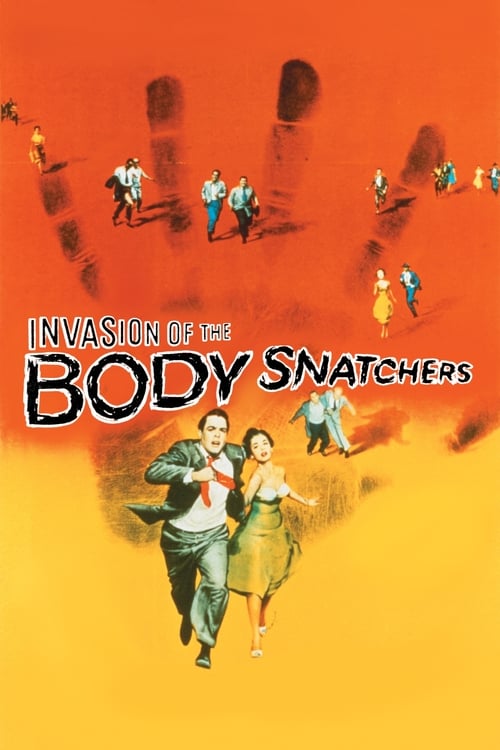
There is a specific, jagged frequency to the panic in Kevin McCarthy’s voice that I can’t shake. It’s the sound of a man who has realized that the world hasn't just turned against him—it has simply stopped caring. I recently revisited Invasion of the Body Snatchers on a Tuesday night while my neighbor’s car alarm kept chirping at irregular intervals, and that rhythmic, mindless mechanical shrieking felt like the perfect overture for a film about the death of the soul.
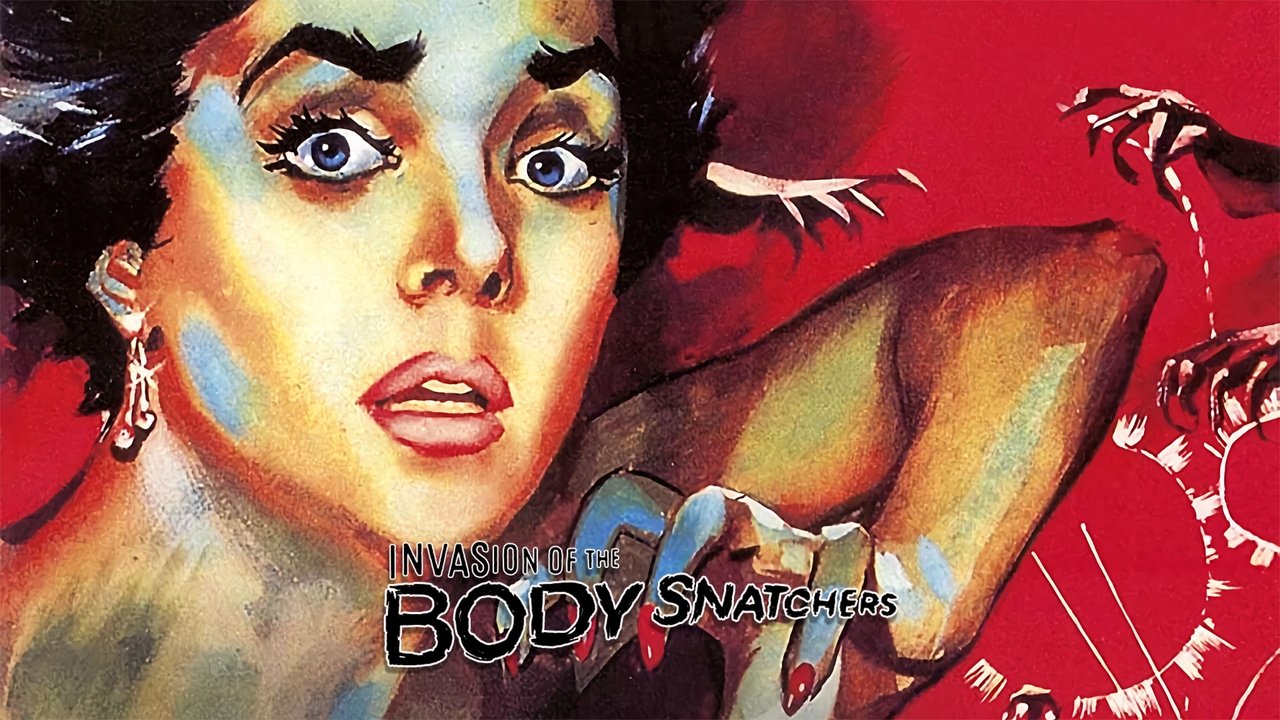
Most 1950s science fiction involves giant ants or men in rubber suits stomping through cardboard miniatures of Tokyo or D.C. They are spectacles of the external. But Don Siegel’s 1956 masterpiece is different. It is a noir masquerading as a creature feature, a film that understands that the most terrifying thing in the universe isn't a three-eyed monster—it’s your best friend looking at you with a smile that doesn't quite reach their eyes.
The Gritty Architecture of Paranoia
While the "Big Five" studios were busy churning out Technicolor musicals and widescreen epics to lure audiences away from their new television sets, Allied Artists was operating on a different level. This was a "B-unit" production with an A-list brain. With a budget of just under $417,000, Don Siegel couldn't afford the luxury of spectacle. Instead, he leaned into the shadows.
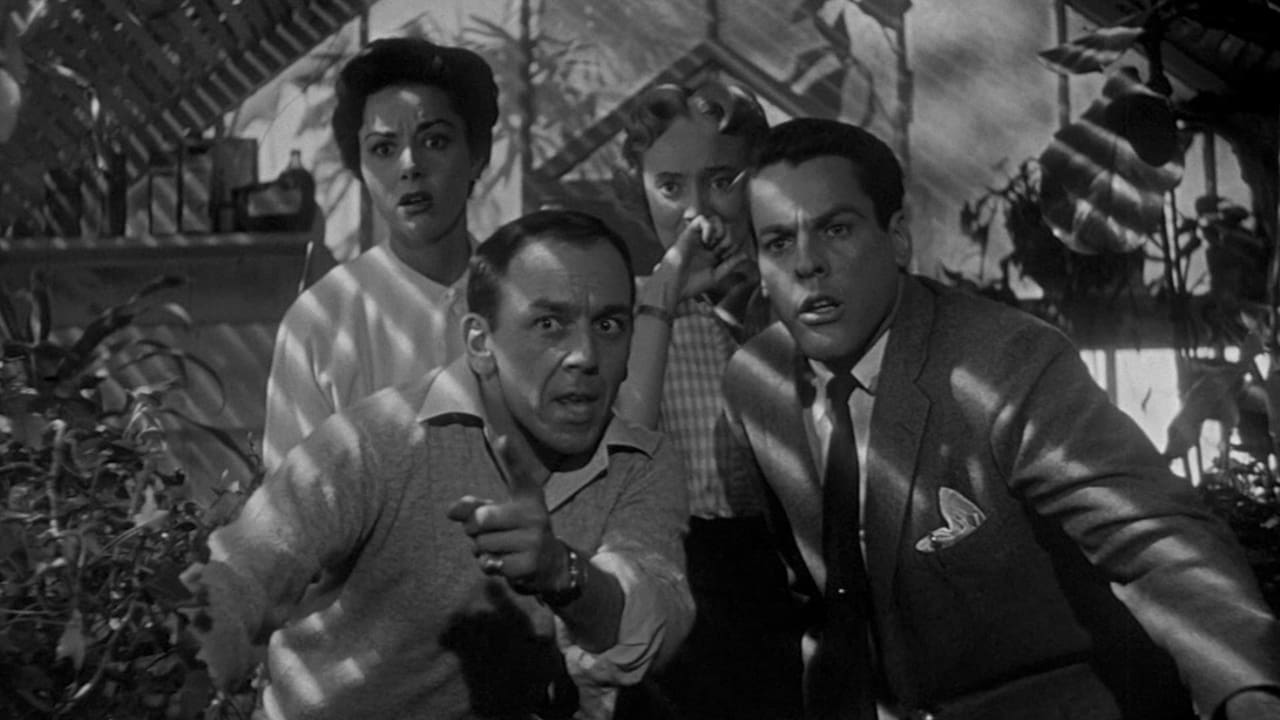
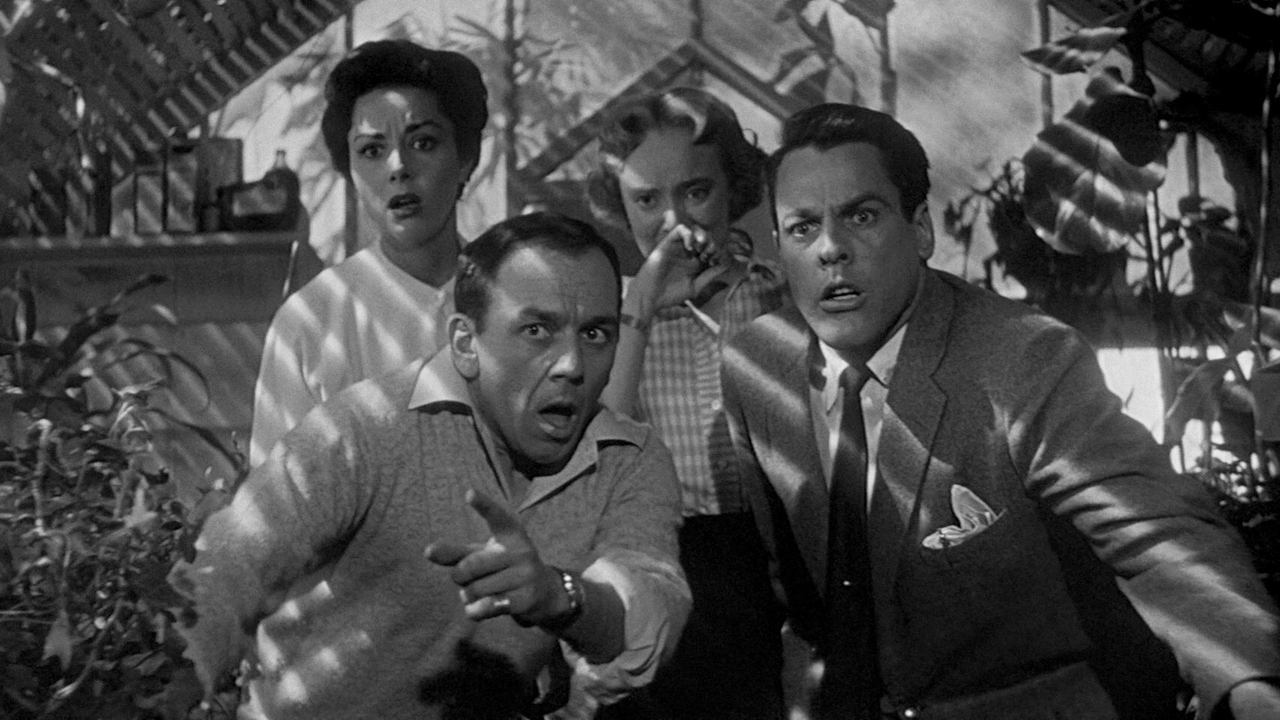
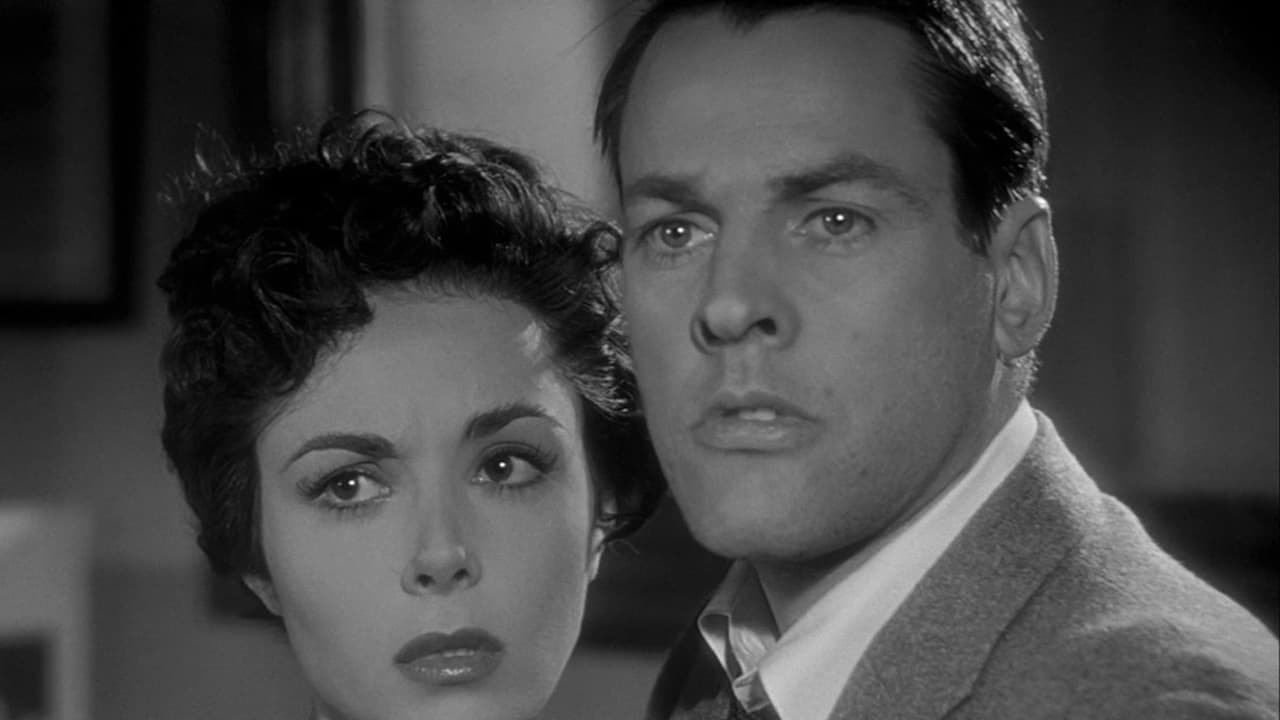
I’ve always been struck by how much this film owes to the hardboiled detective aesthetic of the 1940s. The cinematography by Ellsworth Fredericks doesn't use the flat, bright lighting typical of 50s sci-fi; it uses high-contrast "low-key" lighting that makes the small town of Santa Mira feel like a trap. When Kevin McCarthy (playing Dr. Miles Bennell) and Dana Wynter (as Becky Driscoll) are hiding in the greenhouse or the doctor's office, the shadows are deep enough to swallow them whole.
The film was shot in a lightning-fast 19 days, often using real locations in Sierra Madre and Glendale to save on set costs. This hurried schedule inadvertently created a sense of breathless, frantic energy that serves the plot perfectly. There’s no bloat here—just 80 minutes of tightening the noose. The fact that this movie is scarier than 90% of modern CGI-bloated horror is a staggering indictment of contemporary filmmaking.
The Erasure of the Self
The horror in Invasion of the Body Snatchers is profoundly existential. The "pods" don't kill you in the traditional sense; they replace you while you sleep, absorbing your memories but discarding your humanity. Larry Gates, playing Dr. Dan Kauffman, delivers a monologue about the "simplicity" of a life without love or desire that genuinely gave me the chills. He plays the role with such chilling, bureaucratic calm that he makes the end of the human race sound like a mid-level corporate merger.
The practical effects are famously low-tech but remains effective because they tap into a primal "uncanny valley" response. The sight of the half-formed duplicates—featureless, soapy-looking mannequins—emerging from the giant seed pods is still deeply unsettling. It’s the lack of definition that haunts you. They used basic materials like latex and hair, but because the actors—including King Donovan and Carolyn Jones—react with such genuine, sweating revulsion, the illusion holds.
I’ve heard people argue for decades about whether the film is an allegory for the "Red Scare" and the fear of Communist infiltration, or a critique of McCarthyism and the pressure to conform in Eisenhower’s America. Personally, I think it’s both and neither. It’s a Rorschach test for whatever collective anxiety is currently vibrating through the culture. If you can't see the modern resonance in a story about a society that trades its individuality for a numb, collective "peace," you aren't paying attention.
A Battle for the Ending
One of the most fascinating bits of trivia involves the film's "bookend" structure. Originally, Don Siegel wanted the movie to end with Miles Bennell standing on the highway, screaming "You're next!" directly into the camera. It’s one of the most harrowing images in cinema history. However, the studio—Allied Artists—panicked. They felt the ending was too bleak for 1956 audiences and insisted on adding the frame story where Miles tells his tale to a psychiatrist in a hospital.
While purists often decry the "happier" studio ending, I find it adds a layer of tragic irony. Even with the authorities finally believing him, the sense of dread has already seeped into the soil. When Kevin McCarthy was filming that highway scene, he was actually dodging real traffic. The studio didn't have the permits to shut down the road, so the terror on his face as he dodges cars is partially a result of him almost getting leveled by a mid-sized sedan while screaming about space vegetables.
The film’s legacy is unshakable. While the 1978 remake is a rare example of a "reimagining" that actually rivals the original, there is a stark, black-and-white purity to this 1956 version that remains the gold standard for psychological thrillers. It reminds me that the most effective special effect in a filmmaker's arsenal is simply a well-timed shadow and the look of sheer, unadulterated fear on a human face.
Invasion of the Body Snatchers is a lean, mean, and utterly relentless piece of filmmaking that proves you don't need a massive budget to create a lasting nightmare. It captures the specific post-war anxiety of the 1950s while remaining disturbingly relevant to any era that prizes conformity over character. It is a film that demands your attention and, more importantly, demands that you stay awake. Just try not to look too closely at your neighbors on the way home.
Keep Exploring...
-
Godzilla
1954
-
The Day the Earth Stood Still
1951
-
Rear Window
1954
-
The Night of the Hunter
1955
-
The Killing
1956
-
North by Northwest
1959
-
Dirty Harry
1971
-
Psycho
1960
-
The Time Machine
1960
-

Rebecca
1940
-
Suspicion
1941
-
Spellbound
1945
-
Notorious
1946
-
Rope
1948
-
Peeping Tom
1960
-
The Dead Zone
1983
-
A Quiet Place Part II
2021
-
Companion
2025
-
A Streetcar Named Desire
1951
-
Strangers on a Train
1951