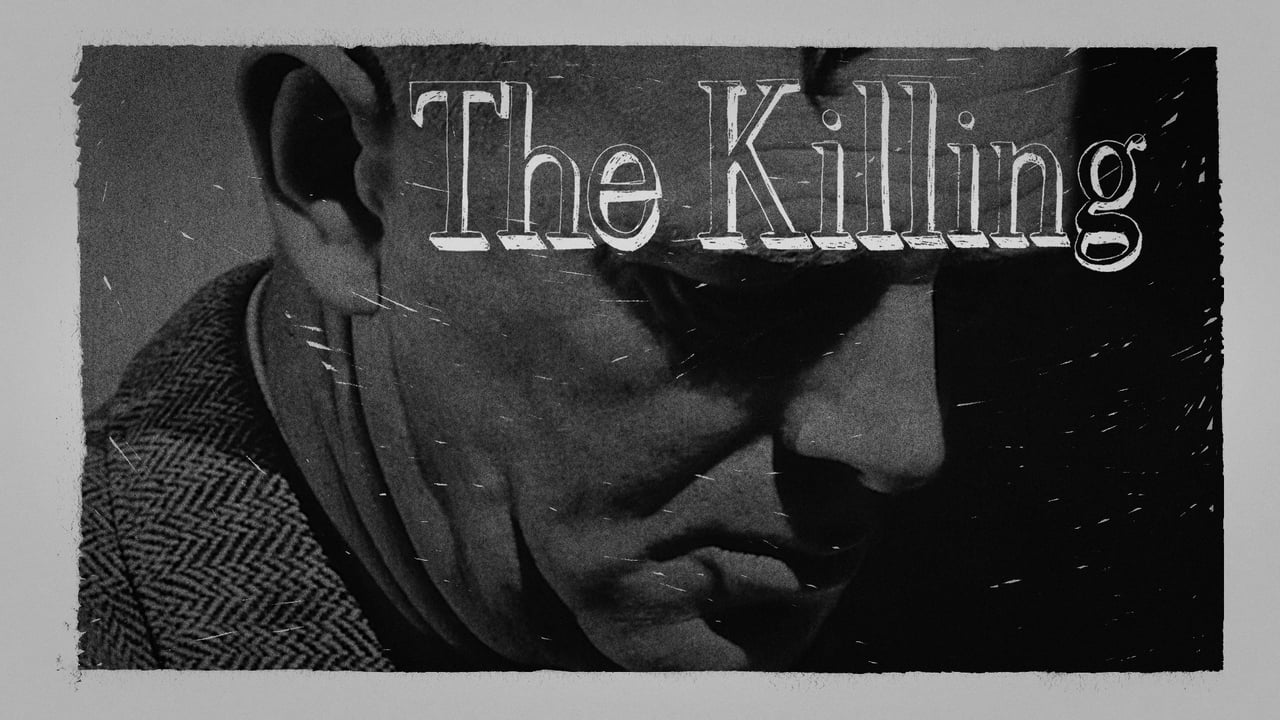
The Killing
"A perfect crime. A precision-engineered disaster."
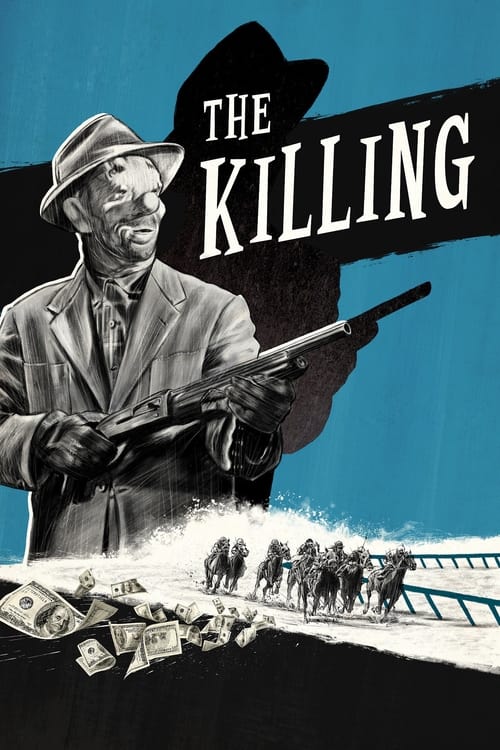
Most heist movies are about the money, but for a 27-year-old Stanley Kubrick, it was always about the math. I’ve watched The Killing at least half a dozen times, and every single time I find myself leaning forward, checking my imaginary watch, and wondering exactly when the gears are going to grind to a halt. It’s a film that operates with the cold, ticking heart of a stopwatch, and even though you know the explosion is coming, the countdown is absolutely agonizing.
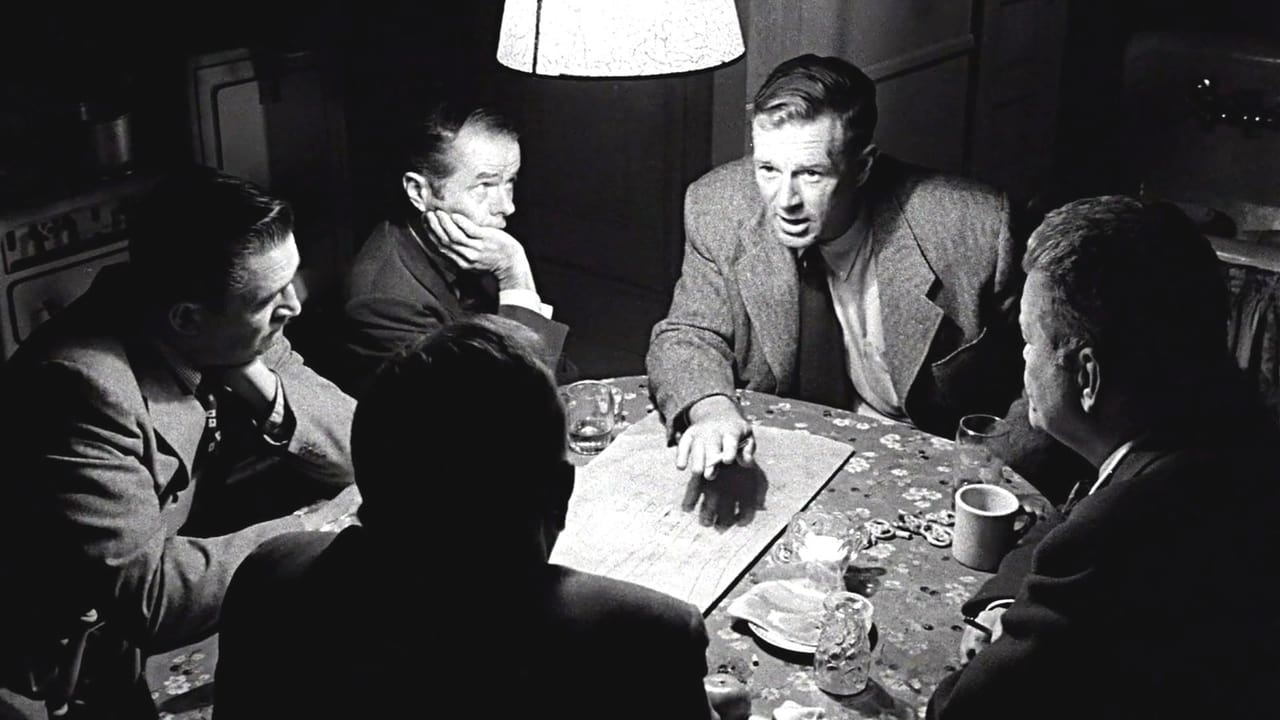
I actually re-watched this one on a slightly cracked iPad while sitting in a dentist's waiting room, and honestly, the high-pitched whine of a nearby drill felt like a perfectly appropriate soundtrack for the tension building on screen. It’s that kind of movie—it makes you feel like something is about to snap.
The Clockwork of a Heist
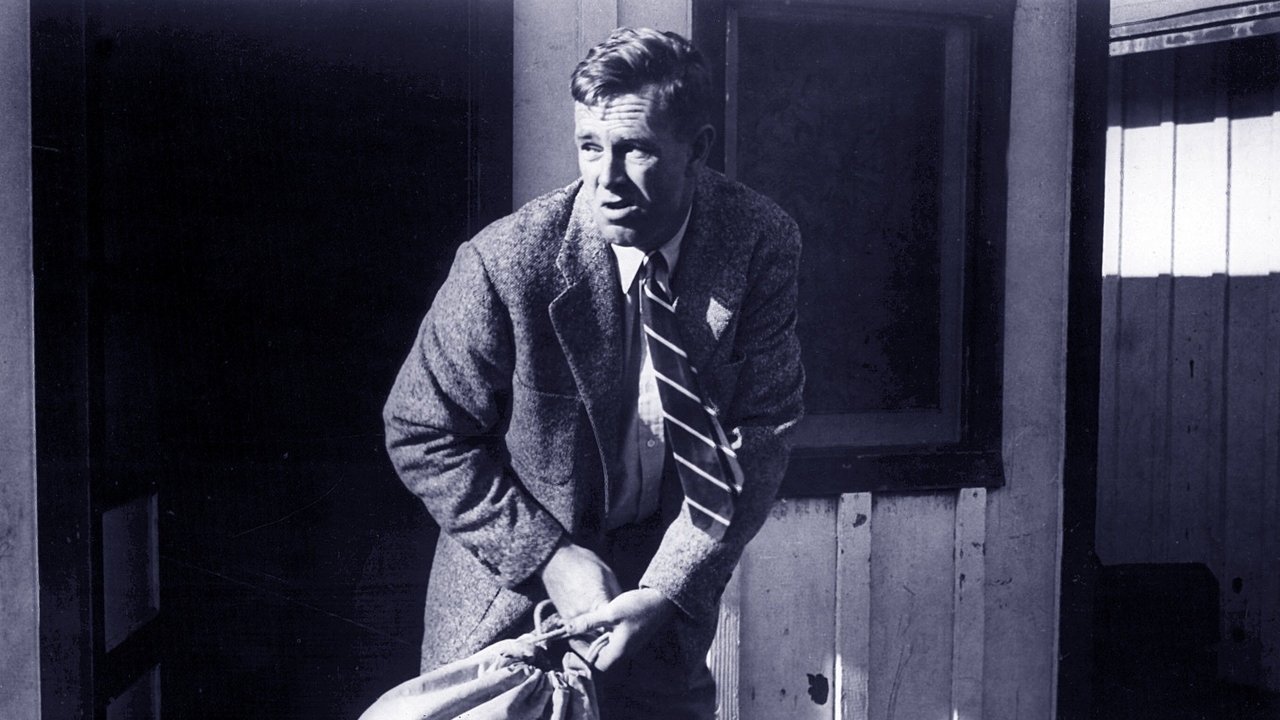
By 1956, the film noir genre was starting to get a little long in the tooth, but Kubrick breathed new life into it by treating the plot like a complex puzzle. Sterling Hayden stars as Johnny Clay, a man who looks like he was carved out of a block of granite and fed a diet of gravel and cigarettes. Johnny has a plan to rob a racetrack of $2 million, and it’s a beauty. He recruits a motley crew of "regular" guys—a crooked cop, a window-teller, a bartender—all of whom need the cash for their own desperate reasons.
What makes The Killing feel so modern, even sixty-plus years later, is its non-linear structure. Kubrick jumps back and forth in time, showing us the same window of the heist from five different angles. It’s the blueprint for everything Quentin Tarantino did in Reservoir Dogs (1992), but without the self-conscious pop-culture references. Here, the dialogue is pure pulp poetry, thanks to hard-boiled novelist Jim Thompson. When Sterling Hayden tells someone to "get out of here before I crack your jaw," you don't just hear the threat; you feel the impending dental bill.
A Marriage Made in Hell
While the heist is the engine, the fuel is the toxic relationship between George Peatty (Elisha Cook Jr.) and his wife, Sherry, played by the incomparable Marie Windsor. George is a pathetic, sniveling little man who just wants to buy his wife’s love, while Sherry is a shark in a cocktail dress. She doesn't just want the money; she wants to humiliate George while she takes it. Marie Windsor is so good at being bad that she practically steals the movie from under Hayden’s nose.
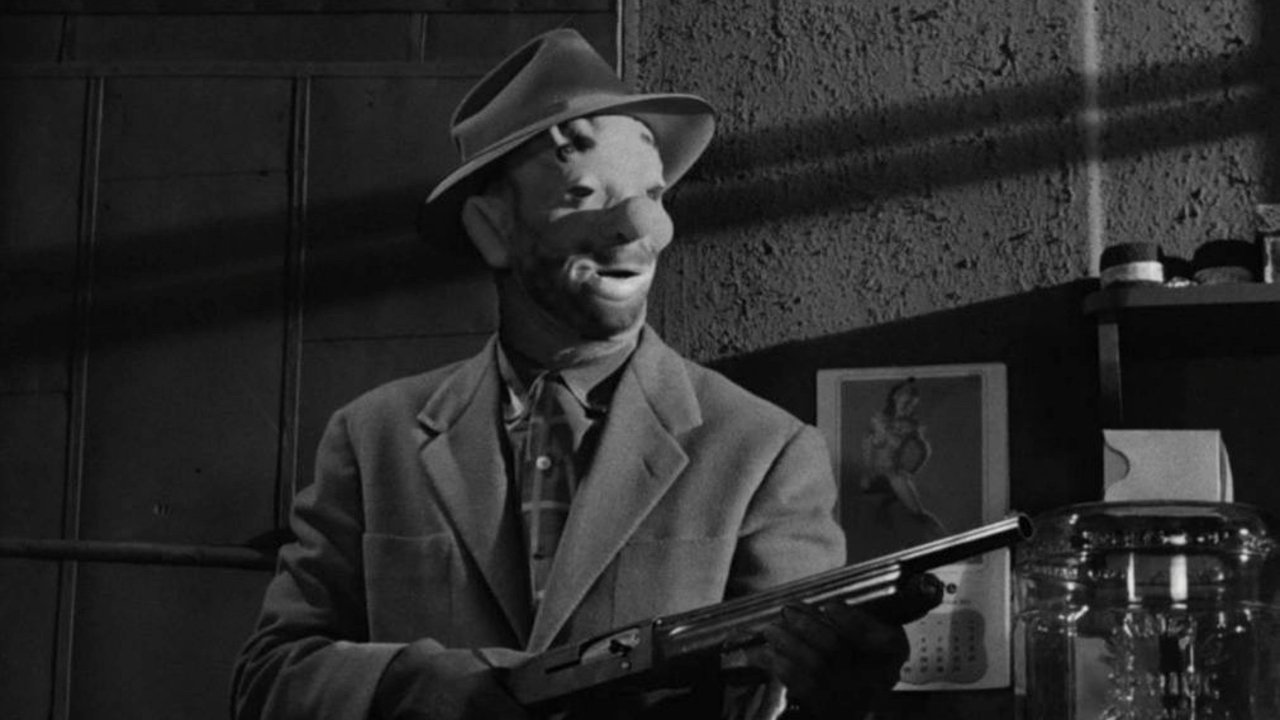
The scenes in their cramped apartment are almost more claustrophobic than the actual robbery. You watch George spill the secret of the heist just to feel important for five seconds, and you know instantly that he’s signed everyone’s death warrant. It’s a brutal reminder that the best-laid plans are usually ruined by a guy who can’t keep his mouth shut around a pretty face.
Kubrick handles these moments with a clinical detachment that would become his trademark in later films like 2001: A Space Odyssey or A Clockwork Orange. He doesn't judge these characters; he just observes them like ants in a glass farm, waiting for them to start biting each other.
Precision on a Shoestring
It’s wild to think this was basically an indie production. Produced by James B. Harris and Kubrick for a measly $320,000, they had to cut corners everywhere. They shot on location at the Bay Meadows Racetrack, and the grainy, high-contrast cinematography by Lucien Ballard gives the whole thing a "you are there" grit that studio sets just couldn't replicate.
There’s a legendary bit of trivia where the studio, United Artists, actually hated the non-linear cut of the film. They thought audiences wouldn't be able to follow the jumping timeline and ordered Kubrick to recut it chronologically. Kubrick tried it, realized it was boring as dirt, and fought to keep his original vision. Thankfully, he won. Without that fractured timeline, The Killing would just be a solid B-movie. With it, it’s a precursor to the "puzzle box" cinema we see today.
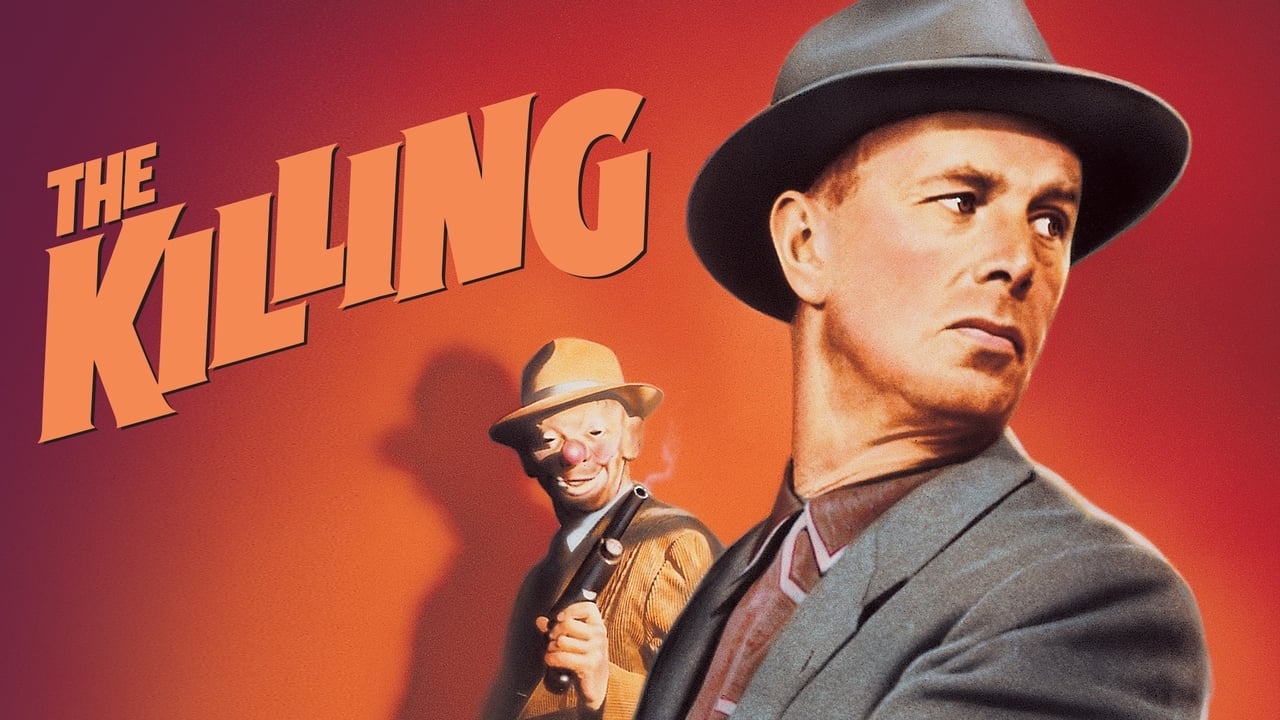
The film also features some of the best character-actor work of the era. Look out for Timothy Carey as the creepy sharpshooter, Nikki. Carey was a notorious eccentric who allegedly tried to sabotage takes to get more screen time, and that off-kilter energy makes his scenes genuinely unsettling. He brings a weird, lurching unpredictability to a movie that is otherwise so precisely calculated.
The Price of a Suitcase
The finale of The Killing is one of the most famous endings in cinema history for a reason. I won't spoil the specifics if you haven't seen it, but it involves a crowded airport, a small dog, and a suitcase. It’s a moment of pure, cosmic irony that hits like a punch to the gut.
When Sterling Hayden utters the final line of the film, it’s not with rage or sadness, but with a weary, soul-crushing realization that the universe doesn't care how smart your plan was. The house always wins, even when you aren't at the table. If you want to see where the modern thriller began, or if you just want to see a master director proving his genius on a budget, you need to check this out. Just make sure you hold onto your luggage.
It’s short, mean, and perfectly formed. Kubrick’s later epics might be more famous, but The Killing shows a young filmmaker working at the top of his game with something to prove. It’s a noir masterpiece that refuses to age, proving that a great script and a few desperate men are more explosive than any CGI-heavy blockbuster.
Keep Exploring...
-
The Night of the Hunter
1955
-
Paths of Glory
1957
-
Rope
1948
-
Strangers on a Train
1951
-
Dial M for Murder
1954
-
Touch of Evil
1958
-
The Maltese Falcon
1941
-
The Big Sleep
1946
-

On the Waterfront
1954
-
Rear Window
1954
-

Invasion of the Body Snatchers
1956
-
Witness for the Prosecution
1957
-
Anatomy of a Murder
1959
-
North by Northwest
1959
-

Some Like It Hot
1959
-
A Clockwork Orange
1971
-
Double Indemnity
1944
-
Godzilla
1954
-
The Shining
1980
-

Rebecca
1940