The Man Who Knew Too Much
"Silence is the deadliest sound in the world."
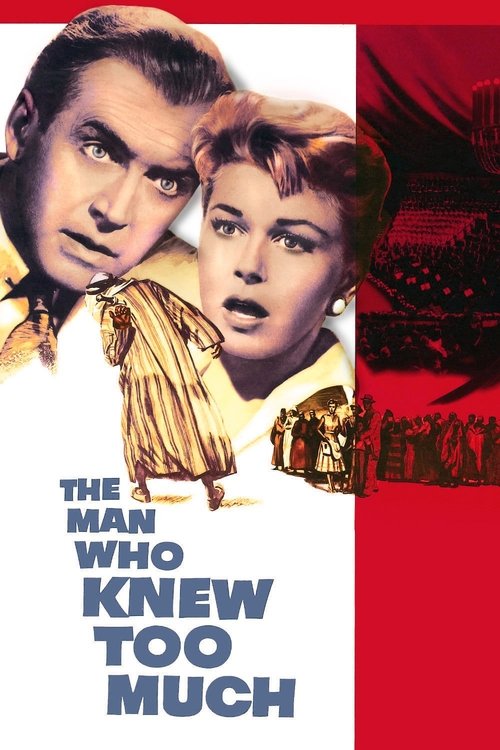
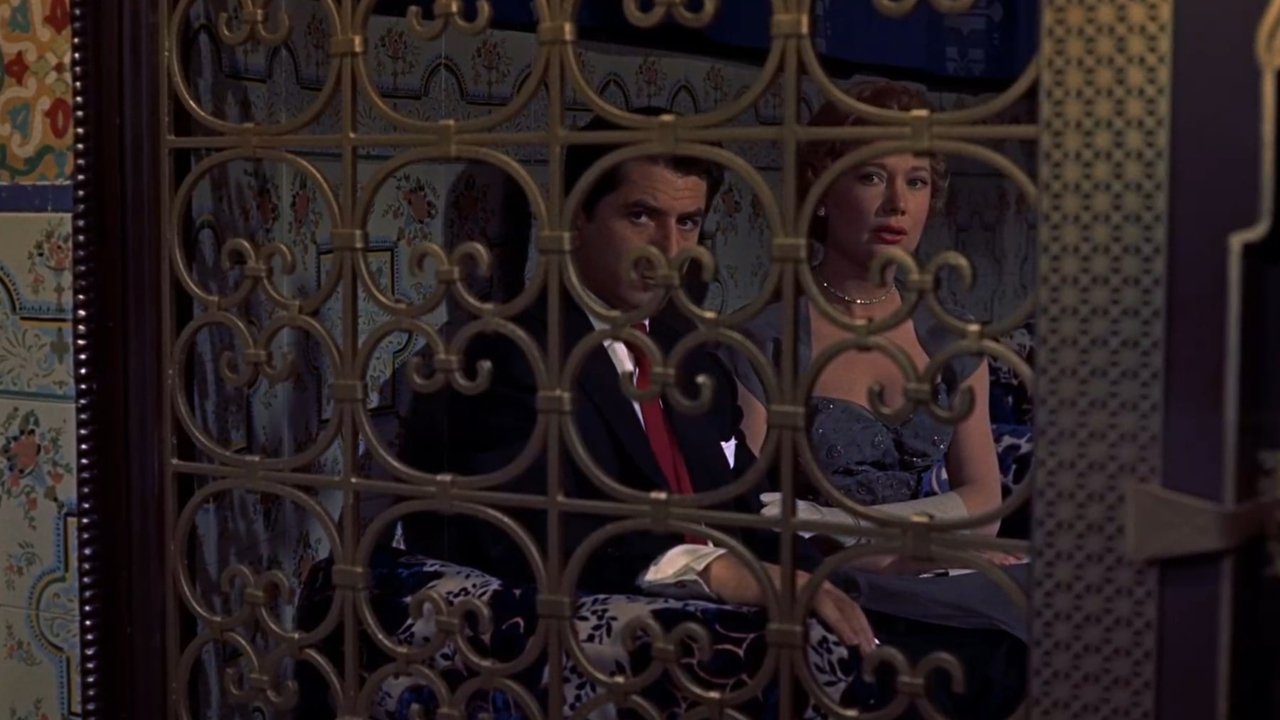
The sun in Marrakesh doesn't just illuminate; in Technicolor, it bleeds. It’s a harsh, unforgiving light that turns the bustling marketplace into a labyrinth of shadows and secrets. When a man with a knife in his back stumbles toward James Stewart and whispers a dying secret into his ear, the vibrant Moroccan holiday doesn’t just end—it curdles. This isn't the whimsical, globetrotting adventure the 1950s marketing might lead you to expect. It’s a cold, calculated descent into a parent’s worst nightmare.
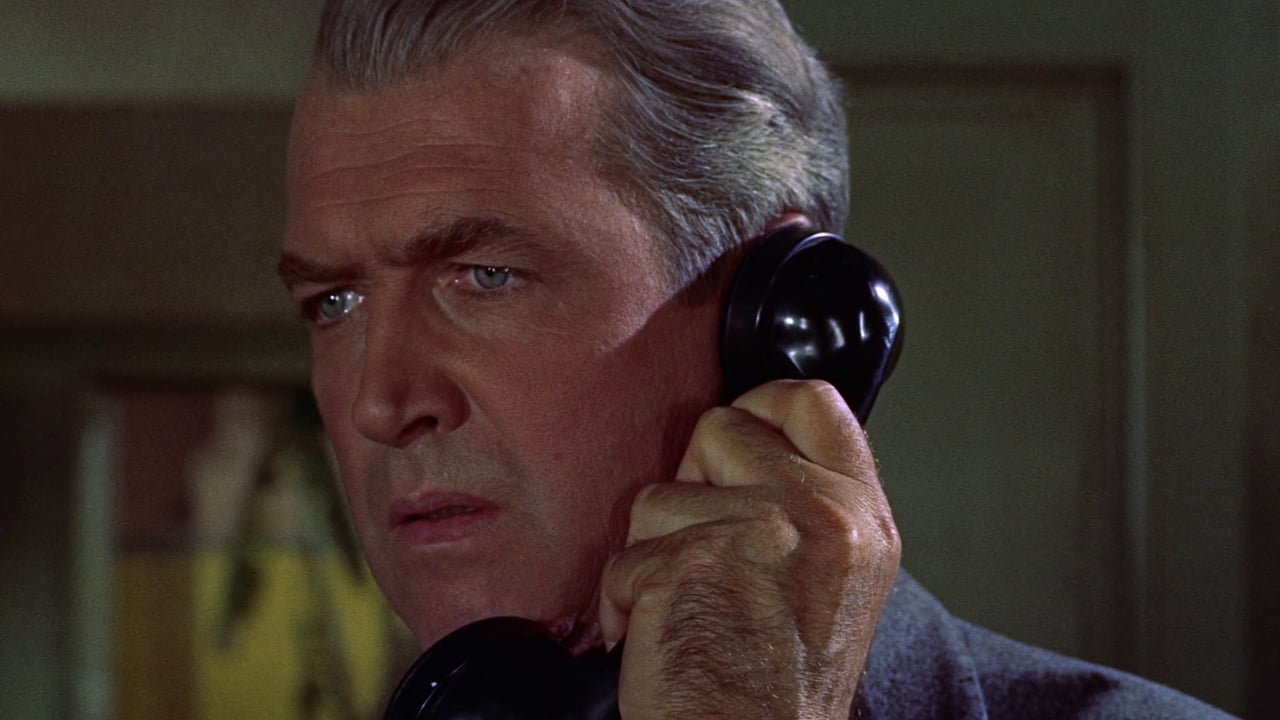
I watched this while nursing a slightly lukewarm cup of Earl Grey, and for some reason, the clinking of my spoon against the porcelain felt deafening during the film’s quieter moments. It’s that kind of movie. It makes you hyper-aware of every sound because, in Hitchcock’s world, a single note can be a death sentence.
The Professional’s Flex
There is a long-standing debate among Hitchcock devotees about which version of this story is superior: the lean, 1934 British original or this sprawling, big-budget Paramount remake. Hitchcock himself famously said the first was the work of a "talented amateur" while the second was made by a "professional." You can feel that professional sheen in every frame. It’s the height of the Golden Age studio system, where the sets are massive, the stars are luminous, and the director has the absolute power to make the audience squirm in their seats for two hours.
James Stewart plays Ben McKenna with a simmering, mid-century anxiety that he perfected during this era. He’s the "everyman," but there’s a stubbornness to him that feels dangerous. Opposite him, Doris Day delivers what I consider the most underrated performance of her career. For years, she was pigeonholed as the bubbly girl-next-door, but here, she is a raw nerve. There is a specific scene where Ben sedates her before breaking the news that their son has been kidnapped. It is a deeply uncomfortable piece of marital manipulation that highlights the darker gender dynamics of the 1950s. She plays the ensuing grief not with Hollywood hysterics, but with a hollowed-out stillness that is genuinely haunting.
A Masterclass in Earned Anxiety
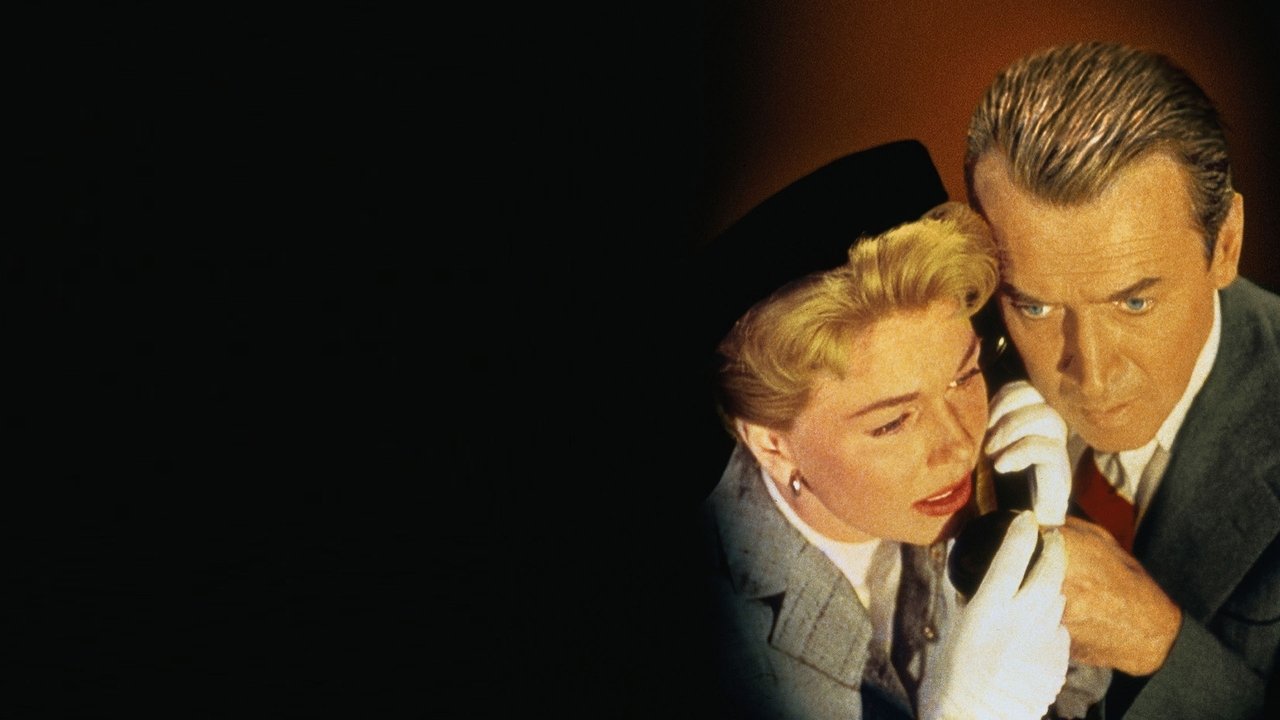
While the film is often remembered for the Oscar-winning "Que Sera, Sera," don't let the catchy tune fool you. Hitchcock uses that song like a weapon. By the time it’s reprised in the final act, it isn’t a cheerful ditty; it’s a desperate, melodic SOS screamed into the void of a high-stakes embassy. The film earns its emotional weight by grounding the international espionage in the terrifyingly personal. We don’t care about the political assassination as much as we care about the small boy being held in a dusty room by Brenda De Banzie and Bernard Miles.
The villains here aren't mustache-twirling caricatures. The Draytons are chilling because they look like the nice couple you’d meet on a bus. They represent the terrifying reality that evil doesn't always wear a mask; sometimes it wears a sensible cardigan and offers you a seat. This moral ambiguity is where the "Dark/Intense" treatment of the 1950s really shines through. Hitchcock was working within the constraints of the Production Code, yet he managed to infuse the film with a sense of dread that feels more modern than many of today’s jump-scare-heavy thrillers.
Twelve Minutes of Pure Cinema
If you need one reason to seek out this often-overlooked middle child of Hitchcock’s filmography, it is the Royal Albert Hall sequence. For twelve minutes, there is no dialogue. It is a symphony of editing, gaze, and Bernard Herrmann’s thunderous score. We watch Doris Day’s face as she scans the orchestra, knowing that a cymbal crash will signal a murder. It is essentially a silent movie trapped inside a Technicolor epic, and it’s one of the greatest sustained sequences of tension ever committed to celluloid.
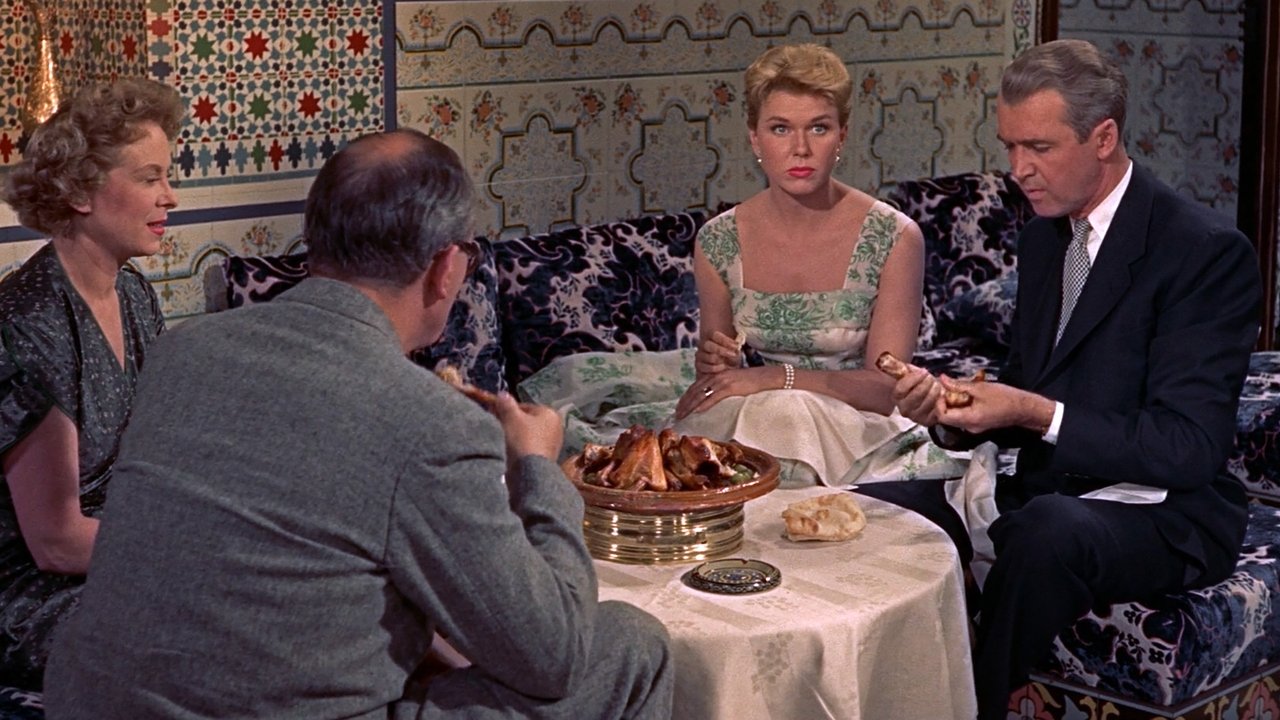
It’s easy to let this film slip through the cracks when compared to the psychological depth of Vertigo or the sheer terror of Psycho. It’s often dismissed as "Hitchcock Lite" because of its travelogue aesthetic. But beneath the Moroccan vistas and the London fog lies a brutal story about how quickly a comfortable life can be dismantled. It’s a reminder that knowledge isn’t just power—it’s a target.
The 1956 version of The Man Who Knew Too Much is a master at work operating with a massive budget and a dark heart. It captures the transition of Hollywood from simple entertainment to a more complex, cynical exploration of the human condition. It’s a film that demands you pay attention to the silence, because that’s where the real danger lives. If you’ve only ever heard the song, you haven’t truly heard the movie.

Keep Exploring...
-
Rear Window
1954
-
To Catch a Thief
1955
-

Vertigo
1958
-
Shadow of a Doubt
1943
-
Strangers on a Train
1951
-

Rebecca
1940
-
Suspicion
1941
-
Spellbound
1945
-
Notorious
1946
-
The Trouble with Harry
1955
-
Rope
1948
-
Dial M for Murder
1954
-
North by Northwest
1959
-
Marnie
1964
-
Psycho
1960
-
The Maltese Falcon
1941
-
The Big Sleep
1946
-
The 39 Steps
1935
-
The Lady Vanishes
1938
-
Diabolique
1955