The Searchers
"A long shadow cast across the desert floor."
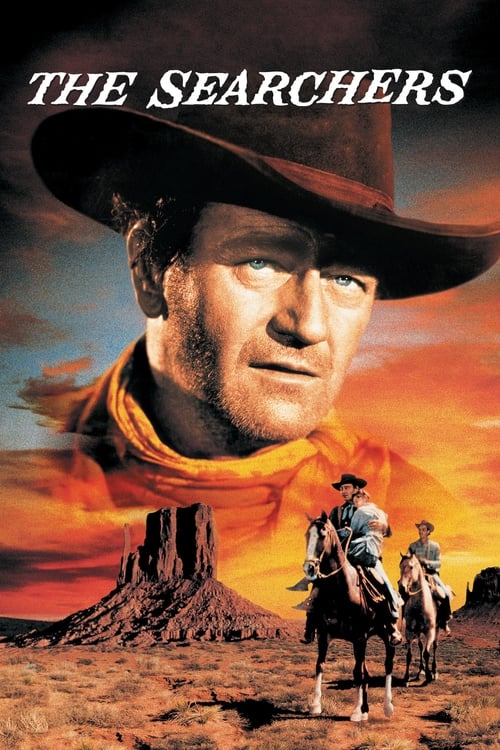
The silhouette of John Wayne framed by a dark cabin door, looking out onto the blinding heat of Monument Valley, is perhaps the most famous image in the history of the American Western. It is also a lie. Most people remember the Western as a genre of white hats and simple justice, but when I sat down to re-watch The Searchers last night—distracted only by the persistent, rhythmic creaking of my floorboards that seemed to time itself to the hoofbeats on screen—I was reminded that this film is actually a psychological horror movie dressed in buckskin.
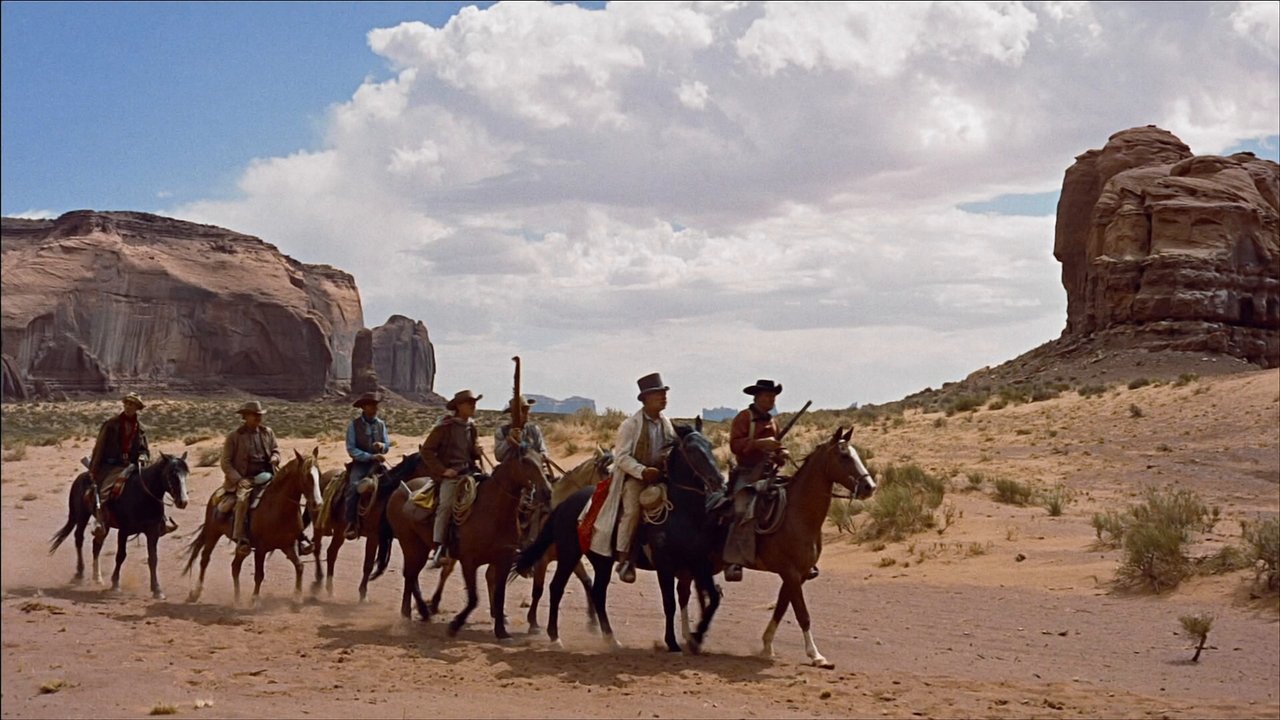
John Ford didn't just make a movie about a rescue mission; he made a film about a man who has stayed at the party far too long and has started breaking the furniture. By 1956, the Hollywood studio system was beginning to show its age, but its technical craft was at a terrifying peak. The VistaVision frames are so sharp and the Technicolor so saturated that the desert looks less like a location and more like a fever dream. Yet, beneath that gorgeous surface lies a story so jagged and uncomfortable that it still feels "new" in ways most modern blockbusters can’t touch.
The Monster in the Room
We have to talk about Ethan Edwards. If you only know John Wayne from lunchboxes or your grandfather’s anecdotes, his performance here will be a slap in the face. Wayne isn’t playing a hero; he’s playing a man who belongs in the ground he’s walking on. He plays Ethan with a vibrating, quiet intensity, a Civil War veteran who returns home with a pocketful of fresh gold coins and a heart full of scorched earth.
When his brother’s family is slaughtered and his nieces are taken by a Comanche raiding party, Ethan sets out on a five-year odyssey. But as the years bleed together, his motivation shifts. He isn’t looking to save Debbie (played as a child by Lana Wood and as a teenager by Natalie Wood); he’s looking to erase the "stain" of her captivity. The philosophical weight here is heavy: Ethan is so consumed by his hatred for the "Other" that he becomes the very monster he’s hunting. I’ve always found it fascinating that John Ford, the man who practically invented the myth of the West, spent this entire film systematically dismantling it.
The Beauty and the Bizarre
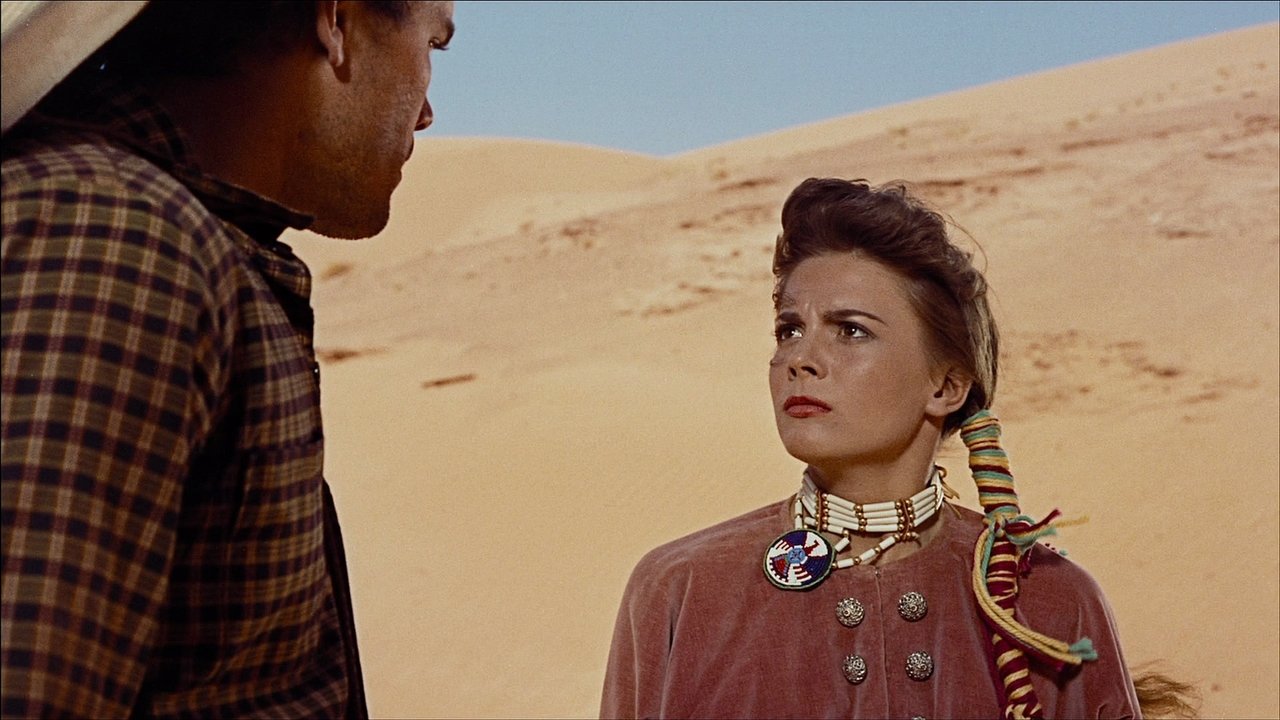
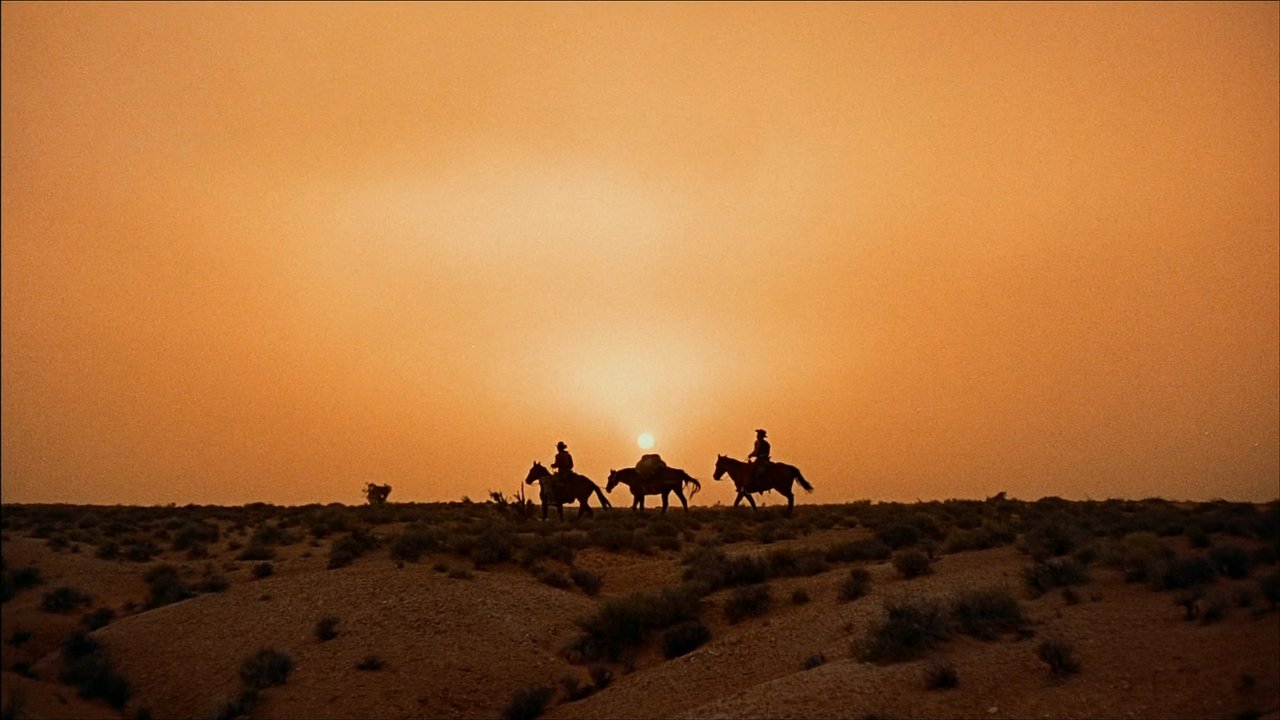
Visually, the film is a gargantuan achievement. Winton C. Hoch’s cinematography treats the Arizona-Utah border like a holy site. There’s a scene involving a funeral being interrupted by the call to arms where the sky is such a deep, impossible blue it makes your eyes ache. It’s the peak of Golden Age craftsmanship—elaborate, expensive, and perfectly controlled.
However, because this is a 1950s studio product, it has these strange, tonal whiplash moments. One minute Ethan is shooting the eyes out of a dead Comanche warrior to deny him entry into the afterlife (a genuinely chilling bit of theological warfare), and the next, we’re treated to some broad, clunky "frontier humor" involving Ward Bond as a preacher-captain or a clumsy sub-plot about a wedding. The comedic interludes feel like Ford forgot which movie he was making for ten minutes. It’s a reminder of the era's constraints; the studio demanded "entertainment" to balance the grim reality of a man obsessed with honor-killing his own niece.
Echoes in the Canyon
The production was famously grueling. John Ford was a notorious tyrant on set, often bullying Jeffrey Hunter (who plays the compassionate, half-Cherokee Martin Pawley) to get a more raw performance. It worked. Hunter provides the soul of the film, acting as the audience's surrogate as he watches Ethan slowly lose his humanity. Interestingly, Natalie Wood was still a high school student during filming, and Hunter was tasked with picking her up from school and driving her to the set—a bit of trivia that makes their eventual high-stakes reunion in the desert feel slightly more like a family carpool gone wrong.
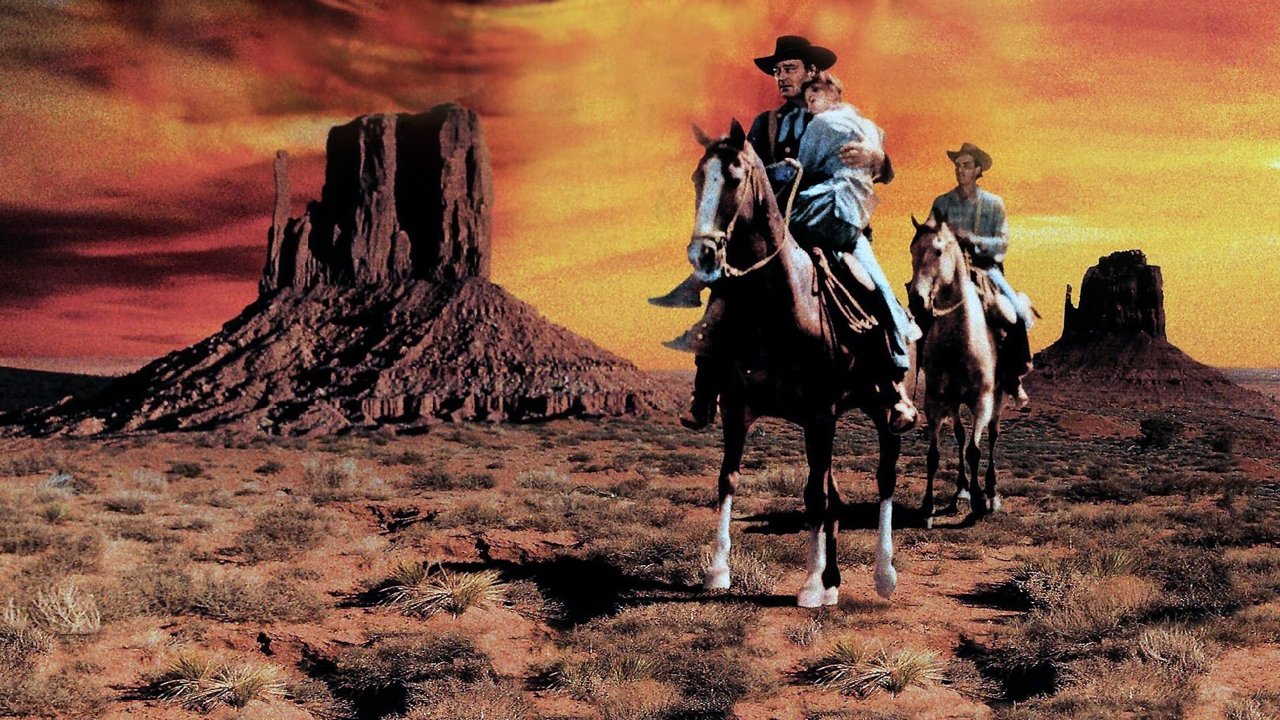
The Searchers doesn't give you the easy satisfaction of a typical Western shootout. It asks a much harder question: what do we do with the men we trained to be killers once the war is over? Ethan is a man of the wilderness, necessary for the dirty work of "civilizing" the land, but he’s also someone you wouldn’t want sitting at your dinner table. He is the shadow that allows the light to exist, but he can never step into it.
The film concludes exactly where it began, with that iconic doorway. As the family reunites and heads inside to the warmth of the home, Ethan stays outside. He walks away, clutching his arm in a gesture of weary finality, and the door swings shut, plunging the screen into darkness. It’s an ending that doesn’t just finish the story; it leaves you sitting in the dark, wondering if the hero was ever really there at all. It is a haunting, essential piece of cinema that proves the "Golden Age" was often much darker than we remember.

Keep Exploring...
-

The Man Who Shot Liberty Valance
1962
-
The Grapes of Wrath
1940
-

Rio Bravo
1959
-
The Treasure of the Sierra Madre
1948
-
Stagecoach
1939
-
High Noon
1952
-
Rebel Without a Cause
1955
-
Sabrina
1954
-

Laura
1944
-

All About Eve
1950
-

Ikiru
1952
-
Tokyo Story
1953
-
La Strada
1954
-
Throne of Blood
1957
-
Wild Strawberries
1957
-
Hiroshima Mon Amour
1959
-

Singin' in the Rain
1952
-
12 Angry Men
1957
-
It's a Wonderful Life
1946
-
A Streetcar Named Desire
1951