Paths of Glory
"The higher the rank, the deeper the rot."
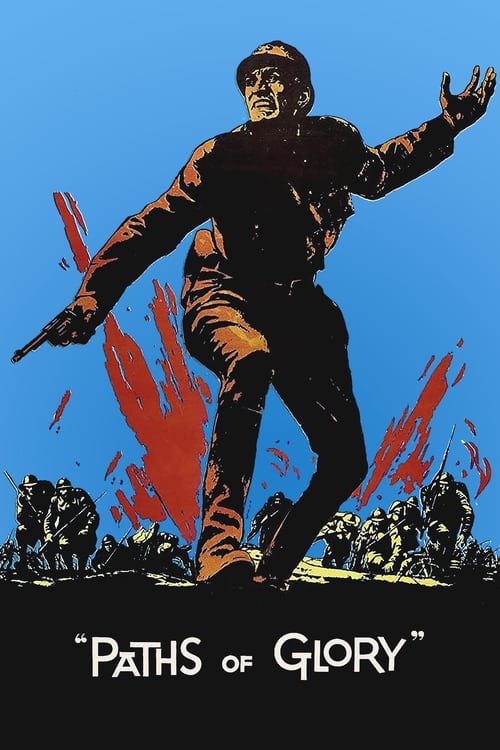
I first watched Paths of Glory on a humid Tuesday evening while nursing a lukewarm cup of peppermint tea that had a single, stubborn leaf floating on the surface. That tiny, drowning leaf somehow became a proxy for the three soldiers in the film—trapped in a vessel they didn’t choose, doomed by forces that didn't even notice their struggle. It’s a strange way to enter a war movie, I know, but Stanley Kubrick’s 1957 breakout isn’t interested in the usual pyrotechnics of combat. It’s a horror movie where the monsters wear silk sashes and drink vintage cognac.
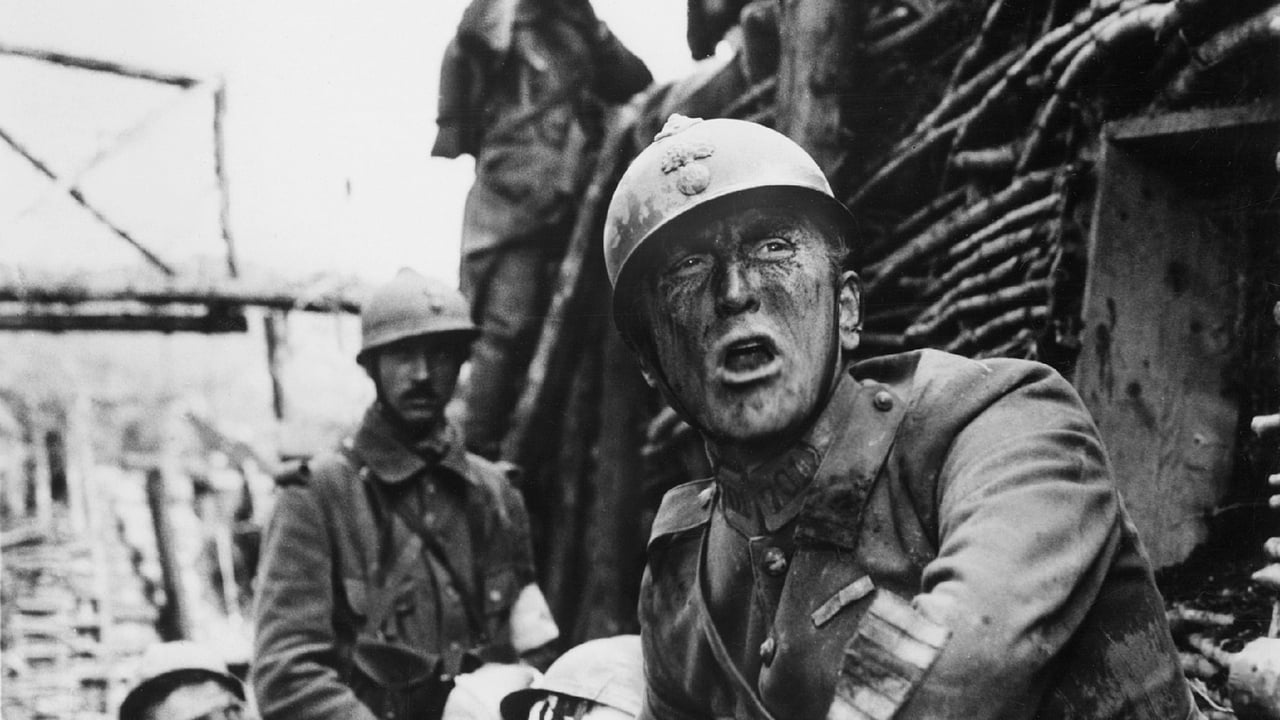
While the "Golden Age" of Hollywood was often defined by the sprawling, Technicolor escapism of the studio system, Paths of Glory arrived like a bucket of ice water to the face. It was produced by Kirk Douglas’s own company, Bryna Productions, at a time when the major studios were hesitant to touch anything that smelled of "anti-war" sentiment or criticized our allies. By 1957, the industry was beginning to crack; the rigid control of the big moguls was giving way to the era of the auteur, and a young Kubrick was leading the charge with a camera that moved like a predatory shark.
The Butcher's Bill in a Gilded Hall
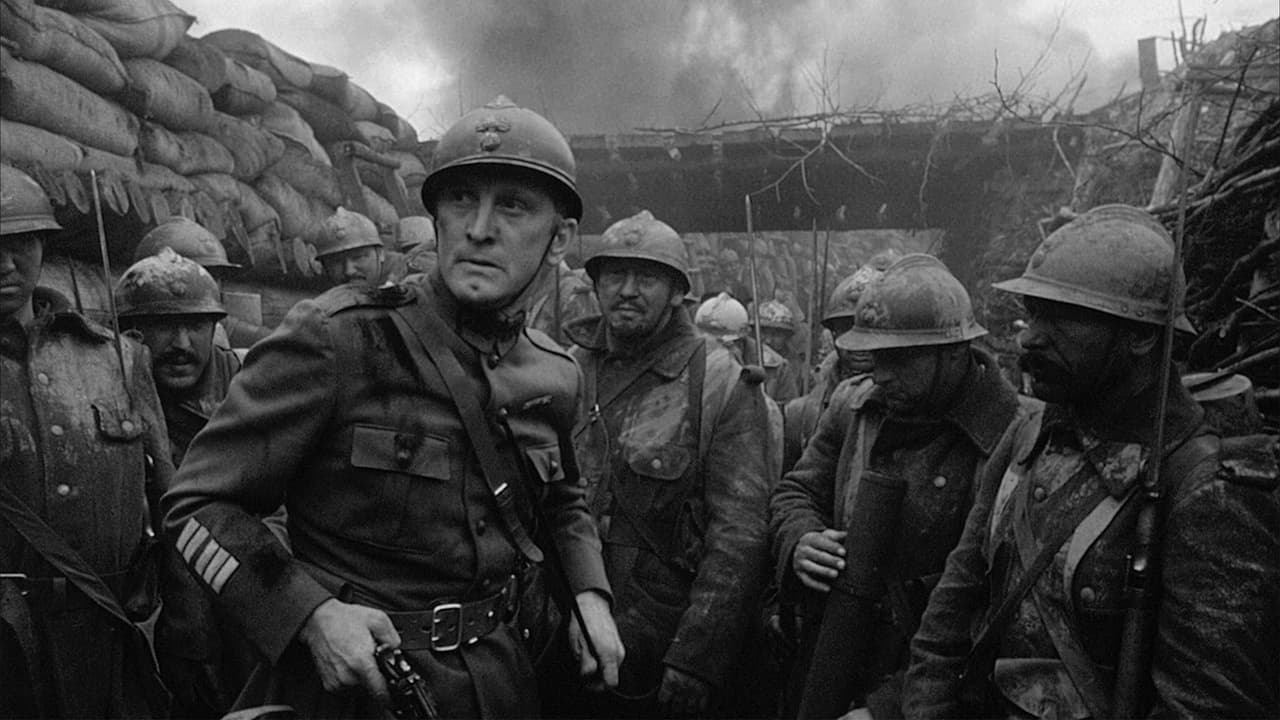
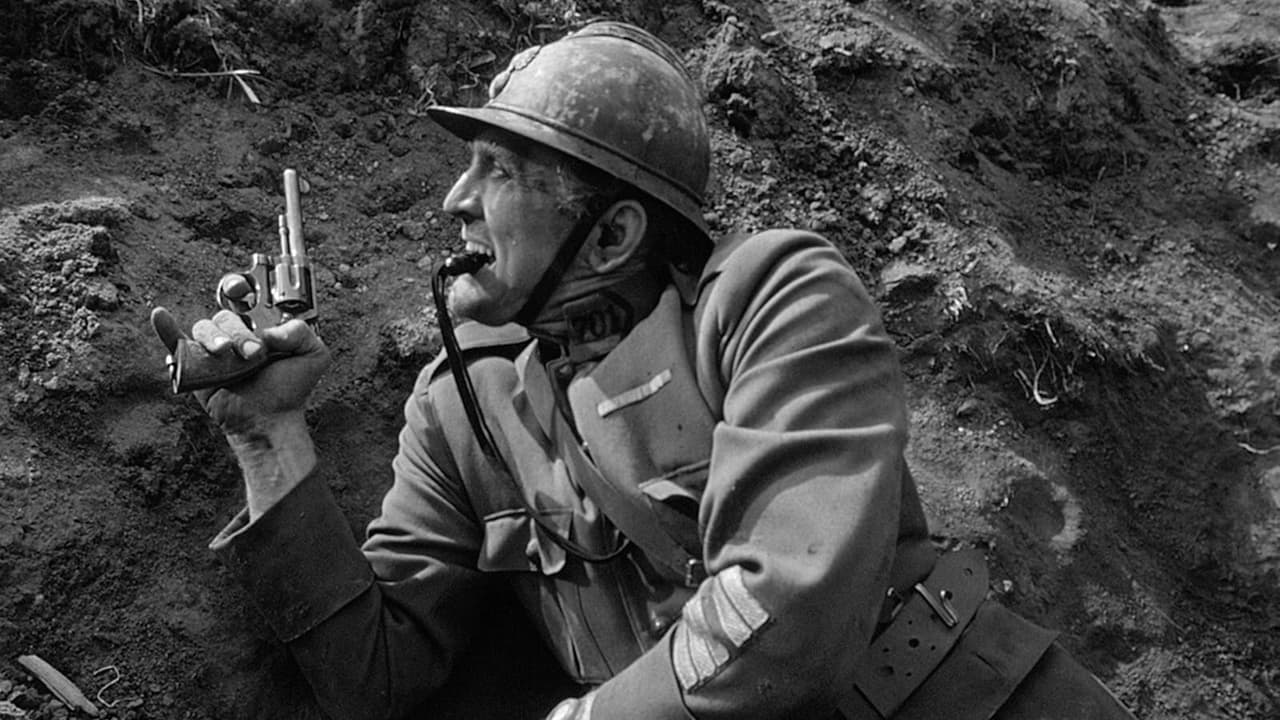
The plot is a masterclass in claustrophobic dread. In 1916, during the stalemate of World War I, the French General Mireau (George Macready) orders a suicidal attack on a German position known as the "Anthill." When the mission inevitably fails, Mireau—incensed by the "cowardice" of his troops—demands that three soldiers be chosen by lot to face a firing squad as an example to the rest. Kirk Douglas stars as Colonel Dax, the men’s commanding officer and a former criminal lawyer, who steps up to defend them in a kangaroo court that is rigged before the first gavel drops.
What struck me most during this rewatch was the visual gulf between the two worlds Kubrick presents. You have the trenches—muddy, cramped, and exploding with the bone-rattling sound of Gerald Fried’s percussive score—and then you have the chateau where the generals reside. The palace is a nightmare of symmetry and polished marble. George Macready, with that iconic scar on his cheek and a voice like gravel hitting a tin roof, plays Mireau with a terrifying, detached vanity. To him, the soldiers are just decimal points in a ledger of personal ambition.
His counterpart, the oily General Broulard, played by Adolphe Menjou (who was famously a staunch right-winger in real life, making his casting as a cynical bureaucrat a stroke of genius), represents the systemic rot. Watching these two men negotiate the lives of three human beings over hors d'oeuvres is more disturbing than any bayonet charge.
A Star at the Height of His Power
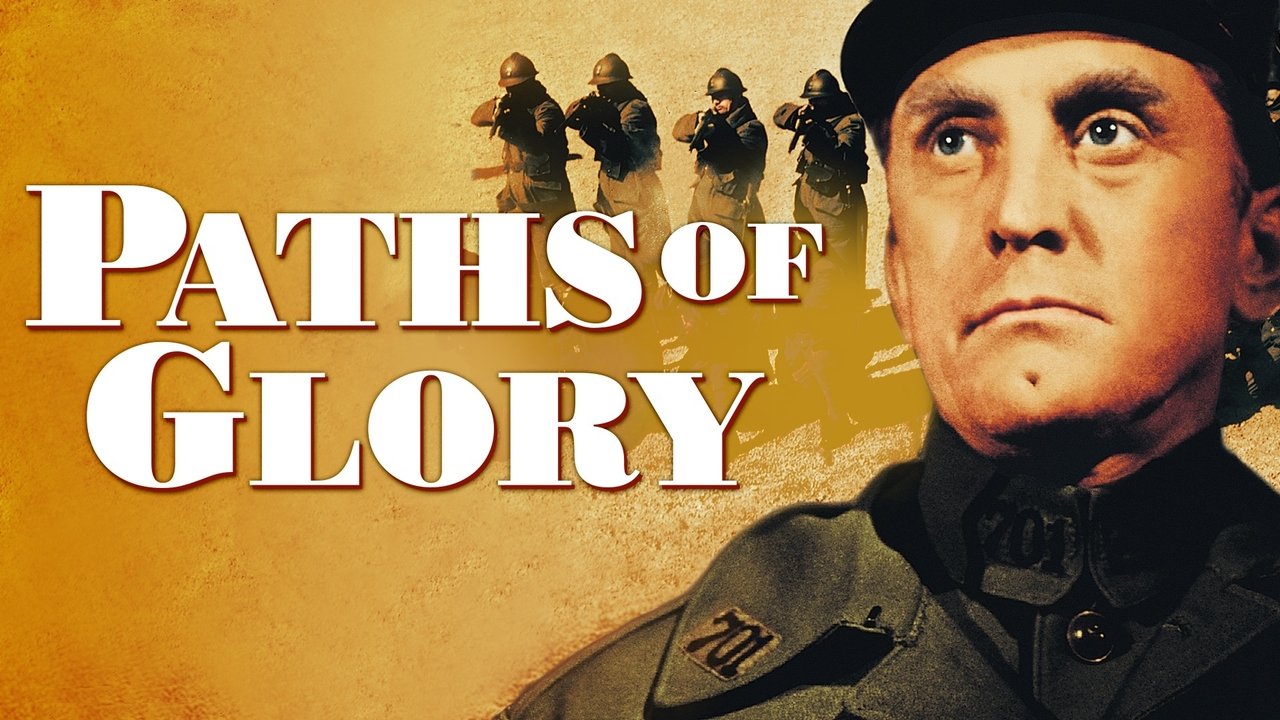
This is arguably the finest work Kirk Douglas ever put on film, even surpassing his turn in Spartacus (1960). In the 50s, Douglas was the ultimate "tough guy" of the studio system, but here he plays Dax with a weary, vibrating rage. He isn't a superhero; he’s a man trying to maintain his soul in a machine designed to crush it. The scene where he cross-examines the witnesses in the grand ballroom—now turned into a courtroom—is a masterwork of performance nuance. You can see the sweat on his brow and the realization in his eyes that logic and justice have no jurisdiction in this room.
The "scapegoats" themselves provide the film's emotional heartbeat. Ralph Meeker as Corporal Paris is particularly haunting. He’s not a hero; he’s a competent soldier who is simply exhausted. Alongside him, Timothy Carey (a Kubrick favorite from The Killing) brings a twitchy, eccentric energy to the doomed Private Ferol. Their chemistry creates a genuine sense of tragedy—they aren't symbols; they are guys who just wanted to go home and maybe have a decent meal.
The Scars of Production
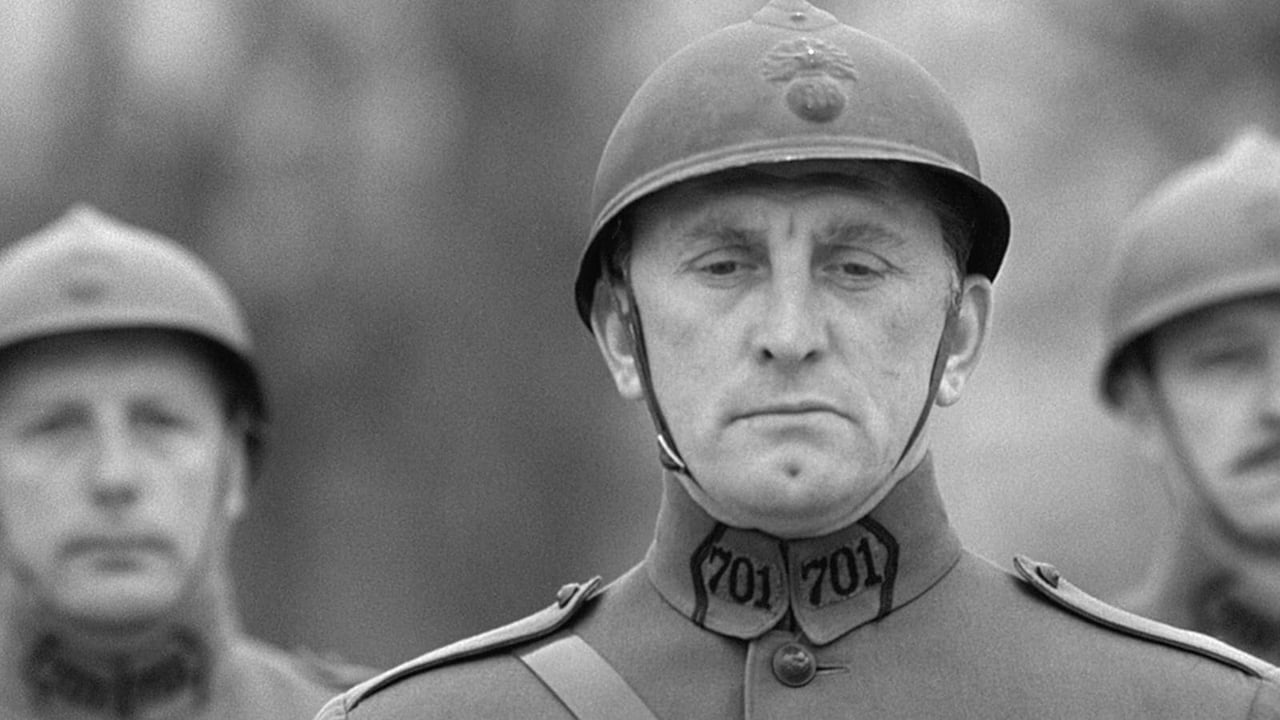
The behind-the-scenes reality of Paths of Glory is as intense as the film itself. Kubrick was notoriously exacting, even this early in his career. To film the famous "Anthill" sequence, the production team took over a field in Bavaria and literally blew it to pieces with explosives to create an authentic No Man's Land. The cinematography by Georg Krause utilized incredibly long, fluid tracking shots that pull the viewer through the trenches, making you feel every inch of the claustrophobia.
Interestingly, the film was a massive point of contention for the French government. It was banned in France for eighteen years because it was seen as an insult to the honor of their army. This speaks to the "Prestige" nature of the project—it wasn't just a movie; it was a political hand grenade. United Artists took a huge risk distributing it, especially considering the budget was a relatively lean $935,000. It didn't set the box office on fire initially, but its reputation grew into a monolith.
One of my favorite "human" details about the production is that the only woman with a speaking part in the film—the German girl who sings at the very end—was Christiane Harlan. Kubrick ended up marrying her shortly after, and they stayed together until his death. That final scene, where the rowdy, bloodthirsty soldiers are reduced to tears by her simple folk song, is the only moment of light in an otherwise pitch-black narrative. It reminds me that even in the middle of a slaughterhouse, humanity can still find its way back to the surface.
The film concludes not with a victory, but with a march back to the front. There are no medals for Dax, no apologies from the generals, and no miraculous stay of execution. Kubrick refuses to give us the easy exit that 1950s audiences were accustomed to. It leaves you feeling hollowed out but deeply thoughtful, which is exactly what great drama should do. It’s a clinical dissection of power that feels just as relevant today as it did when it was shaking up the French Ministry of War in the late fifties. This isn't just a "war movie"; it's a testament to the fact that the most dangerous enemies aren't always in the opposite trench—sometimes, they're sitting in the office directly above you.
Keep Exploring...
-
Barry Lyndon
1975
-
Full Metal Jacket
1987
-
Spartacus
1960
-
The Killing
1956
-
The Bridge on the River Kwai
1957
-
Dr. Strangelove or: How I Learned to Stop Worrying and Love the Bomb
1964
-
Rome, Open City
1945
-
Eyes Wide Shut
1999
-
Gone with the Wind
1939
-

On the Waterfront
1954
-
The Night of the Hunter
1955
-
Witness for the Prosecution
1957
-
Touch of Evil
1958
-
Anatomy of a Murder
1959
-
12 Angry Men
1957
-
The Deer Hunter
1978
-

Apocalypse Now
1979
-
The Shining
1980
-

Grave of the Fireflies
1988
-
Schindler's List
1993