The Seventh Seal
"Death doesn't take a holiday; he plays chess."
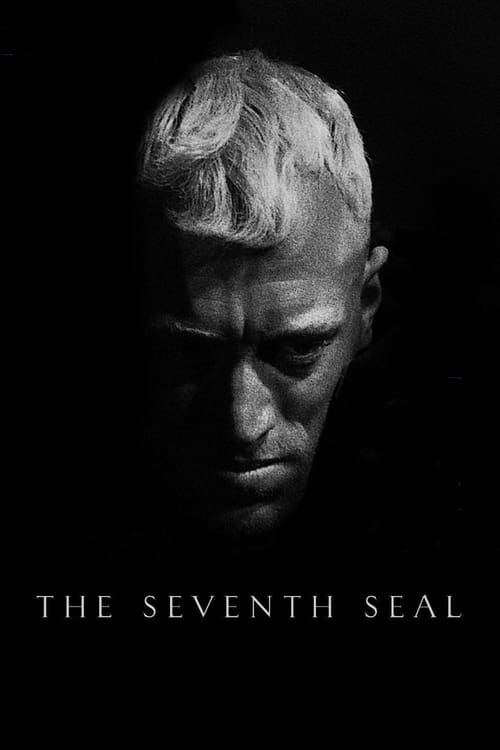
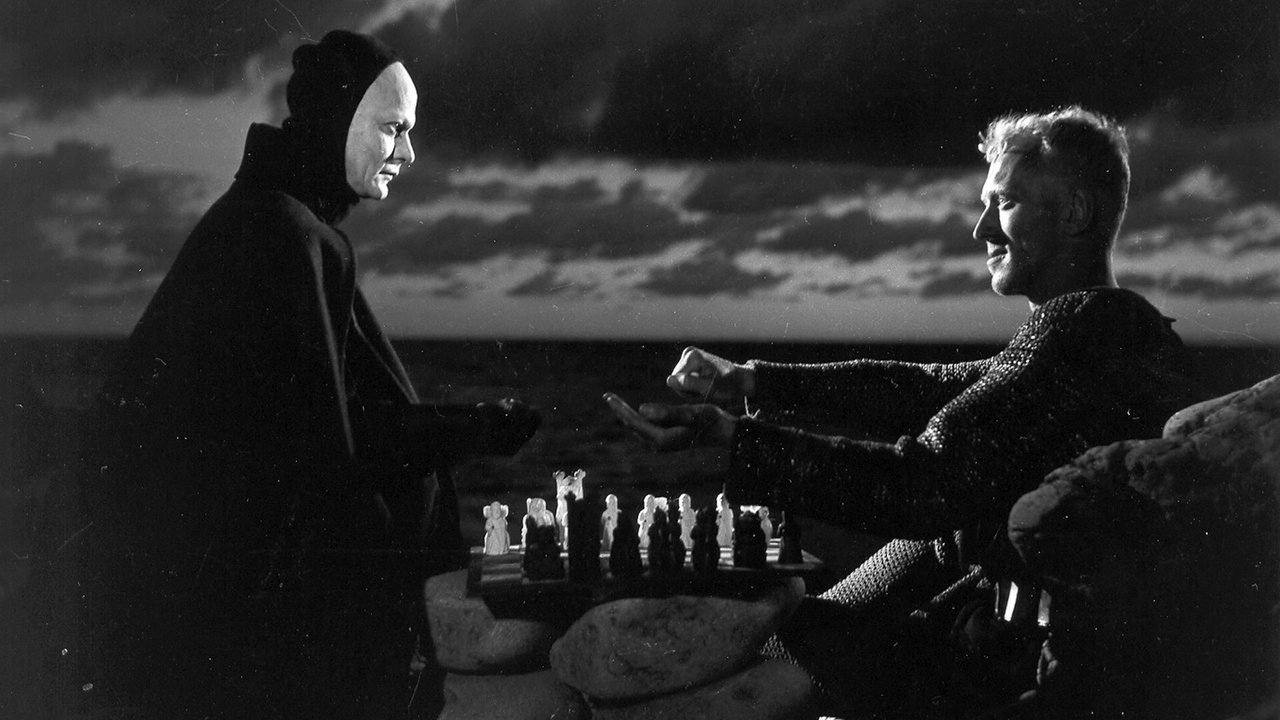
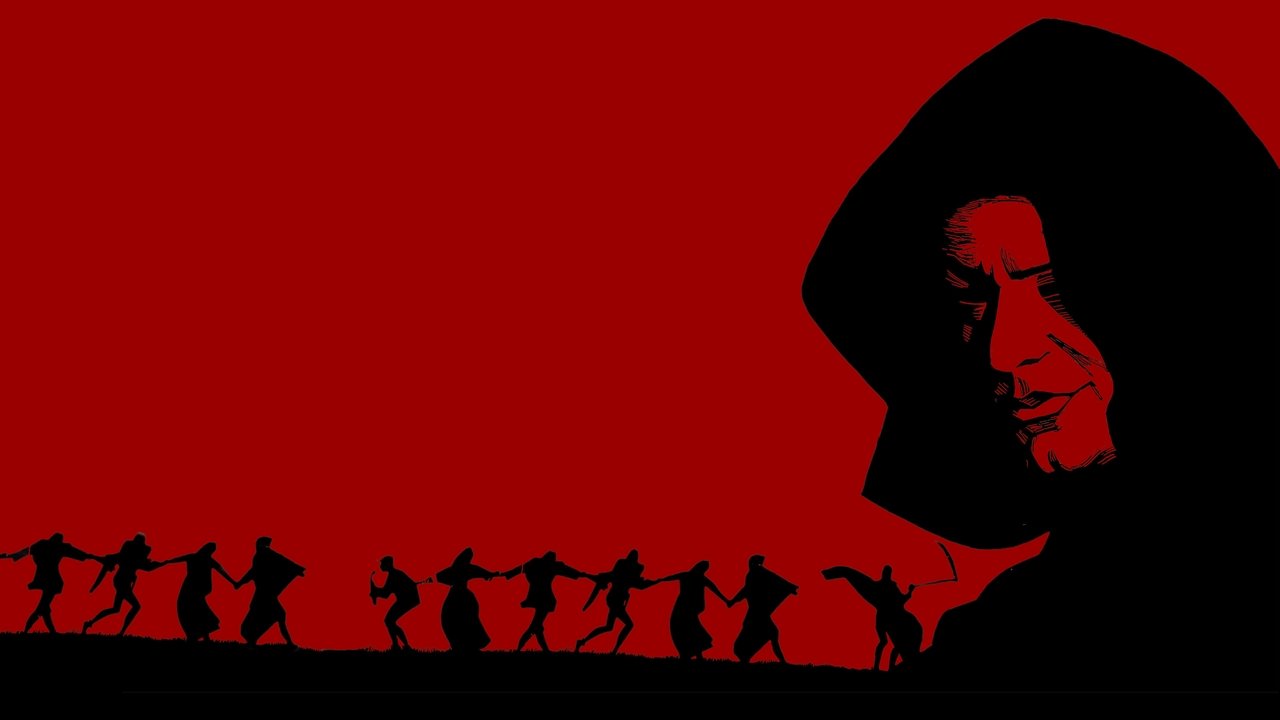
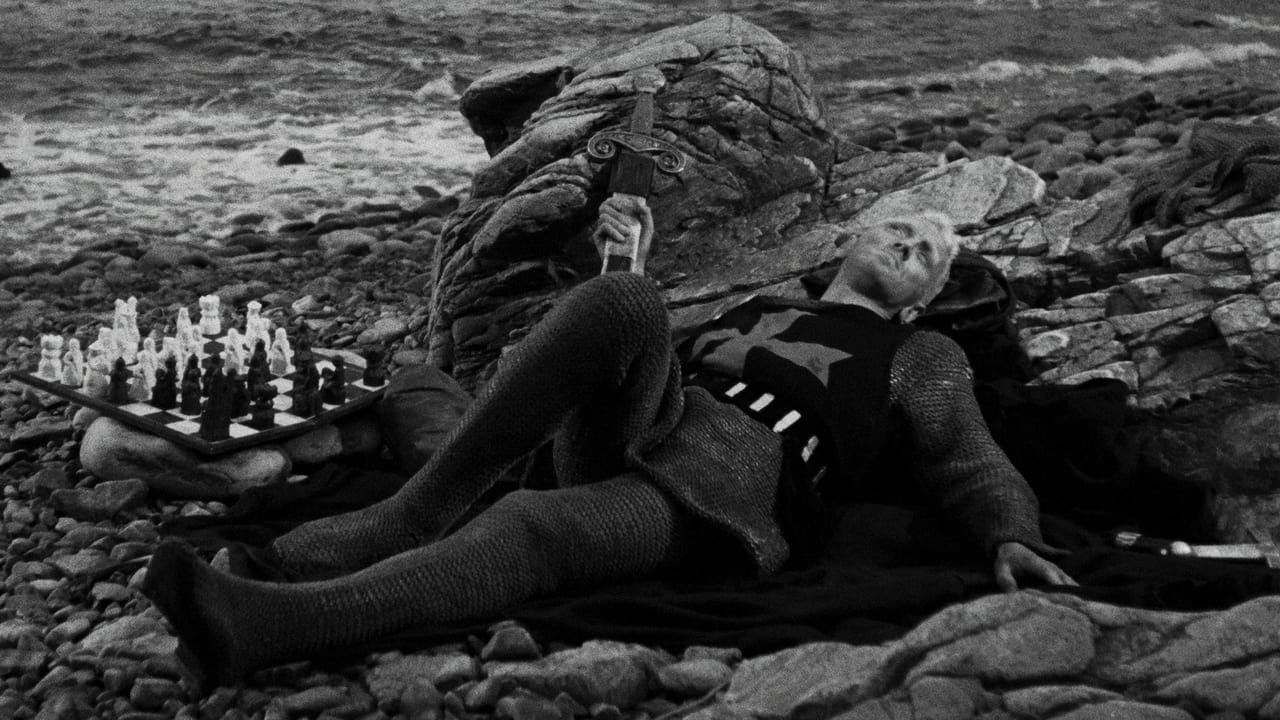
The sound of the surf at Hovs Hallar is the first thing that hits you—a cold, rhythmic pulse that feels like a countdown. Then, we see the face that launched a thousand parodies. Pale, shrouded in black, and possessing the kind of stillness that makes your own pulse skip. When Bengt Ekerot’s Death appears on that rocky Swedish shoreline to claim the soul of a weary knight, he doesn't bring a scythe or a scream. He brings a challenge.
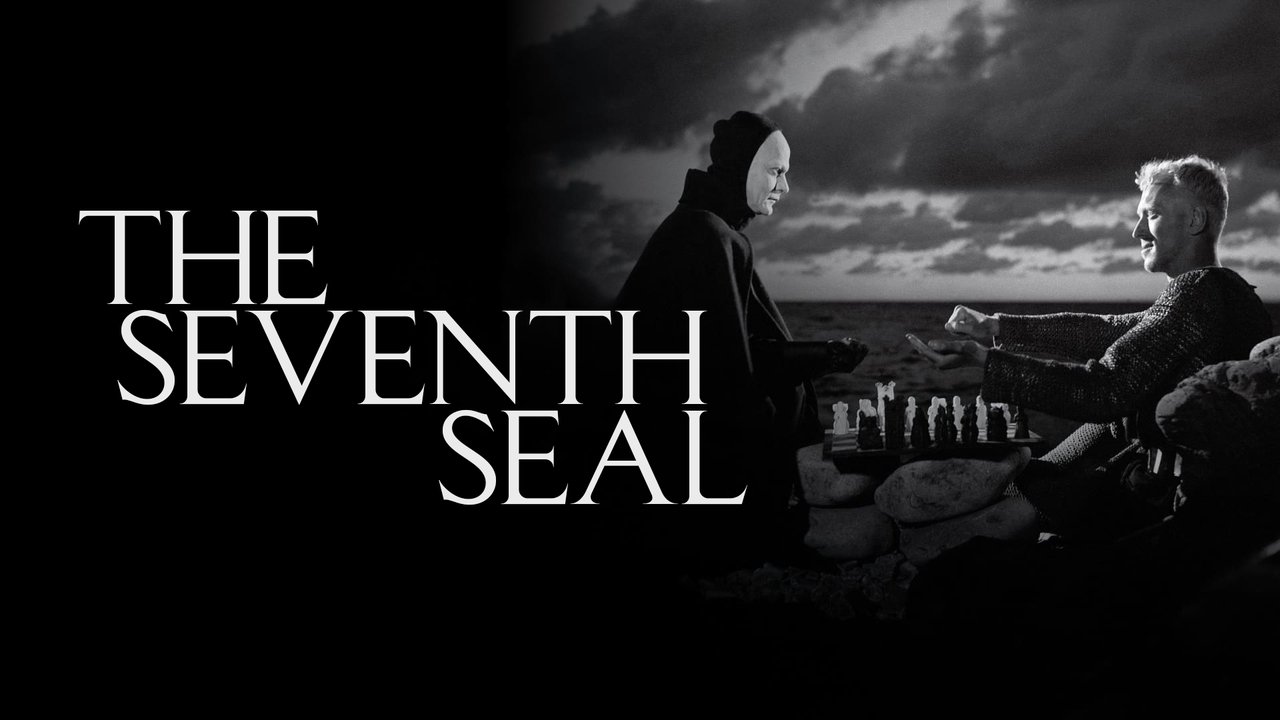
I recently revisited this masterpiece on a Tuesday afternoon while ignoring a mounting pile of laundry and eating a slightly dry gas-station cinnamon roll. It’s a strange juxtaposition, I know—consuming processed sugar while watching Max von Sydow grapple with the cosmic silence of the Almighty—but that’s the magic of Ingmar Bergman. He took the "prestige film" and made it feel like a personal, high-stakes conversation about your own mortality.
The Knight, the Squire, and the Silence
At the heart of the drama is Antonius Block (Max von Sydow), a man who has spent a decade fighting in the Crusades only to return to a homeland ravaged by the Black Death. He is a man who is "tired of his own company," and more importantly, tired of a God who refuses to answer the phone. His quest isn't just to stay alive; it’s to perform one meaningful act before the clock runs out.
What surprised me most during this watch—and what usually surprises people who think Bergman is just "sad Swedish people in rooms"—is how much the film relies on the ensemble. While Block is off being the patron saint of existential crises, his squire, Jöns (Gunnar Björnstrand), provides a cynical, earthy counterpoint. He’s the guy who sees the plague, the religious hysteria, and the cruelty of men and simply shrugs. He’s arguably the most relatable person in the movie. Watching this without subtitles is just a high-end screensaver for philosophy majors, but with them, you realize the dialogue is sharp, funny, and surprisingly modern.
The Art of the Art House
Released in 1957, The Seventh Seal arrived during a pivotal moment. While Hollywood was busy perfecting the widescreen Technicolor musical to compete with the rising threat of television, Bergman was proving that black-and-white cinematography could be just as spectacular. Gunnar Fischer, the cinematographer, captures the Swedish landscape with a high-contrast brilliance that makes every frame look like a woodcut from the Middle Ages.
The film was a massive "awards bait" success, though not in the way we think of it today. It famously won the Special Jury Prize at Cannes, losing the top spot to a Hollywood flick called Friendly Persuasion. Yet, history has been much kinder to Bergman’s chess match. It established the "Foreign Film" as a dominant force in the global market, proving that American audiences were hungry for stories that didn't necessarily have a "happily ever after" wrapped in a bow.
It’s worth noting that the production was a bit of a scrap-heap miracle. Despite its massive legacy, the budget was a measly $150,000. Bergman shot the film in just 35 days, mostly on the grounds of SF Studios. Even that iconic final image—the "Dance of Death" silhouetted against the sky—was an improvisation. The actors had already left for the day, so Bergman had some grips and tourists put on the costumes and filmed them in a few minutes because he liked the way a specific cloud looked. It turns out the most famous shot in cinema history was basically a last-minute B-roll hustle.
Why It Still Bites
The reason I keep coming back to this film isn't just the "important" themes. It’s the warmth of the characters Jof (Nils Poppe) and Mia (Bibi Andersson). They are traveling performers, a small family unit that represents the simple joys—a bowl of wild strawberries, a song, a child’s laughter—that Block is so desperate to protect.
The drama works because the stakes aren't just "Does Block live?" but "Can humanity find a reason to be kind in a world that feels indifferent?" Bergman doesn't give you a clear answer, and that’s why the film remains so potent. It respects your intelligence enough to let you sit with the question. It’s a cerebral experience, sure, but it’s anchored in the very human fear that we might be alone, and the very human hope that we aren't.
The Seventh Seal is the rare "classic" that actually earns its reputation every time you press play. It’s a drama that manages to be both a heavy philosophical inquiry and a gripping road movie. Whether you're a film student or just someone looking for a movie that actually has something to say, this is the gold standard. Just maybe skip the gas-station pastry while you watch it.
Keep Exploring...
-
Wild Strawberries
1957
-
It's a Wonderful Life
1946
-
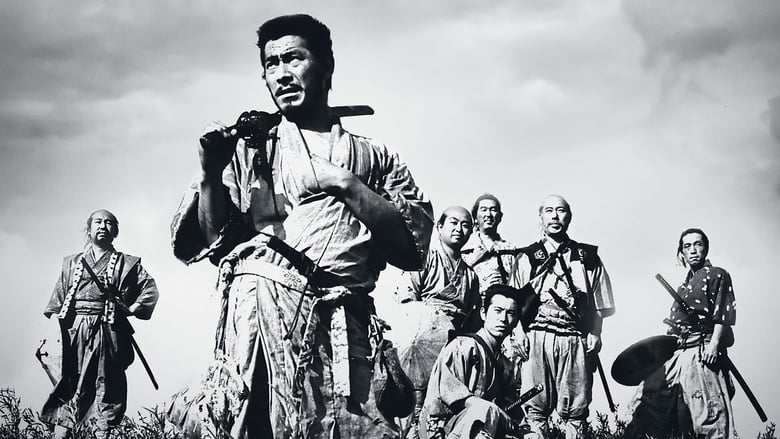
Seven Samurai
1954
-
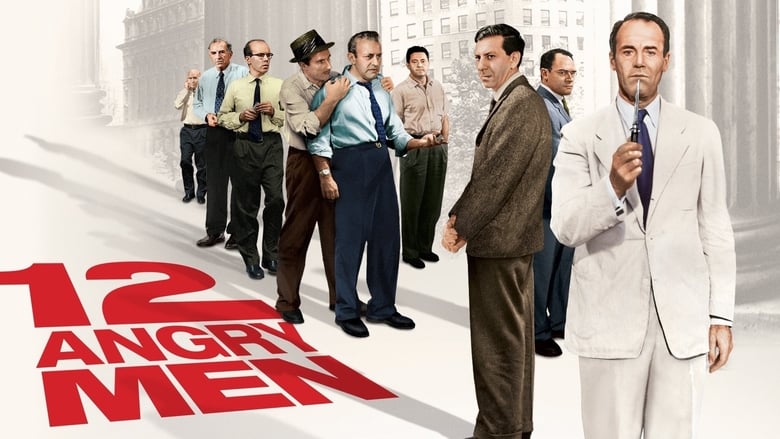
12 Angry Men
1957
-
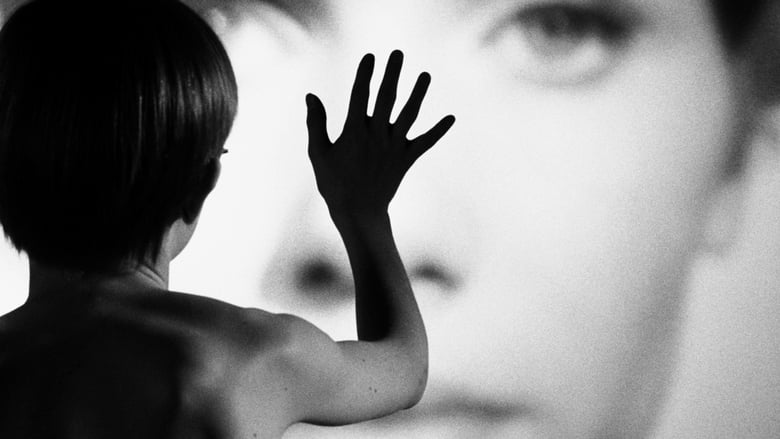
Persona
1966
-

Ben-Hur
1959
-
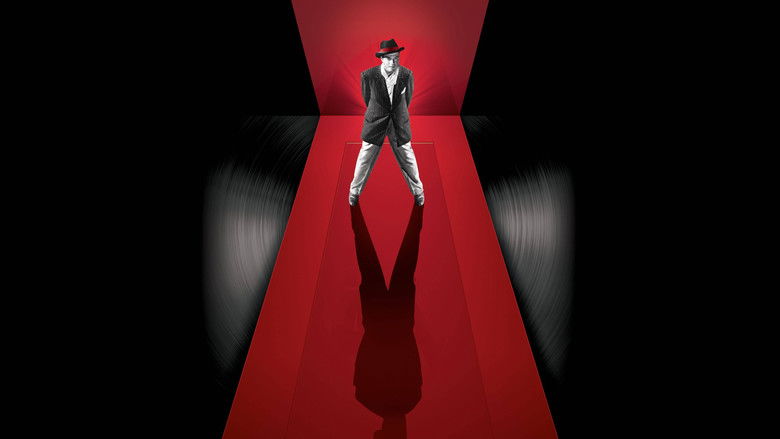
Citizen Kane
1941
-
Casablanca
1943
-
High Noon
1952
-
Sabrina
1954
-
Rebel Without a Cause
1955
-
Paths of Glory
1957
-

Ikiru
1952
-
Tokyo Story
1953
-
La Strada
1954
-

The Ten Commandments
1956
-
Throne of Blood
1957
-
Hiroshima Mon Amour
1959
-
The 400 Blows
1959
-
Kiki's Delivery Service
1989