Throne of Blood
"Ambition is a fog you never escape."
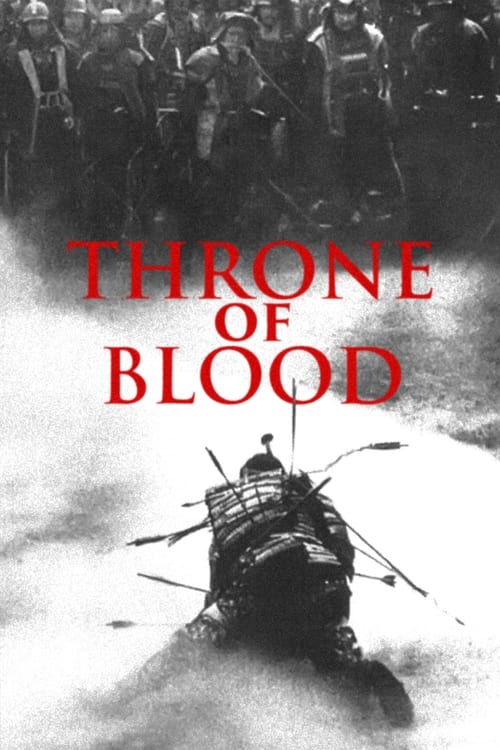
Most people approach "Shakespeare on film" with a certain level of dread, bracing themselves for five-act structures and enough "thees" and "thous" to make a modern brain short-circuit. But Akira Kurosawa didn't care about the Bard’s iambic pentameter. When he decided to adapt Macbeth, he stripped away every single line of English verse and replaced it with the howling wind of Mount Fuji and the stifling, mask-like traditions of Noh theater. The result, Throne of Blood (or Spider’s Web Castle if you’re a literalist), is less a stage play and more of a fever dream that I suspect would have made Shakespeare himself drop his quill in envy.
I recently rewatched this on a projector in my basement while a rogue moth kept trying to suicide-bomb the lens. Usually, that’s an annoyance, but seeing a fluttering shadow dance across the fog-drenched landscape of feudal Japan actually made the whole thing feel more haunted. It’s that kind of movie; it bleeds into your surroundings.
The Mask of the Monster
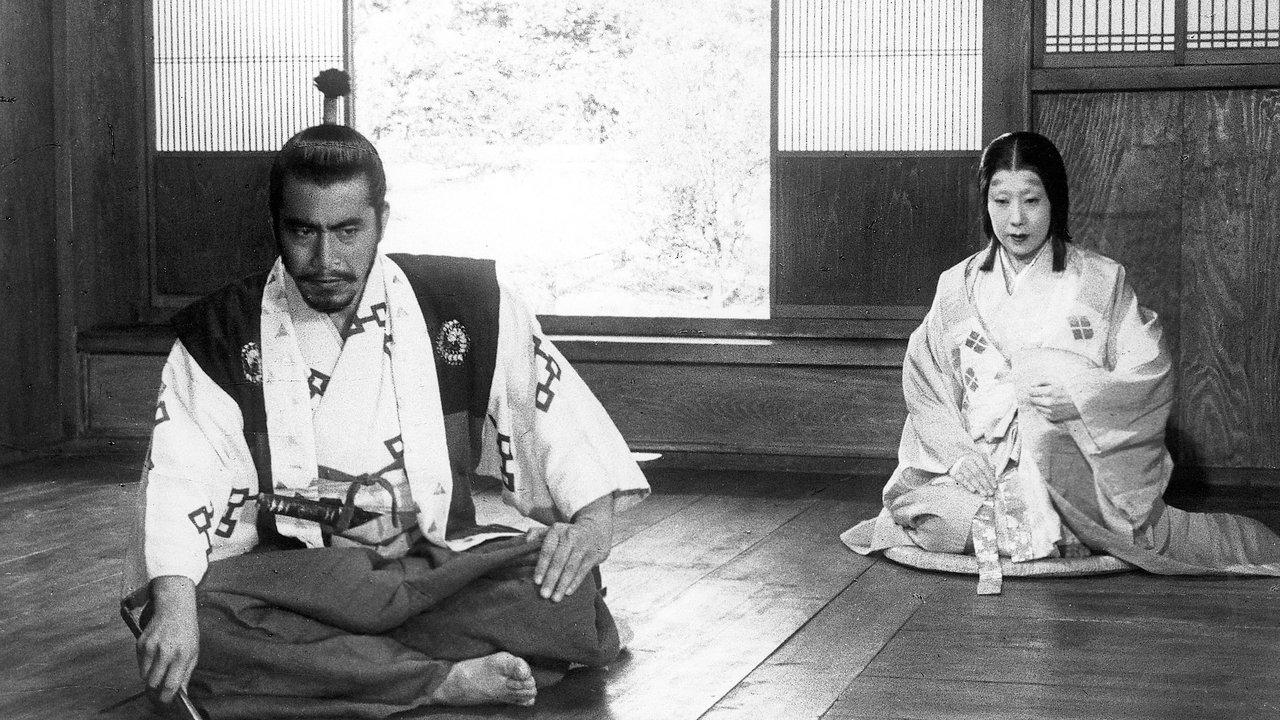
If you’ve seen Toshirō Mifune in Seven Samurai or Yojimbo, you know he’s a human hurricane. He usually vibrates with a wild, kinetic energy. In Throne of Blood, as the ambitious samurai Washizu, he’s like a caged animal. Kurosawa used the principles of Noh—a classical Japanese dance-drama—to dictate the performances. Each character corresponds to a specific Noh mask. Washizu is the "warrior," and his expressions are so heightened they almost look painful.
But the real MVP of nightmare fuel is Isuzu Yamada as Lady Asaji (the Lady Macbeth of this tale). While Mifune is sweating and bulging his eyes, Yamada is terrifyingly still. Her face is made up to look like a literal mask—pale, frozen, and devoid of empathy. There’s a scene where she simply walks into a dark room to fetch poison, and the sound of her silk robes dragging across the floorboards sounds like a snake sharpening its teeth. It is, without hyperbole, the most chilling performance of the 1950s. She doesn't need to scream; she just exists, and the room temperature seems to drop twenty degrees.
Geometry of a Ghost Story
Kurosawa was a painter before he was a director, and you can see it in every frame. He doesn't just "film a scene"; he composes a trap. The castle itself feels claustrophobic, despite being surrounded by wide-open volcanic slopes. He uses the natural fog of Mount Fuji to isolate the characters, making it feel like Washizu and Miki (Minoru Chiaki) are the only two people left in a dying world.
The film grapples with the idea of predestination versus choice in a way that feels incredibly modern. When the forest spirit—a creepy, white-haired specter spinning yarn in a hut—tells them their future, is she revealing fate, or is she planting a seed of madness? I’ve always leaned toward the latter. Washizu isn't a victim of destiny; he's a victim of a bad ego and a wife who knows exactly which buttons to press. The cinematography by Asakazu Nakai (who lensed the epic Ran decades later) uses deep focus to make sure we see the consequences of these choices lurking in every corner of the screen.
The Arrow-Riddled Finale
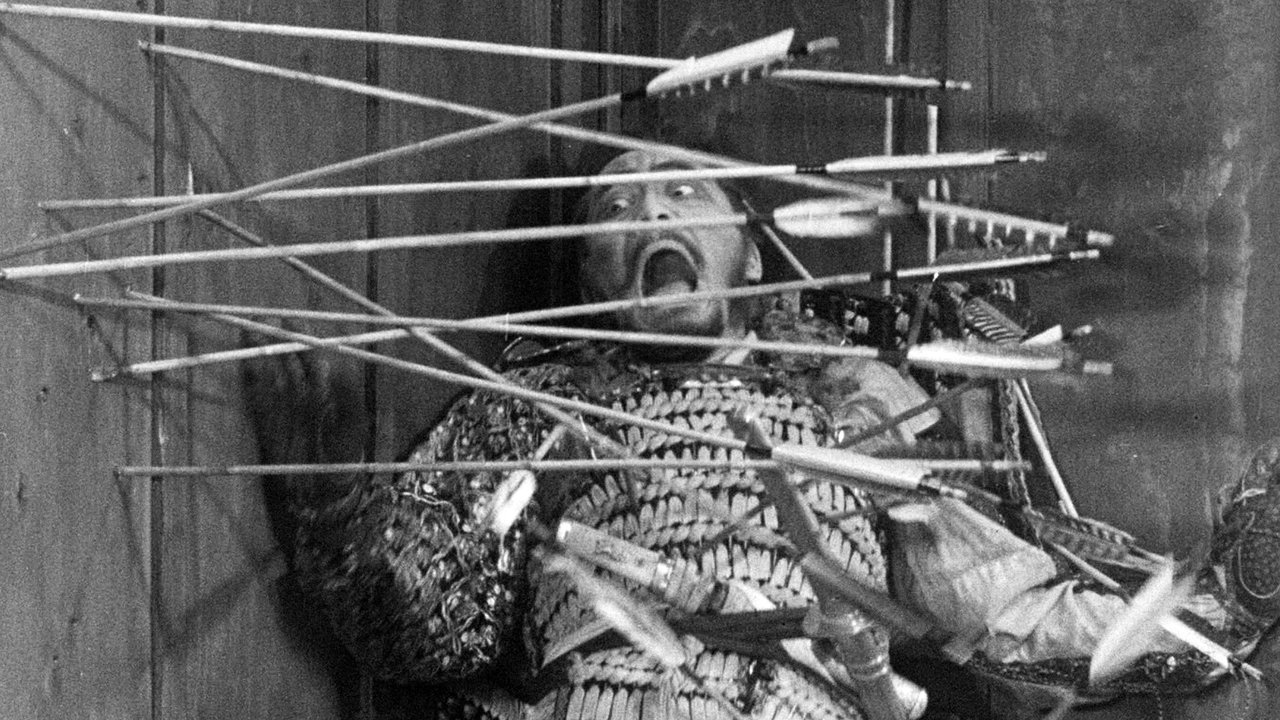
We have to talk about the ending. Even if you’ve never seen a Kurosawa film, you’ve probably seen the stills of Toshirō Mifune looking like a human pincushion. This wasn't some clever Hollywood trick with wires and rubber tips. Kurosawa, being the notorious perfectionist that earned him the nickname "The Emperor," hired actual archers to fire real arrows at Mifune from a few feet away.
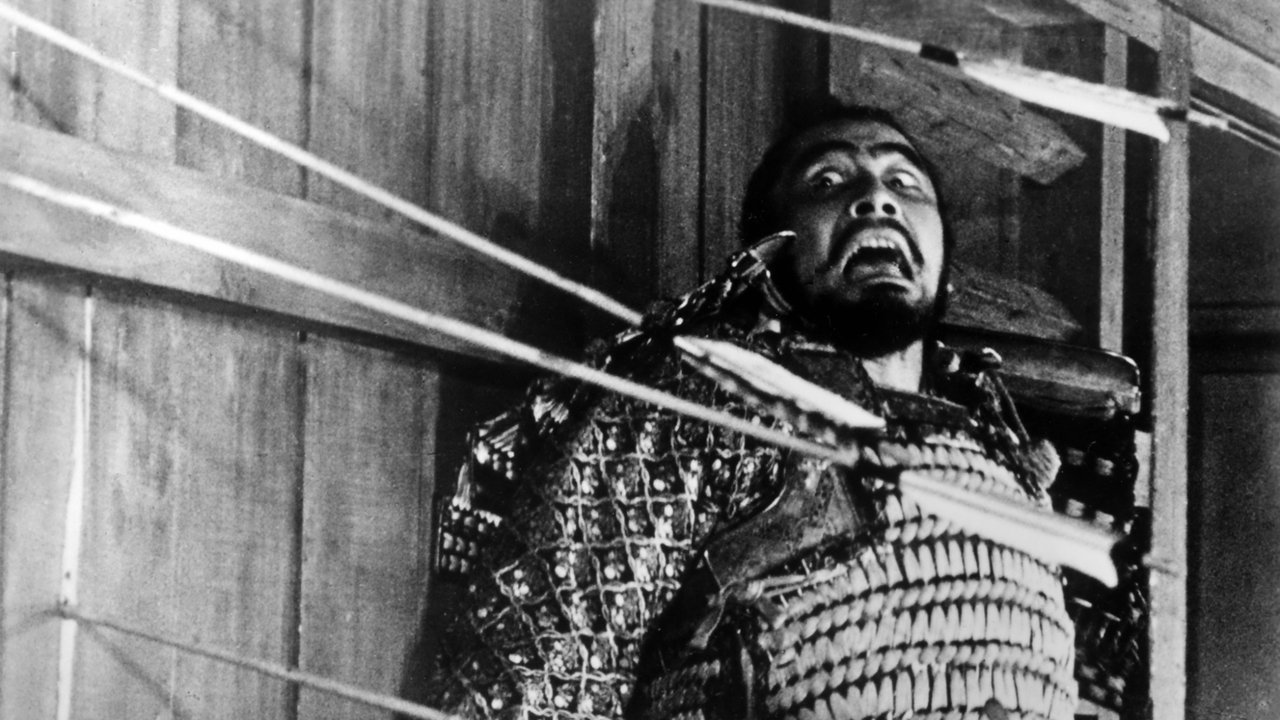
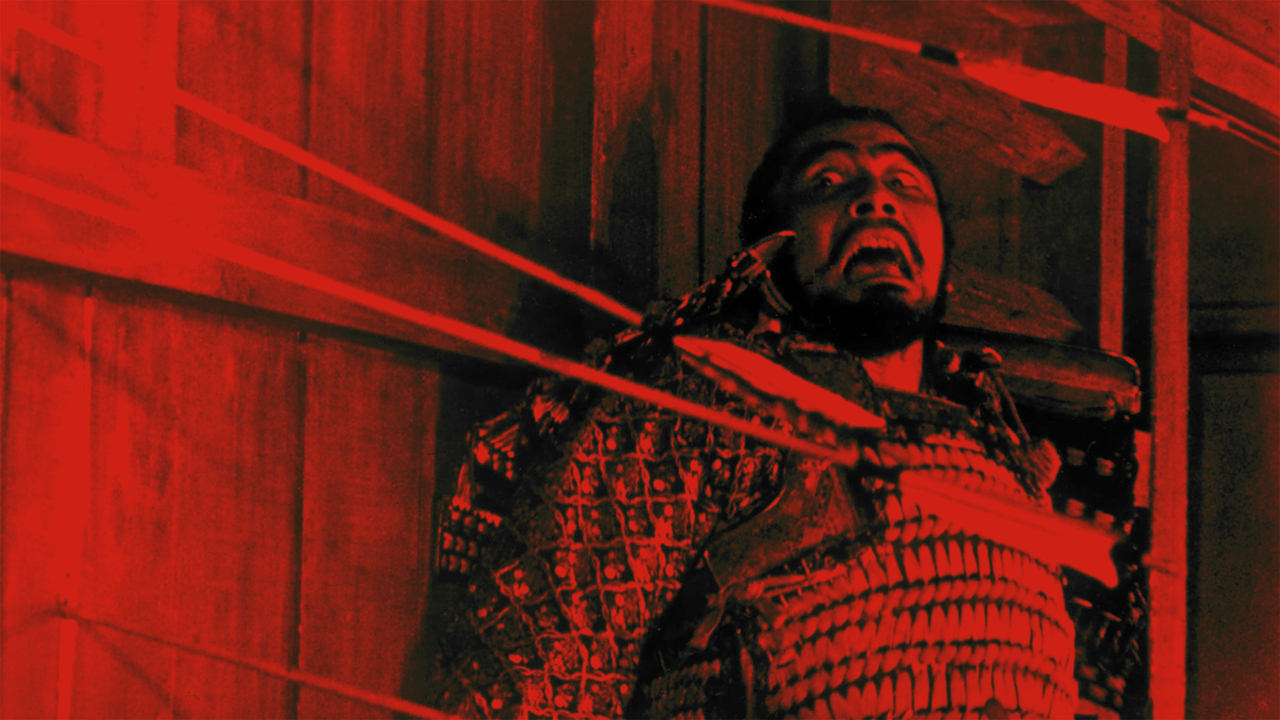
Those looks of genuine terror on Mifune’s face? That’s not acting; that’s a man wondering if his director has finally lost his mind. The way the arrows thwack into the wood mere inches from his head provides a visceral (sorry, I mean bone-rattling) intensity that modern CGI can’t touch. It’s the ultimate payoff for a character who tried to outrun his own shadow.
Watching Throne of Blood today, it’s wild to think it was part of the same cinematic landscape as lighthearted Hollywood musicals or the burgeoning era of Technicolor epics like The Ten Commandments. While the West was going big and bright, Kurosawa was going deep into the monochrome darkness of the human soul. It’s a film that asks us if we’re actually in control of our lives, or if we’re just spinning around in the fog until the arrows start flying.
If you can handle a movie that moves with the deliberate, heavy pace of a funeral march, Throne of Blood is essential viewing. It’s a masterclass in atmosphere and a reminder that the most terrifying ghosts aren't the ones in the woods, but the ones we carry around in our own heads. Just make sure to turn off the lights—and maybe shoo away any moths.

Keep Exploring...
-
Seven Samurai
1954
-

Ikiru
1952
-

Rashomon
1950
-

Yojimbo
1961
-
Ran
1985
-
Hiroshima Mon Amour
1959
-
Harakiri
1962
-
High and Low
1963
-

The Ten Commandments
1956
-
Ben-Hur
1959
-
Tokyo Story
1953
-
La Strada
1954
-
Sabrina
1954
-
Rebel Without a Cause
1955
-
Wild Strawberries
1957
-
The Grapes of Wrath
1940
-

Laura
1944
-
The Treasure of the Sierra Madre
1948
-

All About Eve
1950
-
The Bridge on the River Kwai
1957