Wild Strawberries
"The longest road is the one leading home."
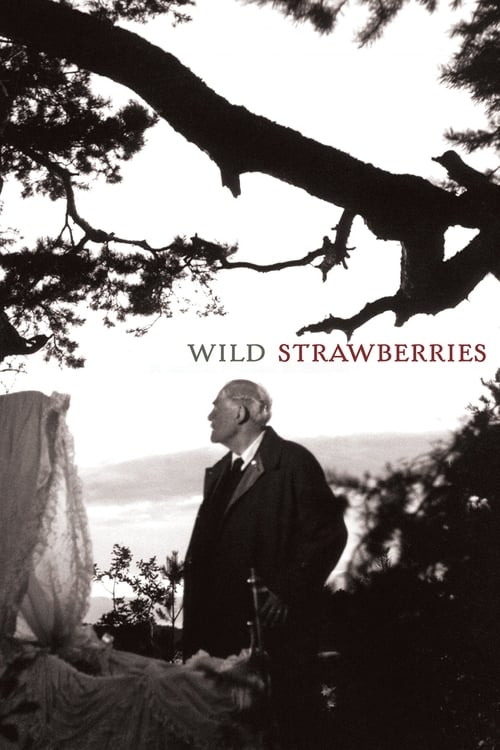
Imagine driving across the Swedish countryside with the ghost of every mistake you’ve ever made sitting in the backseat. That is the spiritual engine of Wild Strawberries, a film that feels less like a 90-minute drama and more like a fever dream you’d have after a particularly heavy dinner and a long look in the mirror. I sat down to watch this on a Tuesday afternoon while my neighbor was outside trying to start a leaf blower that sounded like a dying lawnmower, yet within ten minutes, that racket vanished. I was too busy watching an old man realize his heart had turned to permafrost.
By 1957, Hollywood was leaning heavily into the widescreen spectacle of the "Golden Age"—big colors, bigger stars, and narratives that usually wrapped up with a tidy bow. Meanwhile, in Sweden, Ingmar Bergman was doing something much more dangerous. He was using the camera to perform an autopsy on the human soul. Wild Strawberries doesn’t just tell a story; it captures that universal, nagging fear that we might reach the end of our lives and realize we forgot to actually be alive.
A Master of the Silent Era Speaks
The film centers on Professor Isak Borg, played by Victor Sjöström. If you’re a student of the era, you know Sjöström was a titan of the silent era, a director who practically taught the world how to tell stories with light and shadow in films like The Phantom Carriage. Here, at the end of his life, he gives a performance that is so internalized it’s almost voyeuristic. He’s crotchety, pedantic, and cold—Isak Borg is basically a high-society Ebenezer Scrooge who went to med school instead of counting coins.
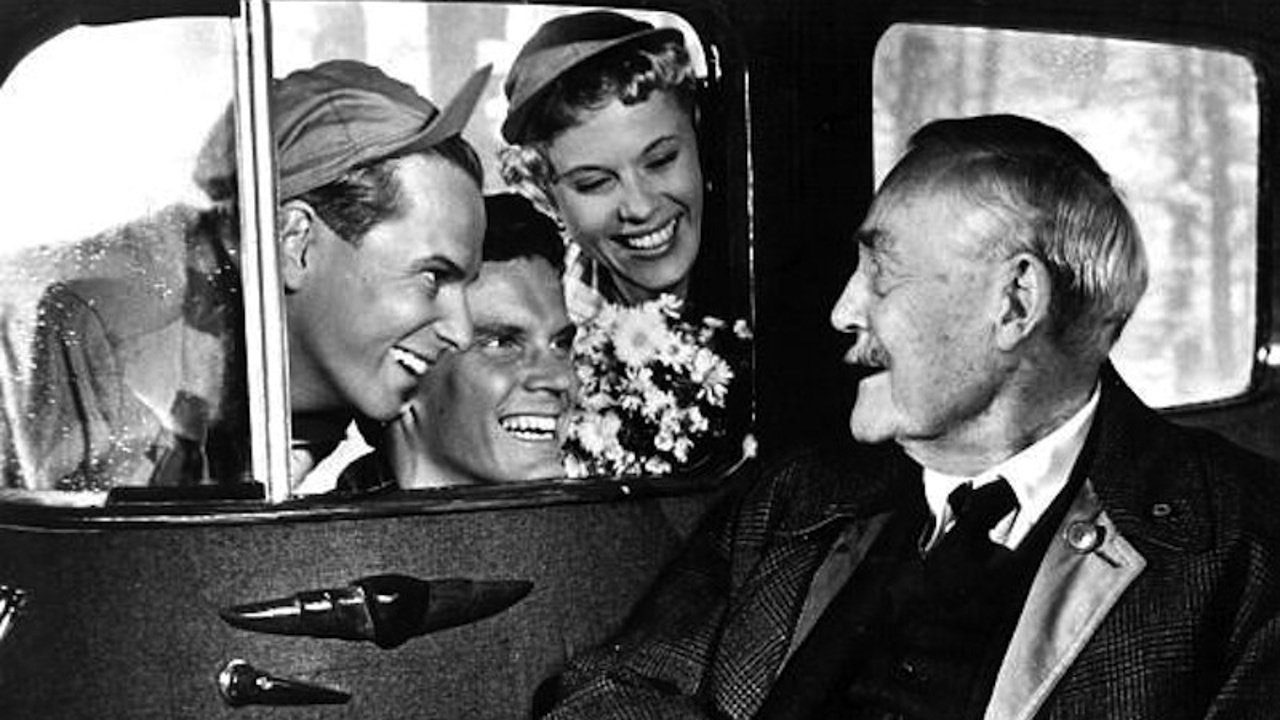
As Isak travels to Lund to receive an honorary degree, he’s joined by his daughter-in-law, Marianne, played by the luminous Ingrid Thulin. Their dynamic is the friction that keeps the car moving. Marianne doesn't pull any punches; she tells him exactly why his son, Evald (Gunnar Björnstrand), is so miserable. It turns out "coldness" is a hereditary trait in the Borg family, passed down like a cursed heirloom. Watching Thulin and Sjöström trade barbs in a cramped car is a lesson in tension. They aren't shouting; they’re dissecting each other with scalpels.
The Dreams That Bite
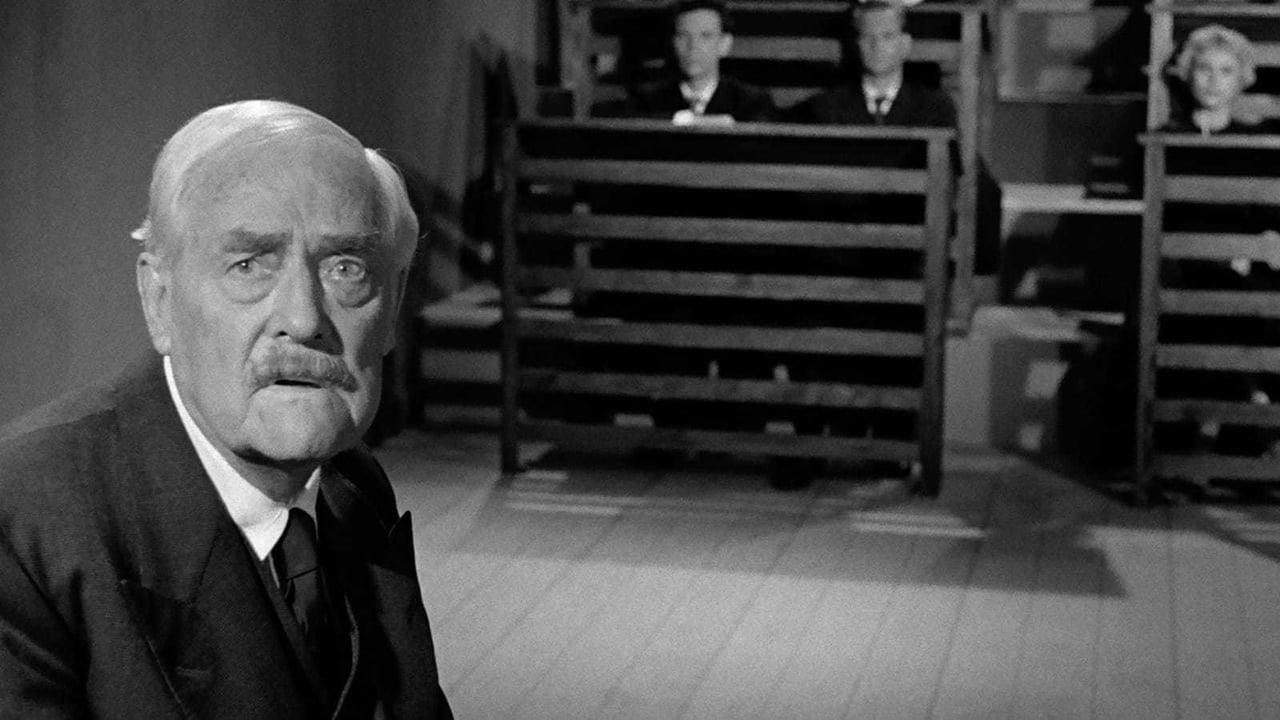
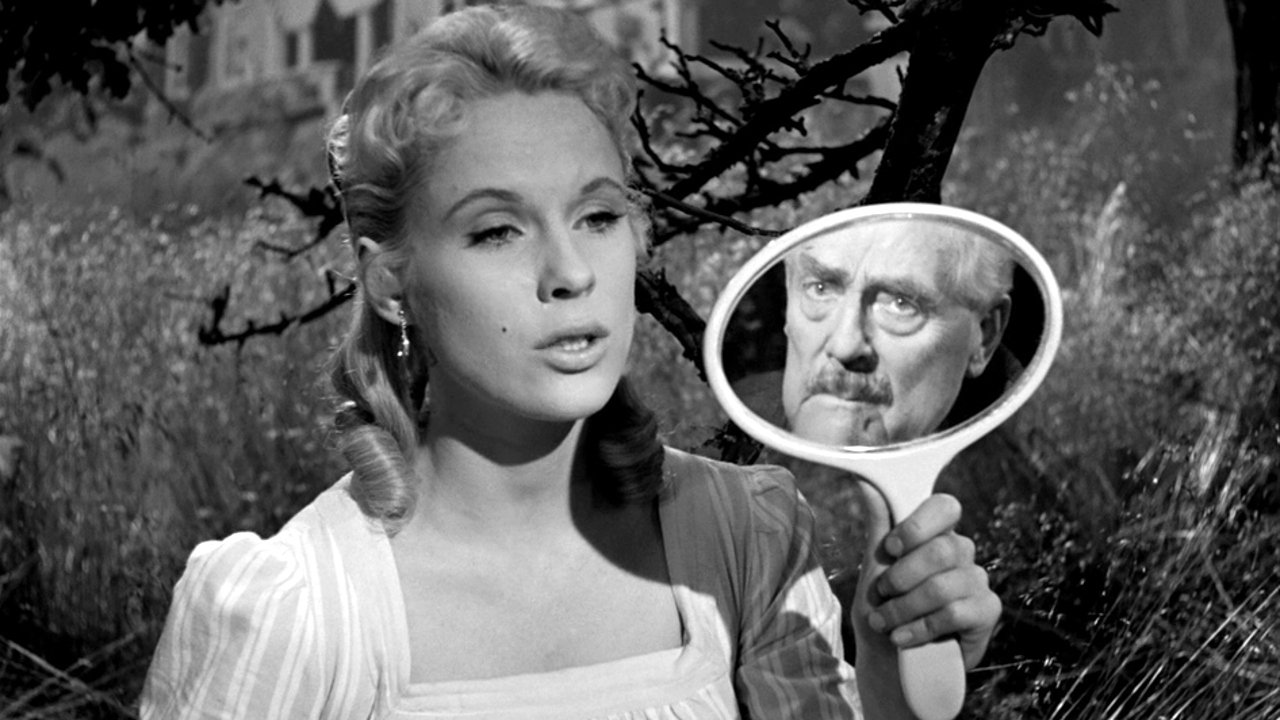
The "cerebral" reputation of this film usually comes from its dream sequences, which are some of the most haunting ever put to celluloid. The opening nightmare—a deserted street, a clock with no hands, a horse-drawn hearse that crashes and spills its cargo—is a masterpiece of surrealism. The film’s dream logic has more teeth than a dozen modern jump-scare fests. It’s not just "weird" for the sake of being artsy; it’s the visual language of a man who knows he’s running out of time.
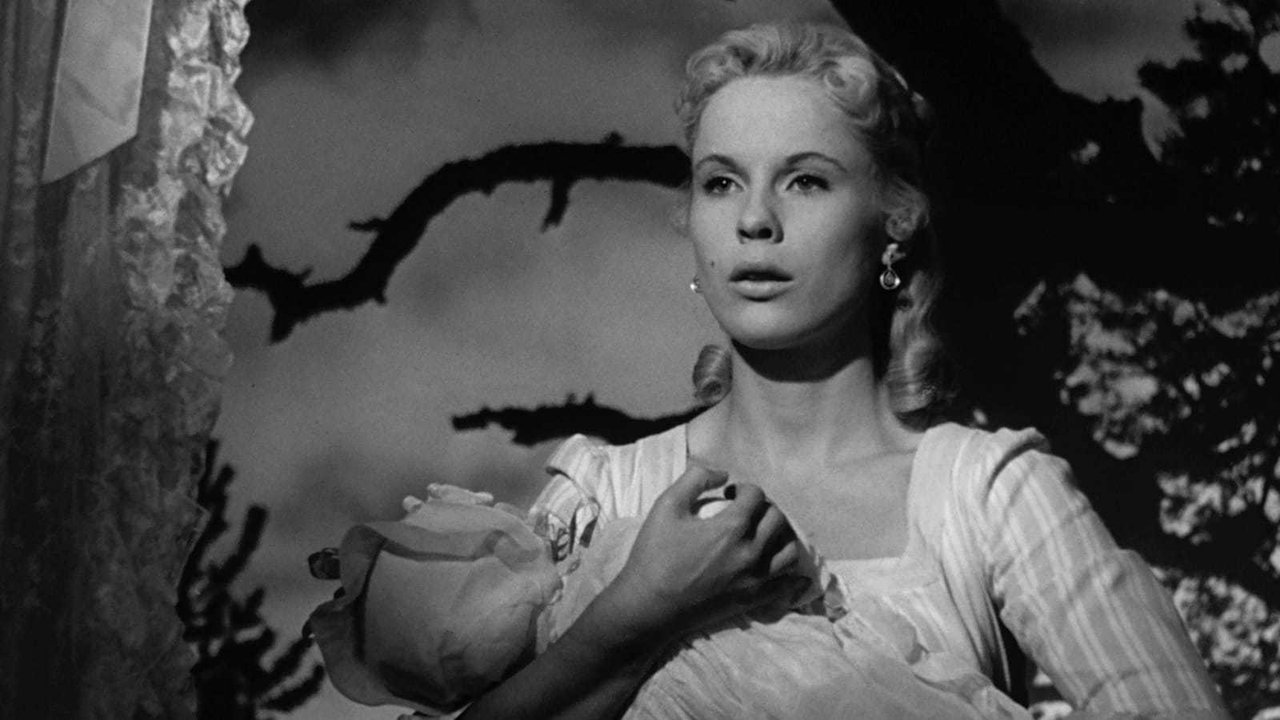
Along the road, they pick up a trio of hitchhikers, including the vivacious Sara, played by Bibi Andersson. Andersson pulls double duty here, also appearing in Isak’s nostalgic flashbacks as the cousin he loved and lost. This is where the film’s title comes from—the "wild strawberry patch" (smultronstället), a Swedish idiom for a place of sentimental beauty. Watching the elderly Isak stand in the background of his own memories, watching his youth slip away in high-contrast black and white, is genuinely heart-wrenching. Gunnar Fischer, the cinematographer, gives the Swedish summer a glow that feels both heavenly and hauntingly distant.
The Art House Breakout
While the US studio system was perfecting the "Genre Film," Bergman was helping to codify the "Art House" film. Wild Strawberries was a pivotal moment in cinema history because it proved that audiences were hungry for internal conflict. It’s a road movie where the destination doesn't matter nearly as much as the psychological terrain covered along the way. Interestingly, Bergman wrote the script while hospitalized with gastric ulcers and navigating the wreckage of multiple failed relationships. You can feel that raw, nervous energy under the surface of every scene.
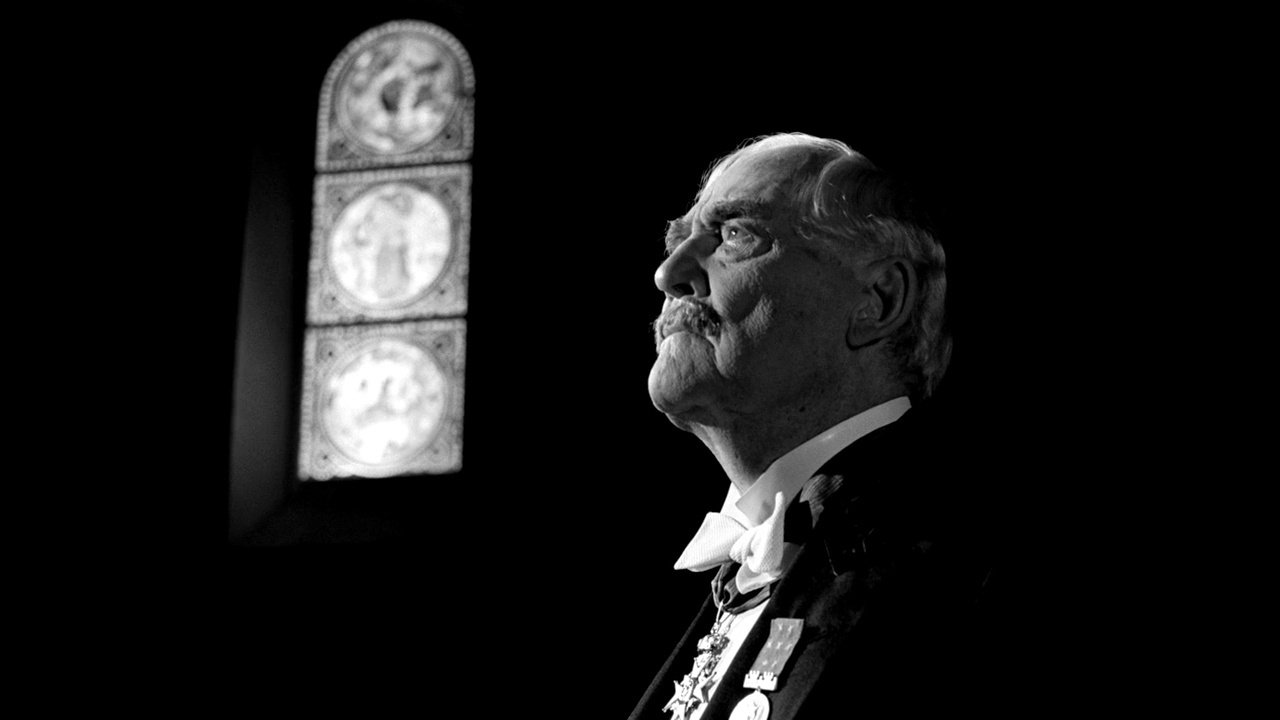
There’s a legendary bit of trivia that Victor Sjöström was quite difficult on set—he was 78, tired, and insisted on being home by 4:30 PM for a glass of whisky. Bergman later admitted that Sjöström's irritability actually helped the character; that prickly, "get off my lawn" energy Isak radiates was partly just a legendary actor wanting his drink and a nap. It’s those little human frictions that make the performance feel so authentic.
The film tackles heavy themes—isolation, the weight of the past, the fear of death—but it never feels like a lecture. It feels like a conversation. It asks us if it’s ever too late to change, or if we’re just destined to repeat the coldness of our parents. It’s a movie that makes you want to call someone you haven’t spoken to in a while, just to make sure you haven't turned into a Borg yourself.
This isn't a "stuffy classic" to be watched out of obligation. It’s a vibrant, occasionally terrifying, and ultimately deeply moving exploration of what it means to grow old. By the time Isak reaches the end of his journey, you feel like you’ve aged twenty years with him, but in the best way possible. It’s a landmark of the 1950s that reminds us that the most interesting landscapes aren't in far-off lands, but inside our own heads. If you’ve ever looked at an old photo and felt a pang of "what if," this movie is for you.
Keep Exploring...
-
The Seventh Seal
1957
-
Persona
1966
-

Ikiru
1952
-
Tokyo Story
1953
-
La Strada
1954
-
Sabrina
1954
-
Rebel Without a Cause
1955
-

Throne of Blood
1957
-
Hiroshima Mon Amour
1959
-
The Grapes of Wrath
1940
-

Laura
1944
-
The Treasure of the Sierra Madre
1948
-

All About Eve
1950
-
High Noon
1952
-
Seven Samurai
1954
-

The Ten Commandments
1956
-
12 Angry Men
1957
-

Ben-Hur
1959
-
The 400 Blows
1959
-
The Wages of Fear
1953