Witness for the Prosecution
"Justice is blind, but the witnesses are watching."
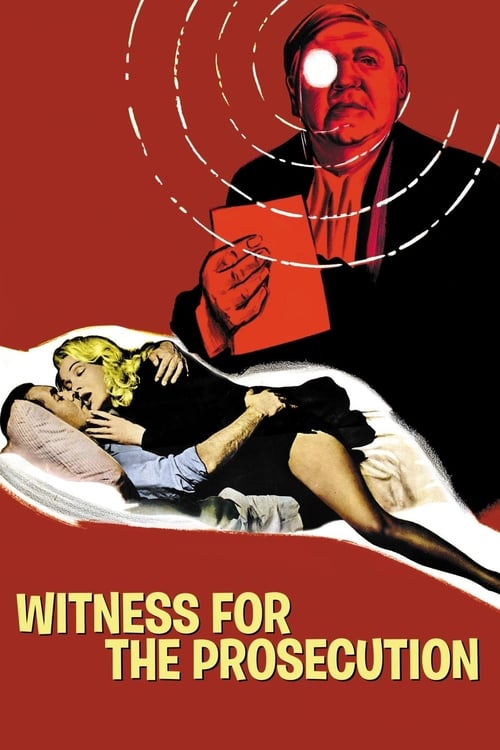
I watched this on a rainy Tuesday with a bowl of overly salted popcorn that made me feel as parched as Sir Wilfrid Robarts must have felt while his nurse was confiscating his contraband brandy. There is something about a black-and-white courtroom drama that demands a specific kind of attention—the kind where you forget to check your phone because you’re too busy trying to figure out if the person on screen is lying to your face.
Directed by Billy Wilder, Witness for the Prosecution (1957) isn’t just a "lawyer movie." It’s a masterstroke of tension that feels like a high-wire act performed in a wig and gown. While most 1950s productions were leaning into the safety of Technicolor spectacles to fight off the rising threat of television, Wilder doubled down on shadows, sharp dialogue, and a plot so coiled it practically rattles.
The Old Lion in the Courtroom
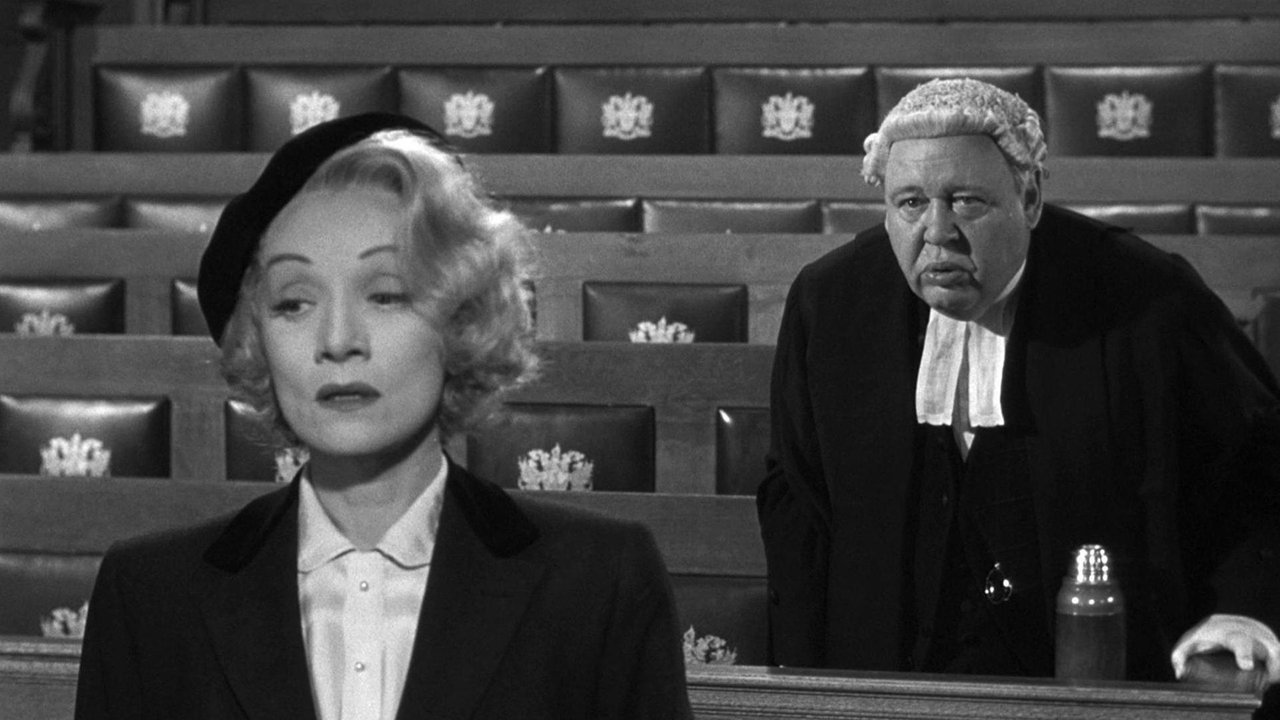
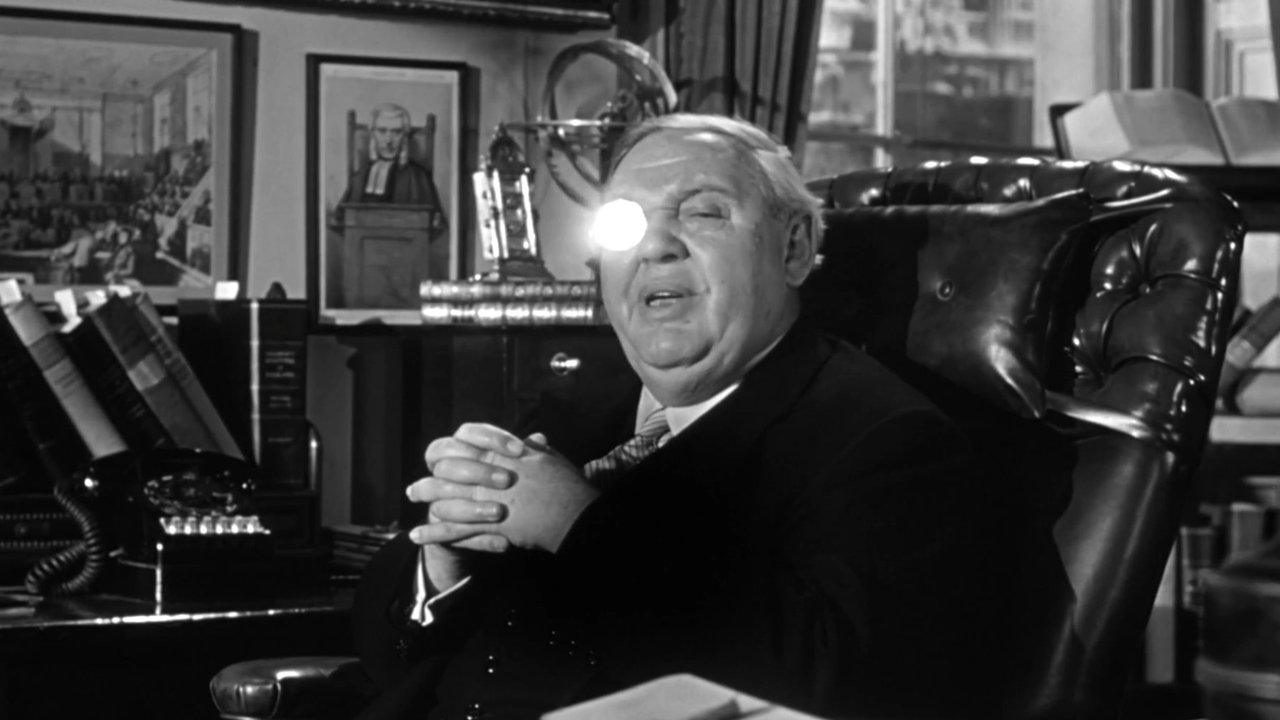
The heart of the film beats inside the chest of Charles Laughton. Playing Sir Wilfrid Robarts, a brilliant but ailing barrister who’s been told by his doctors to "retire" from criminal cases, Laughton is a force of nature. He carries the movie with a mix of huffing indignation and razor-sharp intellect. I’ve always found that the best dramas aren’t the ones where people scream, but the ones where people think. Watching Sir Wilfrid use his monocle to reflect light into a witness's eyes is more thrilling than most modern car chases.
Laughton’s real-life wife, Elsa Lanchester, plays his fussing nurse, Miss Plimsoll. Their chemistry is pure gold; it provides the much-needed "human" friction that keeps the film from becoming too cold or clinical. They represent the "Golden Age" at its most polished—two veteran actors who could communicate more with a shared glance than a ten-page monologue. Lanchester was a treasure, and seeing her try to force-feed a grumpy Laughton a glass of cocoa is a highlight that feels incredibly earned.
Dietrich, Shadows, and the Art of Deception
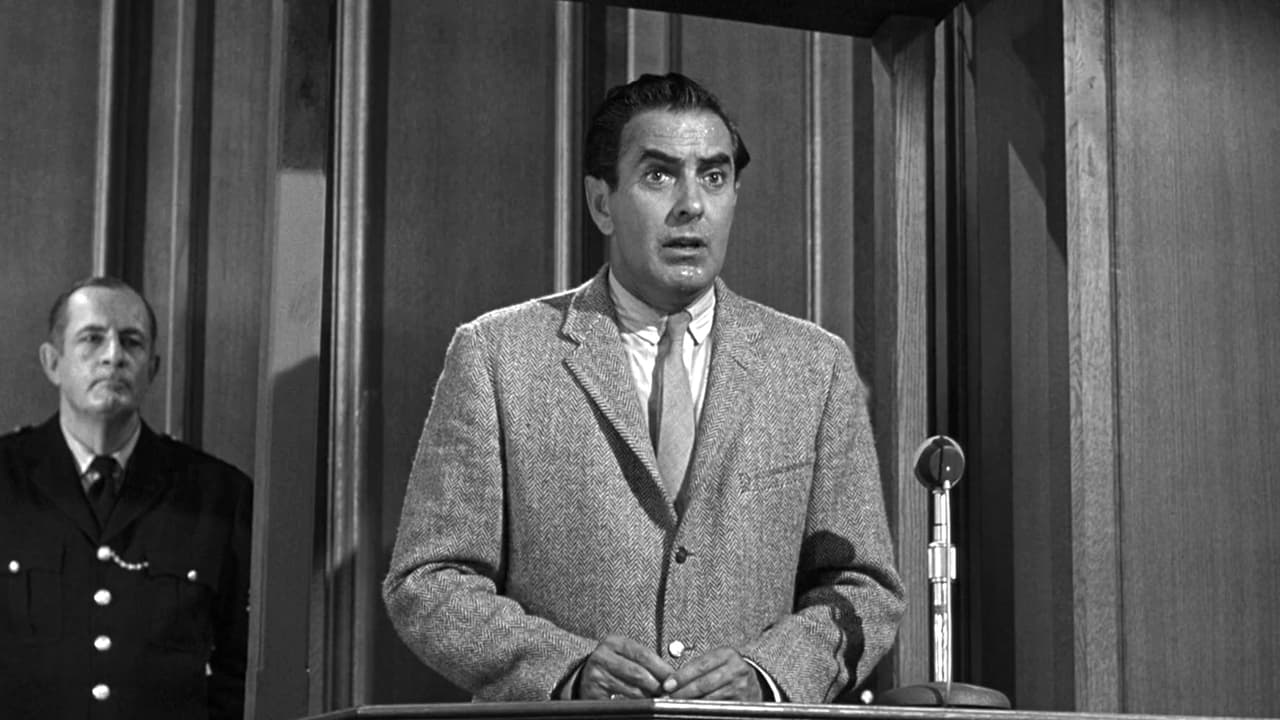
Then there is Leonard Vole, played by Tyrone Power. Vole is a man accused of murdering a wealthy socialite, and he looks the part of the "charming innocent" almost too well. Power was a massive star, known for swashbuckling roles in films like The Mark of Zorro, but here he plays a different kind of hero—one who might actually be a monster. Tyrone Power’s boyish charm is weaponized here in a way that feels borderline illegal.
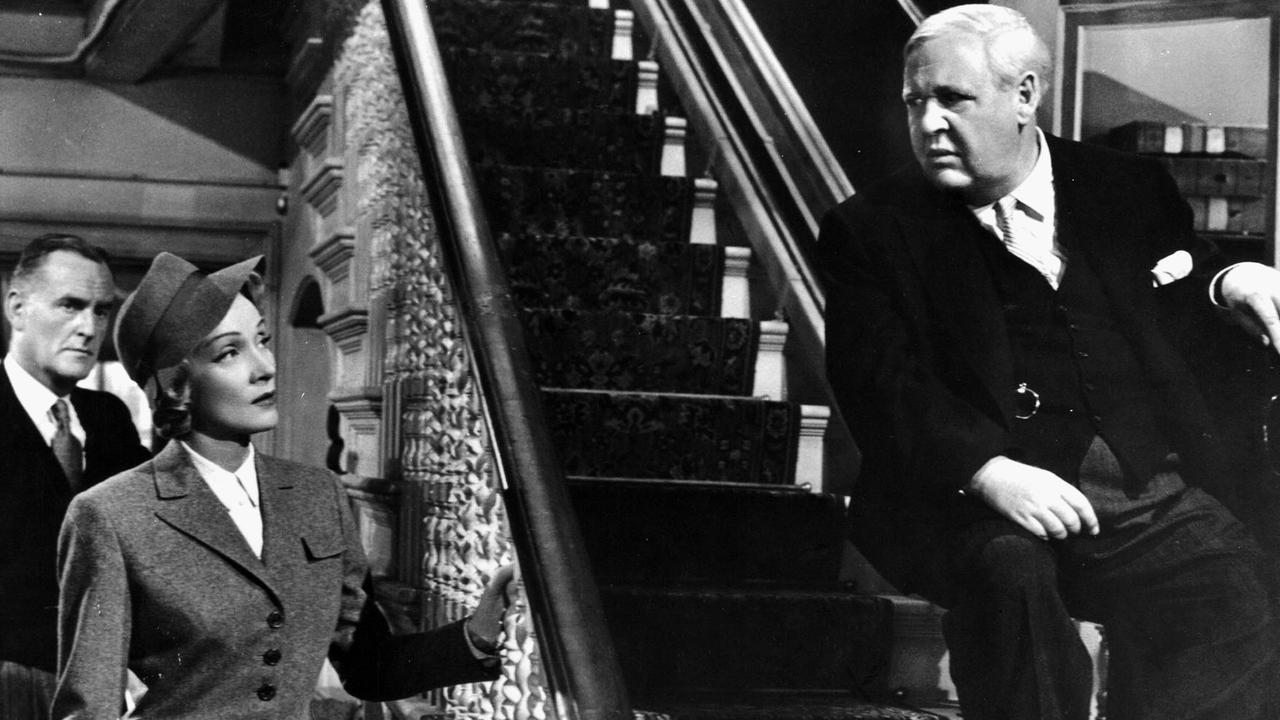
But the film truly belongs to Marlene Dietrich as Christine, Vole’s wife. In an era where female characters were often relegated to "the supportive spouse" or "the victim," Dietrich arrives like a thunderstorm. She is cold, calculating, and utterly mesmerizing. This was a "prestige independent" production in spirit; produced by Edward Small and distributed through United Artists, it lacked the sanitized "committee" feel of the major MGM or Paramount studio-system churn. You can feel Wilder’s fingerprints on her character—she’s a classic noir archetype transplanted into a British courtroom, and Dietrich plays her with a haunting, Teutonic precision.
The Mechanics of the Perfect Twist
The film’s intensity comes from its structure. Based on an Agatha Christie play, the script (co-written by Wilder and Harry Kurnitz) is a lesson in how to reveal information. It respects the reader’s intelligence by letting us sit in the jury box. We see the same evidence the court does, yet we are constantly led astray by our own biases. Wilder was a director who understood that the darkest parts of humanity aren't found in dark alleys, but in the lies we tell to protect ourselves.
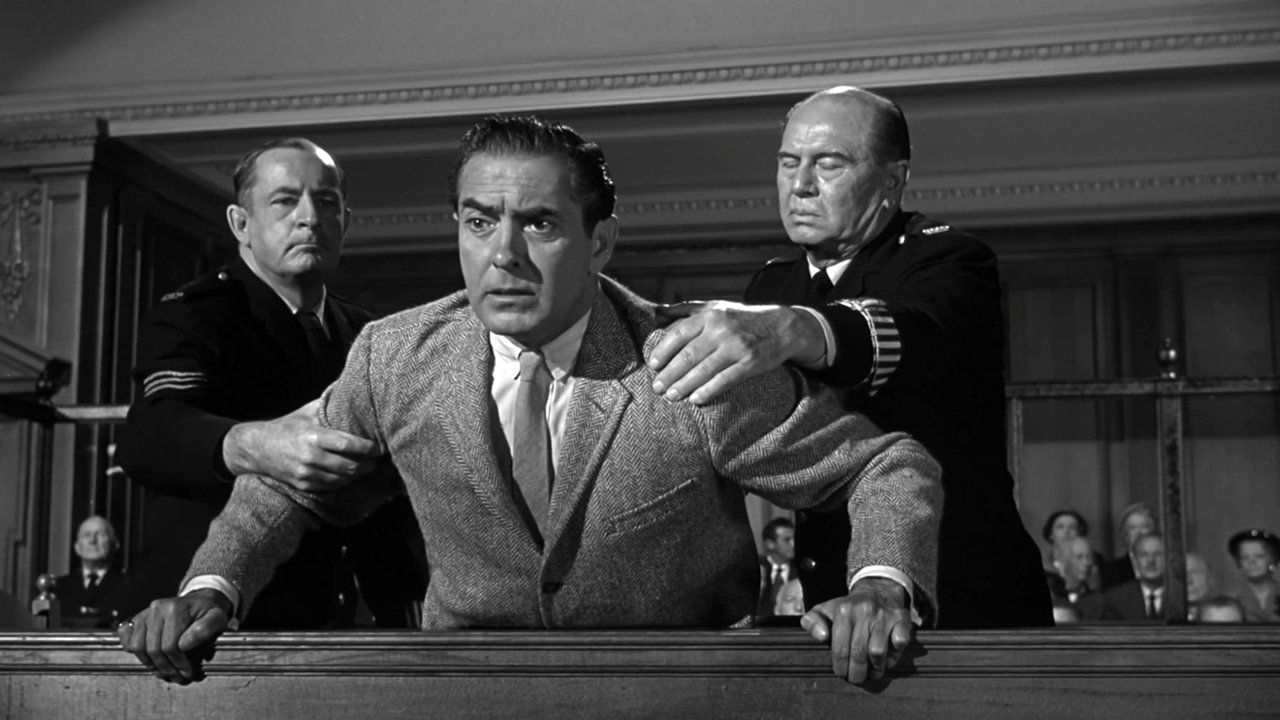
The production was famously secretive. At the end of the original theatrical run, a voice-over would play during the credits asking the audience not to reveal the ending to their friends. That kind of marketing was brilliant for 1957, turning a movie into an event. It highlights the "Passion Project" nature of the film; Wilder wasn't just making a product; he was playing a game with the audience. The budget was $3 million—not cheap for the time—but every penny went into the craftsmanship of that Old Bailey courtroom set and the incredible cinematography by Russell Harlan (who also shot the stunning To Kill a Mockingbird).
The "Dark/Intense" treatment here is deserved. As the trial progresses, the stakes move beyond simple guilt or innocence. It becomes a study of manipulation. Is justice possible when everyone in the room has a motive to lie? The film doesn't offer the easy, comforting "Hollywood" answers common to the 1950s. It’s cynical, gritty, and deeply atmospheric.
Witness for the Prosecution is one of those rare films that actually justifies its reputation. It manages to be both a crackling entertainment and a deeply cynical look at the legal system. It captures the transition of the 1950s perfectly—clinging to the glamour of its stars while embracing the darker, more complex storytelling that would define the decades to follow. If you haven’t seen it, find the quietest room in your house, turn off the lights, and let Billy Wilder lie to you for two hours. You’ll thank him for it by the time the credits roll.
Keep Exploring...
-

Some Like It Hot
1959
-
Anatomy of a Murder
1959
-

Rashomon
1950
-
Double Indemnity
1944
-
Sabrina
1954
-

On the Waterfront
1954
-
The Night of the Hunter
1955
-
Rope
1948
-
Sunset Boulevard
1950
-
Touch of Evil
1958
-
In the Heat of the Night
1967
-

The Conversation
1974
-
The Apartment
1960
-
Rear Window
1954
-
The Killing
1956
-
The Maltese Falcon
1941
-
The Big Sleep
1946
-
The Bridge on the River Kwai
1957
-
Dial M for Murder
1954
-
To Catch a Thief
1955