Touch of Evil
"The sweat, the shadows, and the smell of corruption."
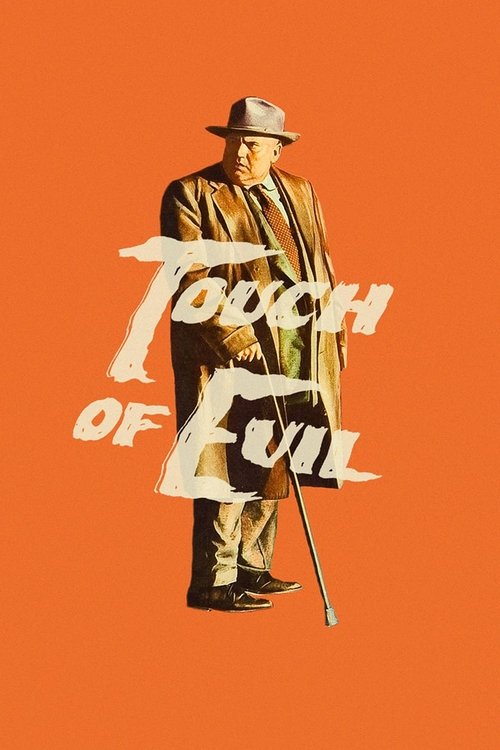
I once watched this film on a tiny laptop screen while sitting in a drafty airport terminal, and even then, I felt like I needed to take a shower the moment the credits rolled. There is a tactile, greasy layer of grime over every frame of Touch of Evil that no modern digital cleanup can—or should—ever wash away. It’s the kind of movie that makes you smell the cheap cigars and the stagnant border-town air, a sensory overload that reminds me why Orson Welles was the most dangerous man in Hollywood.
A Masterclass in Borderline Chaos
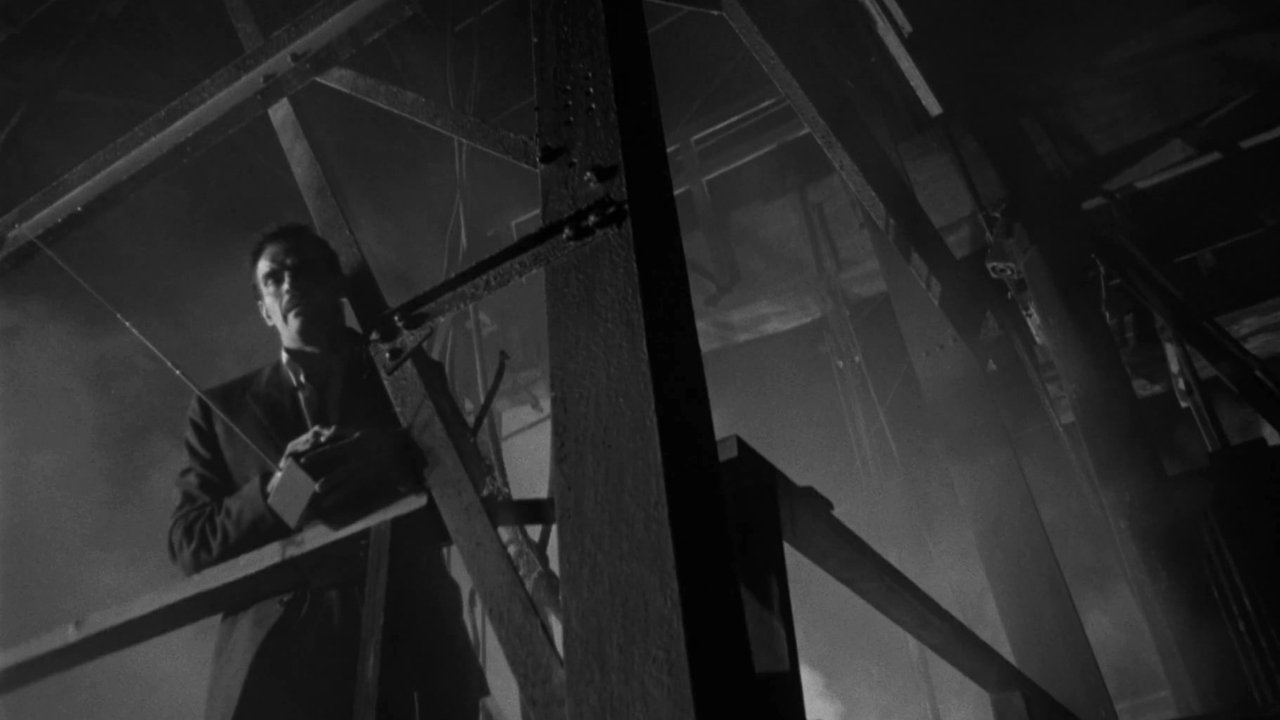
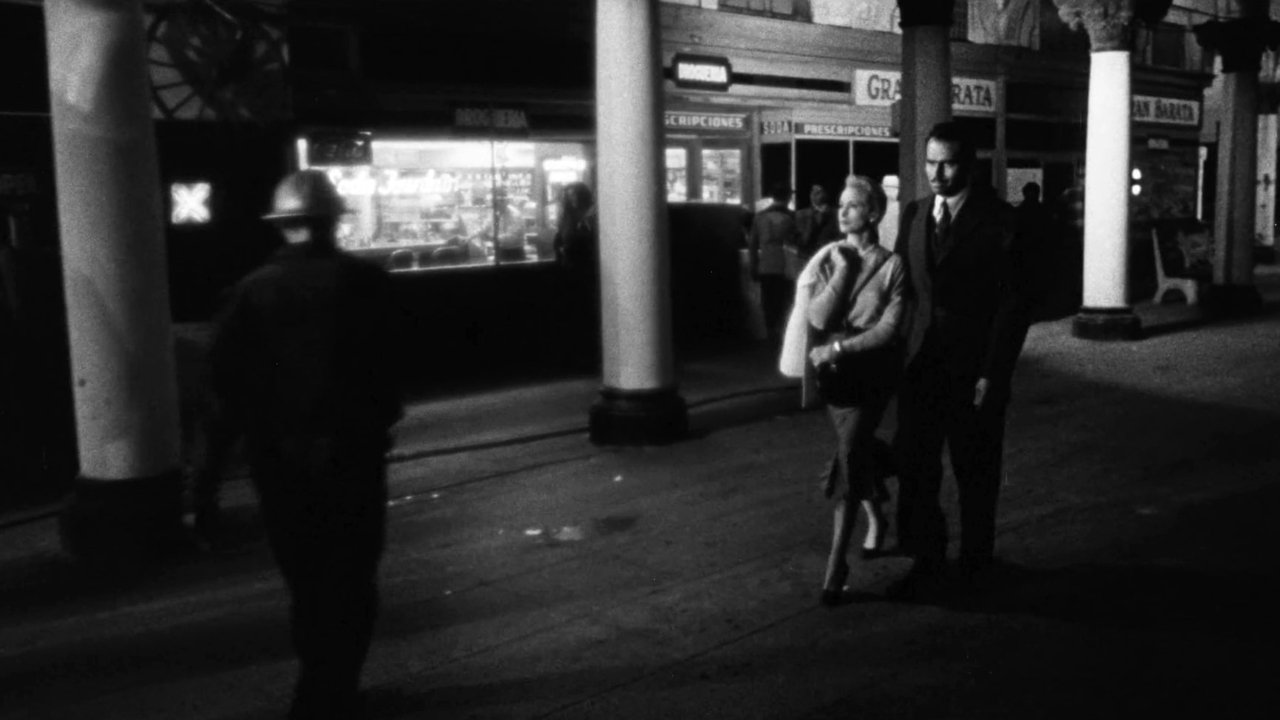
The film opens with what is arguably the most famous single shot in cinema history: a ticking bomb placed in a trunk, followed by a three-and-a-half-minute unbroken crane shot that tracks a car and our protagonists across the U.S./Mexico border. It’s a bravura piece of filmmaking, but what I love most is how it establishes the stakes. You aren't just watching a thriller; you’re trapped in a clockwork mechanism of impending doom.
When the explosion finally happens, it brings together two polar opposites: Miguel Vargas, played by Charlton Heston, and Police Captain Hank Quinlan, played by Orson Welles himself. Charlton Heston playing a Mexican drug agent is the most '50s Hollywood decision imaginable, and while the "brownface" makeup is a jarring relic of the era's casting limitations, Heston plays the role with a rigid, moral steel that provides the necessary foil to Welles’ moral rot.
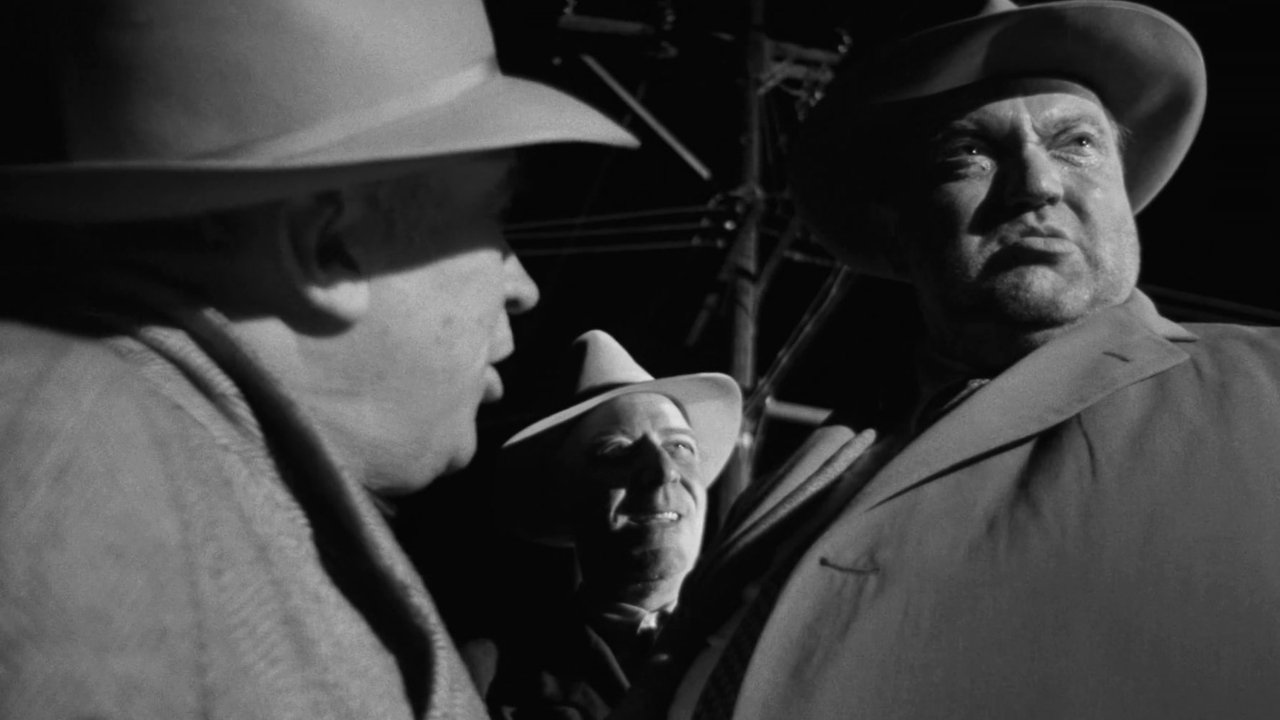
Welles, meanwhile, is a force of nature. He looks like a mountain of melting wax, a man who has traded his soul for "intuition" and a legendary reputation. He doesn't just walk into a scene; he occupies it, breathing heavily and leaning against doorframes like he’s trying to crush the very architecture of the movie.
The Heart Beneath the Grime
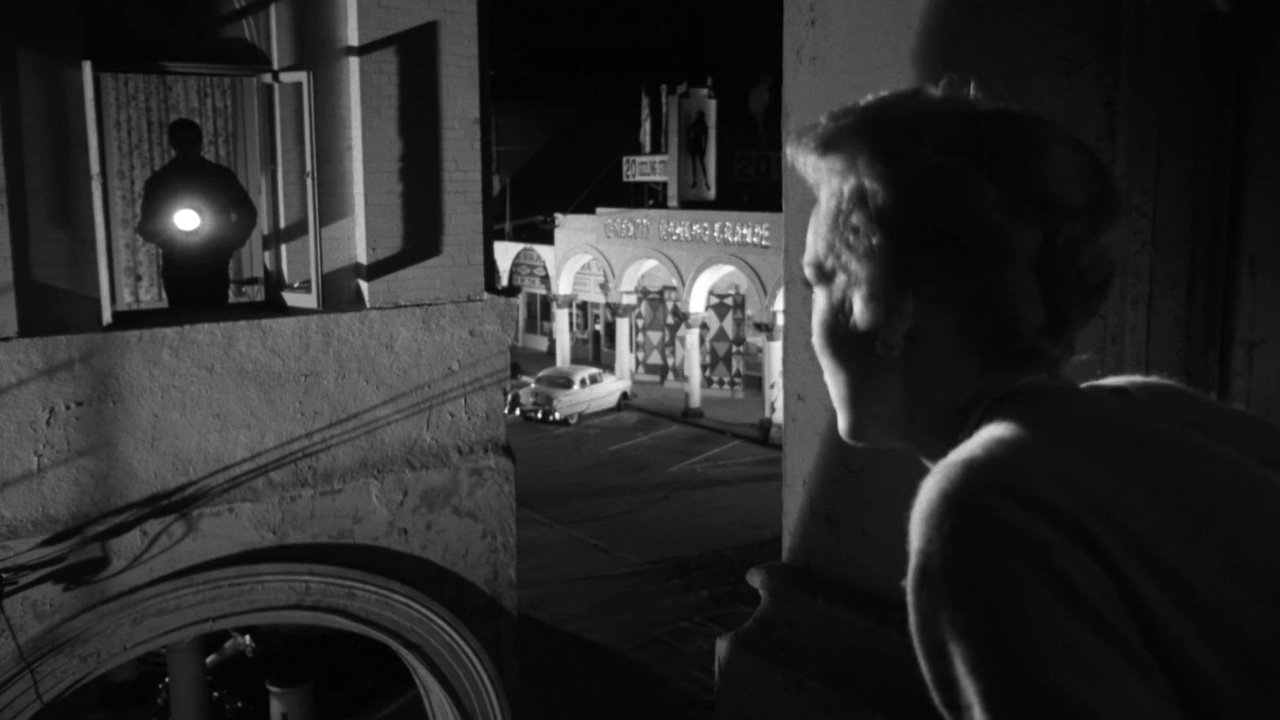
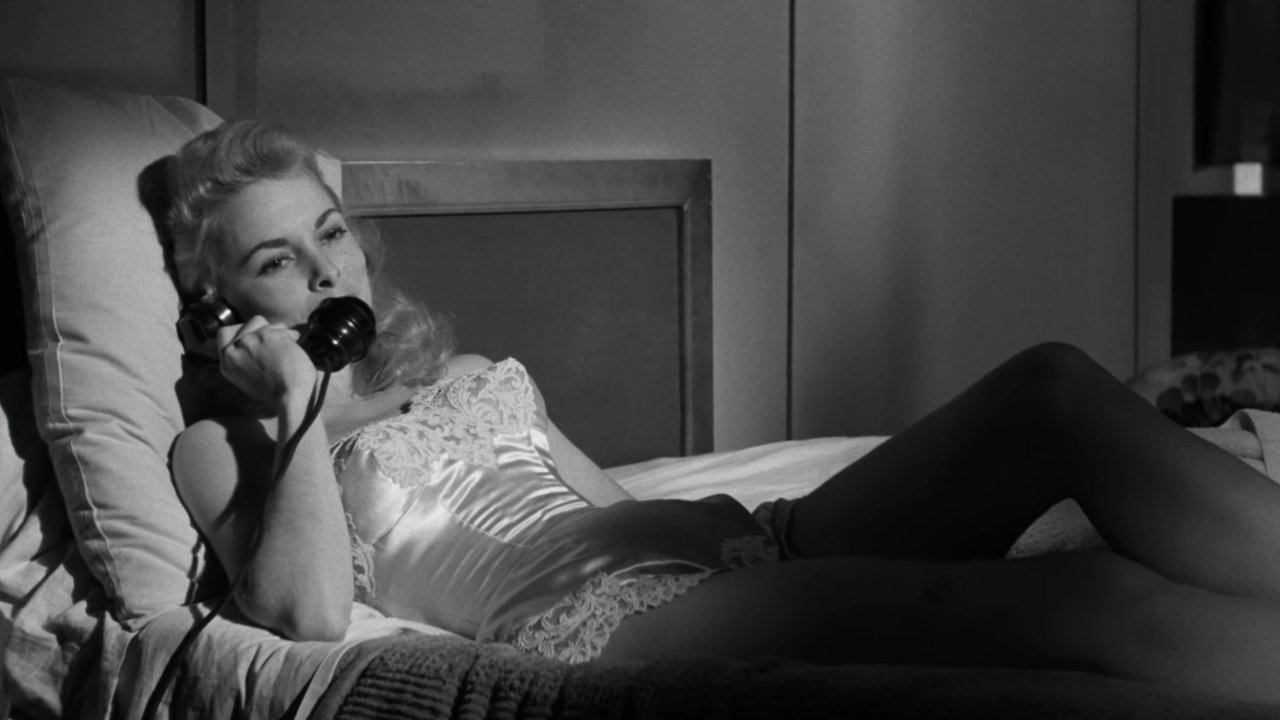
While the plot involves a complex frame-up and a kidnapping subplot involving Janet Leigh as Susie Vargas, the real drama is the heartbreaking relationship between Quinlan and his loyal partner, Pete Menzies, played with incredible pathos by Joseph Calleia. It’s rare for a hard-boiled noir to have a soul, but Joseph Calleia provides one. His slow realization that his idol is a corrupt monster is the emotional anchor that keeps the movie from drifting into pure cynicism.
I was eating a bowl of cold cereal while watching the climax this time around, and the sound of my own crunching felt like a betrayal of the heavy, tragic silence that settles over the finale. It’s a film that demands your breath. The way Russell Metty’s cinematography uses shadows isn't just "cool lighting"—it’s a visual representation of the characters being swallowed by their own choices. The film was shot mostly at night in Venice, California (doubling for a border town), and the result is a labyrinthine, nightmare version of reality that feels miles away from the polished studio sets of the time.
The Masterpiece That Almost Wasn't
The story behind Touch of Evil is a classic "Old Hollywood" tragedy. Universal didn't understand what Welles was doing. They took the film away from him, re-edited it, and dumped it as the bottom half of a double feature. It sat in the "forgotten" bin for decades, a discarded B-movie that only lived on in the hearts of film nerds who knew there was something more beneath the surface.
It wasn't until the 1990s that a 58-page memo Welles had written to the studio was discovered, detailing exactly how the film should be cut and scored. The "Restored" version we have now is a miracle of cinematic archaeology. It removed the intrusive opening credits and Henry Mancini’s brassy (though excellent) score from that first long take, replacing it with the ambient sounds of the street—footsteps, car engines, and distant radios. That change alone transforms the opening from a "movie moment" into a terrifying slice of reality.
Orson Welles essentially directed the world’s most expensive and beautiful episode of Cops on acid, and the studio was terrified of it. They wanted a standard thriller; Welles gave them a funeral for the entire Film Noir genre.
This is a film that rewards the patient and the brave. It’s dark, it’s sweaty, and it’s unapologetically cynical about the systems meant to protect us. If you’ve only ever seen Orson Welles as the young, vibrant Citizen Kane, you owe it to yourself to see him here—bloated, brilliant, and burning down the house on his way out. It’s a reminder that even in the rigid constraints of the 1950s studio system, a true artist could still smuggle a masterpiece onto the screen.
Keep Exploring...
-
The Night of the Hunter
1955
-
Rope
1948
-
Citizen Kane
1941
-
The Maltese Falcon
1941
-
Double Indemnity
1944
-
The Big Sleep
1946
-
A Streetcar Named Desire
1951
-
Strangers on a Train
1951
-
The Day the Earth Stood Still
1951
-
The Wages of Fear
1953
-
Dial M for Murder
1954
-

On the Waterfront
1954
-
The Killing
1956
-
Witness for the Prosecution
1957
-
Anatomy of a Murder
1959
-
Blood Simple
1985
-
Marathon Man
1976
-
Mississippi Burning
1988
-

Miller's Crossing
1990
-
Bound by Honor
1993