Vertigo
"Love is a long way down."
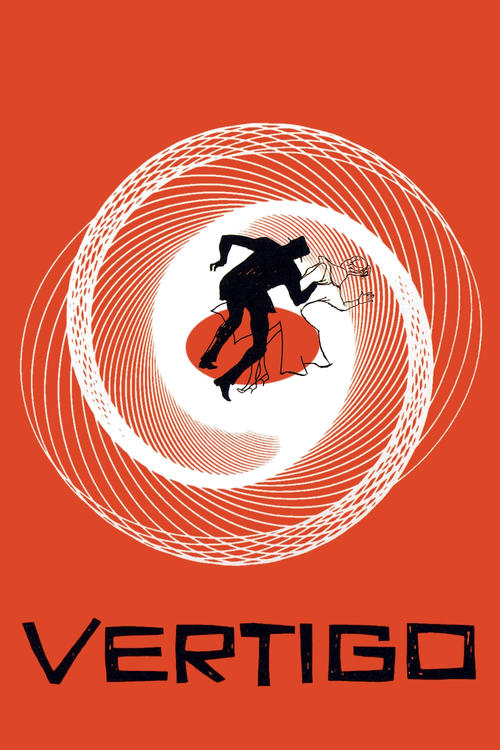
I remember the first time I sat through Vertigo. I was huddled in a drafty apartment in February, eating a slightly burnt grilled cheese sandwich, and by the time the credits rolled, I felt like the floor had tilted ten degrees to the left. It’s not a "fun" movie in the way a Cary Grant caper is fun. It’s a movie that crawls under your skin and refuses to leave, much like the fog that rolls through the San Francisco streets Alfred Hitchcock captured so hauntingly in 1958.
For years, this film was the "lost" masterpiece. It bombed upon release—critics thought it was too long, and audiences weren't ready to see America’s favorite Everyman, James Stewart, play a man who was, quite frankly, losing his mind. It was pulled from circulation for decades, only to be rediscovered in the 1980s. Now, it routinely knocks Citizen Kane off the "Best Film Ever" pedestals. But forget the rankings for a second. Vertigo is a dark, sweaty, and deeply uncomfortable look at what happens when a man falls in love with a ghost.
The Architect of a Nightmare
The setup feels like a standard noir: James Stewart is John "Scottie" Ferguson, a detective forced into early retirement after his acrophobia (that dizzying fear of heights) leads to a policeman's death. He’s hired by an old acquaintance, Tom Helmore, to shadow his wife, Madeleine (Kim Novak), who seems to be possessed by the spirit of a long-dead ancestor.
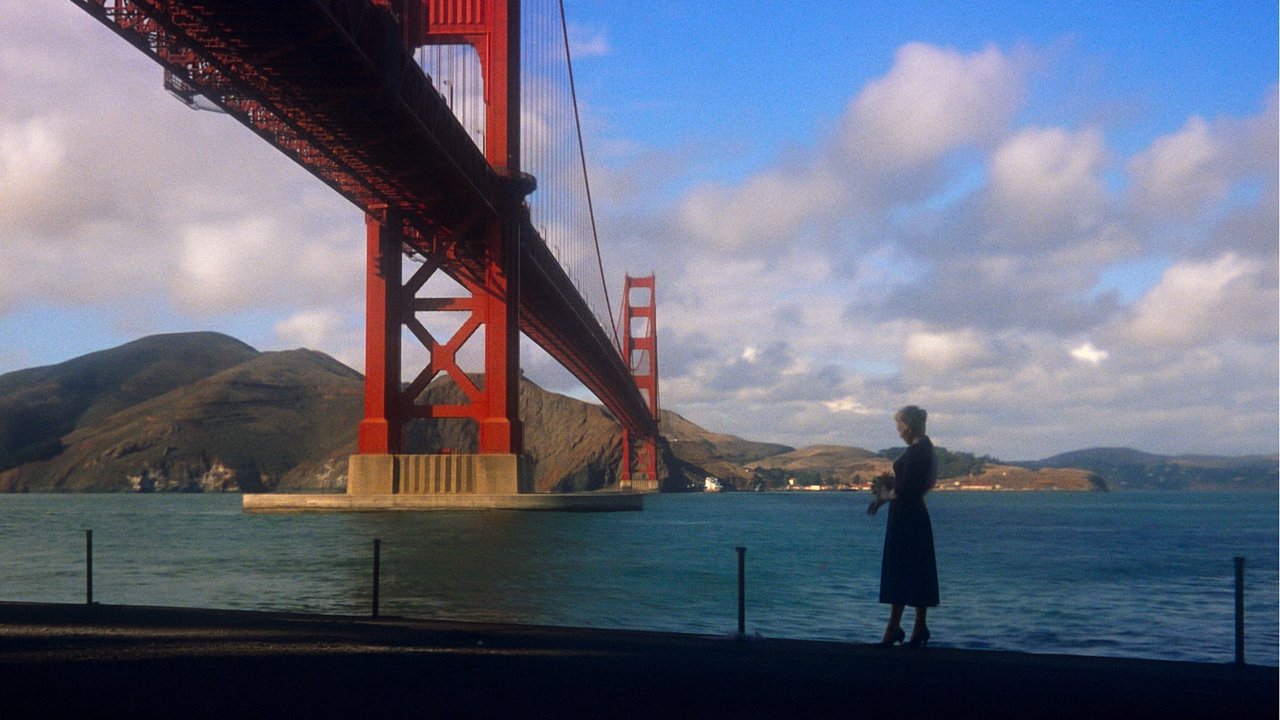
But Hitchcock isn't interested in a ghost story. He’s interested in the mechanics of obsession. As Scottie follows Madeleine through the sun-drenched, eerie locales of San Francisco—the Legion of Honor, the redwood forests, the Mission San Juan Bautista—the film shifts from a mystery into a fever dream. When the "tragedy" happens halfway through, the movie doesn't end. It restarts, becoming something much more sinister as Scottie meets a shopgirl named Judy (also Kim Novak) who looks suspiciously like the woman he lost.
Scottie Ferguson isn't a hero; he’s a man trying to necro-engineer a woman into his dead fantasy. Watching Stewart, who usually played the lovable guy next door, turn into a cold, controlling drill sergeant is genuinely chilling. He forces Judy to change her hair, her clothes, and her walk until she fits the mold of a woman who never truly existed. It’s a meta-commentary on the studio system itself—Hitchcock was famous for his "Hitchcock Blondes," and here he is, showing us the ugly, violent process of creating a screen icon.
Technicolor as a Weapon
Visually, Vertigo is the peak of Golden Age craftsmanship. Robert Burks, Hitchcock’s go-to cinematographer, uses Technicolor to create a world that feels hyper-real. The use of color is almost psychological; green neon light floods Judy’s hotel room like a spectral mist, signaling that the "ghost" of Madeleine has returned.
Then there’s the "Vertigo Effect." To capture Scottie’s dizziness, the crew invented a shot where the camera zooms in while the carriage pulls back. It’s a simple trick that cost about $19,000 to perfect—a fortune back then—but it creates a physical sensation of falling that still works better than any modern CGI. Combined with Bernard Herrmann’s spiraling, Wagnerian score, the film makes you feel as unstable as its protagonist. Herrmann’s music doesn't just support the scene; it’s the heartbeat of the movie, circling back on itself in a loop of romantic longing and dread.
Why It Became a Cult Obsession

It’s fascinating that a movie this dark came out of the rigid Paramount studio system. Hitchcock was at the height of his power, but Vertigo was a bridge too far for 1958 audiences. They wanted the charm of Rear Window, not a psychological autopsy. Hitchcock actually blamed James Stewart's age for the film’s failure, claiming he looked too old to be a romantic lead, which ended their legendary collaboration.
The film's journey to legendary status is a story of its own:
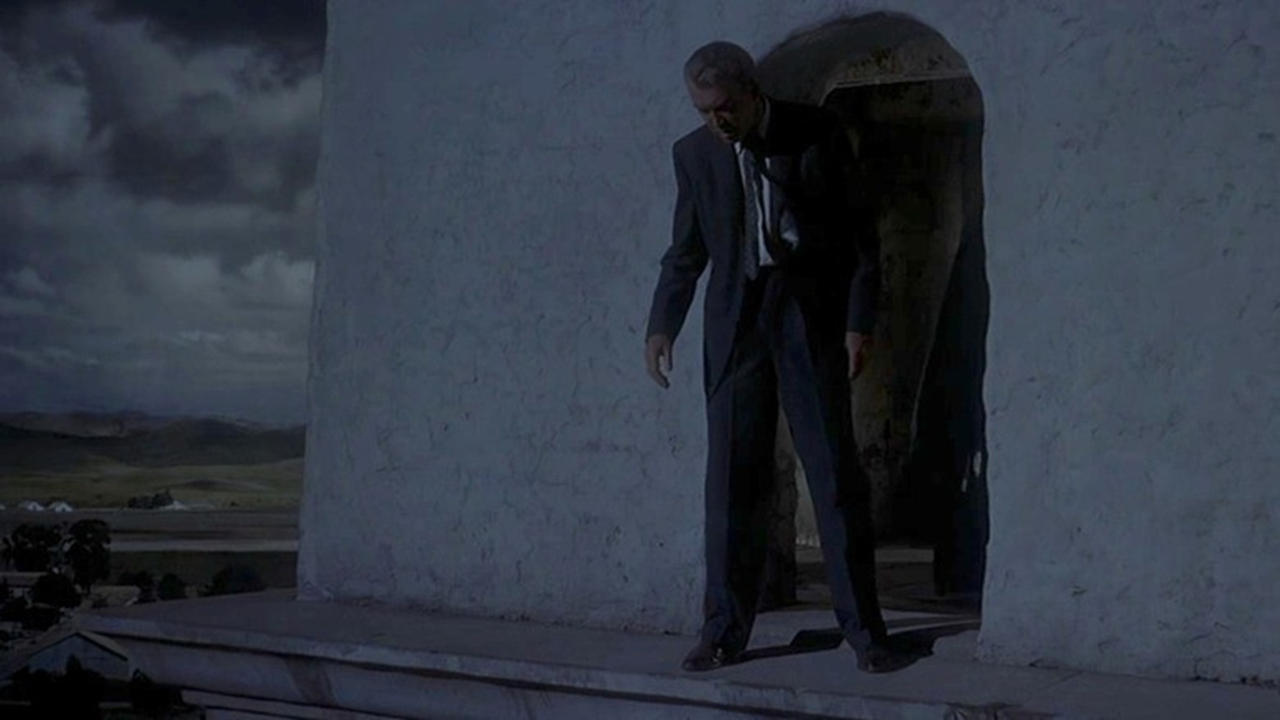
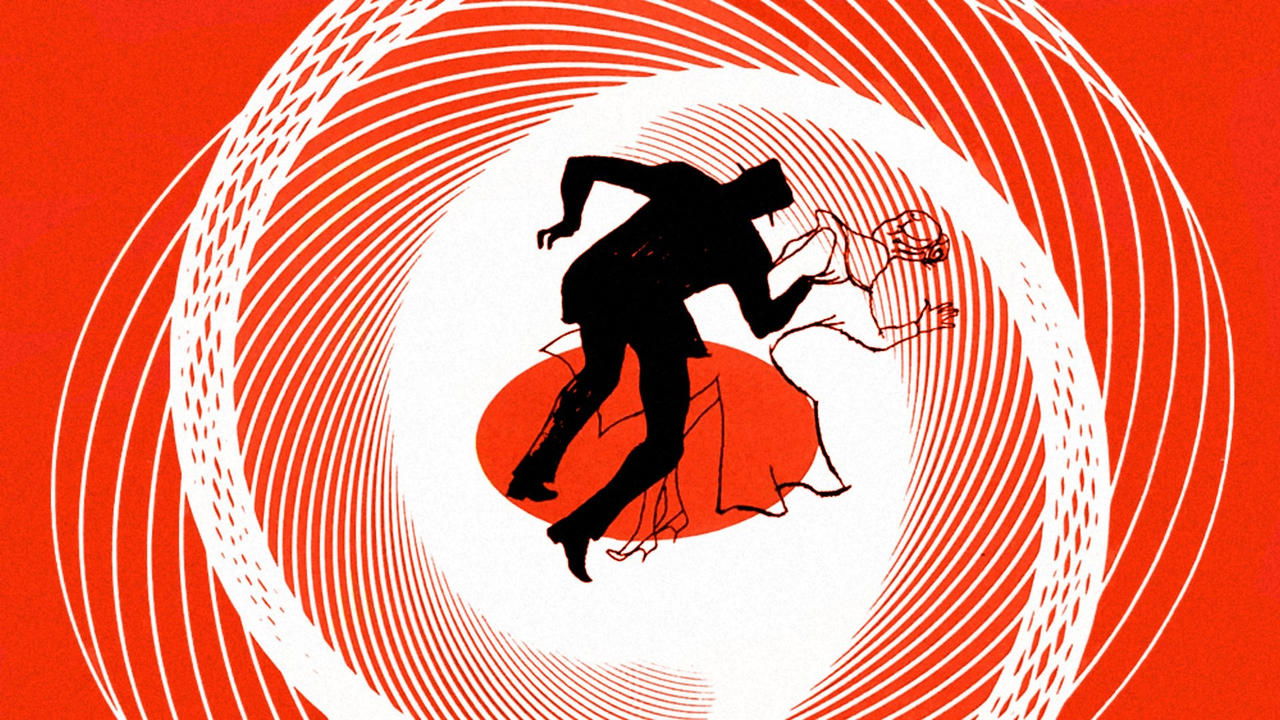
The Five Lost Hitchcocks: For nearly 30 years, Vertigo was one of five films Hitchcock bought back the rights to and kept in a vault as a legacy for his daughter. You literally couldn't see it unless you found a bootleg or an archive print. The Eyebrow War: Hitchcock famously obsessed over Kim Novak’s appearance, even dictating her eyebrows. Novak hated the gray suit she had to wear, complaining it was stiff and uncomfortable—but she eventually realized the discomfort helped her play the "trapped" Madeleine. The Mission San Juan Bautista: The famous bell tower in the film didn't actually exist; it was a matte painting added to the real mission because Hitchcock wanted more height for the climax. The Alternate Ending: Because of the strict Production Code of the era, some foreign markets were sent an alternate ending where Scottie sits with Barbara Bel Geddes and hears a radio report that the villain was caught, just to ensure "justice was served." Thank goodness that didn't stick. * The Saul Bass Titles: This was the first film to use computer-generated imagery (mechanical, via a converted WWII anti-aircraft computer) to create those hypnotic spiral patterns in the opening credits.
Vertigo is a masterpiece because it refuses to play fair. It gives you a mystery, then solves it midway through just so it can spend the rest of the time digging into the rot of the human heart. It’s a film about the danger of looking back and the tragedy of trying to fix a past that was a lie to begin with. If you haven't seen it, watch it with the lights down and your phone off. It’s the kind of cinema that doesn't just pass the time—it haunts it.

Keep Exploring...
-
To Catch a Thief
1955
-
Rear Window
1954
-
The Man Who Knew Too Much
1956
-

Rebecca
1940
-
Spellbound
1945
-
Notorious
1946
-
Suspicion
1941
-
Dial M for Murder
1954
-
Rope
1948
-
Shadow of a Doubt
1943
-
North by Northwest
1959
-
Psycho
1960
-
Strangers on a Train
1951
-
Marnie
1964
-
The Maltese Falcon
1941
-
Anatomy of a Murder
1959
-
The Third Man
1949
-
Gattaca
1997
-
The Big Sleep
1946
-
The 39 Steps
1935