Anatomy of a Murder
"The truth is a legal technicality."
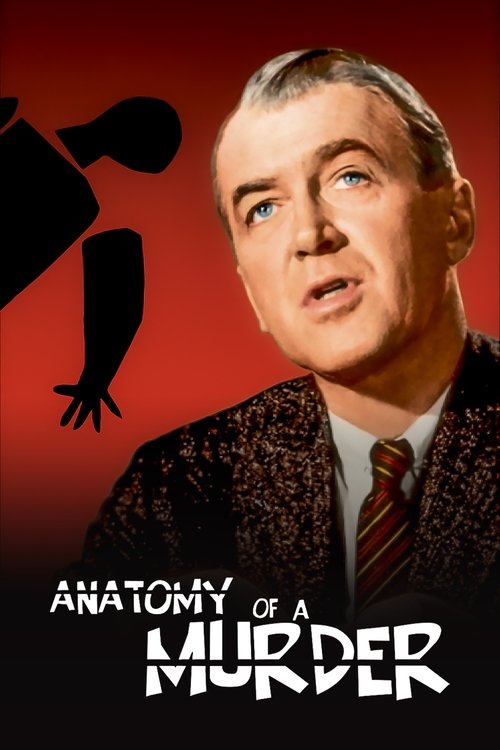
The 1950s usually conjure images of white picket fences and Doris Day, but Otto Preminger was busy dragging a camera through the mud of Upper Michigan to talk about things that were supposed to be unspeakable. When Anatomy of a Murder hit screens in 1959, it didn’t just push the boundaries of the Hays Code; it drove a tank through them. This wasn’t the sanitized, heroic lawyering of Perry Mason. This was clinical, messy, and deeply cynical. It was a film that dared to use the word "contraceptive" and "sperm" in a darkened theater, causing the kind of clutching of pearls that would have powered a small city’s electrical grid.
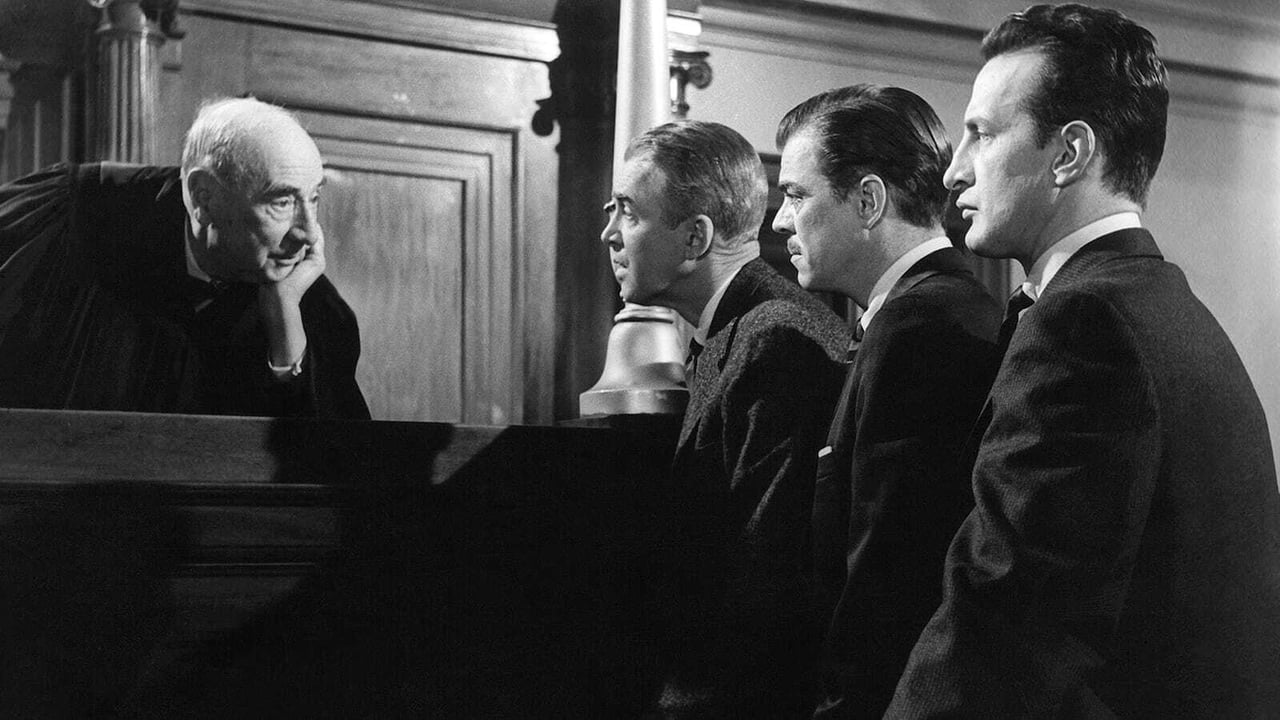
I watched this on a rainy Tuesday while nursing a lukewarm ginger ale that had lost its fizz hours ago, and somehow the flat sugar-water matched the movie’s clinical, un-glamorized Michigan chill perfectly. There’s something about the way Preminger captures the Upper Peninsula—gray, sprawling, and indifferent—that makes the courtroom feel like a pressure cooker buried in a snowbank.
A Hero With Sharp Teeth
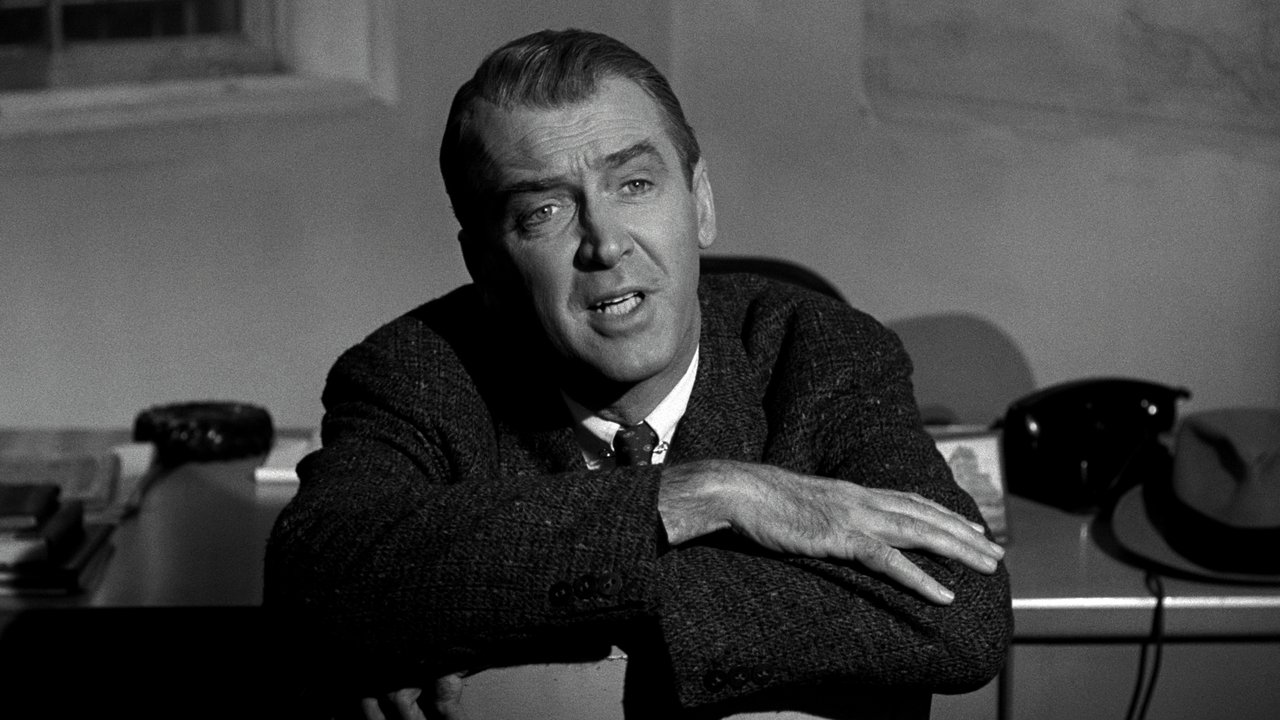
We’re used to James Stewart being the moral compass of the American soul. Whether he’s fighting a populist crusade in Mr. Smith Goes to Washington or losing his mind in Vertigo, there’s a fundamental decency we expect from him. In Anatomy of a Murder, that decency has a jagged edge. His Paul "Pauly" Biegler is a semi-retired prosecutor who spends more time playing jazz piano and fishing than looking for clients. He’s not a crusader; he’s a man who understands that the law is less about justice and more about who tells the best story.
When he takes the case of Lt. Manion, played with a terrifying, coiled-spring volatility by Ben Gazzara, Biegler knows he’s dealing with a man who definitely shot a guy. The question isn't "did he do it?" but "how do we make the jury let him go anyway?" Gazzara is brilliant here—he’s unlikable, arrogant, and potentially abusive. He’s the kind of client who makes you want to wash your hands after shaking them.
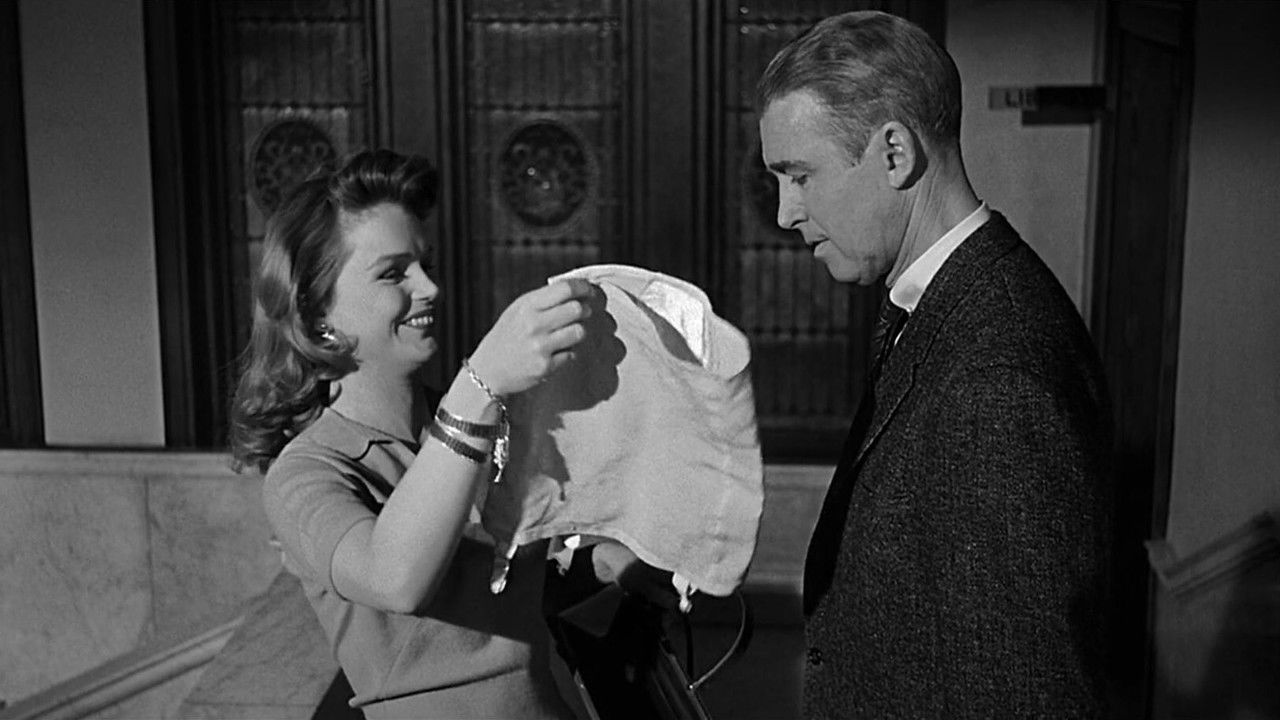
Then there’s Lee Remick as Laura Manion. She’s the "damsel" who isn't really in distress, wearing tight sweaters and a flirtatious smirk that sets the town’s tongues wagging. She’s the catalyst for the murder, the victim of a brutal assault, and a woman who refuses to play the "grieving wife" role the court demands. Remick plays the character like a live wire—dangerous to touch but impossible to look away from.
The Chessboard of the Courtroom
Once we hit the courtroom, the movie transforms into a high-stakes chess match. The arrival of George C. Scott as the big-city prosecutor Claude Dancer is like watching a shark enter a goldfish pond. Scott is all sharp angles and predatory stillness. His back-and-forth with James Stewart is some of the finest dialogue ever committed to film. They aren't just arguing law; they are performing surgery on each other’s egos.
I’ve always found it fascinating that Preminger cast Joseph N. Welch as the judge. For those who don't spend their weekends reading about the Red Scare, Welch was the real-life lawyer who famously asked Senator Joseph McCarthy, "Have you no sense of decency, sir?" Having him preside over this fictional trial adds a layer of weary, authentic authority that a professional actor might have over-seasoned. He lets the lawyers bark and bite, acting as the only adult in a room full of brilliant children.
What makes the film truly "indie" in spirit—despite its Columbia Pictures pedigree—is how it was made. Preminger was a notorious rebel who bucked the studio system at every turn. He shot the entire thing on location in Ishpeming, Michigan, the site of the actual murder that inspired the novel. This wasn't some backlot set; the actors were living in the town, breathing the same air as the people the story was based on. You can feel that groundedness in every frame. The sets look lived-in and slightly dusty, like they haven’t been cleaned since the Truman administration.
The Sound of Moral Ambiguity
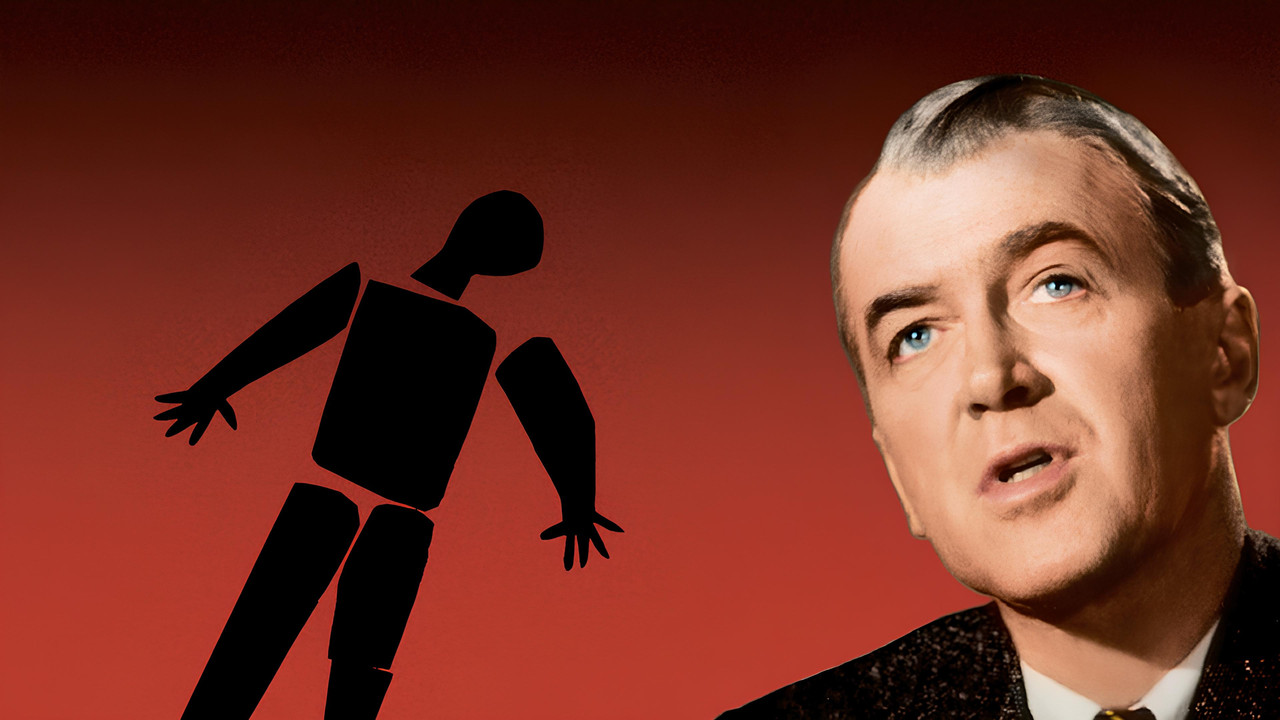
You can’t talk about this movie without talking about Duke Ellington. His score is a character in its own right—a slinky, jazzy, unapologetically modern soundscape that feels completely at odds with the stuffy courtroom setting. It reminds you that while these men are wearing suits and talking about "irresistible impulses," the world outside is moving to a different, more primal beat. Ellington even shows up for a cameo at a roadhouse, playing "Pie Eye's Blues" with James Stewart, and it's one of those rare moments where the "Golden Age" glamour feels genuinely cool rather than staged.
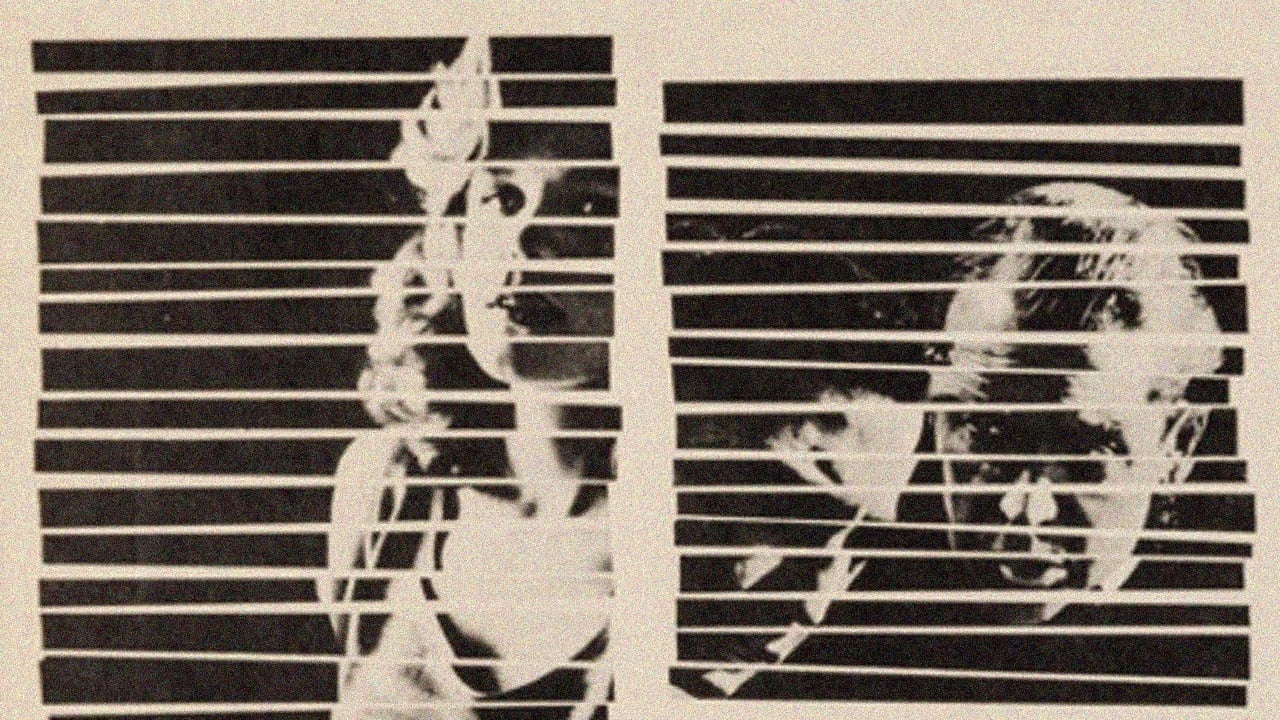
The film's legacy is often tied to its battle with the censors—the "panty" scene alone caused a minor revolution—but the real triumph is its ending. It refuses to give you the catharsis you crave. There are no soaring speeches about the American way, no clear-cut villains, and no easy answers. The ending is basically a middle finger to everyone hoping for a moral hug. It leaves you feeling a bit greasy, a bit thoughtful, and entirely convinced that you’ve just seen something real.
The 161-minute runtime might look daunting on a bus ride, but the pacing is so deliberate and the performances so magnetic that the clock becomes irrelevant. It’s a masterclass in tension and a reminder that even in the height of the studio era, a director with enough stubbornness could make a film that felt dangerous. It’s a cold, hard look at the "anatomy" of a lie, and it hasn't lost a bit of its bite in sixty years.
Keep Exploring...
-
Witness for the Prosecution
1957
-
Rope
1948
-

Rashomon
1950
-

On the Waterfront
1954
-
The Night of the Hunter
1955
-
Rear Window
1954
-

Laura
1944
-
Touch of Evil
1958
-
In the Heat of the Night
1967
-

The Conversation
1974
-
The Man Who Knew Too Much
1956
-

Vertigo
1958
-
The Killing
1956
-

Some Like It Hot
1959
-
The Maltese Falcon
1941
-
The Big Sleep
1946
-
The Bridge on the River Kwai
1957
-
Batman: The Dark Knight Returns, Part 1
2012
-

Batman: The Dark Knight Returns, Part 2
2013
-

Rebecca
1940