Ben-Hur
"Vengeance is a race that never ends."
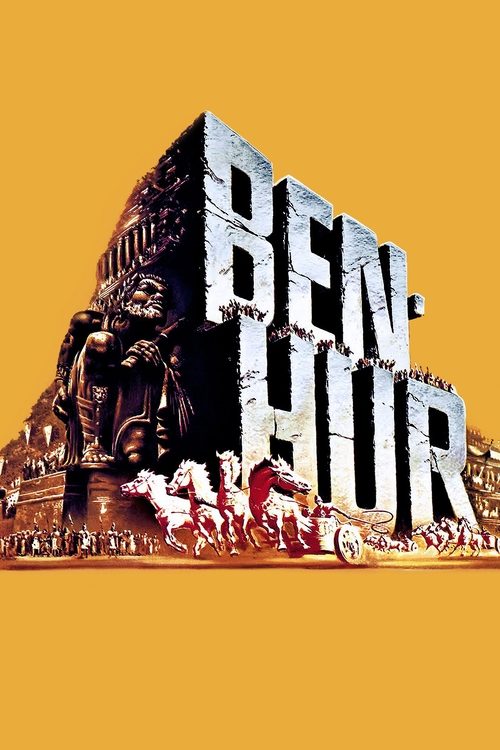
I once tried to watch Ben-Hur while building a particularly stubborn IKEA dresser, and I can tell you from experience that you cannot assemble a "MALM" while a Roman galley is being rammed by pirates. The sheer, overwhelming scale of the film makes your own domestic struggles feel pathetic. You find yourself looking at a hex key and then looking at Charlton Heston’s jawline, and suddenly, the dresser doesn't matter. Only Judea matters.
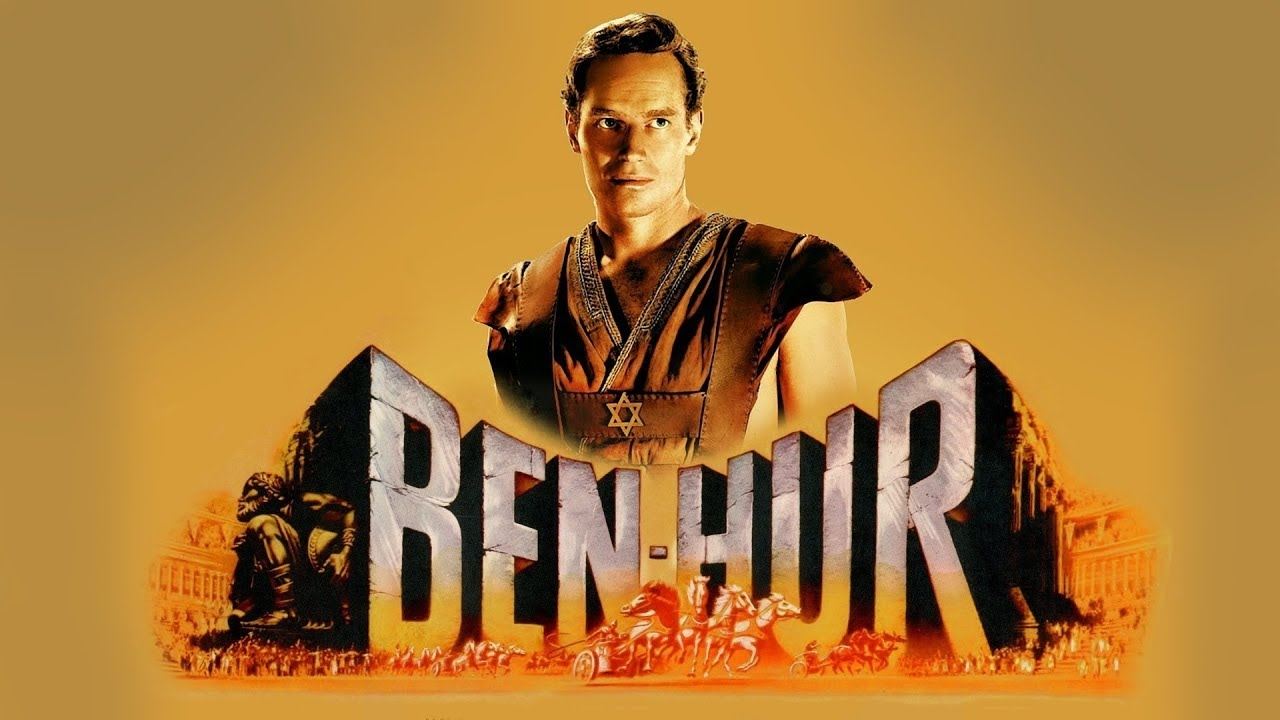
Ben-Hur is the final, thunderous roar of the old Hollywood studio system. In 1959, MGM was bleeding money, terrified that television was going to kill the cinema for good. Their solution wasn’t to go small or experimental; it was to build the biggest sandbox in human history and dare the audience to look away. They spent $15 million—an astronomical sum at the time—and the result is a 212-minute epic that somehow feels as intimate as a stage play and as vast as the Mediterranean.
The Masculine Urge to Race Chariots
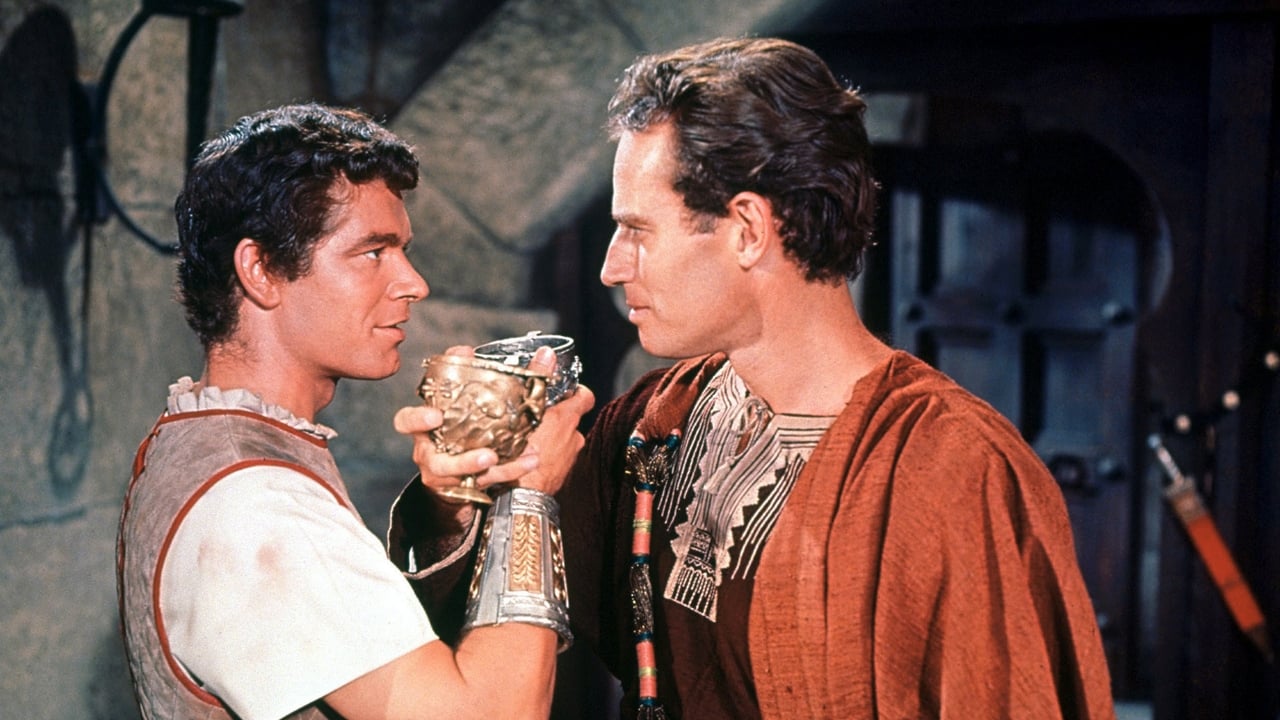
At its heart, this isn't just a "sword-and-sandals" flick; it’s a high-stakes breakup movie. The drama hinges entirely on the fractured brotherhood between Judah Ben-Hur (Charlton Heston) and Messala (Stephen Boyd). When they reunite after years apart, the air in the room practically vibrates with unspoken tension. Stephen Boyd plays Messala with a sharp, predatory edge that makes Charlton Heston’s noble, stoic Judah look almost naive.
There’s a famous bit of behind-the-scenes lore involving screenwriter Gore Vidal, who claimed he wrote Messala’s motivation as that of a spurned lover. Director William Wyler apparently told Boyd to play it that way but told the more conservative Heston nothing. Whether you buy into that subtext or not, it explains why their rivalry feels so much more painful than your average action movie grudge. It is the only movie where a man’s thighs are as central to the plot as his soul. When the betrayal finally happens—a loose roof tile leads to Judah being sent to the galleys—it feels like a cosmic injustice because the emotional groundwork was so carefully laid.
A Masterclass in Restraint (Mostly)
For a movie famous for a nine-minute chariot race involving 15,000 extras, Ben-Hur is surprisingly thoughtful about its spiritual themes. Subtitled "A Tale of the Christ," the film handles the figure of Jesus with a level of directorial restraint that’s almost vanished from modern filmmaking. We never see His face. We see His effect on others—a cup of water given to a dying slave, a shadow cast across a crowd. William Wyler understood that the idea of a miracle is often more powerful than a special effect.
By keeping the "divine" elements in the periphery, the film allows Judah’s personal journey of radicalization and eventual redemption to take center stage. Heston often gets flak for being "wooden," but I think he’s perfect here. He has the physical presence of a statue come to life, which is exactly what a 1950s epic demanded. But look at his eyes during the scenes in the leper colony or when he’s chained to the rowing oar under the command of Jack Hawkins (playing the Roman Quintus Arrius). There is a genuine, flickering agony there that earns the movie’s long runtime.
Technical Splendor and the 11-Oscar Sweep
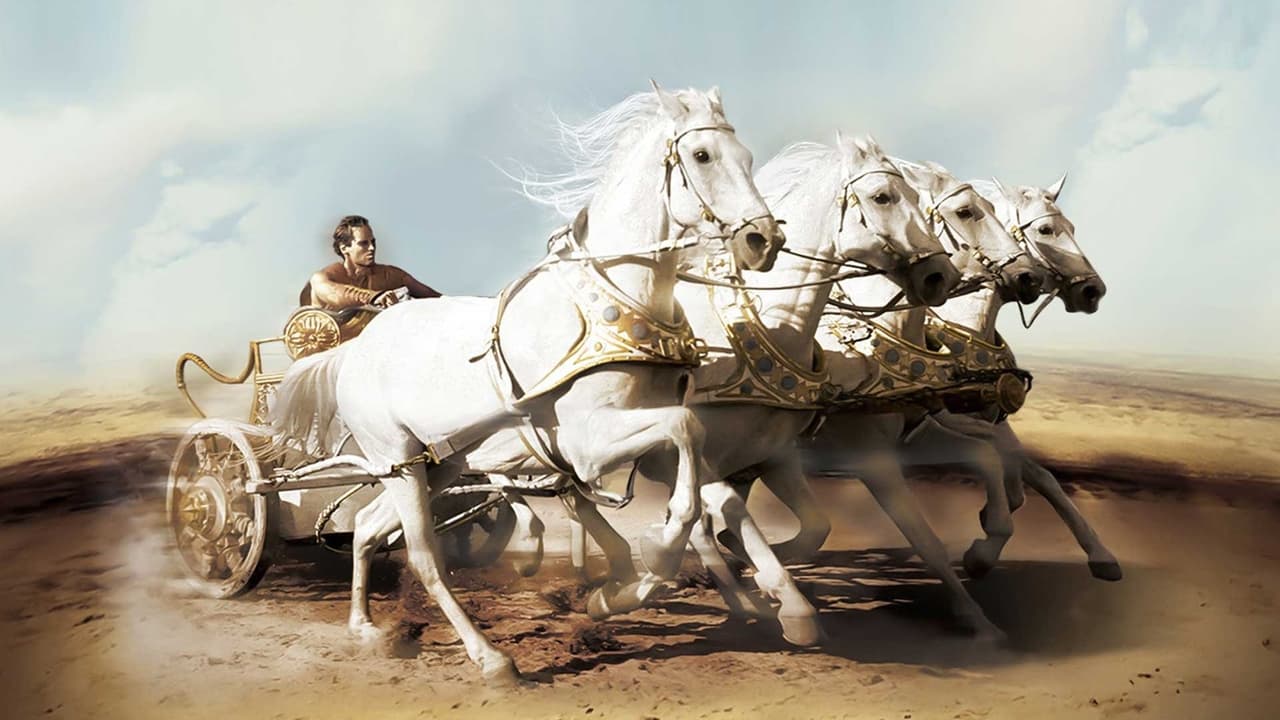
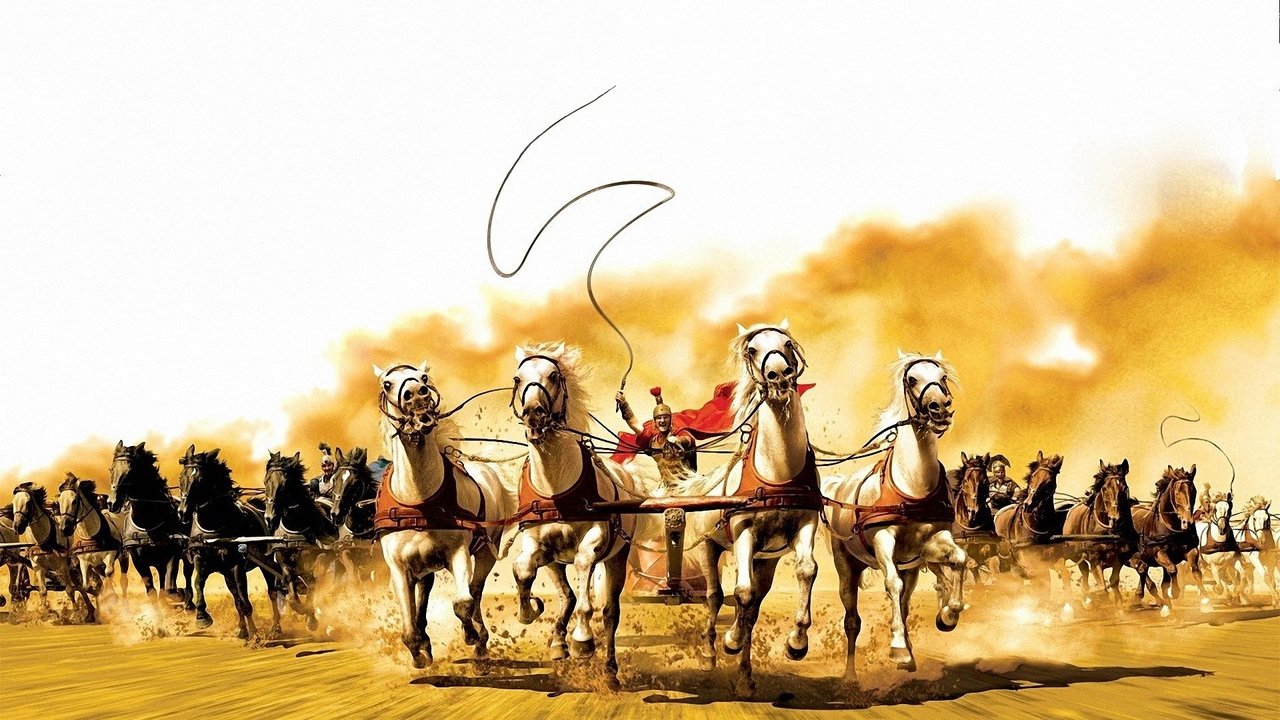
We have to talk about the race. Even in the age of CGI where anything is possible, the chariot sequence in Ben-Hur remains the gold standard for action filmmaking. Robert Surtees’ cinematography in the 65mm "MGM Camera 65" format creates a sense of depth that makes you feel the grit in your teeth. There are no quick cuts to hide mistakes; those are real horses, real wooden wheels shattering, and real men being dragged through the dirt. It took five months to film that one sequence, and every second of that labor is visible on screen.
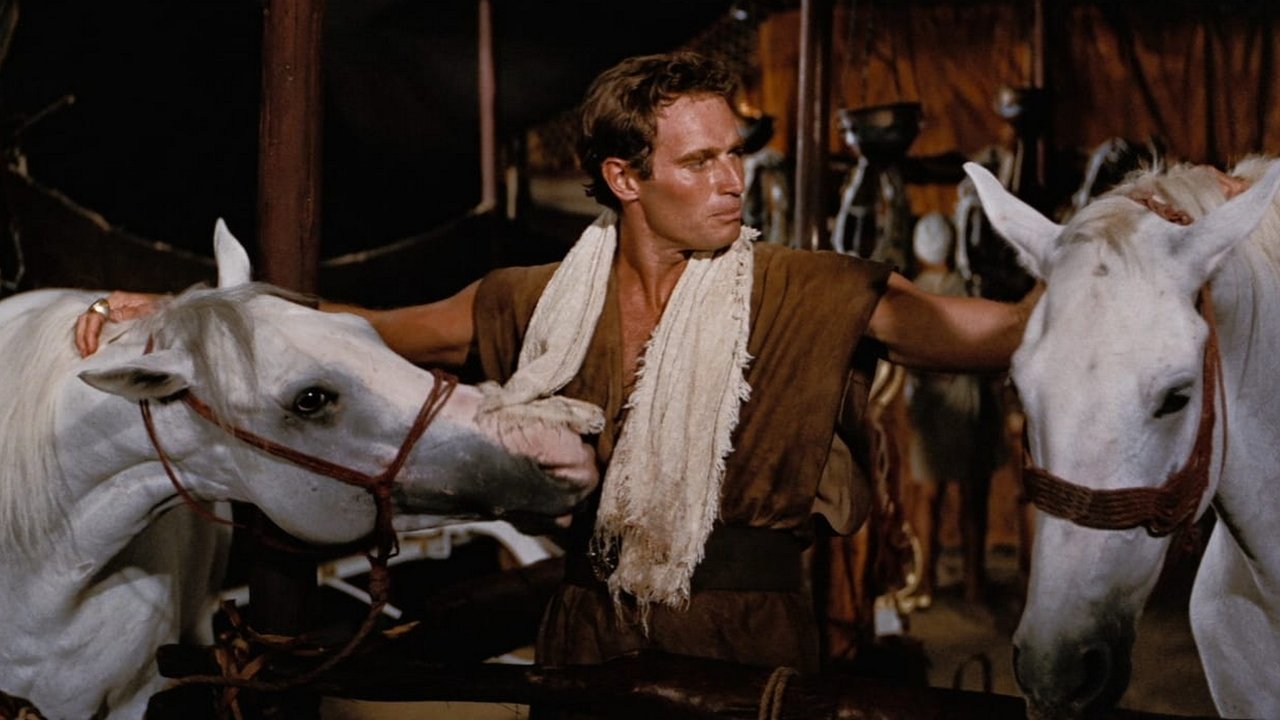
The film went on to win 11 Academy Awards, a record it held alone until Titanic came along decades later. It swept almost everything: Best Picture, Director, Actor, and even a Best Supporting Actor win for Hugh Griffith, who plays the eccentric Sheich Ildirim. While Griffith’s performance involves some "of-its-time" bronzer that might make modern viewers wince, his chemistry with the horses—and his comedic timing—provides a much-needed breath of air in an otherwise heavy narrative. The score by Miklós Rózsa is equally monumental; those brass fanfares are the literal sound of "Prestige Cinema."
Ben-Hur is an exhausting, exhilarating, and deeply philosophical experience that demands your full attention. It manages to be a thumping adventure, a political thriller, and a story of religious awakening all at once, without ever feeling like it's preaching to you from a soapbox. It’s the kind of movie that reminds you why the "Golden Age" was called golden in the first place—the craft was impeccable, the stakes were sky-high, and the stars were giants. Grab a large drink, silence your phone, and let the Roman Empire swallow you whole for an afternoon. It’s worth every minute.
Keep Exploring...
-

The Ten Commandments
1956
-
Throne of Blood
1957
-
Hiroshima Mon Amour
1959
-
12 Angry Men
1957
-
The Treasure of the Sierra Madre
1948
-

Roman Holiday
1953
-
Seven Samurai
1954
-

The Seventh Seal
1957
-
Planet of the Apes
1968
-

Hero
2002
-
Citizen Kane
1941
-
Casablanca
1943
-

It's a Wonderful Life
1946
-
The Bridge on the River Kwai
1957
-
The Elephant Man
1980
-
Amadeus
1984
-

Into the Wild
2007
-

Dallas Buyers Club
2013
-
Spotlight
2015
-

Straight Outta Compton
2015