Hiroshima Mon Amour
"Memory is a scar that refuses to heal."
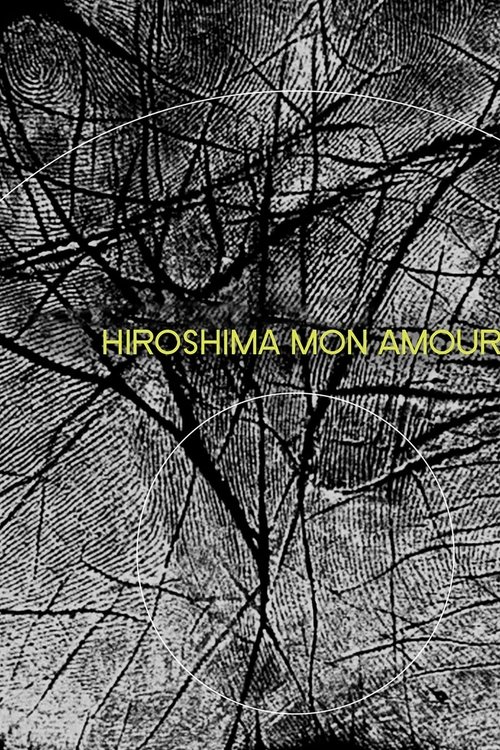
I first watched Hiroshima Mon Amour on a Tuesday afternoon while my neighbor was loudly power-washing their driveway, and the contrast was surreal. On my screen, there was this agonizingly beautiful, quiet exploration of human trauma, and outside, there was the aggressive blast of suburban maintenance. Somehow, the sheer noise outside made the hushed, rhythmic dialogue between the two leads feel even more like a secret I wasn't supposed to overhear.
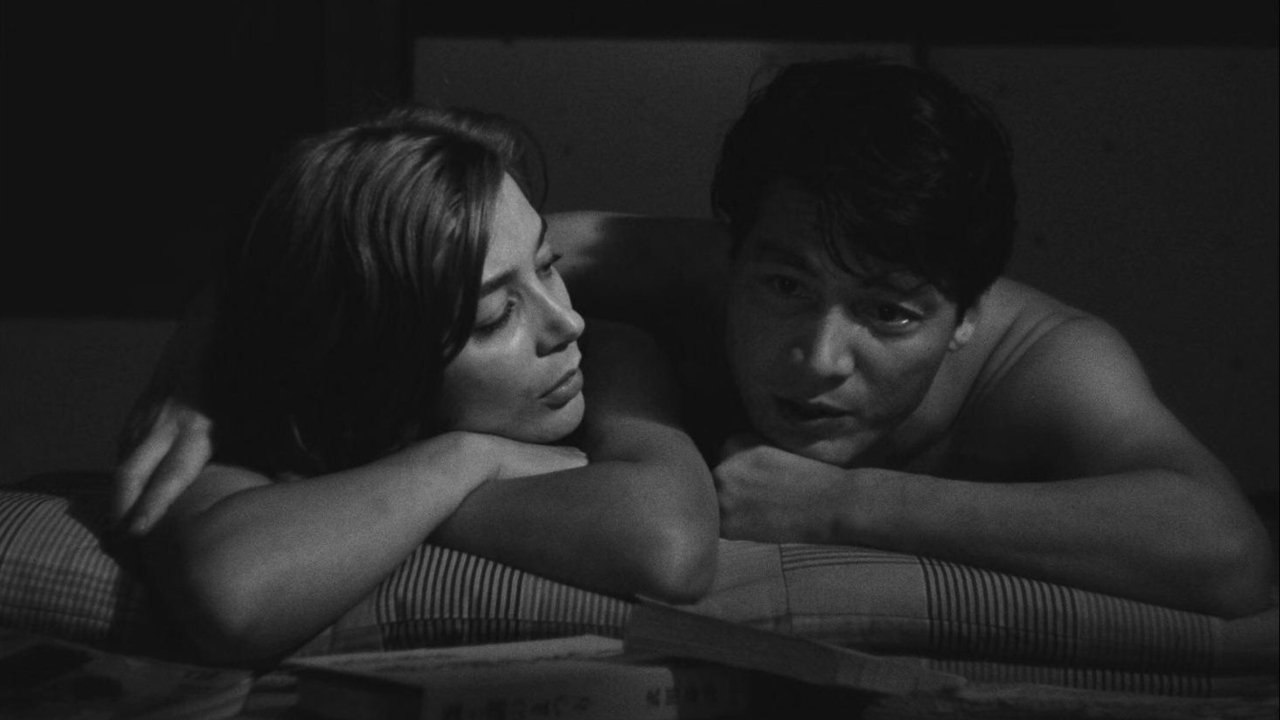
Released in 1959, at the tail end of Hollywood’s Golden Age, Alain Resnais’s feature debut didn't just break the rules of cinema; it acted like they never existed in the first place. While American studios were perfecting the widescreen spectacle of Ben-Hur, the French were busy turning the camera inward, exploring the messy, fractured landscape of the human mind.
The Art of Forgetting
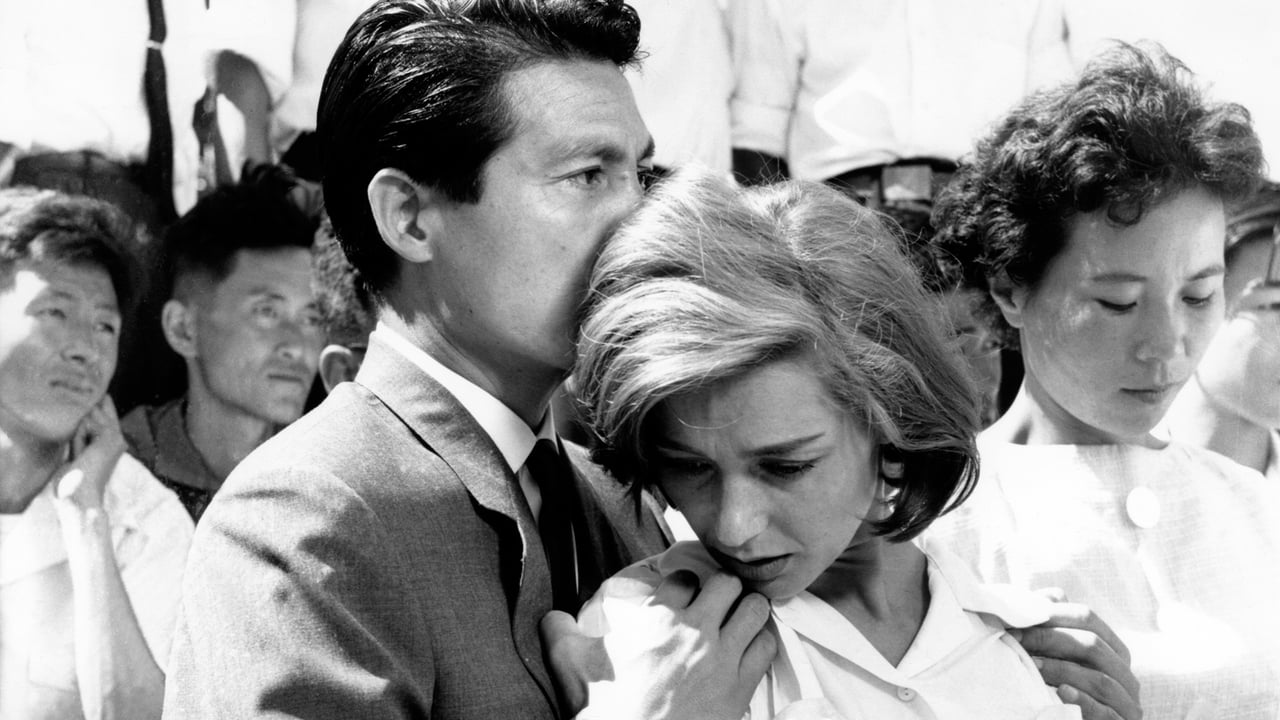
The film starts with an image that still feels provocative: two bodies intertwined, covered in a shimmering dust that could be sweat, ash, or stardust. It’s a jarring opening for a 1950s audience used to clear-cut romances. We meet "Elle" (Emmanuelle Riva), a French actress in Hiroshima to film a peace movie, and "Lui" (Eiji Okada), a Japanese architect. They have a brief, intense affair, but the movie isn't really about the "will-they-won't-they." It’s about the "how-can-we-possibly-exist-after-this?"
The screenplay by Marguerite Duras is hypnotic. It’s repetitive, almost like a chant. When Eiji Okada tells her, "You saw nothing in Hiroshima," and she insists she saw everything—the hospitals, the twisted metal, the reconstructed skin—it’s not a literal argument. It’s a philosophical one. How do we witness a tragedy we didn't live through? Resnais uses these incredible documentary-style shots of the city’s aftermath, blending them with the lovers' private moments so seamlessly that the line between global catastrophe and personal heartbreak disappears. Honestly, the movie treats a breakup with the same gravity as a nuclear blast, and somehow, it totally earns it.
A Different Kind of Golden Age
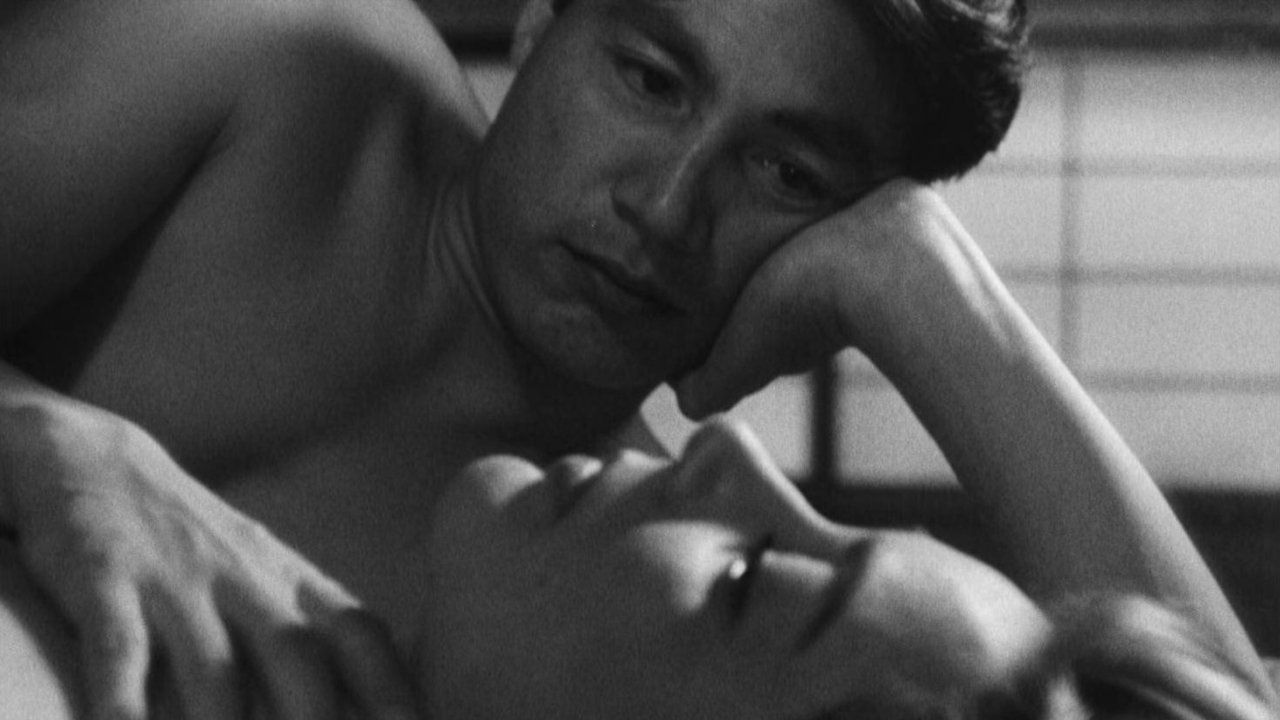
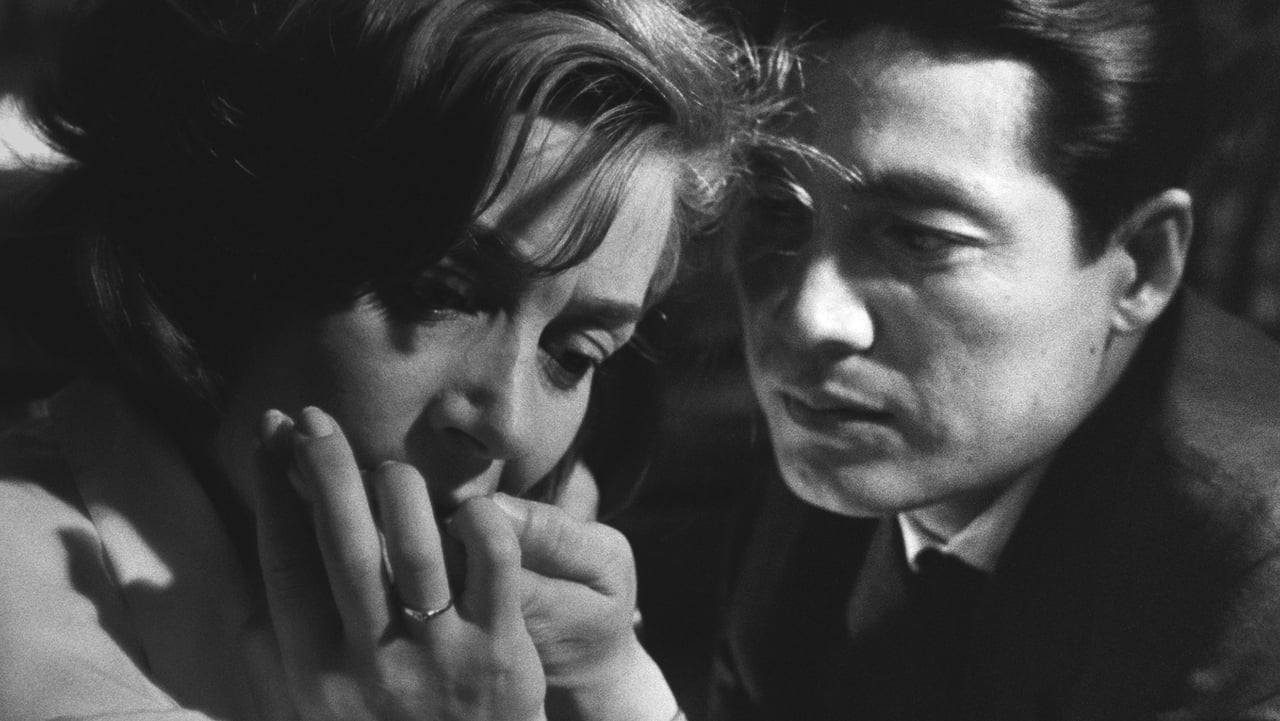
In the late 50s, the "Star System" was still the law of the land in the States. You had your Cary Grants and your Elizabeth Taylors—actors who were larger than life. But Emmanuelle Riva brings something entirely different here. Her performance is raw and twitchy. As she recounts her first love—a German soldier during the occupation of France—her face becomes a map of old wounds. She isn't playing to the rafters; she’s playing to the ghosts in the room.
Eiji Okada provides a steady, almost ethereal counterpoint. There’s a fascinating bit of trivia about his casting: Okada didn't actually speak French. He had to learn his lines phonetically, which adds this strange, deliberate cadence to his voice that fits the dreamlike atmosphere perfectly. Their chemistry isn't built on witty banter or Hollywood "meet-cutes"; it’s built on the shared weight of being survivors in a world that wants to move on too quickly.
The Ghost in the Room
Technically, the film is a masterclass in what we now call the "French New Wave," but it feels more grounded than some of the playful experiments of Godard. The cinematography by Michio Takahashi and Sacha Vierny is crisp and haunting, capturing the neon-lit streets of 1950s Hiroshima and the cold, damp stone of Nevers, France.
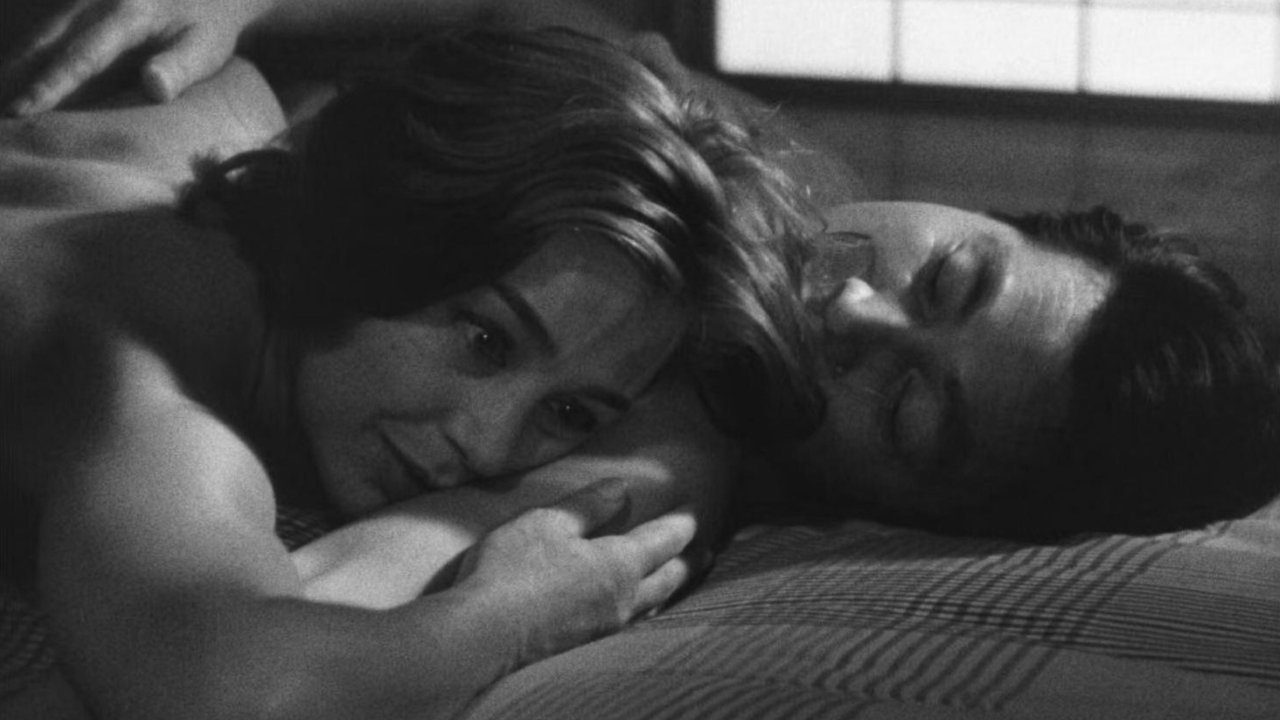
The editing is where the real magic happens. Resnais jumps between the present and the past without the traditional "wavy line" transitions audiences were used to back then. A hand resting on a bed in Japan suddenly becomes a hand twitching in the dirt in France fifteen years earlier. It captures exactly how memory works—sudden, uninvited, and vivid. It’s one of the first films to treat time as a fluid thing rather than a straight line.
Interestingly, the film was actually censored or suppressed in various ways upon release. It was pulled from the official competition at the Cannes Film Festival because the French government was worried about upsetting the Americans by bringing up the atomic bomb. It’s a reminder that even "high art" was subject to the intense political pressures of the Cold War era. Despite the tiny box office numbers, its influence on directors like Christopher Nolan or Terrence Malick is undeniable.
Hiroshima Mon Amour is a film that demands your full attention, but it rewards you with something that feels less like a movie and more like a shared memory. It’s not "easy" viewing, but it is deeply moving. By the time the credits roll, you realize that the title itself is a contradiction—a marriage of a site of mass death and a declaration of love. It’s a beautiful, heavy, and essential piece of history that proves cinema can do so much more than just tell a story; it can capture the soul's architecture.
If you're in the mood for something that lingers in your brain long after you've turned off the TV, this is the one. Just maybe don't watch it while your neighbor is using a power-washer. It deserves the silence.
Keep Exploring...
-
Sabrina
1954
-
Throne of Blood
1957
-

The Ten Commandments
1956
-

Ben-Hur
1959
-
La Strada
1954
-
Rebel Without a Cause
1955
-
Wild Strawberries
1957
-
Jules and Jim
1962
-
La Jetée
1962
-
Casablanca
1943
-
Portrait of a Lady on Fire
2019
-

The Hustler
1961
-
Harakiri
1962
-

Cinderella Man
2005
-

Memoirs of a Geisha
2005
-
Little Women
2019
-

The Passion of Joan of Arc
1928
-
The Grapes of Wrath
1940
-

Laura
1944
-
The Treasure of the Sierra Madre
1948