North by Northwest
"Run for your life in a world where nobody is who they seem."
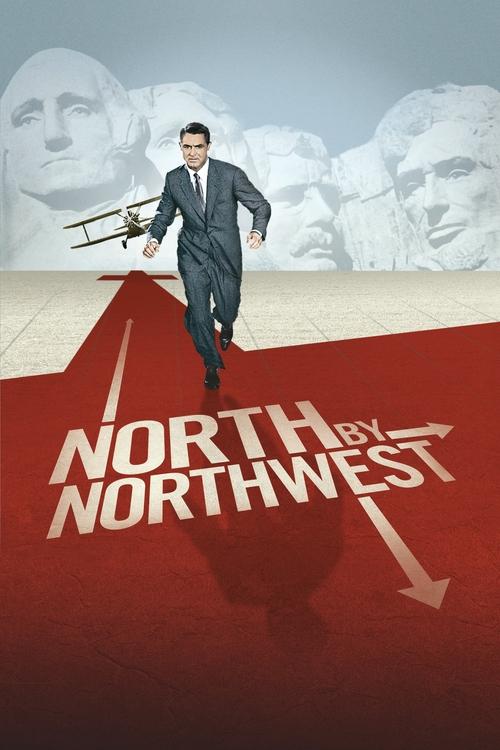
The sheer, terrifying anonymity of a crowded New York City street is the perfect place to lose your life. One minute, you’re Cary Grant (playing Roger Thornhill), an advertising executive with a mother who doesn't believe a word you say and a dry-martini wit; the next, you’re being forced-fed bourbon and sent careening off a cliff in a stolen car. It is the ultimate nightmare of the modern man: the loss of identity in a system that doesn't care if you live or die.
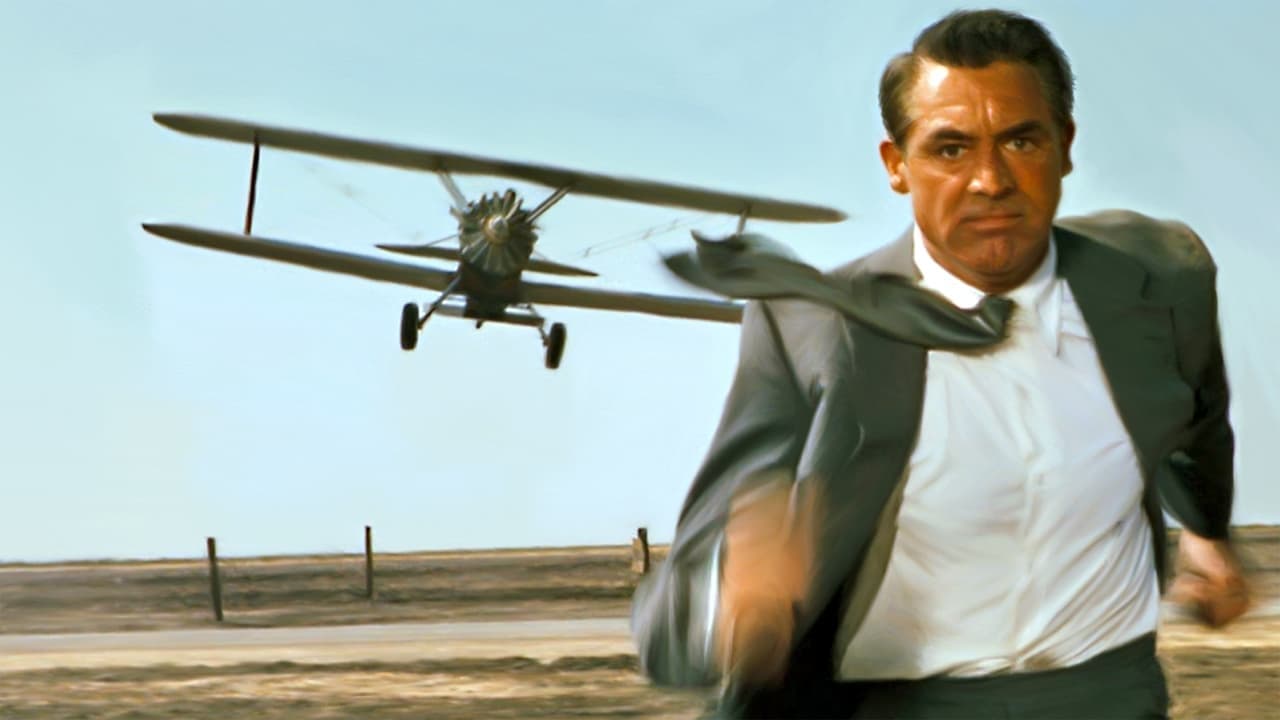
I rewatched this on a Tuesday night while my neighbor was testing out a particularly aggressive new leaf blower. For a moment, the roar of the machine outside my window synced up perfectly with the low hum of the biplane in the cornfields, and I felt a genuine, prickling dread that I usually reserve for tax season or dental appointments. It reminded me that while we often talk about North by Northwest as a "fun" romp, it’s actually a cold, calculated look at how easily a human life can be erased by the machinery of the state.
The Architect of Anxiety
Alfred Hitchcock was at the absolute summit of his powers in 1959. This wasn't just another thriller; it was a victory lap for the Golden Age of the studio system. Working with a massive MGM budget, Hitchcock and screenwriter Ernest Lehman (who also wrote West Side Story) decided to create the "Hitchcock movie to end all Hitchcock movies." They succeeded. The film moves with a relentless, mechanical precision that mirrors the Cold War logic of the era—a time when "The Professor" (Leo G. Carroll) can calmly decide that an innocent man is a "worthwhile sacrifice" for the greater good.
The "Dark/Intense" modifier here isn't about gore; it's about the existential vacuum. Cary Grant is famous for his effortless charm, but here, that charm is weaponized against him. Watching him realize that the police, the government, and even the "villains" are all part of a game where he is merely a misplaced pawn is deeply unsettling. Grant’s suit—arguably the hardest-working piece of wool in cinema history—stays remarkably crisp, but the man inside it is falling apart.
A Cold War Chess Match
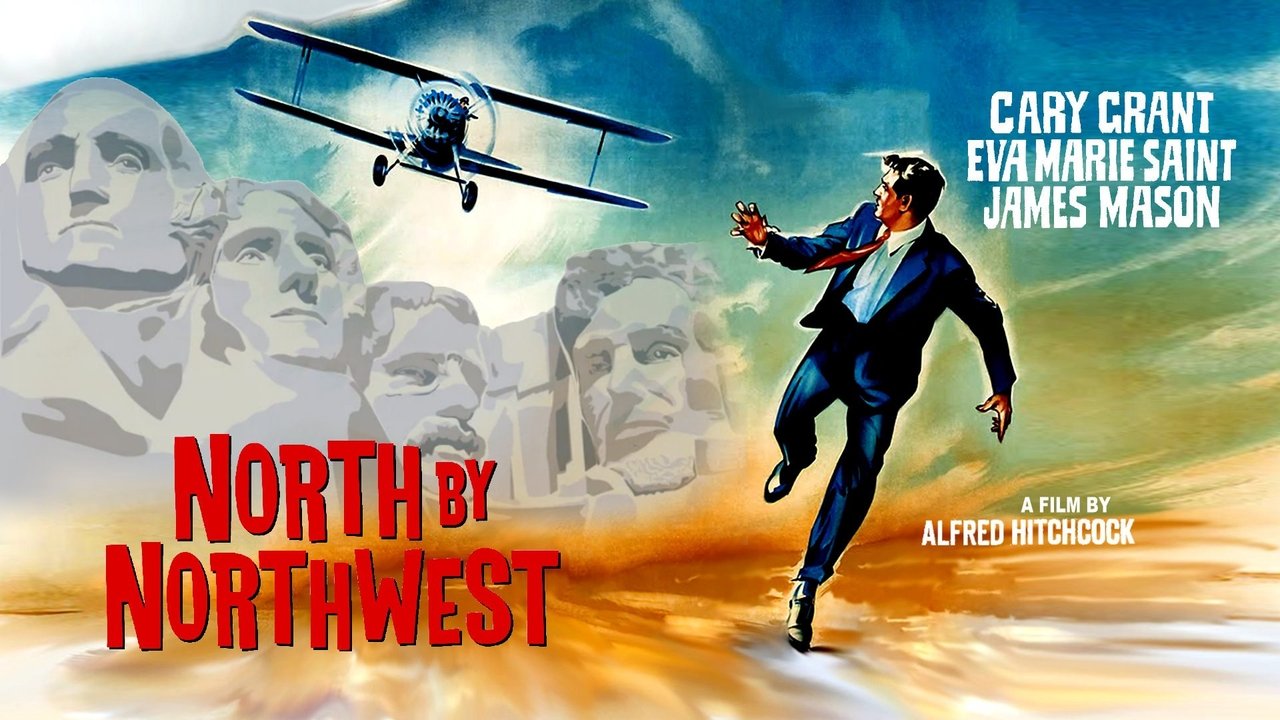
The tension is amplified by James Mason as Phillip Vandamm. Mason doesn't play a mustache-twirling villain; he plays a sophisticated, weary professional. He is the dark mirror to Thornhill—equally well-dressed, equally articulate, but utterly devoid of empathy. When they face off, it isn't a brawl; it's a lethal debate.
Then there is Eva Marie Saint as Eve Kendall. In an era where female leads were often relegated to "the girl," Saint brings a heavy, conflicted gravity to the role. She isn't just a love interest; she is a woman trapped in a high-stakes double life where a single slip of the tongue means a long fall from a very high monument. Their chemistry is electric, but it's fueled by a desperate need for survival rather than simple romance.
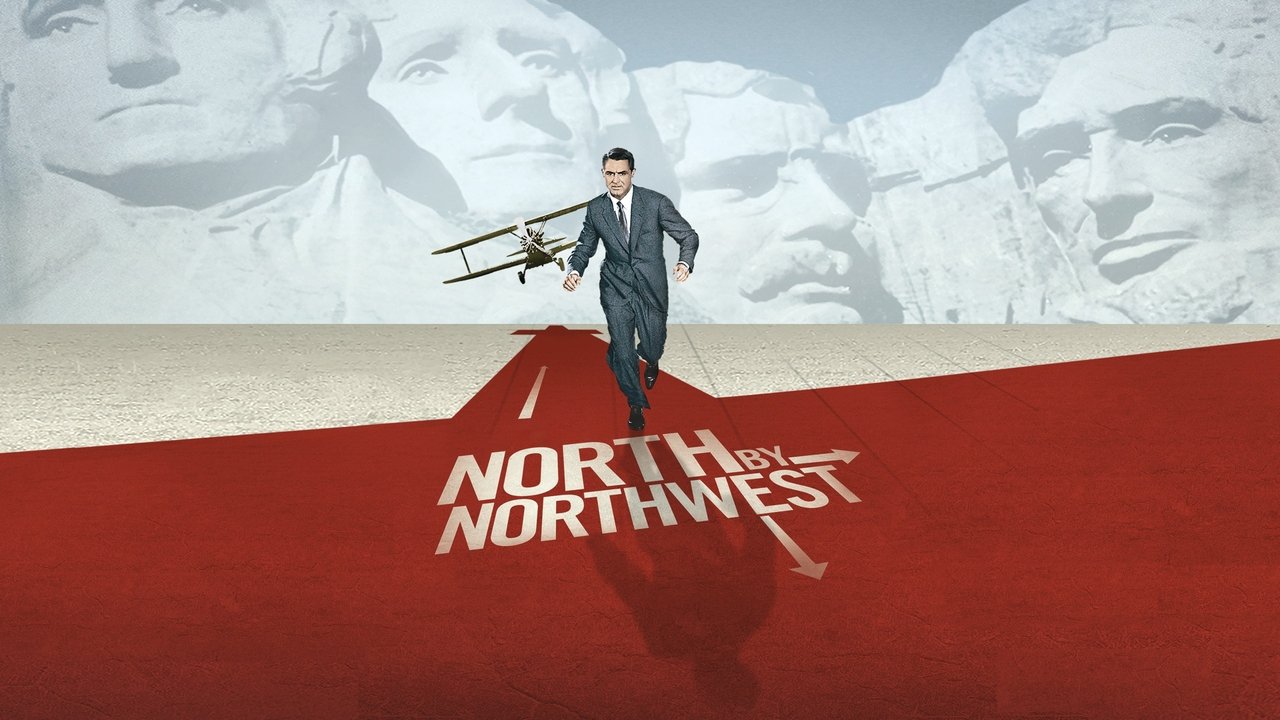
The technical craft is where the "Golden Age" glamour really shines. Robert Burks’ cinematography turns the United Nations building and Mount Rushmore into monolithic, indifferent witnesses to the chaos. Because the U.N. refused to let Hitchcock film on the premises, the crew had to hide a camera in a carpet-cleaning truck to get footage of Cary Grant entering the building. It’s that kind of guerrilla filmmaking disguised as high-gloss studio perfection that makes the movie feel so alive even sixty years later.
The Spectacle of the MacGuffin
The film’s most famous sequence—the crop duster attack—remains a masterclass in subverting expectations. Most directors would have put a hero in a dark alley at night. Hitchcock puts him in a wide-open field in the blistering sun. There is nowhere to hide. The silence is broken only by the engine's roar, creating a sense of exposure that is more frightening than any shadow.
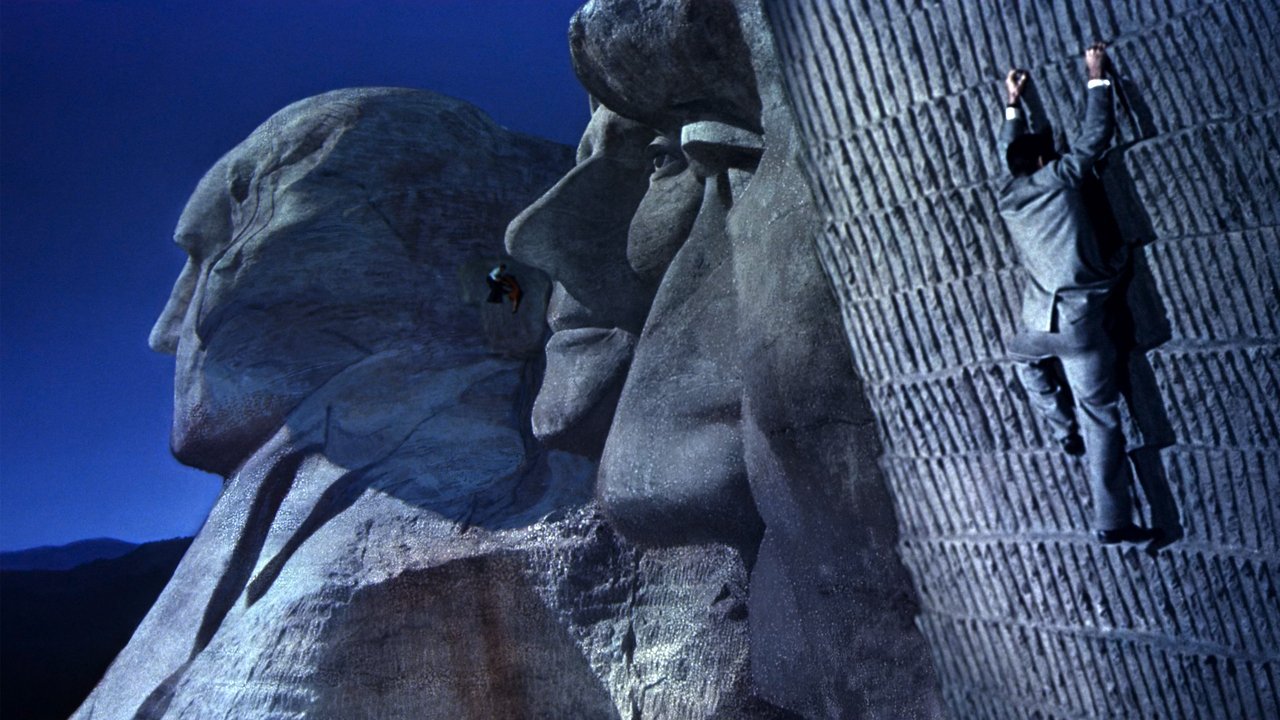
Behind the scenes, the production was a massive undertaking. The Mount Rushmore climax was actually filmed on a giant mock-up in the studio because the National Park Service was, understandably, a bit sensitive about people dangling off Lincoln's nose. Even Bernard Herrmann’s score refuses to let you relax; it’s a frantic, rhythmic orchestral assault that mirrors Thornhill’s racing pulse.
By the time the film reaches its final, famously suggestive shot of a train entering a tunnel, you realize you’ve been held in a state of sustained, high-altitude tension for over two hours. It’s a reminder that in the hands of a master, the "wrong man" trope isn't just a plot device—it’s a window into the fragility of our own comfortable lives.
This is the definitive adventure-thriller of the 1950s, a film that manages to be both a glossy showcase of star power and a cynical, intense exploration of Cold War paranoia. It’s a journey from the heart of Manhattan to the granite faces of the American West that never wastes a single frame. If you haven't seen it recently, watch it again—just maybe keep your windows closed if the neighbors are doing yard work.

Keep Exploring...
-
Suspicion
1941
-
To Catch a Thief
1955
-
Notorious
1946
-
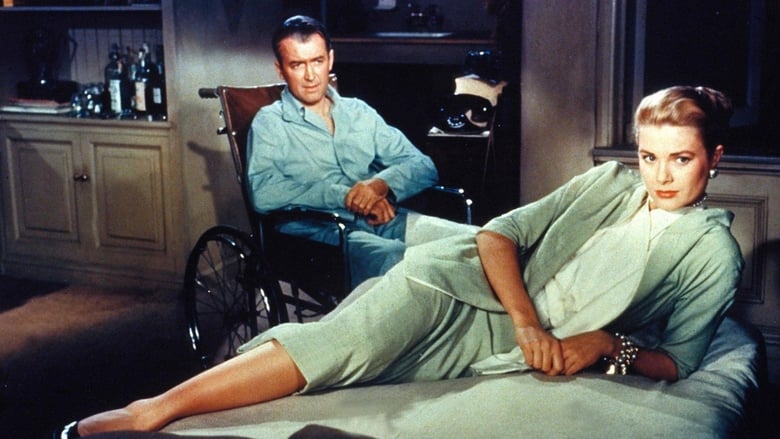
Rear Window
1954
-
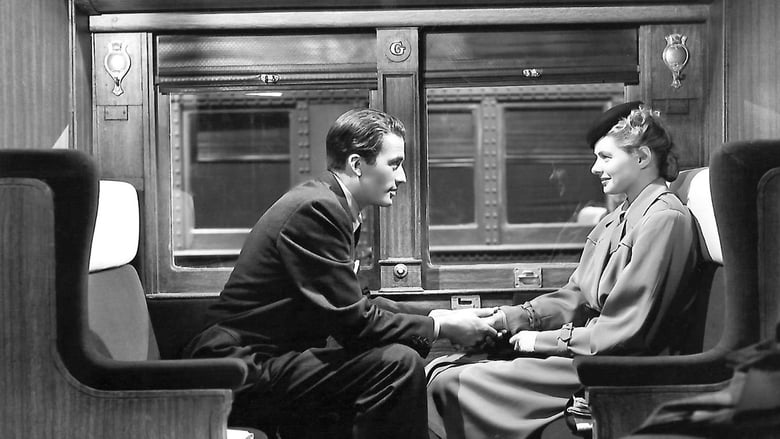
Spellbound
1945
-

Rebecca
1940
-
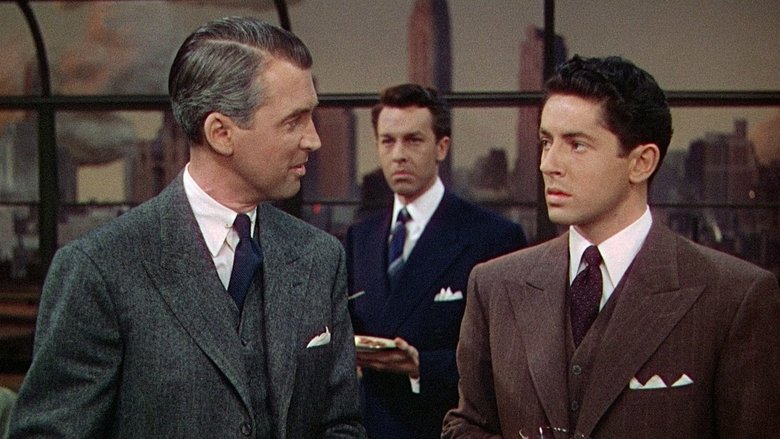
Rope
1948
-
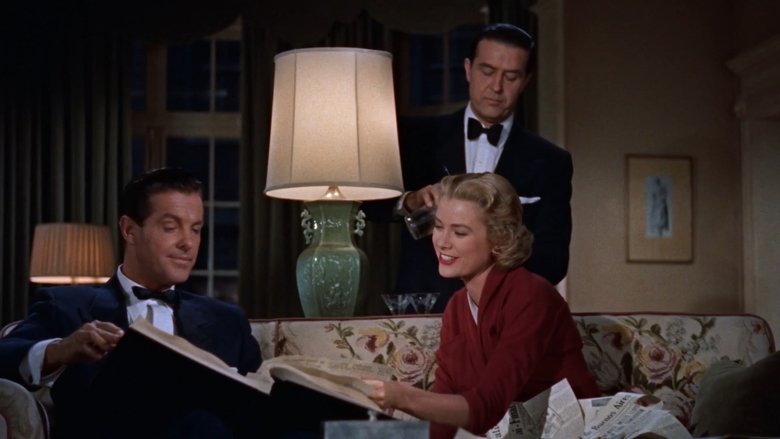
Dial M for Murder
1954
-
The Man Who Knew Too Much
1956
-

Vertigo
1958
-
Strangers on a Train
1951
-
Psycho
1960
-
The Birds
1963
-
Shadow of a Doubt
1943
-
The Night of the Hunter
1955
-

Invasion of the Body Snatchers
1956
-
The Killing
1956
-
Godzilla
1954
-
The Time Machine
1960
-
Marnie
1964