Sleeping Beauty
"The Sharpest, Most Dangerous Dream Ever Painted."
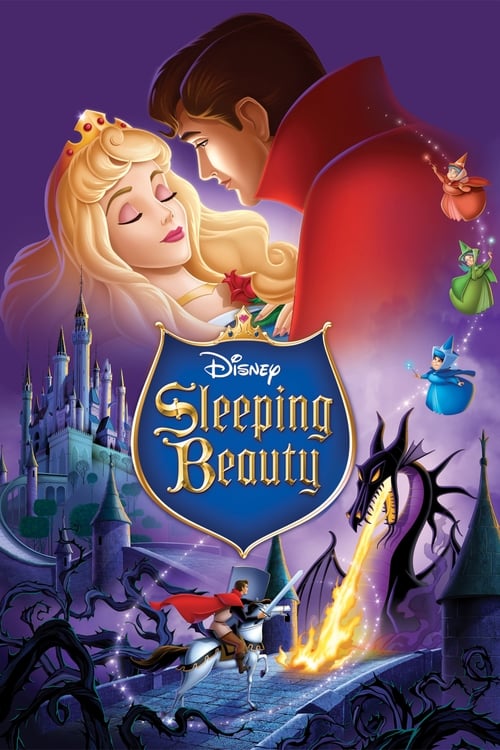
In 1959, the Walt Disney studio was at a precarious crossroads. While Disneyland was booming and the "Mickey Mouse Club" ruled the airwaves, the animation department was bleeding cash on a project that seemed determined to bankrupt the company. Sleeping Beauty wasn’t just a movie; it was a $6 million manifesto—a defiant stand for hand-drawn art in an era when television was making everyone lazy. It took nearly a decade to finish, and when it finally arrived, it didn't just walk into theaters; it marched in with the wide-screen pomposity of Technirama 70 and a score adapted from Tchaikovsky.
I watched this latest viewing while trying to peel a very stubborn clementine that ended up squirting juice directly into my eye during the opening credits, which, honestly, felt like a fittingly sharp introduction to the most angular film in the Disney canon.
A High-Stakes Gamble in 70mm
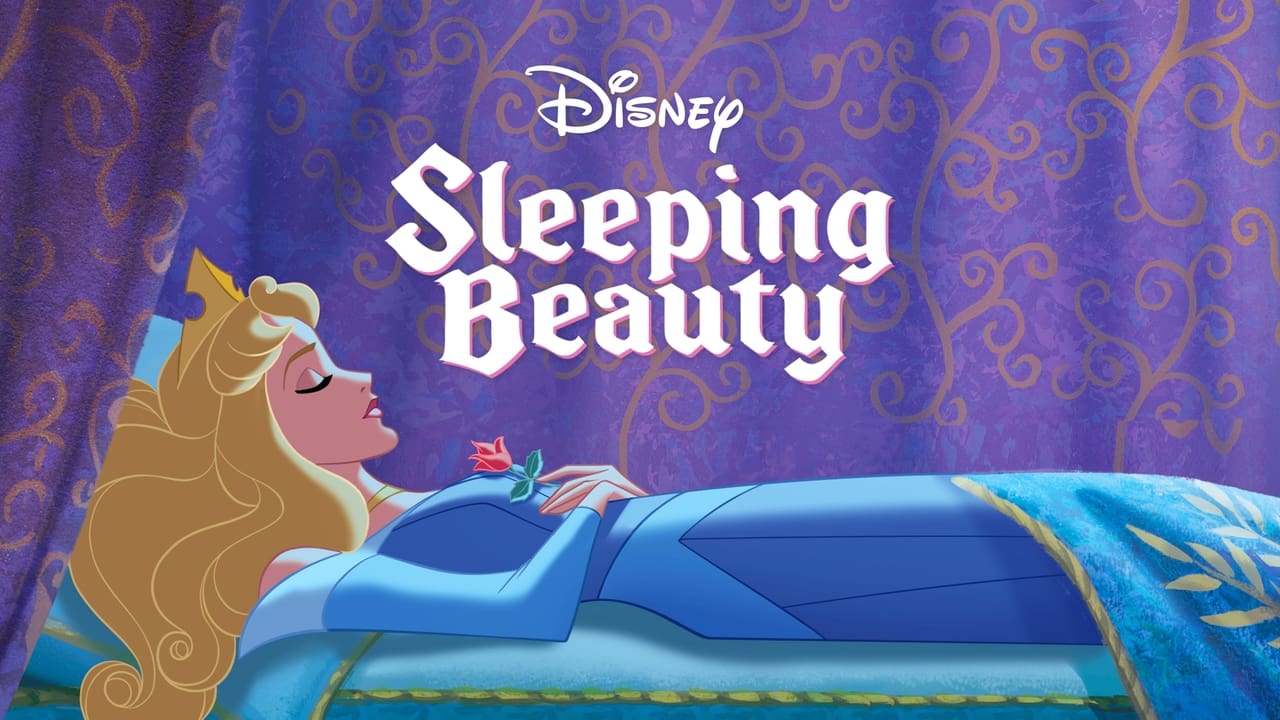
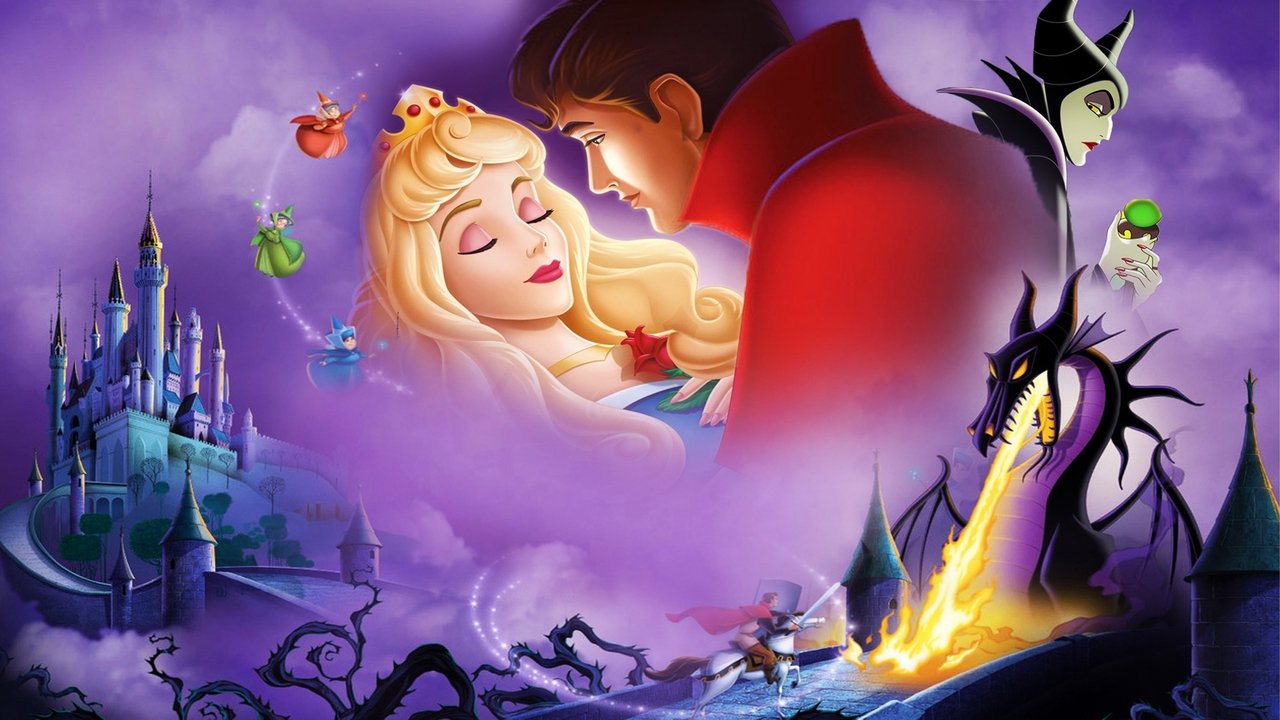
Unlike the soft, rounded "rubber hose" animation of the 1930s or the storybook whimsy of Cinderella, Sleeping Beauty looks like it was carved out of wood and stone. This is largely thanks to Eyvind Earle, the production designer who Walt Disney gave unprecedented control over the film’s look. Earle’s style is a collision of mid-century modernism and Italian Renaissance tapestries. Every frame is packed with vertical lines, intricate patterns, and a level of detail that feels almost pathological.
While I was watching, I kept hitting the pause button just to look at the trees. They aren't just trees; they are geometric sculptures. This creates a fascinating tension. The backgrounds are so rigid and formal that the characters have to be incredibly expressive to avoid getting lost in the wallpaper. Aurora is the least interesting thing in her own movie, and that’s actually a brilliant narrative choice. By making the Princess a literal icon—a prize to be protected or a victim to be mourned—the film shifts its dramatic weight onto the people who actually have agency: the fairies and the villain.
The Magnificent Maleficent
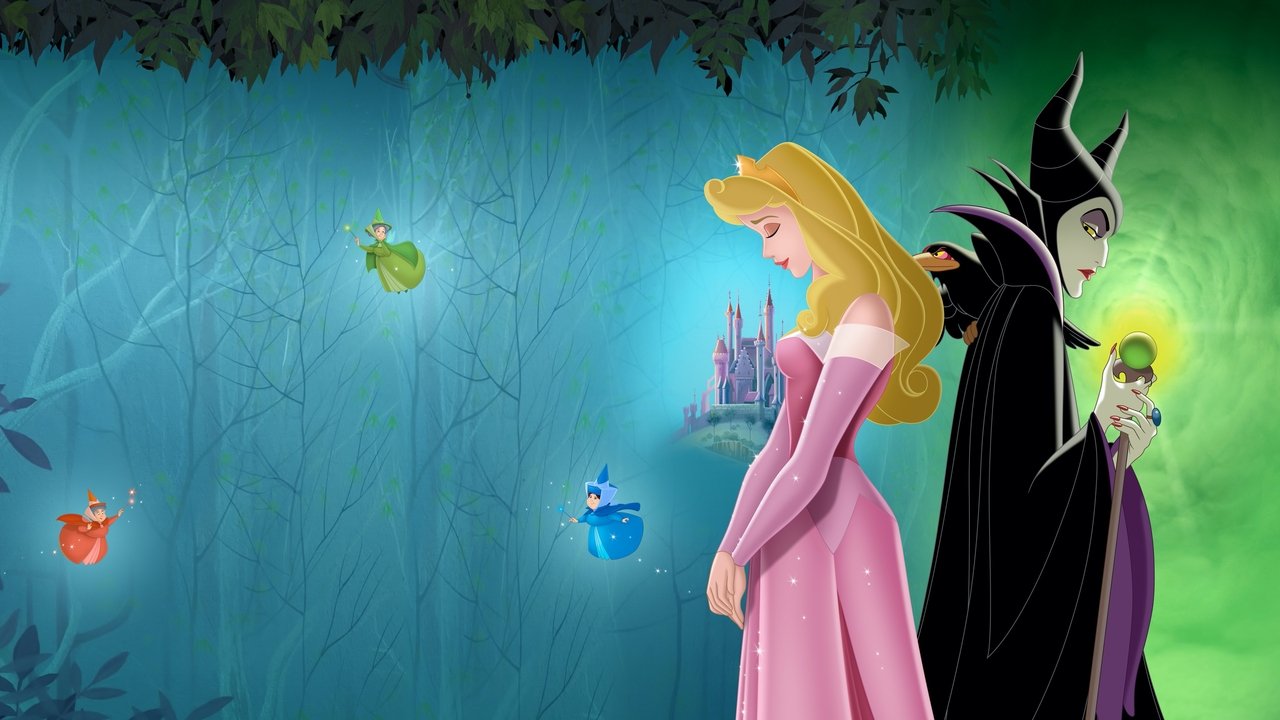
If we are talking about performance nuance in an animated medium, we have to talk about Eleanor Audley. She doesn’t just voice Maleficent; she inhabits her with a chilling, Shakespearean ego. Audley had already played the Stepmother in Cinderella, but here she’s operating on a much grander scale. There is a specific choice in her delivery—a slow, honey-dripping condescension—that makes Maleficent feel more dangerous than any dragon. She isn't just "evil"; she’s offended. She was left off a guest list, and she is going to make that everyone’s problem.
On the other side of the moral coin, the "Three Good Fairies" carry the actual emotional arc of the film. Verna Felton (Flora), Barbara Luddy (Merryweather), and Barbara Jo Allen (Fauna) provide a masterclass in ensemble chemistry. Their bickering over the color of a dress or the logistics of baking a cake without magic provides the human heartbeat that the film's stiff, formal structure desperately needs. When they realize they’ve failed to protect Aurora, the shift from comedic relief to genuine grief is earned because the film allows them to be flawed and relatable. Mary Costa brings a crystalline, operatic beauty to Aurora’s voice, but it’s the fairies who make me care if the girl ever wakes up.
The Cult of the Underdog Masterpiece
It’s hard to believe now, but Sleeping Beauty was a bit of a pariah upon release. Critics found it cold, and the box office wasn't enough to cover that massive $6 million price tag. It was the film that almost ended the Disney fairy tale—literally. The studio wouldn't touch another princess story for thirty years until The Little Mermaid.
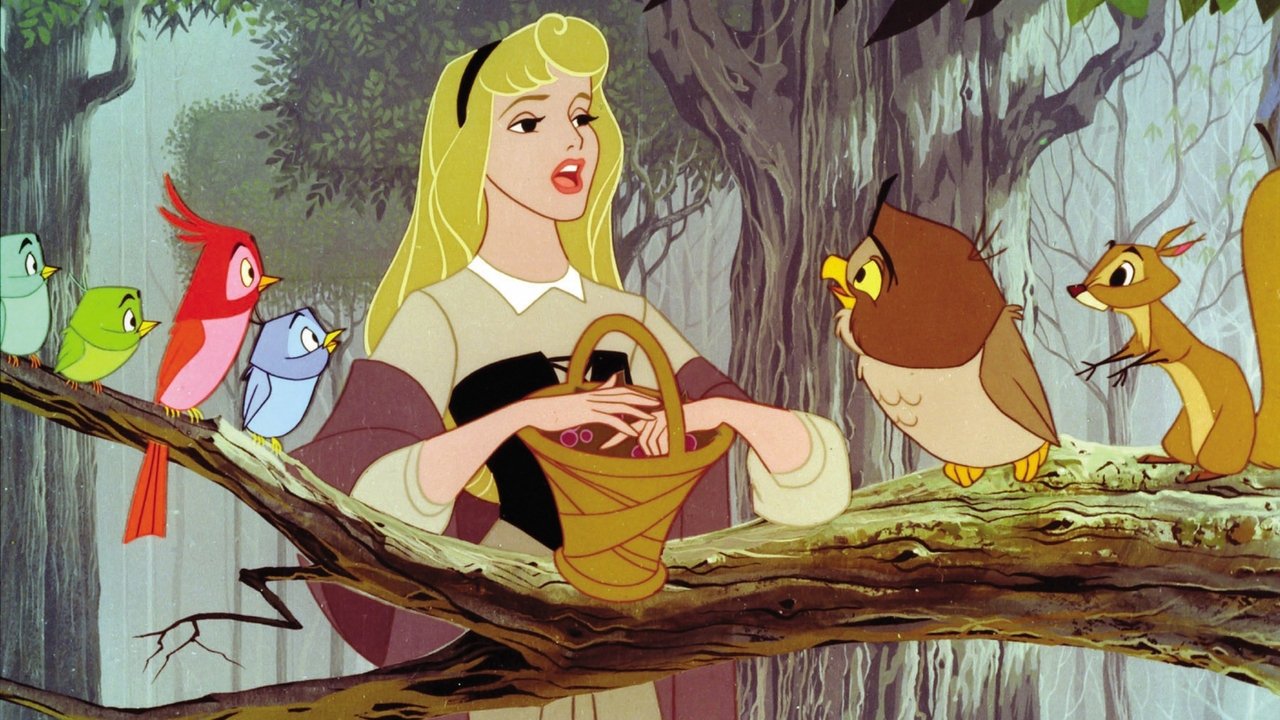
However, its "cult" status grew as later generations of artists—from the creators of Sleeping Beauty-inspired Maleficent to the animators at modern-day studios—began to worship Earle’s backgrounds and the film's unapologetic artiness. It’s a movie that rewards the "pause and stare" crowd. I’ve noticed that fans of this film tend to be the ones who appreciate the craft over the "happily ever after." It speaks to a specific subculture of cinephiles who want their animation to feel like a trip to a darkened, slightly dangerous museum.
The climax, featuring Prince Phillip (Bill Shirley) battling a literal mountain of thorns and a jet-black dragon, remains one of the most viscerally satisfying sequences in Hollywood’s Golden Age. There’s no irony here, no winking at the camera—just pure, high-stakes drama rendered in the most beautiful colors 1959 could produce.
The film is a towering achievement of the studio system at its most ambitious and its most stubborn. It might feel a bit slow to those raised on the hyper-active pacing of modern blockbusters, but if you give yourself over to its rhythms, it’s a hypnotic experience. It’s the final, glittering gasp of an era where "animated feature" meant a handcrafted epic that dared to be as sophisticated as any live-action drama. Watching it today, I’m struck by how much it feels like a dream you don’t quite want to wake up from, even with the threat of a spinning wheel lurking in the shadows.
Keep Exploring...
-

Lady and the Tramp
1955
-
Cinderella
1950
-
Alice in Wonderland
1951
-
Peter Pan
1953
-
Fantasia
1940
-
Hercules
1997
-
The Princess and the Frog
2009
-
Elemental
2023
-
Pinocchio
1940
-
Dumbo
1941
-
Beauty and the Beast
1991
-

Aladdin
1992
-
One Hundred and One Dalmatians
1961
-
The Sword in the Stone
1963
-
Shrek 2
2004
-
Cinderella III: A Twist in Time
2007
-
Red Shoes and the Seven Dwarfs
2019
-
The Princess Bride
1987
-
The Nightmare Before Christmas
1993
-
Corpse Bride
2005