The 400 Blows
"A boy’s rebellion against a world that doesn't care."
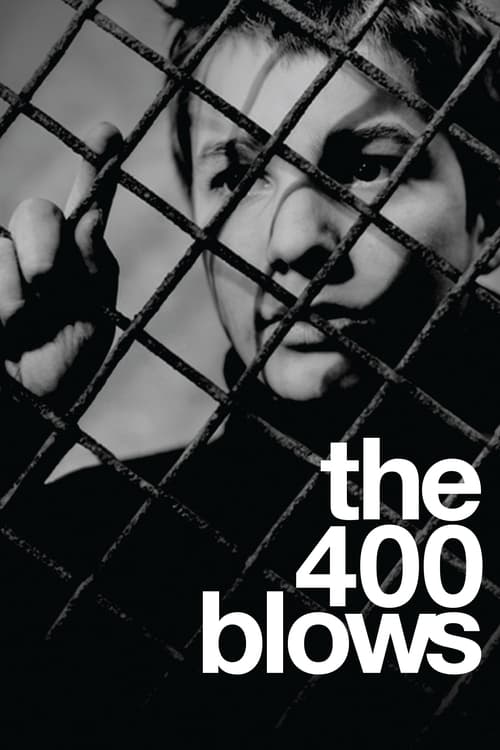
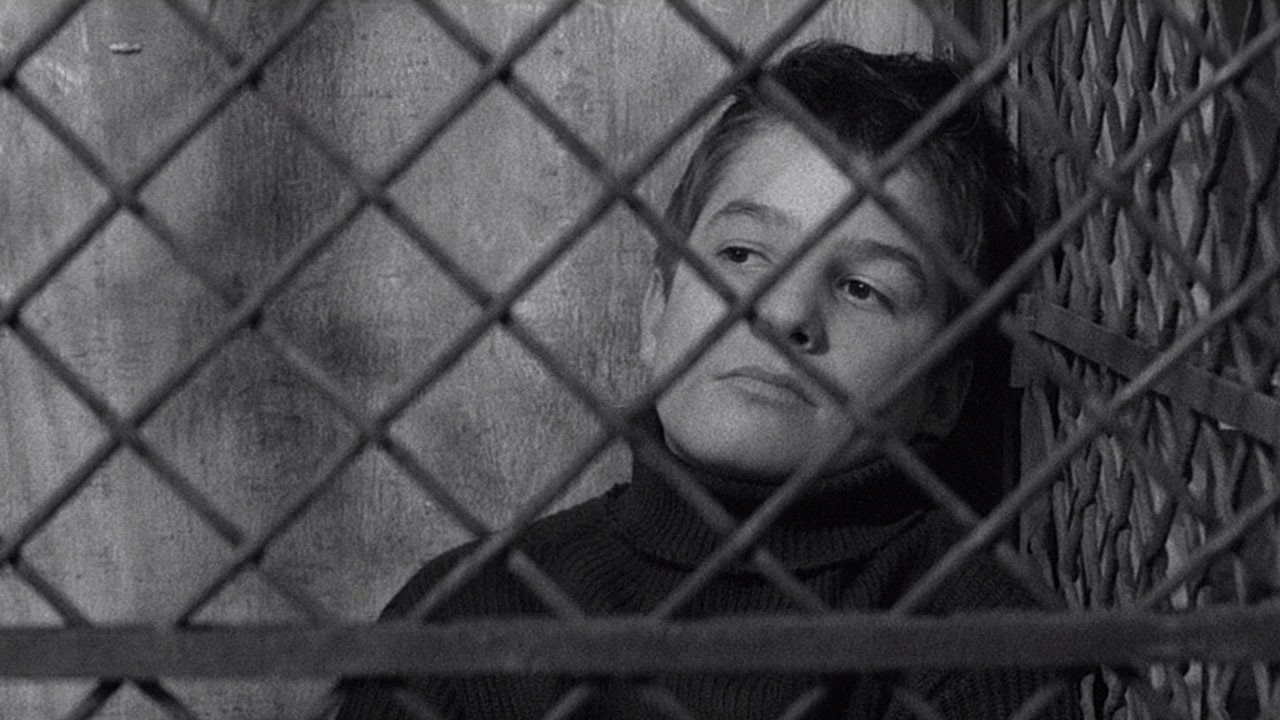
There is a specific look on Jean-Pierre Léaud’s face in the final seconds of The 400 Blows that haunted me for weeks after I first saw it. It’s a look of total, paralyzed uncertainty. I remember watching this for the first time on a humid Tuesday while eating a slightly stale croissant, which felt appropriately on-brand for a French masterpiece, even if my living room was a far cry from the gritty streets of 1950s Paris.
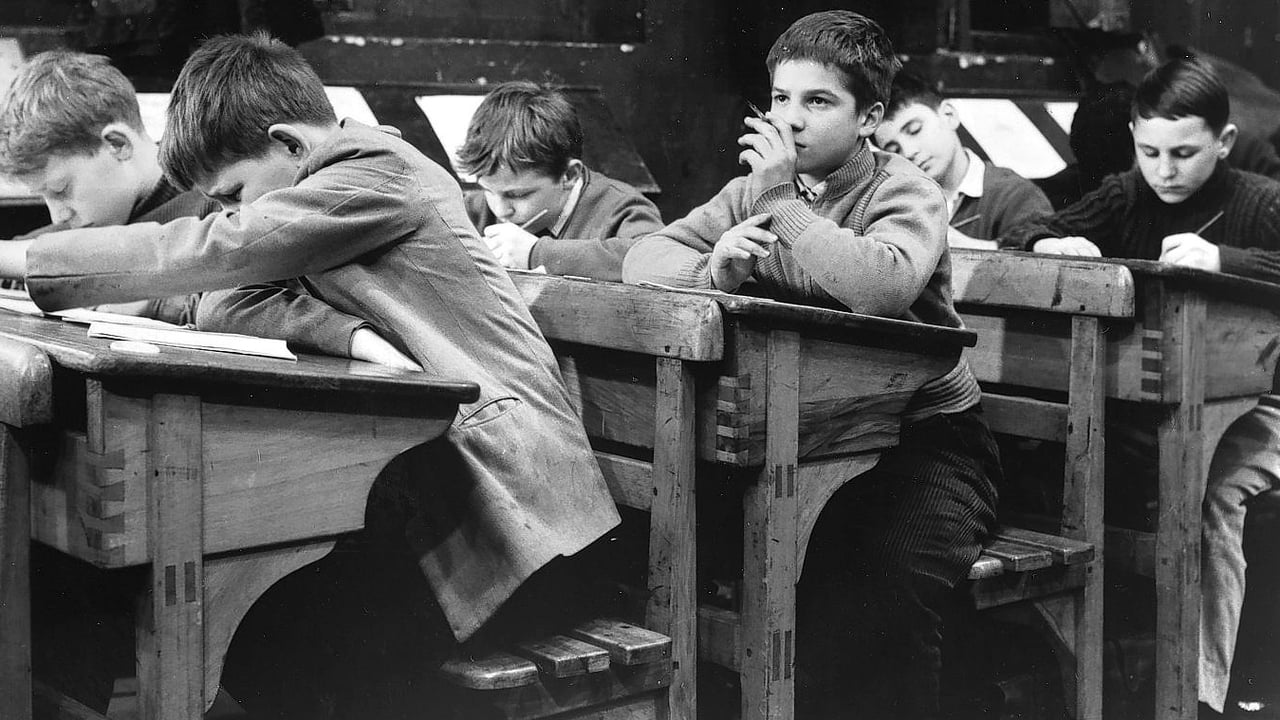
At the time, I didn't realize I was watching the cinematic equivalent of a molotov cocktail being thrown at the "Golden Age" of cinema. While Hollywood was busy perfecting the glossy, widescreen Technicolor musical, a young critic-turned-director named François Truffaut was busy proving that you didn't need a massive studio backlot to tell a story. You just needed a kid, a camera, and a lot of nerve.
The Kid Who Broke the Camera
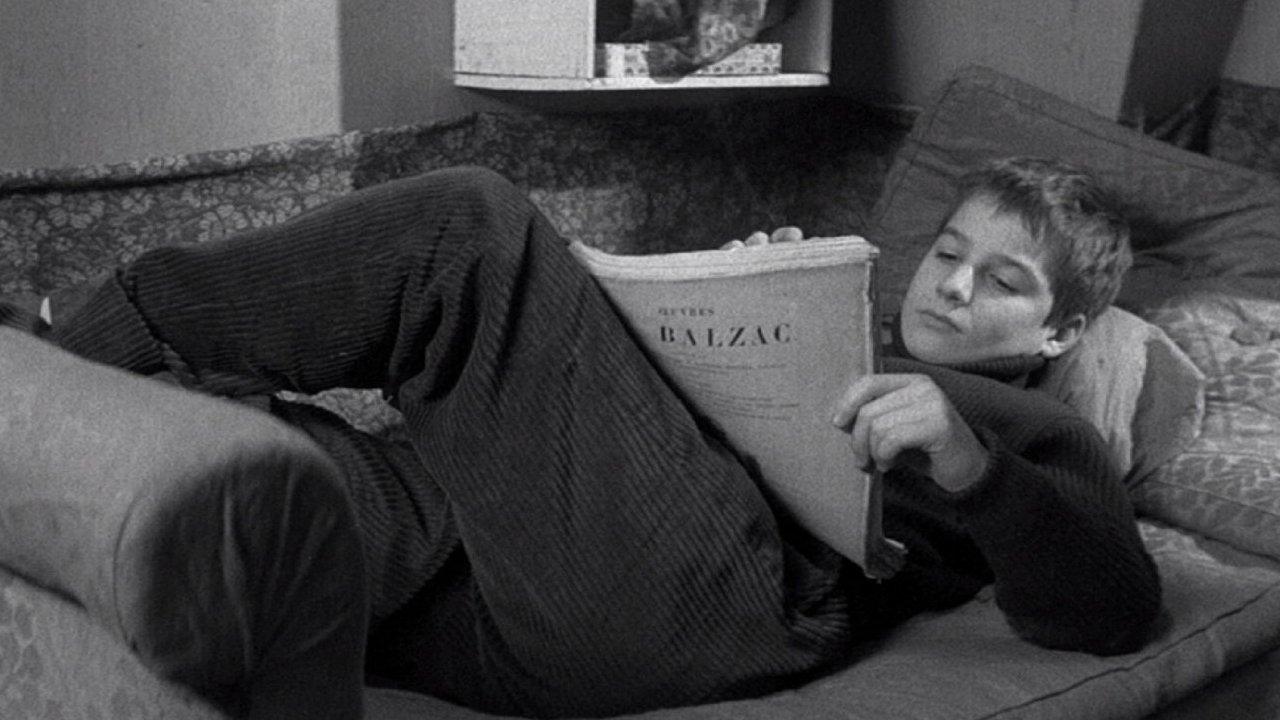
Antoine Doinel isn’t a "movie kid." He doesn’t have cute catchphrases or a heart of gold that wins over the grumpy neighbor. He’s a bit of a liar, a bit of a thief, and a total headache for his teachers. But as I watched him navigate a tiny apartment where he has to sleep in the hallway and dodge his mother’s blatant affairs, I realized: the adults in this movie have all the emotional range of a damp sponge.
Jean-Pierre Léaud delivers a performance that feels less like acting and more like a documentary of a soul being squeezed. Truffaut didn't just cast a child; he found a collaborator. During the famous interview scene with the psychologist, Truffaut actually stayed off-camera and let Léaud improvise his answers. The result is so raw it makes most modern coming-of-age dramas look like a greeting card. I once tried to replicate the spinning-fairground-ride shot by having my brother rotate me in a laundry basket; it lacked the cinematic grace of Henri Decaë’s cinematography, and I mostly just ended up with a headache.
When "Raising Hell" is a Survival Strategy
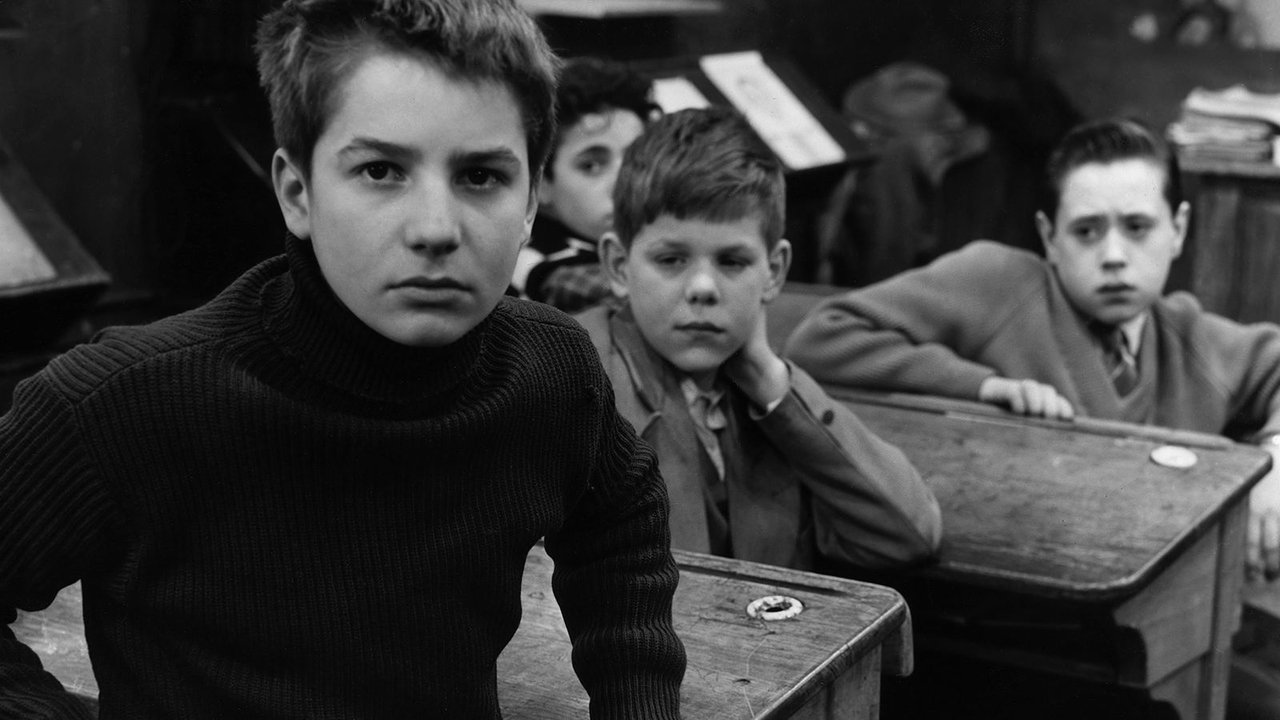
The title itself, Les Quatre Cents Coups, is a French idiom that roughly translates to "to raise hell." It’s a perfect fit. Antoine and his friend René wander the streets of Paris like urban explorers, stealing typewriters and skipping school to watch movies. To the authorities, Antoine is a delinquent. To us, he’s just a kid trying to find a corner of the world that isn’t trying to fold him into a shape he doesn't fit.
This is where the film’s "Cult Classic" DNA really kicks in. It wasn't just a hit; it was the birth of the French New Wave. Truffaut was a critic who had spent years trashing the "Tradition of Quality" in French cinema—those stuffy, stagey films that felt like they were preserved in formaldehyde. The 400 Blows was his manifesto. It’s messy, it’s spontaneous, and it’s deeply personal. Truffaut himself was a juvenile delinquent who was saved by his love of cinema and his mentor, the critic André Bazin. The film is dedicated to Bazin, who died just as production began, adding a layer of bittersweet reality to the whole project.
The Accidental Ending That Changed History
One of the coolest details about this film is how much of it was discovered in the moment. Apparently, the legendary final shot—the freeze-frame that has been analyzed in every film school on the planet—wasn't even in the script. During editing, Truffaut realized he didn't have a definitive "ending" to Antoine’s run toward the ocean. He decided to freeze the frame and zoom in on Léaud’s face. It was a technical fix that became a stroke of genius, leaving us suspended in Antoine’s transition from childhood into... what?
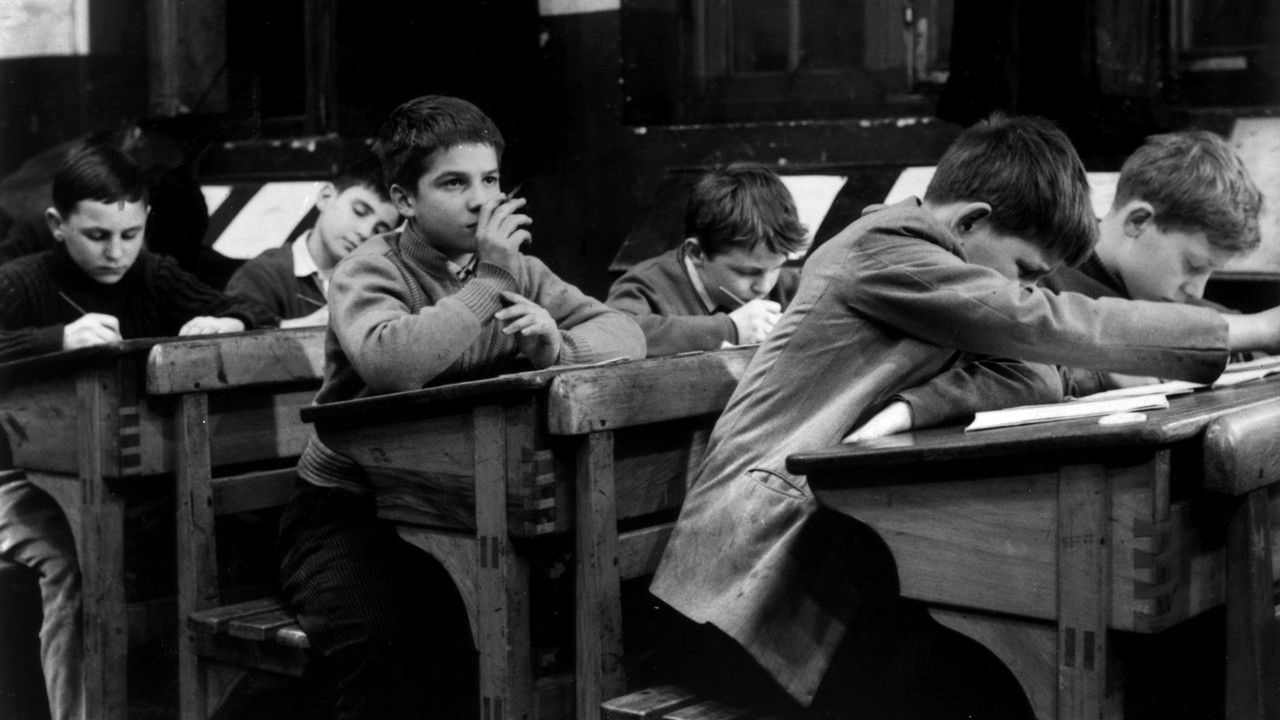
The film's legacy is tucked into the way it treats its subject. It doesn't judge Antoine, but it doesn't coddle him either. It understands that being a kid is basically a long-term prison sentence where the guards are your parents. It’s a film that asks us to look at the "troubled" kid and wonder if the world around him is the one that's actually broken.
The 400 Blows isn't just a "historical" watch for film nerds; it's a living, breathing piece of art that still feels startlingly modern. It’s the ultimate "outsider" movie, made by people who loved cinema enough to tear it down and rebuild it from scratch. Whether you're a fan of French culture or just someone who remembers what it’s like to feel misunderstood, this is the one. Just maybe skip the laundry basket experiments.
Keep Exploring...
-
Jules and Jim
1962
-
Sunset Boulevard
1950
-
Hiroshima Mon Amour
1959
-
La Strada
1954
-
Sabrina
1954
-
Seven Samurai
1954
-
Rebel Without a Cause
1955
-

The Ten Commandments
1956
-
12 Angry Men
1957
-
The Seventh Seal
1957
-
Throne of Blood
1957
-
Wild Strawberries
1957
-

Ben-Hur
1959
-
Fahrenheit 451
1966
-
The Grapes of Wrath
1940
-
Citizen Kane
1941
-
Casablanca
1943
-

Laura
1944
-
It's a Wonderful Life
1946
-

Bicycle Thieves
1948