Breathless
"Live fast, die young, and never look back."
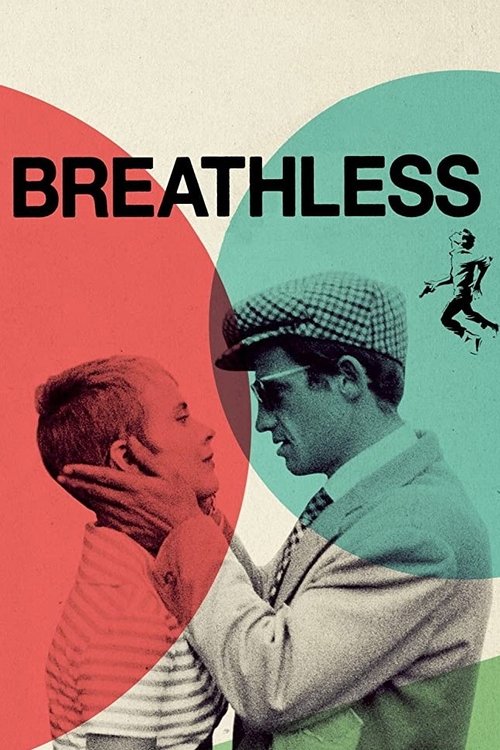
The first time I saw Jean-Paul Belmondo stare directly into the camera lens and tell me that if I didn’t like the beach, I should go jump in the lake, I felt like I’d been slapped. Not a mean slap—more like the kind a friend gives you to wake you up when you’ve been zoning out for too long. In 1960, cinema was largely a polite, staged affair. Then Jean-Luc Godard showed up with a stolen camera, a tiny budget, and a leading man who looked like a broken nose wrapped in charisma, and he set the whole thing on fire.
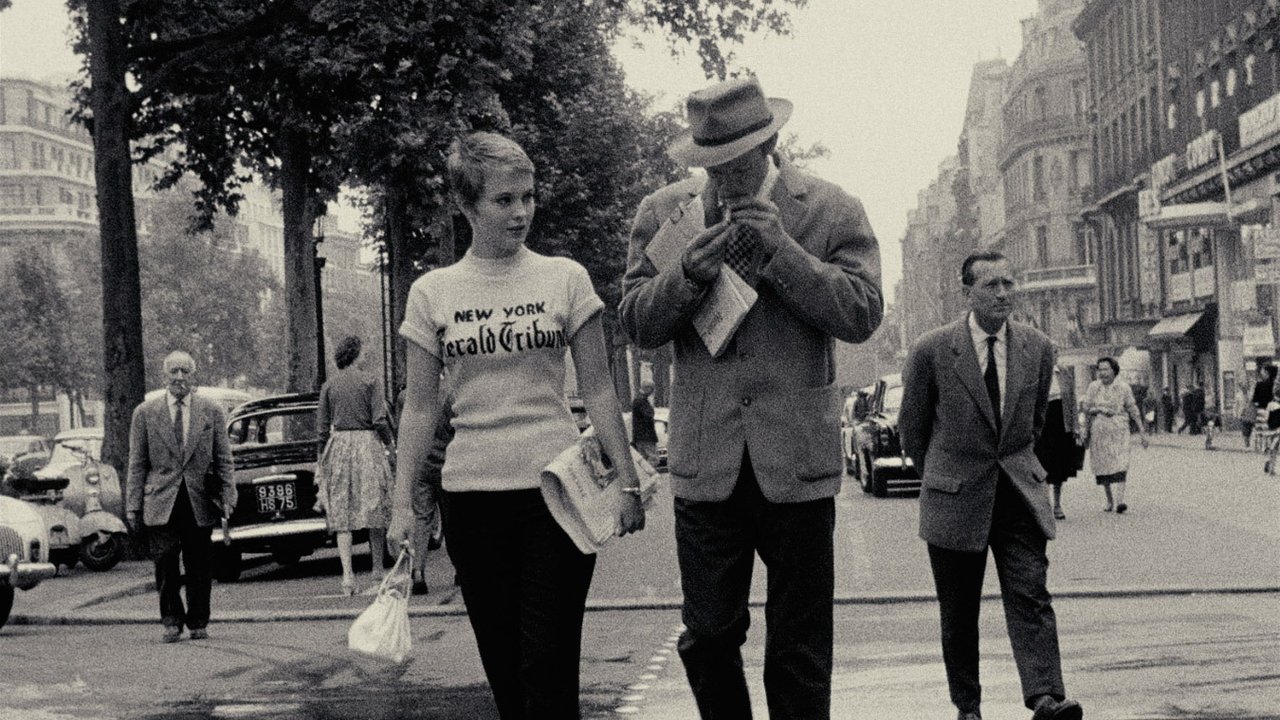
I watched this most recent time while nursing a slightly burnt piece of sourdough toast, and the crunch of the charcoal-tinged crust seemed to punctuate the jump cuts perfectly. Breathless (or À bout de souffle) isn't just a movie; it’s an attitude. It’s the cinematic equivalent of that one person we all know who is objectively a disaster but somehow remains the coolest person in the room.
The Beautiful Mess of a Masterpiece
The plot is almost secondary, which was Godard’s first big "screw you" to the establishment. Michel Poiccard (Jean-Paul Belmondo) is a small-time hood who steals a car, impulsively shoots a motorcycle cop, and then spends the rest of the movie trying to convince an American journalism student, Patricia (Jean Seberg), to flee to Italy with him. That’s it. In a traditional 1950s Hollywood flick, this would be a high-stakes race against time. Here? It’s a lot of smoking, talking about death, and wandering around Paris.
What makes it intense isn't the police chase—it’s the nihilism. Michel is a man who has modeled his entire personality on Humphrey Bogart. He isn't living a life; he’s performing one. Godard was basically the original "film bro" but with actual talent, and he uses Michel to show us the hollow core of that obsession. There is a genuine darkness to how little Michel cares about the life he took or the one he’s wasting. He’s charming, sure, but he’s a sociopath with a great hat.
The "jump cuts" are the stuff of film school legend, but they weren't just an artistic choice. Legend has it the first cut of the film was over two hours long. The producer told Godard it had to be 90 minutes. Instead of cutting whole scenes, Godard just started hacking frames out of the middle of shots. It gives the film this caffeinated, nervous energy. It feels like Michel’s heartbeat—erratic, fast, and prone to stopping suddenly.
Faces of the New Wave
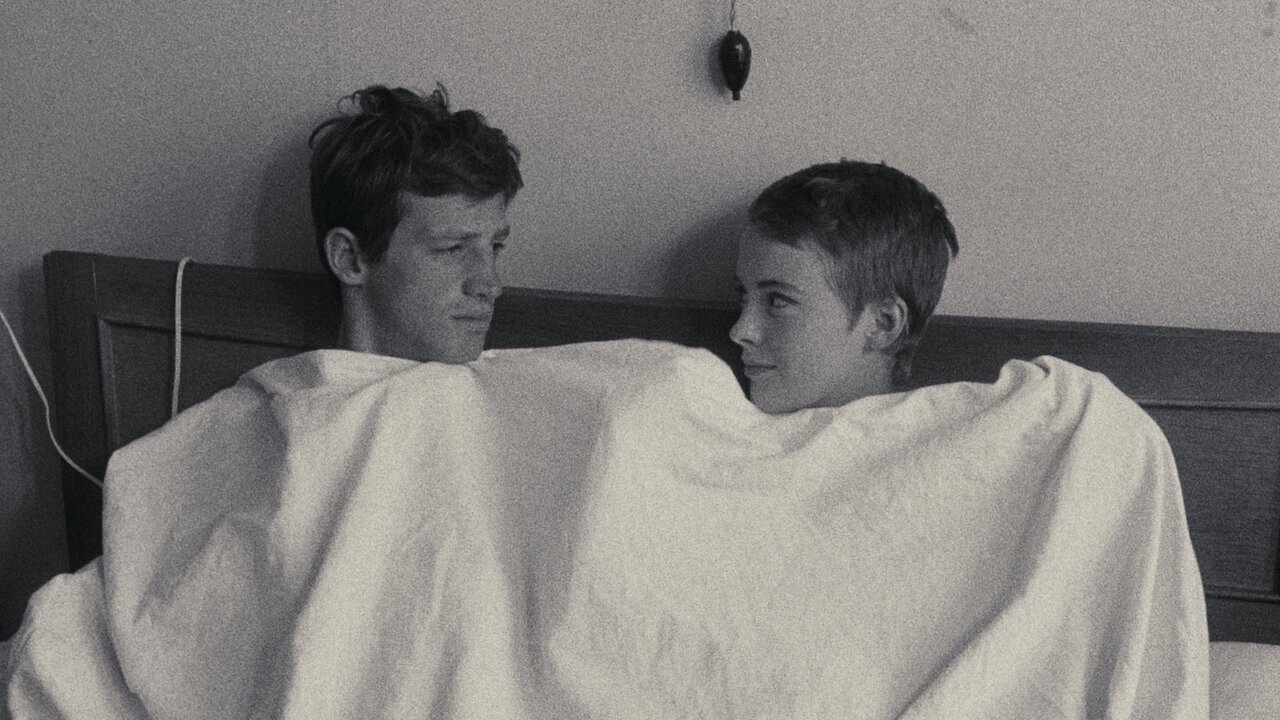
If Jean-Paul Belmondo provides the brawn and the bravado, Jean Seberg provides the soul—and a fair amount of the mystery. With her pixie cut and her "New York Herald Tribune" t-shirt, she became an instant icon of the era. But look closer at her performance. Patricia isn't just a "girl" in a crime movie. She’s navigating a world of men who won’t stop talking at her.
The chemistry between the two is electric precisely because it’s so transactional. He wants a partner in crime; she wants to know if she’s actually in love or just bored. Their long scene in the bedroom—nearly 25 minutes of the film’s runtime—is a masterclass in domestic tension. It’s rare to see a film let its characters just be for that long, and it’s where the drama feels most earned. You see the cracks in Michel’s "tough guy" facade and the growing coldness in Patricia’s eyes. The ending isn't a tragedy of fate; it’s a tragedy of two people who simply don't know how to be real with each other.
A Revolution Built on Spare Change
The behind-the-scenes reality of Breathless is a love letter to the "hustle." They had a budget of about $80,000, which was peanuts even then. Because they couldn’t afford a dolly (the tracks used to move a camera smoothly), cinematographer Raoul Coutard sat in a wheelchair while Godard pushed him around the streets of Paris. They didn't have permits for most of their locations; they just filmed until the cops told them to move.
That lack of polish is exactly why it works. It’s gritty, it’s grey, and it feels like the 1960s actually felt—not the Technicolor version Hollywood was selling. Godard didn't even have a finished script most days; he’d write dialogue in a notebook at a cafe every morning and feed the lines to the actors right before the cameras rolled. This created a frantic, improvisational vibe that Belmondo thrived on. You can tell he’s making half of it up as he goes, and that unpredictability keeps the stakes feeling dangerously high.
Breathless is the bridge between the old world of cinema and the "New Hollywood" of the 70s. Without Michel Poiccard, we don't get the anti-heroes of Scorsese or the stylized violence of Tarantino. It’s a film that demands you pay attention, not because the plot is complex, but because the style is so aggressive. It’s a dark, cool, and ultimately devastating look at what happens when you try to live your life like a movie. Spoiler alert: the credits eventually have to crawl.


Keep Exploring...
-
Pierrot le Fou
1965
-
Contempt
1963
-
High and Low
1963
-
In the Heat of the Night
1967
-
Straw Dogs
1971
-
Mean Streets
1973
-
Serpico
1973
-
Badlands
1974
-

The Conversation
1974
-
Midnight Express
1978
-
West Side Story
1961
-
Peeping Tom
1960
-
What Ever Happened to Baby Jane?
1962
-
The Great Escape
1963
-

Repulsion
1965
-
Bonnie and Clyde
1967
-
Cool Hand Luke
1967
-
Le Samouraï
1967
-
Dog Day Afternoon
1975
-

Taxi Driver
1976