Psycho
"Check in. Unpack. Never leave."
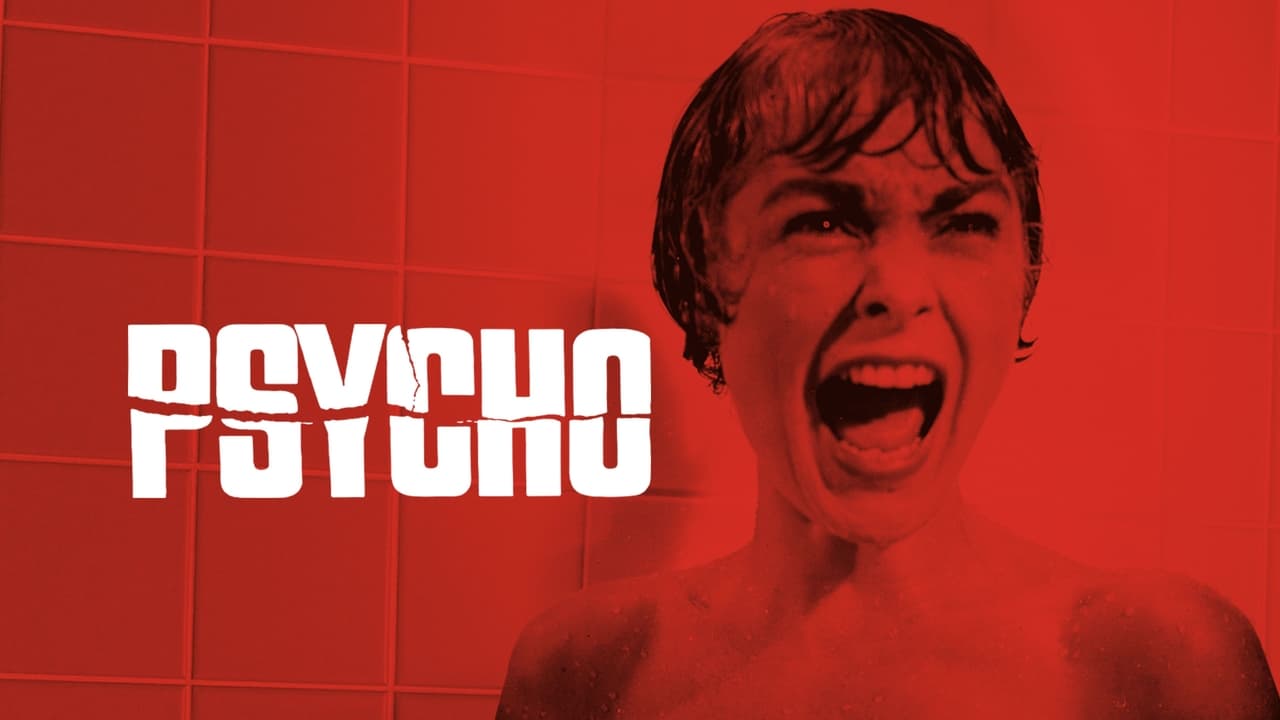
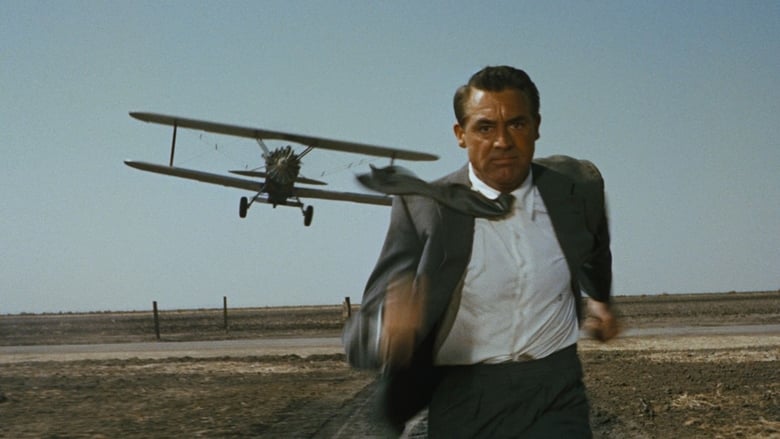
There is a specific kind of arrogance required to kill off your biggest star forty minutes into a movie, and in 1960, only Alfred Hitchcock had the stones to do it. While we usually associate the "Master of Suspense" with the glossy, Technicolor grandeur of North by Northwest or the voyeuristic obsession of Rear Window, Psycho was a dirty, low-budget gamble that nearly didn’t happen. I watched this most recent time while picking at a bowl of lukewarm popcorn that had more unpopped kernels than actual fluff, which felt strangely appropriate for a movie that refuses to offer the viewer any comfort.
The $800,000 Middle Finger
By the late fifties, the major studios thought Hitchcock was losing his grip on the zeitgeist. Paramount hated the source material—a grisly novel by Robert Bloch—and refused to provide the standard budget. Instead of backing down, Hitchcock pivoted with the agility of a hungry indie filmmaker. He financed the film himself, deferred his fee for a 60% stake in the negative, and hired his television crew from Alfred Hitchcock Presents to keep things fast and cheap.
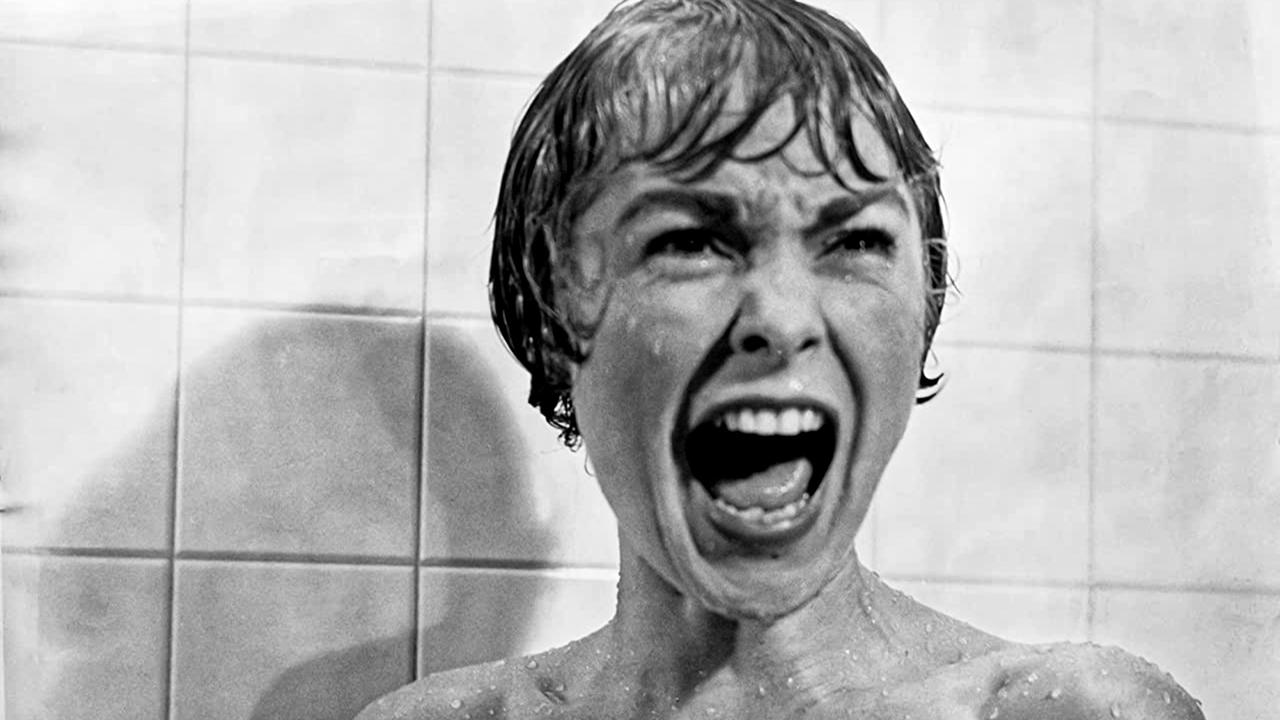
Choosing to shoot in black-and-white wasn't just an aesthetic choice; it was a tactical one. Beyond the cost savings, Hitchcock knew that the "shower scene" would never pass the censors if the blood looked too much like the real thing. Instead, he used Bosco Chocolate Syrup, which had a thicker, more unsettling consistency on monochrome film than any synthetic stage blood available at the time. This resourcefulness is the hallmark of the independent spirit—turning a "no" from the suit-and-tie crowd into a "yes" that changed cinema forever.
The Tragedy of Norman Bates
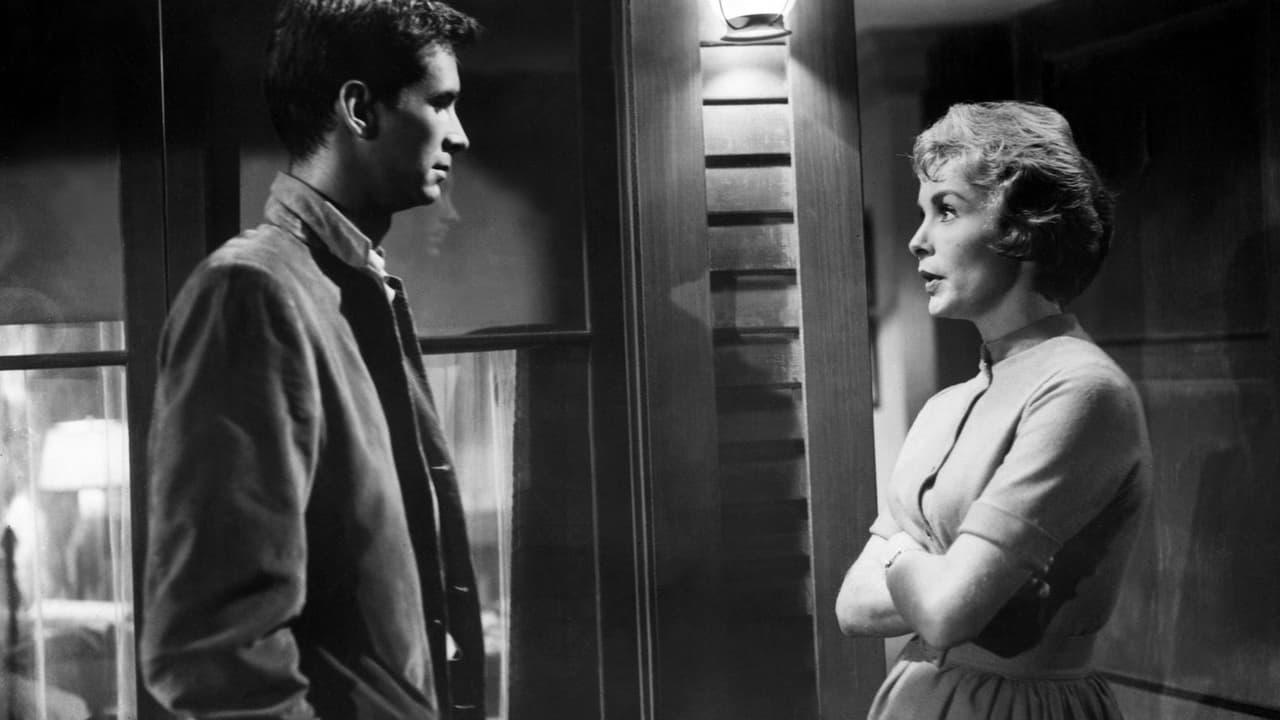
While the shower scene gets the textbooks, the movie lives and breathes through Anthony Perkins. Before this, Perkins was a lean, boyish heartthrob, but as Norman Bates, he weaponized that gentleness. There is a specific scene—the "sandwich in the parlor" moment—where Norman discusses his mother while surrounded by stuffed birds. I’ve always found the way he stutters over the word "trap" to be one of the most chilling pieces of acting in the 1960s. He isn't a snarling monster; he’s a lonely guy who just happens to be a deadly extension of a fractured mind.
Opposite him, Janet Leigh gives a performance that is masterfully tense before it is tragically brief. As Marion Crane, she carries the first act with a palpable sense of guilt. You feel every bead of sweat as she drives through the rain, the voices of her boss and her lover echoing in her head. It’s a bait-and-switch that still works today because Leigh makes you care about her redemption right before the rug is pulled out. When Vera Miles and John Gavin take over the investigation later, the film shifts into a more traditional mystery, but the ghost of Marion Crane lingers over every frame of the Bates Motel.
Mechanics of the Macabre
We have to talk about the sound. Without Bernard Herrmann, Psycho is a very well-made thriller; with him, it is a nightmare. Hitchcock originally wanted the shower scene to be silent, but Herrmann ignored him and composed the "screaming" violins anyway. It was a rare moment where the director admitted he was wrong. Those staccato strings are the sonic equivalent of a knife's edge, and they transformed the way horror movies used scores—moving away from sweeping orchestral dread toward sharp, invasive discomfort.
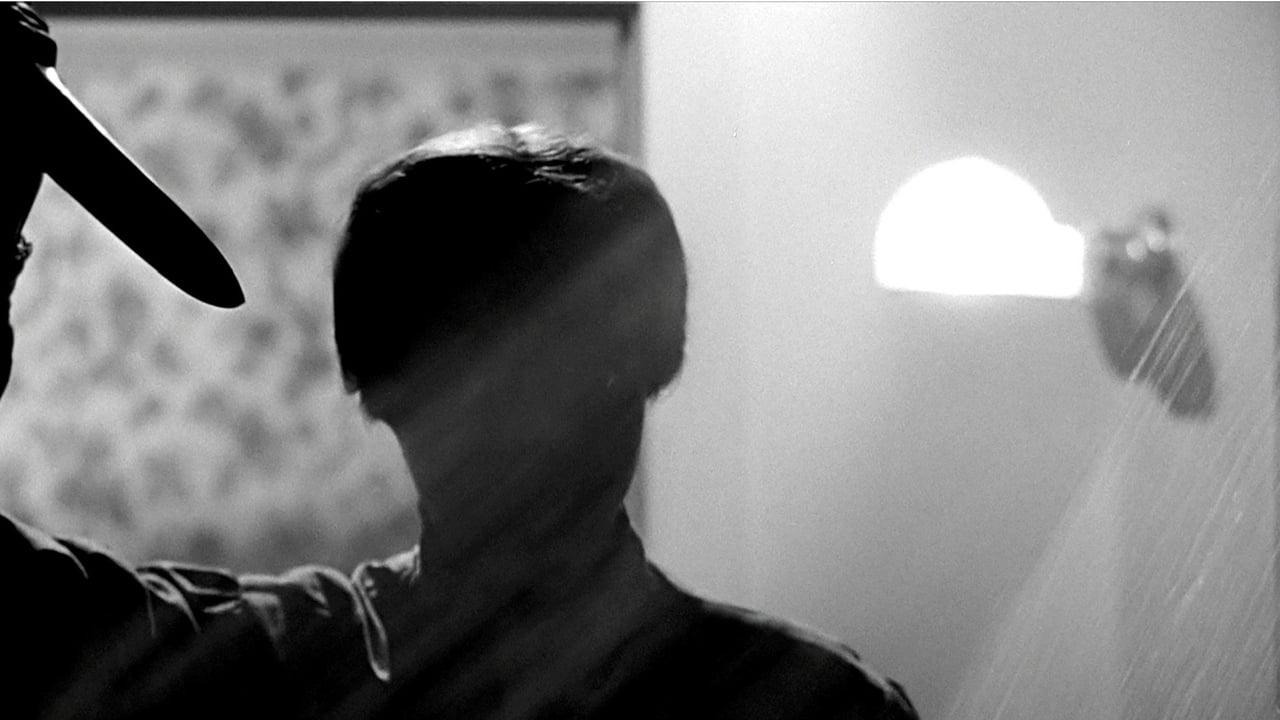
The editing by George Tomasini is equally revolutionary. The shower scene features 78 cuts in about 45 seconds, a frenetic pace that was unheard of in 1960. It tricks the brain into seeing violence that isn't actually on screen. You never actually see the knife penetrate the skin, yet your mind fills in the gaps with terrifying accuracy. This is filmmaking as psychological warfare.
From Midnight Movies to the Living Room
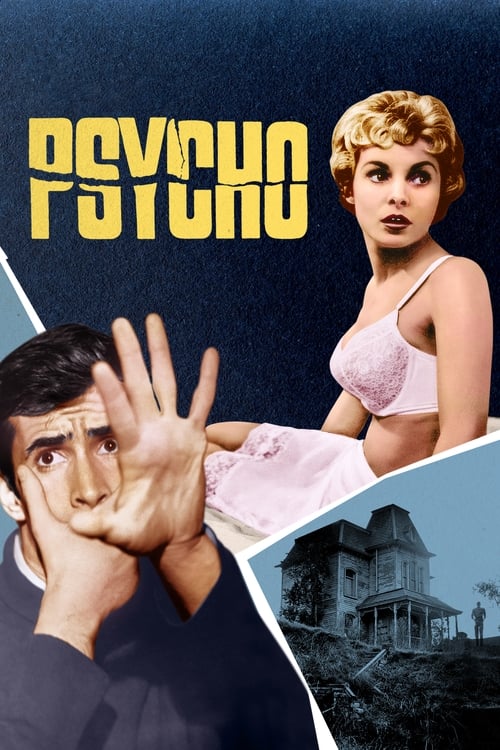
Psycho didn't just haunt theaters; it became a foundational text for the home video revolution decades later. When it eventually hit VHS in the late 70s and 80s, fans finally had the chance to do what they couldn't do in the cinema: freeze-frame the shower scene to see if they could spot the nudity or the knife contact. This obsession with the "impossible" shot turned the film into a cult object for a new generation of slasher fans who were being raised on Halloween or Friday the 13th. The "Psycho Collection" box sets became staples for collectors, often featuring cover art that highlighted the gothic silhouette of the house on the hill—a visual shorthand for "don't go in there."
Even the marketing was a stroke of genius. Hitchcock famously forbade "late admission," a gimmick that turned the film into an event. He understood that the movie’s power lay in its disruption of the narrative status quo. You don't just watch Psycho; you survive it. It stripped away the safety of the American highway and the sanctity of the private home, leaving us with the realization that sometimes, the person checking you into your room is more broken than the world you're running away from.
Ultimately, Psycho is the bridge between the Old Hollywood of controlled studio sets and the New Hollywood of grit and psychological trauma. It proved that you didn't need a massive budget to terrify the world; you just needed a sharp eye, a sharper knife, and a director willing to bet his own house on a story about a boy and his mother. Decades later, the Bates Motel is still open, and it remains the most essential check-in in movie history.
Keep Exploring...
-
The Birds
1963
-

Rebecca
1940
-
Notorious
1946
-
Rear Window
1954
-
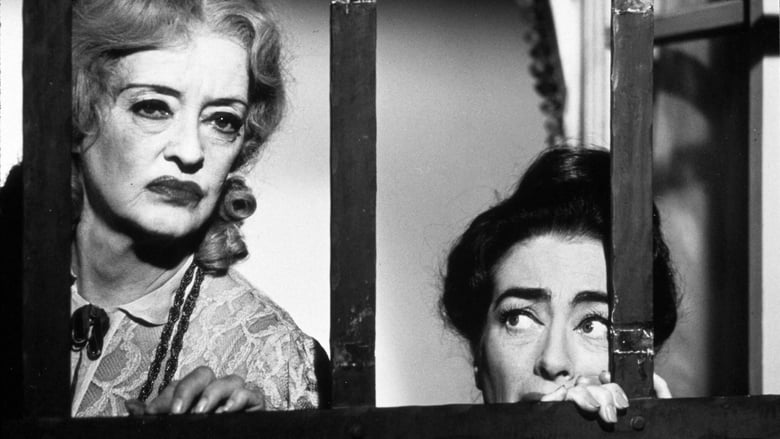
What Ever Happened to Baby Jane?
1962
-
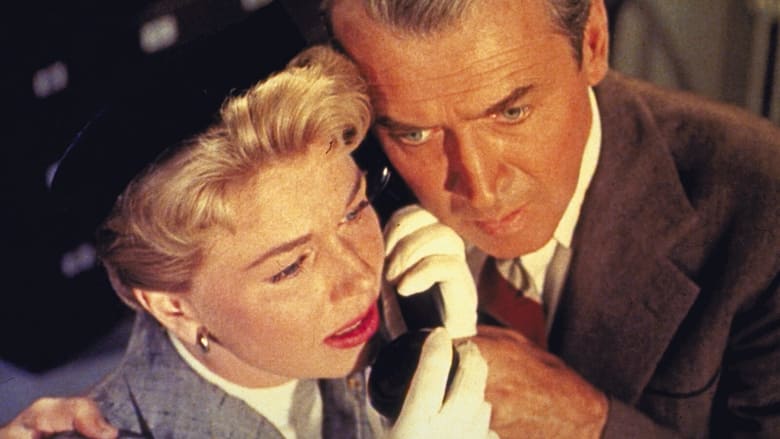
The Man Who Knew Too Much
1956
-

Vertigo
1958
-
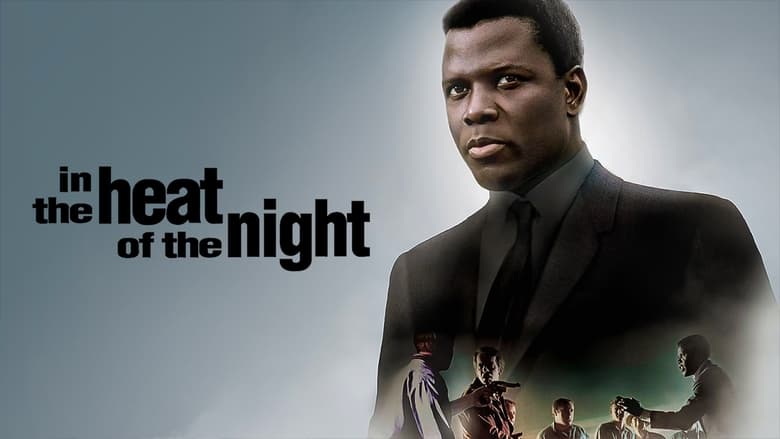
In the Heat of the Night
1967
-
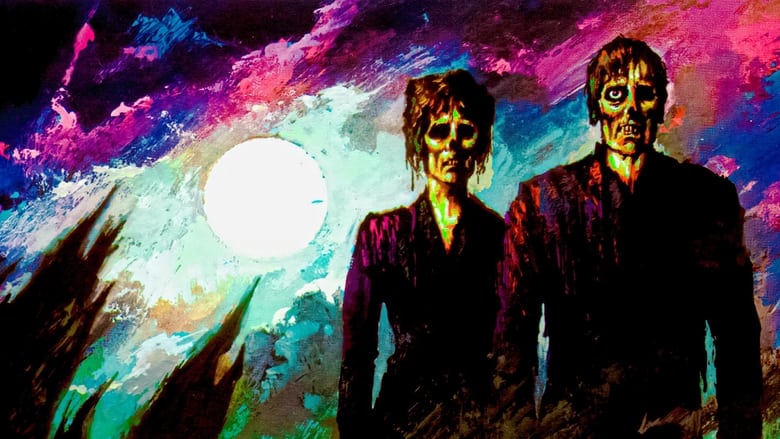
Night of the Living Dead
1968
-

Halloween
1978
-
Marnie
1964
-
Frenzy
1972
-
North by Northwest
1959
-
Deep Red
1975
-
Suspicion
1941
-
Spellbound
1945
-
Shadow of a Doubt
1943
-
Rope
1948
-
All the President's Men
1976
-
To Catch a Thief
1955