The Apartment
"Corporate climbing has never felt so lonely—or so funny."
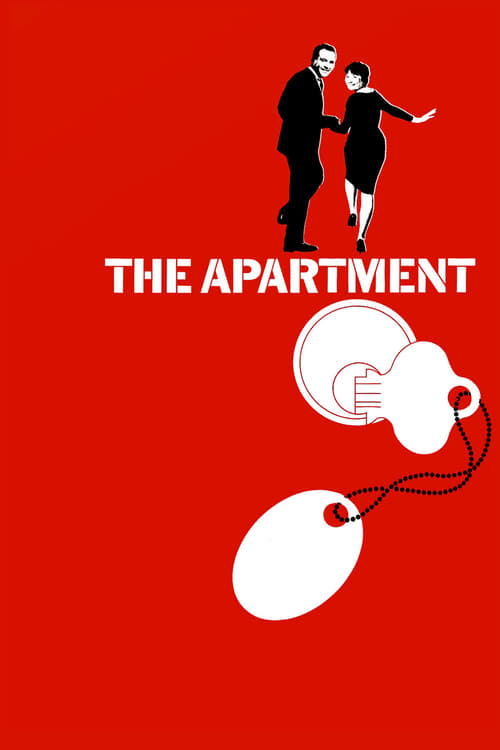
The first time I saw the office set in The Apartment, I felt a genuine phantom pain in my lower back. That vast, soul-crushing expanse of desks stretching into infinity—achieved through forced perspective and tiny desks in the back—is the ultimate visual shorthand for being a "cog." It’s a 1960 film, but it feels like the exact moment the glossy, sanitized "Golden Age" of Hollywood finally admitted it had a hangover.
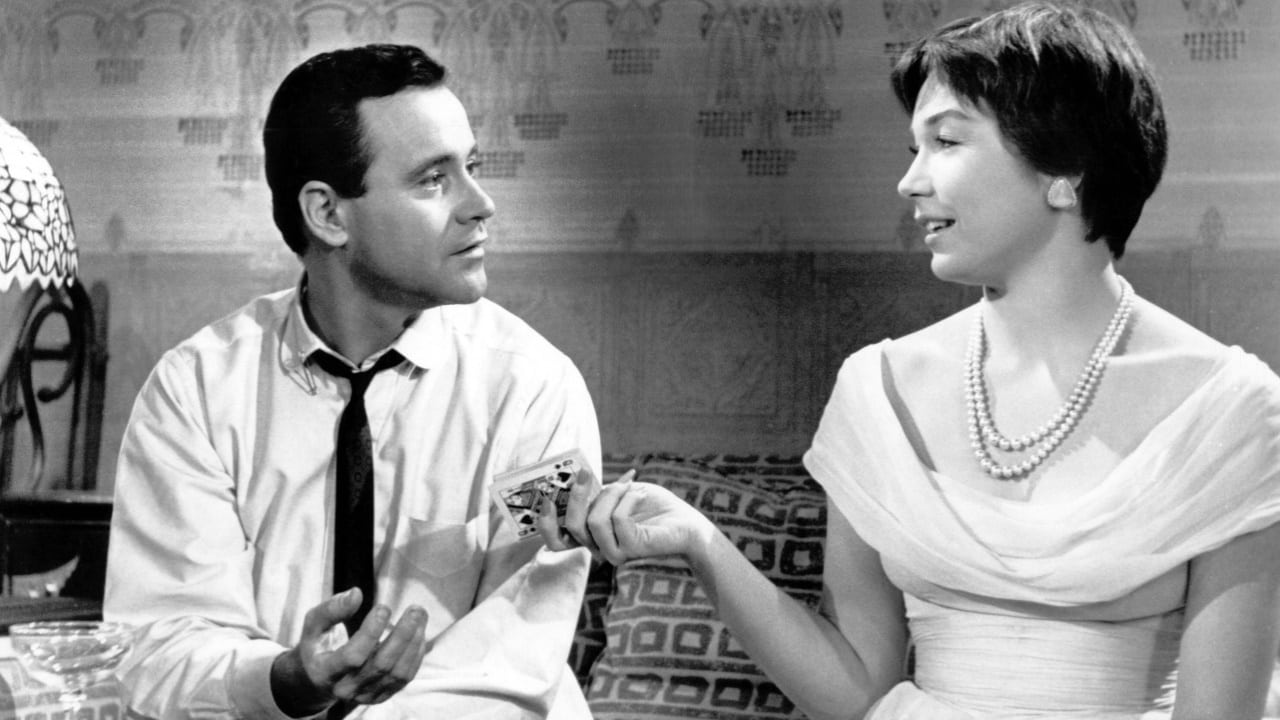
I actually watched this most recently on a rain-slicked Tuesday while nursing a slightly-too-salty bowl of instant ramen, and honestly, the saltiness suited the mood perfectly. Billy Wilder didn't just make a romantic comedy; he made a film about the transactional nature of the human soul, then hid it inside a story about a guy who strains spaghetti through a tennis racket.
The Key to the Executive Washroom
At its heart, this is a story about C.C. "Bud" Baxter, played with a frantic, twitchy perfection by Jack Lemmon. Bud is a "shlub"—a low-level insurance clerk who discovers that the fastest way to the 27th floor isn't hard work, but lending out his bachelor pad to his married superiors for their illicit afternoon "meetings."
What strikes me every time I revisit this is how incredibly dark the premise is. Bud Baxter is essentially acting as a high-end pimp for the middle-management set. It’s a cynical look at the corporate ladder, where morality is a currency you spend to get a better desk. Jack Lemmon manages a miracle here; he makes Bud likable even when he’s checking his watch while a mistress puts her stockings back on in his bed. You don't judge him because you see the exhaustion in his eyes. He’s not a predator; he’s just a guy who’s tired of standing in the rain.
Then there’s Fred MacMurray as Jeff Sheldrake, the big boss. If you only know MacMurray from My Three Sons, seeing him here is a shock to the system. He plays a world-class heel with such effortless, smiling cruelty that you realize why Wilder cast him. He represents the polished, corporate sociopathy that would eventually be explored decades later in shows like Mad Men.
A Different Kind of Romance

The film shifts gears when Bud discovers that the girl he’s pining for—the sharp, pixie-cut elevator operator Fran Kubelik (Shirley MacLaine)—is the one Sheldrake has been taking to the apartment.
Shirley MacLaine gives what I consider to be one of the most grounded performances of the 1960s. She’s not a "damsel," and she’s certainly not the "happy-go-lucky" girl the posters might suggest. She’s a woman who’s been hollowed out by a man who promises her the world while giving her a cracked mirror and a five-dollar bill. The scene where Bud finds her in his bed after a suicide attempt is where the "comedy" tag feels almost like a prank. Wilder and his writing partner I. A. L. Diamond walk a razor-thin wire between suicide-attempt drama and witty banter, and they never once fall off.
It’s cerebral because it asks us to consider what we’re willing to trade for a "promotion." Bud wants the title; Fran wants the love. Both are settling for scraps thrown from Sheldrake’s table. The resolution isn't a grand, sweeping cinematic kiss; it’s a quiet realization that being a "mensch"—a human being—is more important than being an Assistant Director of Personnel.
Practical Magic and the VHS Legacy
Technically, the film is a masterclass in deep-focus cinematography. Joseph LaShelle uses the widescreen frame to emphasize Bud’s isolation. Even when he’s in a crowded room, the composition makes him look like he’s on an island. There’s a specific texture to the black-and-white photography here that feels cold, like the New York winter it depicts.
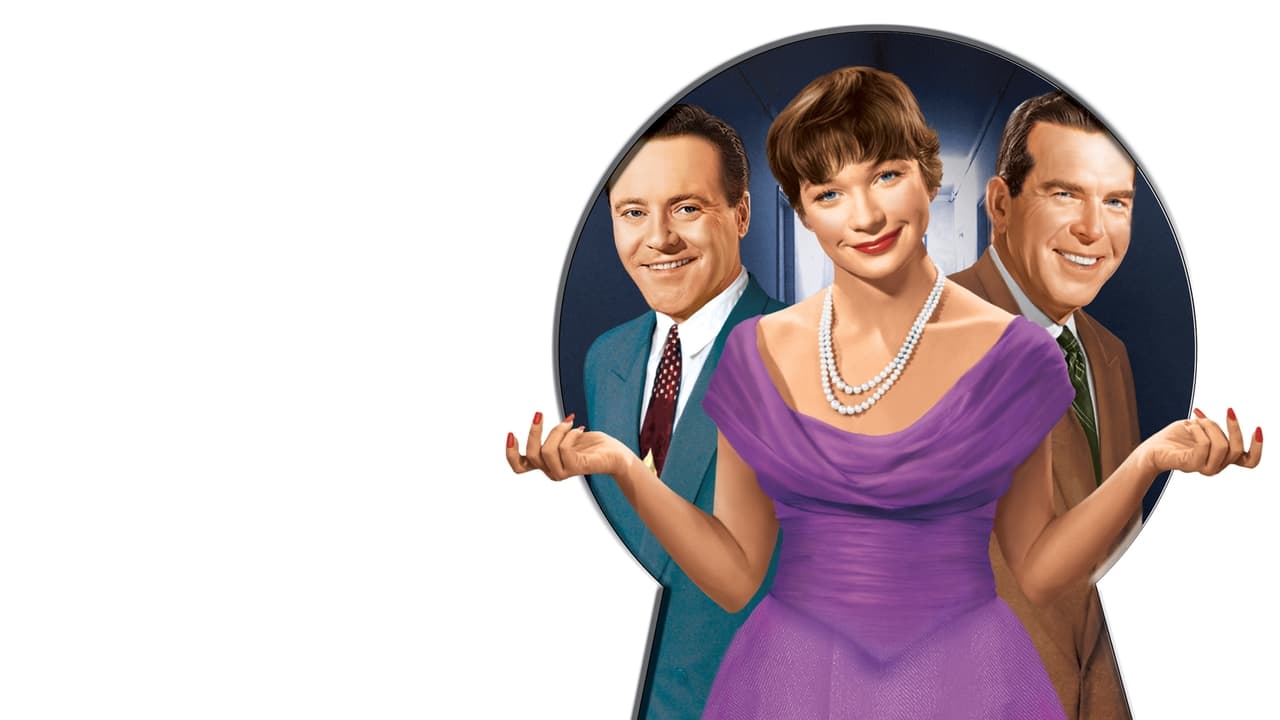
For those who grew up in the VHS era, The Apartment was often that "black and white movie" your parents owned that looked boring on the box but turned out to be surprisingly adult once you actually popped it in the VCR. I remember the old United Artists tape boxes often tried to sell it as a wacky bedroom farce, downplaying the fact that it deals with depression and corporate exploitation. It became a cult classic for the home-video crowd precisely because it rewards multiple viewings; you start for the jokes and stay for the profound sense of urban loneliness.
Interestingly, Billy Wilder was famously disciplined. He didn't like "pretty" shots for the sake of beauty; he wanted shots that told the story. The apartment itself feels like a character—cluttered, lived-in, and slightly pathetic. It’s the kind of indie-spirit filmmaking that happened to have a $3 million budget and a major studio behind it.
The Apartment is the rare "perfect" movie. It manages to be heartbreakingly sad and genuinely hilarious in the same breath. It doesn't offer easy answers about the corporate world or the nature of love, but it does suggest that, in a world of Sheldrakes, the best thing you can do is "shut up and deal." If you haven’t seen it, or if you haven't seen it since the days of tracking-fuzz on a magnetic tape, it’s time to head back to the 27th floor. Just make sure you bring your own key.

Keep Exploring...
-
Sabrina
1954
-

Some Like It Hot
1959
-
Annie Hall
1977
-
Breakfast at Tiffany's
1961
-
Harold and Maude
1971
-
Manhattan
1979
-
Guess Who's Coming to Dinner
1967
-

City Lights
1931
-

The Hustler
1961
-
Charade
1963
-
Wings of Desire
1987
-
Witness for the Prosecution
1957
-

Lolita
1962
-
My Fair Lady
1964
-

The Sound of Music
1965
-

The Graduate
1967
-
The Postman
1994
-
Sunset Boulevard
1950
-
Judgment at Nuremberg
1961
-
Being There
1979