The Magnificent Seven
"Seven guns, one village, and no happy endings."
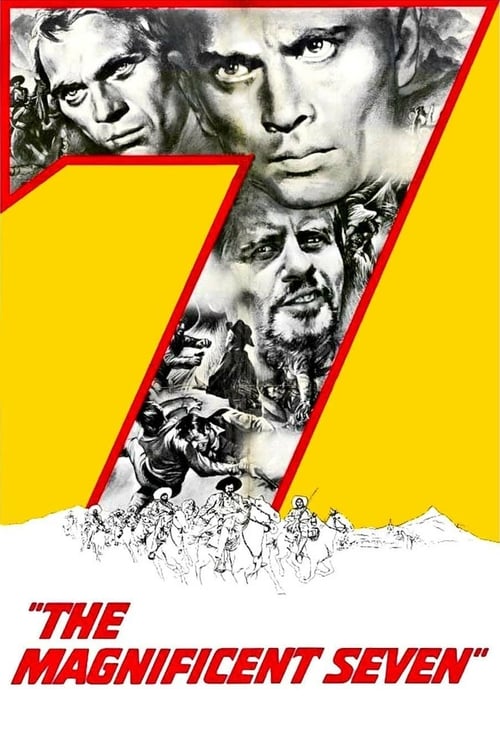
I actually watched this most recently on a Tuesday morning while procrastinating on my taxes, drinking coffee that had gone cold two hours prior, and I realized something: The Magnificent Seven is the ultimate "professional" movie. It isn't just about heroes; it’s about guys who are really, really good at a job that is slowly becoming obsolete.
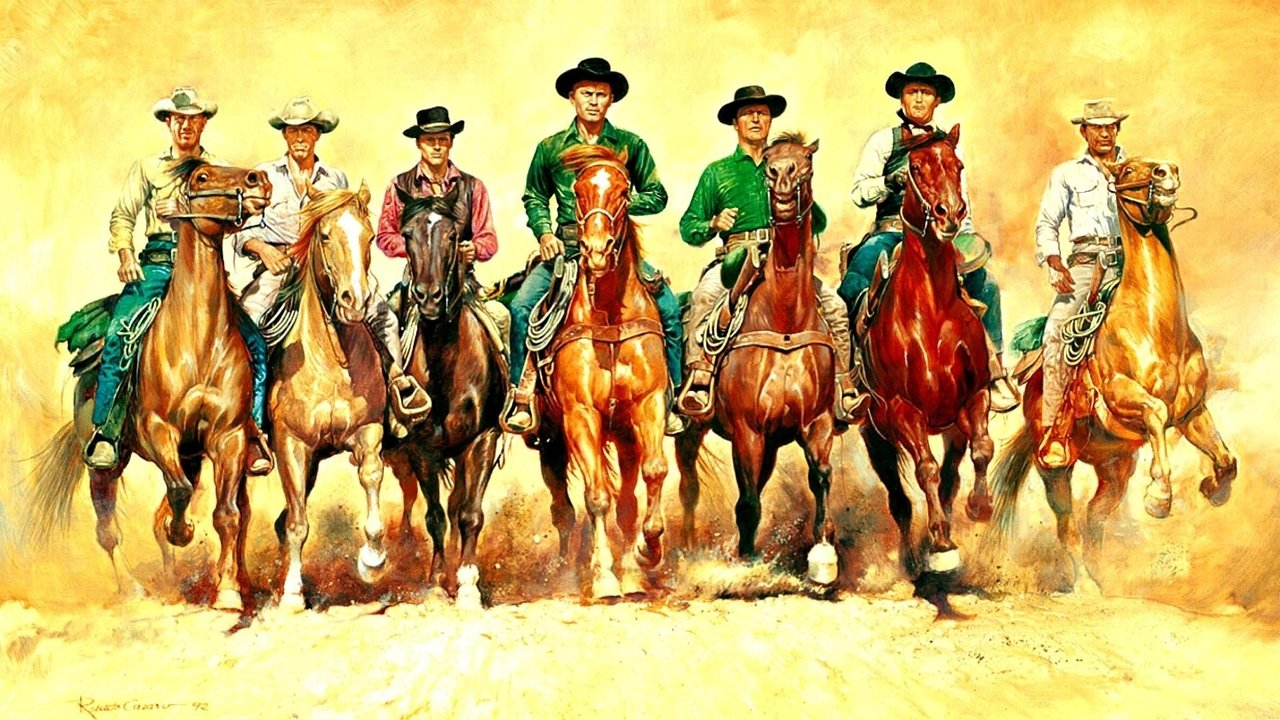
Most people know the story is a beat-for-beat Western translation of Akira Kurosawa’s Seven Samurai. While the Japanese original is a sweeping epic about class and duty, director John Sturges turned the American version into a masterclass in screen presence. I’ve always found it fascinating that a movie about a group of men working together was actually fueled by a legendary, behind-the-scenes ego war. Steve McQueen, then a rising TV star, was so desperate to steal the spotlight from the established, stoic Yul Brynner that he spent half the shoot doing "bits"—shaking shotgun shells, adjusting his hat, or checking the sun—just to draw the audience’s eye whenever Brynner was speaking. It’s a miracle the film feels like a cohesive unit when the actors were basically engaged in a silent civil war.
The Philosophy of the Hired Gun
What makes this more than just a "shoot-'em-up" is the surprisingly grim philosophy humming beneath the surface. These aren't knights in shining armor; they are drifters who are broke, tired, or running from their own shadows. Robert Vaughn, playing the elegantly dressed Lee, is a man paralyzed by his own reputation and the ghosts of the men he’s killed. Charles Bronson as Bernardo O'Reilly delivers a monologue to a group of village kids that effectively deconstructs the "cool" image of the cowboy, telling them that their fathers are the truly brave ones because they provide, while he is just a man with a gun and no home.
There’s a deep, existential weight to the dialogue by William Roberts and Walter Bernstein. It treats the profession of the "gunfighter" as a terminal illness. You’re fast until you’re slow, and then you’re dead. This is the cerebral heart of the film: the realization that winning the battle doesn't mean winning at life. I’ve always felt that the farmers are actually the most ruthless people in the movie, because they are the only ones who will still be there when the dust settles, while the "heroes" are destined to vanish.
Practical Chaos and the Marlboro Beat

The action here is a testament to the golden age of practical stunt work. When a horse falls or a building explodes, you feel the weight of it. There’s no digital safety net. The cinematography by Charles Lang captures the dusty, sun-bleached reality of a Mexican village with a clarity that still looks gorgeous today. But the real MVP—the element that makes your heart rate spike before a single shot is fired—is Elmer Bernstein’s score.
It is arguably the most famous Western theme ever written, so iconic that it was famously used for decades to sell Marlboro cigarettes. It’s a brassy, galloping piece of music that provides the momentum the film needs during its slower, more talkative middle act. Without that score, the scenes of the Seven training the villagers might feel like a chore; with it, they feel like an inevitable march toward destiny.
A Legacy on Magnetic Tape
While the film was a modest hit in the States in 1960, it became a gargantuan success in Europe and eventually found its true home in the living rooms of the 1980s. I remember the VHS box art from the "Magnificent Seven Collection"—it usually featured Yul Brynner in his all-black outfit, looking like a harbinger of doom. For many, this was the "gateway" Western. It was the film that connected the old-school heroics of John Wayne to the cynical, sweaty violence of the later Spaghetti Westerns.
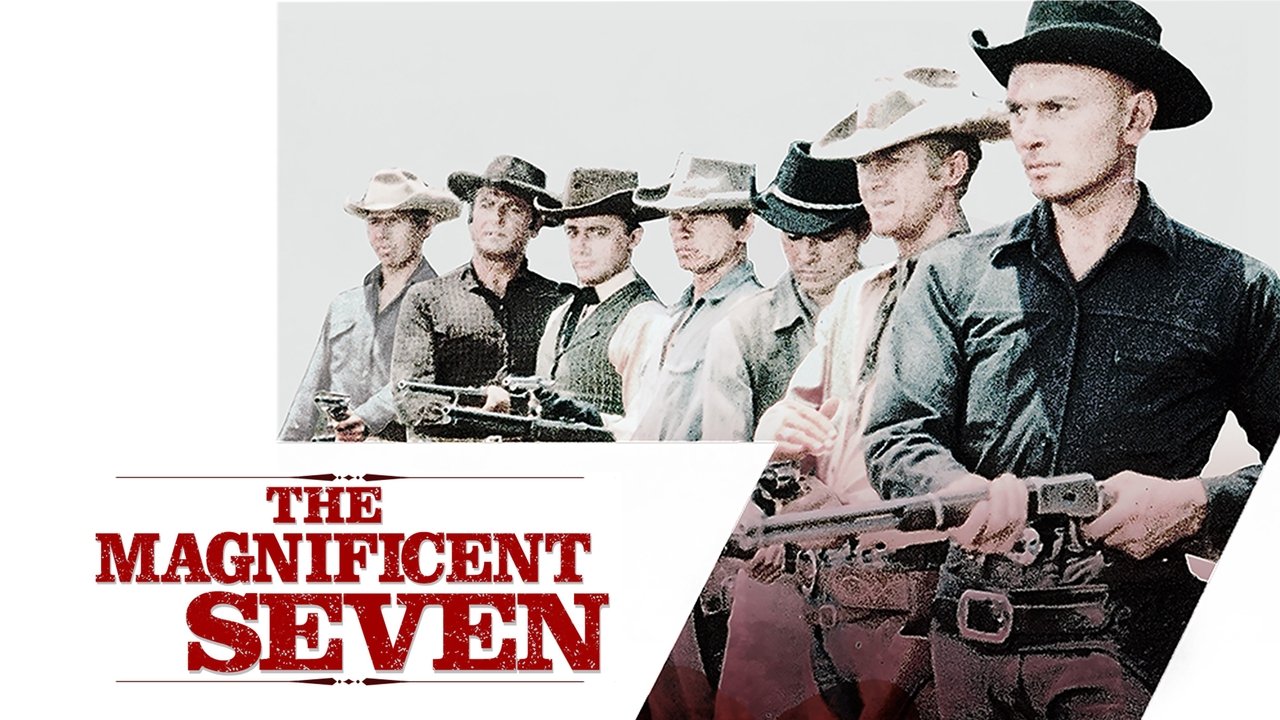
It’s also a fascinating "who’s who" of talent before they hit the stratosphere. Beyond the leads, you have Eli Wallach turning in a charismatic, almost sympathetic performance as the bandit leader Calvera. He isn't a mustache-twirling villain; he’s a man running a business, and his business happens to be robbery. His confusion at why the Seven would risk their lives for a village that can’t pay them is the film's moral compass. He represents the logic of the world, while the Seven represent a final, fleeting moment of irrational honor.
The Magnificent Seven manages to be both a thrilling action spectacle and a somber reflection on the cost of violence. It’s a film that earns its legendary status not just through its shootouts, but through its quiet moments of regret. Whether you’re watching it for the sheer charisma of the cast or the deeper questions about what it means to be a "man of action," it remains a foundational pillar of the genre that hasn't lost its edge.
Even if you’ve seen the 2016 remake, go back to the 1960 original. There is something about the chemistry of this specific group—the tension, the sweat, and that unbeatable score—that simply cannot be replicated. It’s a reminder that sometimes, the best stories aren't about winning; they’re about losing with style.


Keep Exploring...
-
The Great Escape
1963
-

Westworld
1973
-
Castle in the Sky
1986
-
Dr. No
1962
-
From Russia with Love
1963
-
Young Guns
1988
-
A Fistful of Dollars
1964
-
For a Few Dollars More
1965
-
The Good, the Bad and the Ugly
1966
-
Planet of the Apes
1968
-
Mad Max
1979
-
Mad Max 2
1981
-
Stagecoach
1939
-

The Man Who Shot Liberty Valance
1962
-
Nausicaä of the Valley of the Wind
1984
-

Goldfinger
1964
-
The Time Machine
1960
-
The Dirty Dozen
1967
-
The Apartment
1960
-
Judgment at Nuremberg
1961