Breakfast at Tiffany's
"A lonely girl, a nameless cat, and a city that never lets you belong."
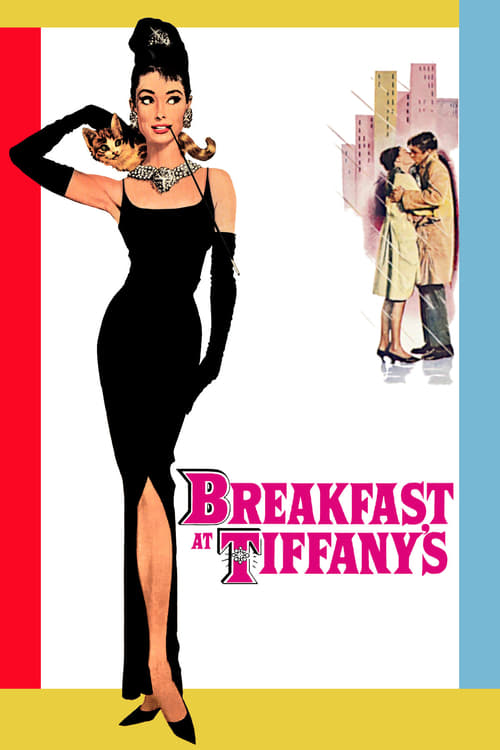
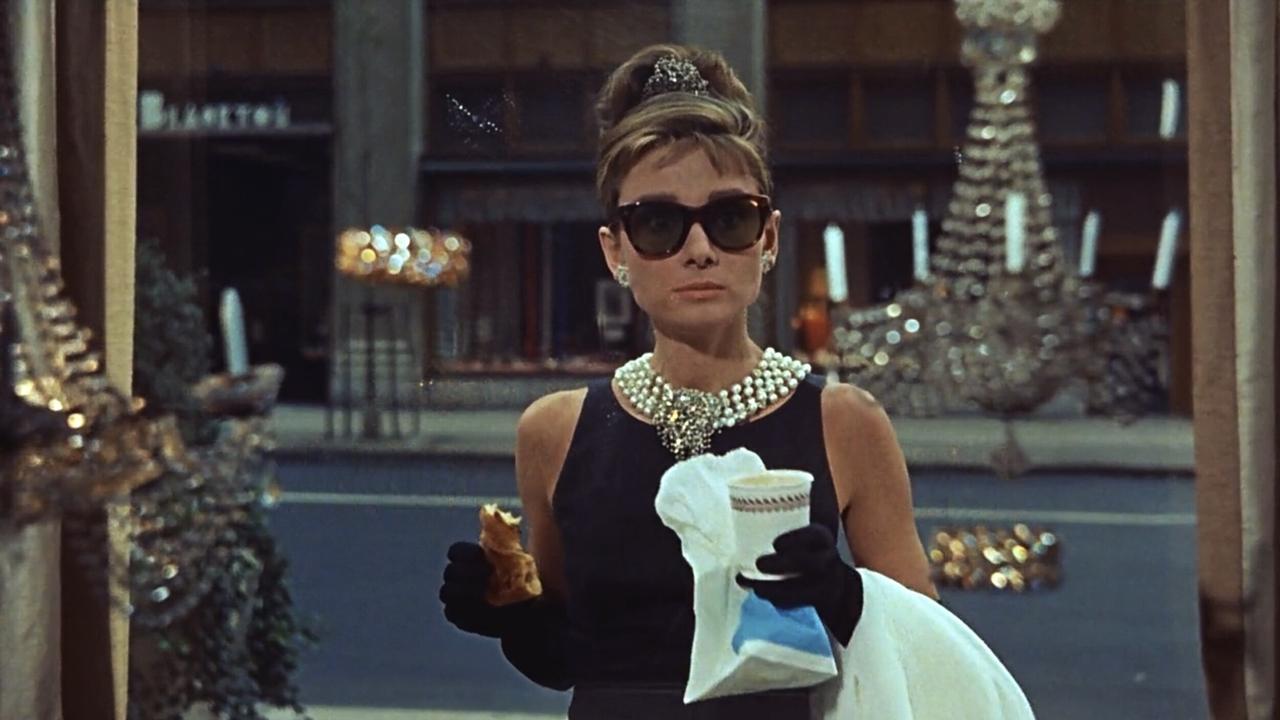
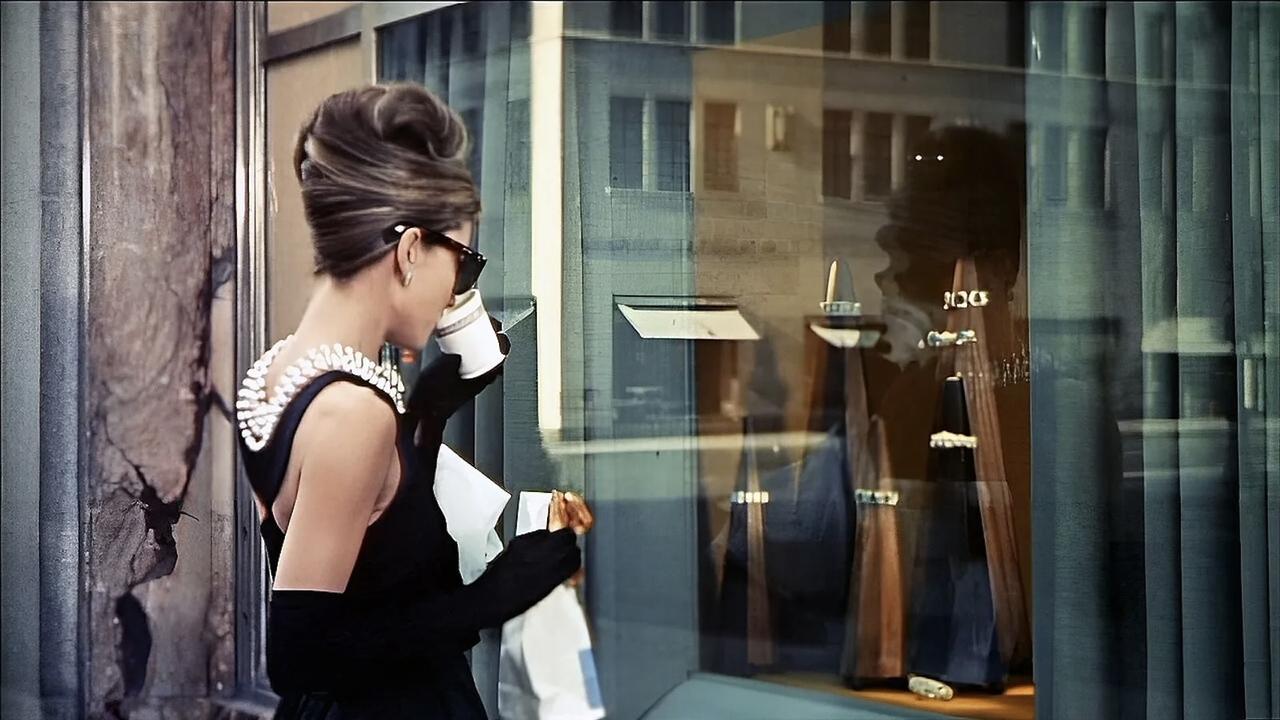
The sun is barely peeking over the skyscrapers of Fifth Avenue, and there she is: a vision in black Givenchy satin, nibbling a danish while staring into the window of Tiffany’s. It’s one of the most curated images in the history of the medium, yet there’s a profound, quiet ache beneath the pearls. Audrey Hepburn’s Holly Golightly isn’t just a "wild thing" or a socialite; she’s a masterpiece of self-erasure. I once watched this film on a Tuesday afternoon while recovering from a particularly nasty bout of food poisoning, and somehow, seeing Holly struggle to organize her chaotic life made my own cramped apartment feel like a sanctuary rather than a prison.
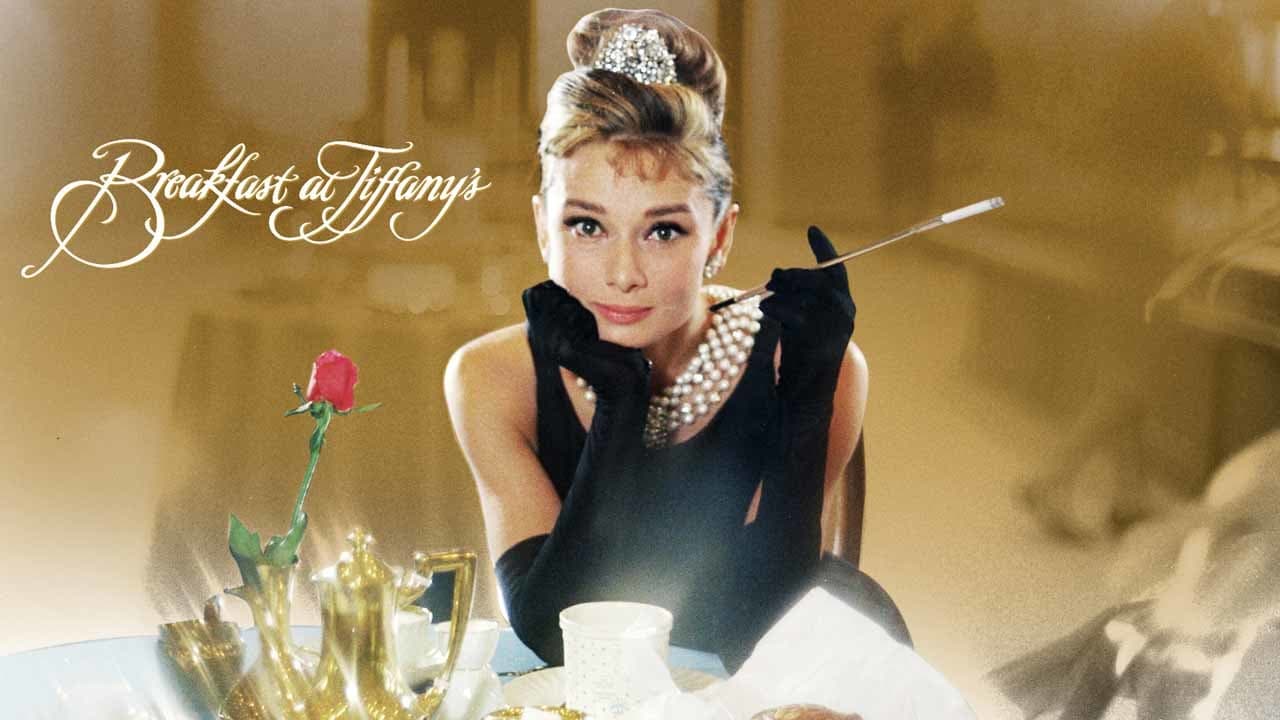
Directed by Blake Edwards—the man who would later give us the slapstick madness of The Pink Panther—this 1961 classic sits at a fascinating crossroads. It has the glossy, high-fashion sheen of the fading studio system, but it pulses with the anxieties of the coming decade. It’s a film about people who are essentially "kept," navigating a New York that is as cold as the diamonds in the window.
The Philosophy of the Nameless Cat
At its heart, Breakfast at Tiffany’s is an inquiry into the price of reinvention. Holly has stripped away her past as Lulamae Barnes, the child bride from Texas, to become a creature of pure artifice. She refuses to name her cat because "we don’t belong to each other." It’s a fiercely existential stance—the idea that to be known is to be caged. Audrey Hepburn plays this with a twitchy, bird-like energy that is far more complex than the "manic pixie dream girl" trope she’s often accused of inventing. She is terrified of the gravity of being a real person.
Then enters George Peppard as Paul Varjak (or "Fred," as Holly insists on calling him). Paul is a mirror for Holly’s own compromises. He’s a writer who hasn't written anything in years, living off the patronage of Patricia Neal’s 2E Failenson. The film nudges at the boundaries of the Hays Code here; both protagonists are essentially selling themselves to survive the city, yet the movie wraps their desperation in Henry Mancini’s legendary score and chic apartment parties. It asks a question that still resonates in our era of social media branding: Can you ever find your way back to yourself once you’ve turned your life into a performance?
The Party That Never Ends
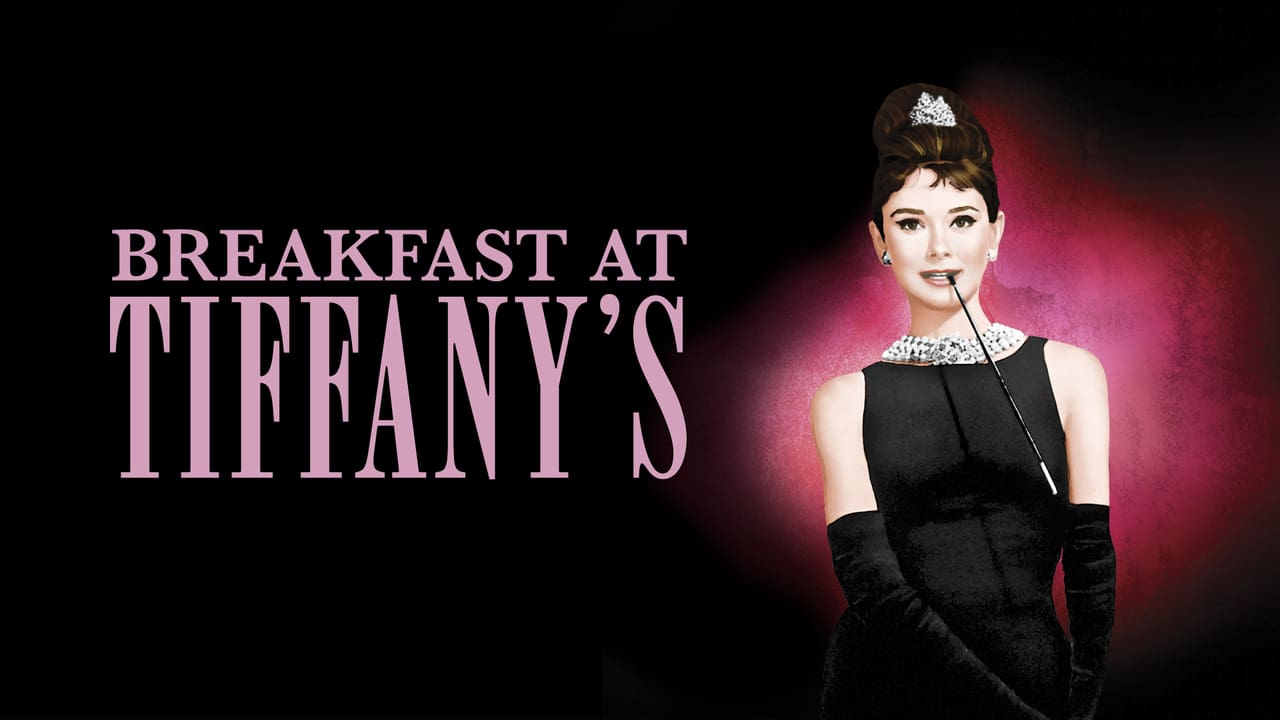
If you want to see Blake Edwards’ directorial genius at its peak, look no further than the cocktail party scene. It took six days to film and utilized real champagne, leading to a set that was reportedly as rowdy as the footage suggests. It’s a dizzying, claustrophobic masterclass in blocking, where the background actors are doing as much heavy lifting as the leads. Watch for the woman laughing at herself in the mirror or the man smoking a cigar while wearing an eye patch—it’s a perfect distillation of urban absurdity.
However, we have to talk about the "elephant in the room," and it’s a particularly ugly one. Mickey Rooney’s performance as Mr. Yunioshi is a racist caricature so jarring it threatens to derail the film’s sophisticated mood every time he’s on screen. It’s a reminder that even "progressive" 60s cinema had blind spots the size of a Cadillac. It’s a scar on a beautiful face, one that modern viewers have to grapple with as they enjoy the otherwise sharp, witty screenplay by George Axelrod.
From Page to Screen to Cult Icon
The film famously diverged from Truman Capote’s novella. Capote wanted Marilyn Monroe for the role and envisioned a much darker, more ambiguous ending where Holly disappears into the world, never to be "tamed." Hollywood, of course, demanded a rain-soaked alleyway and a kiss. Yet, despite the studio-enforced romanticism, the film earned its cult status through its aesthetic rebellion.
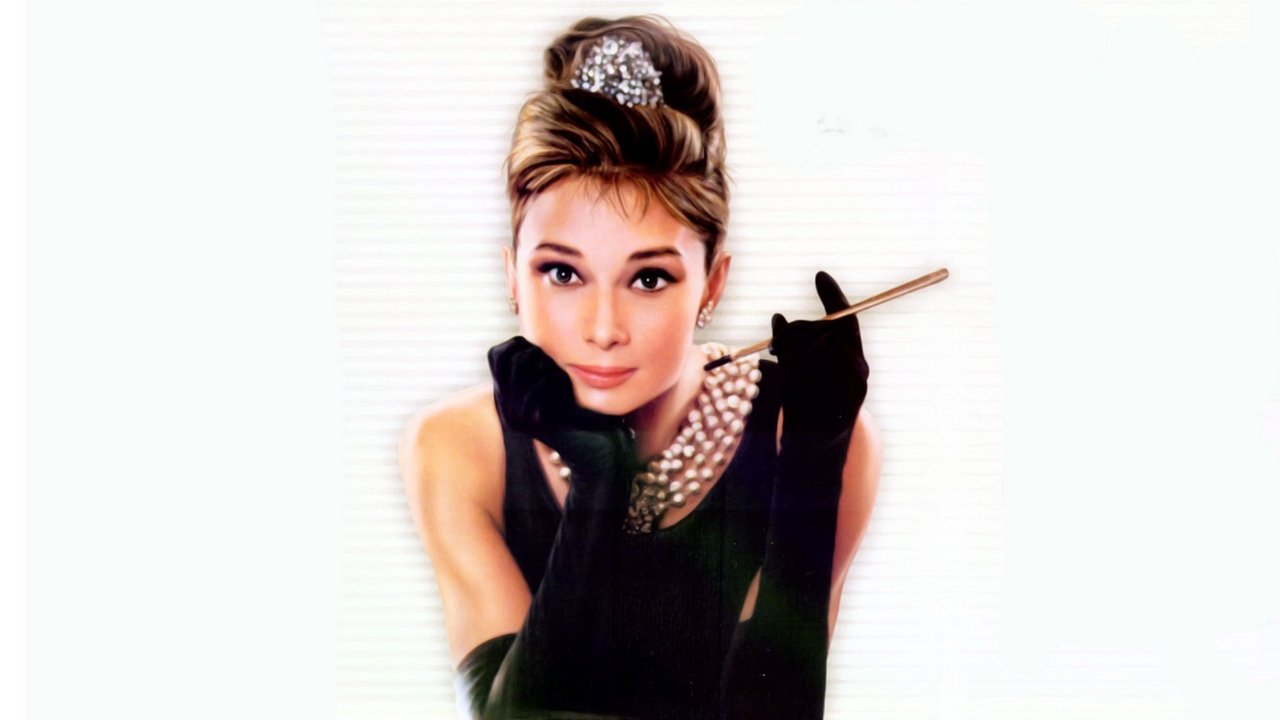
It became the blueprint for the "independent woman in the city" subgenre. Long before Sex and the City or Girls, Holly Golightly was keeping her telephone in a suitcase and her perfume in the refrigerator. By the time the 1980s rolled around, this movie was a staple of the "repertory" circuit. I suspect its longevity comes from the fact that it captures a very specific type of loneliness—the kind you only feel when you’re surrounded by people at a party and realize you’ve forgotten who you’re supposed to be.
Breakfast at Tiffany's remains a shimmering, slightly broken diamond. It’s a film that survives its own flaws—including that ending and the Rooney casting—on the sheer strength of Audrey Hepburn’s vulnerability and Henry Mancini’s "Moon River." It captures that fleeting moment in the early 60s when the world was changing, but we were still dressed for the party. Whether you’re a fan of the fashion or the philosophy, it’s a film that demands to be seen at least once, preferably with a danish in hand.
Keep Exploring...
-
The Apartment
1960
-
Manhattan
1979
-
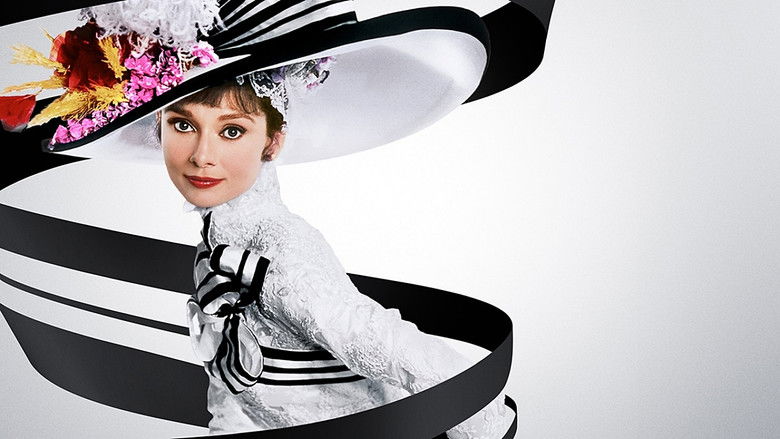
My Fair Lady
1964
-
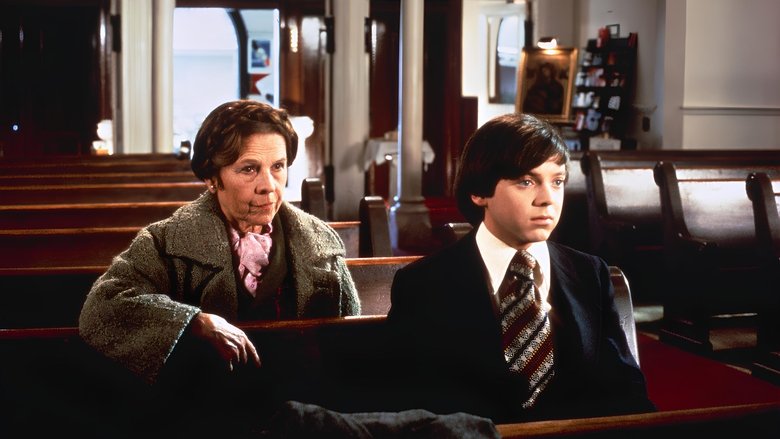
Harold and Maude
1971
-
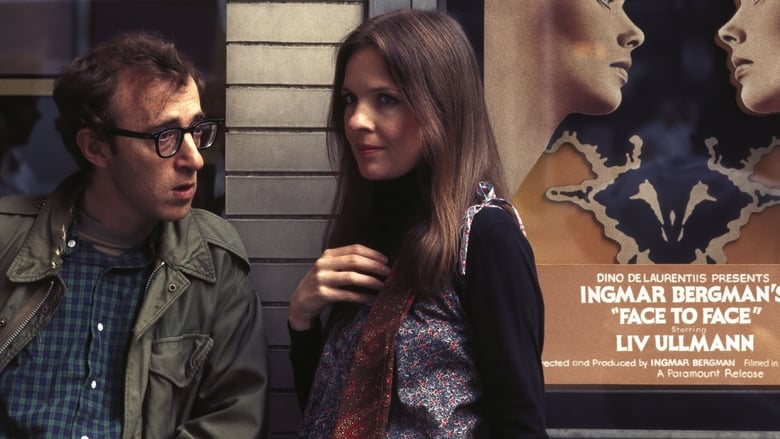
Annie Hall
1977
-

The Breakfast Club
1985
-
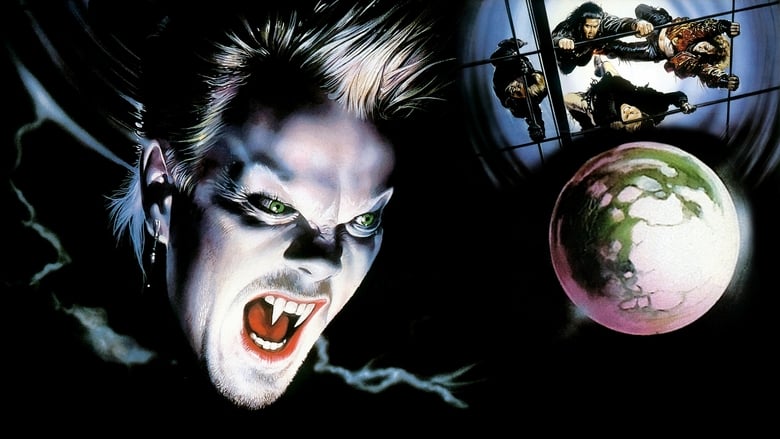
The Lost Boys
1987
-
When Harry Met Sally...
1989
-

Roman Holiday
1953
-

The Hustler
1961
-
Charade
1963
-

The Sound of Music
1965
-
The Graduate
1967
-
10 Things I Hate About You
1999
-
Moonrise Kingdom
2012
-

To Kill a Mockingbird
1962
-
The Pink Panther
1963
-
Guess Who's Coming to Dinner
1967
-
La Dolce Vita
1960
-
Jules and Jim
1962